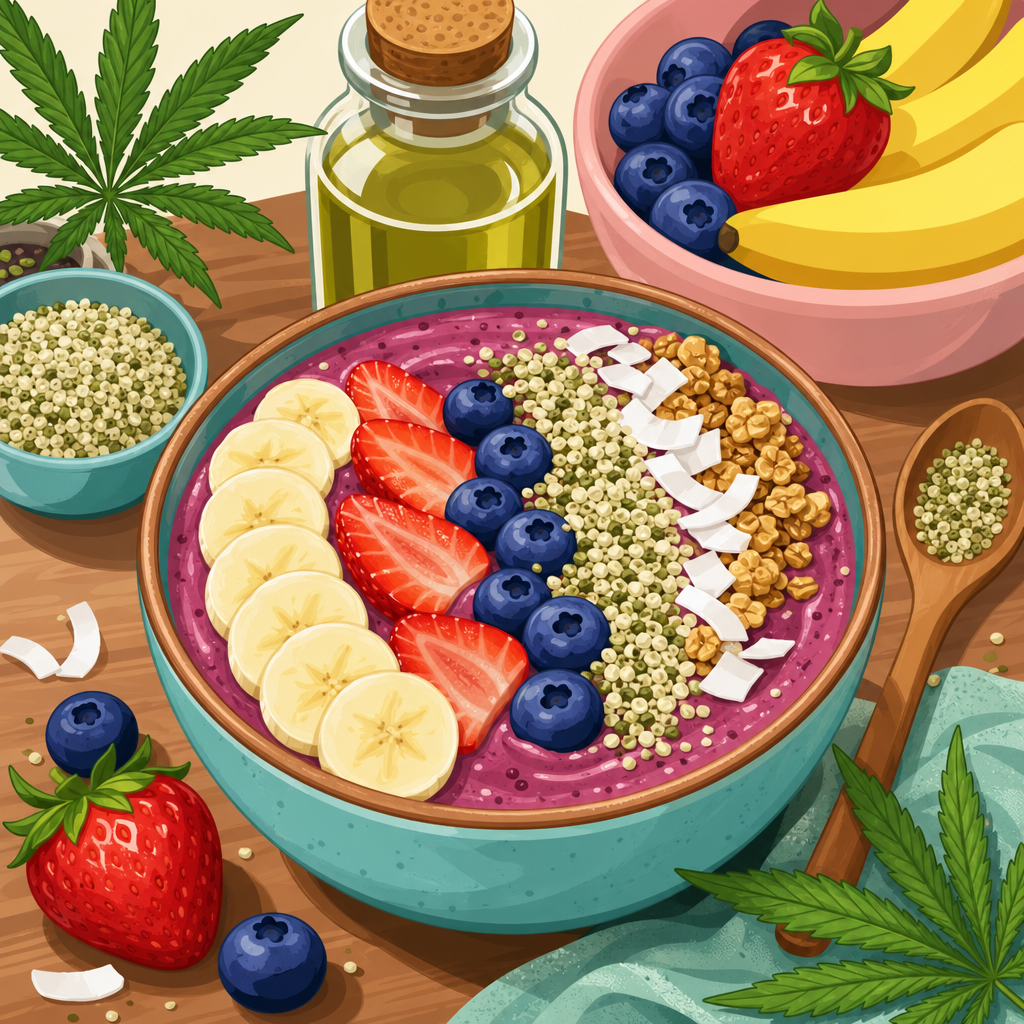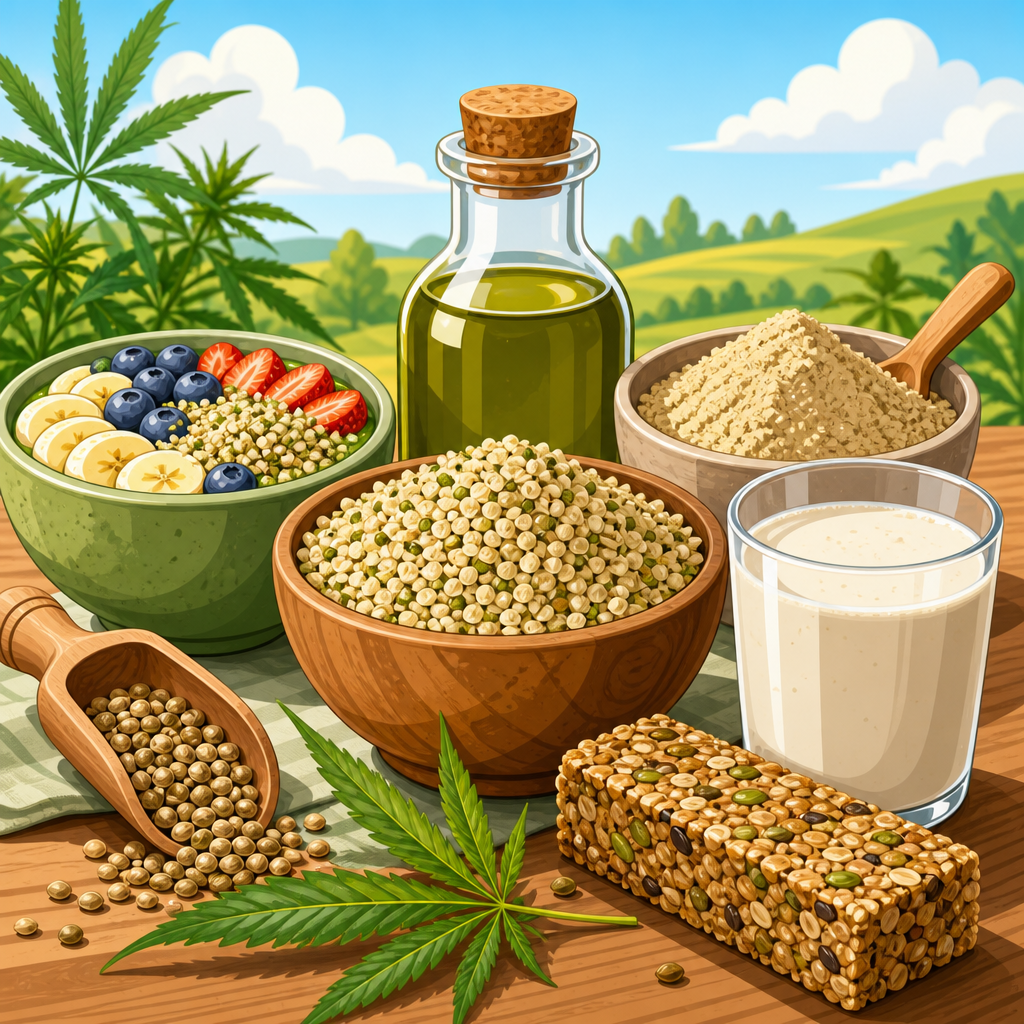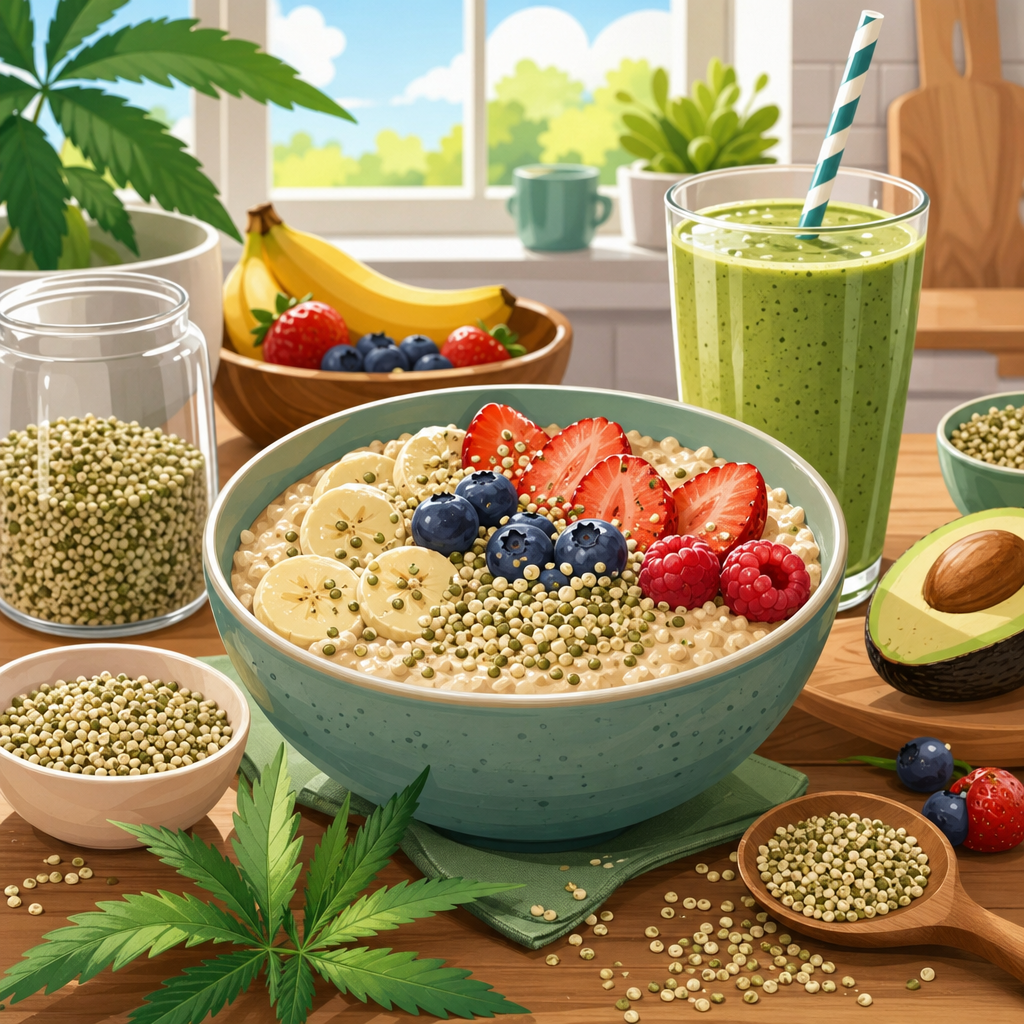
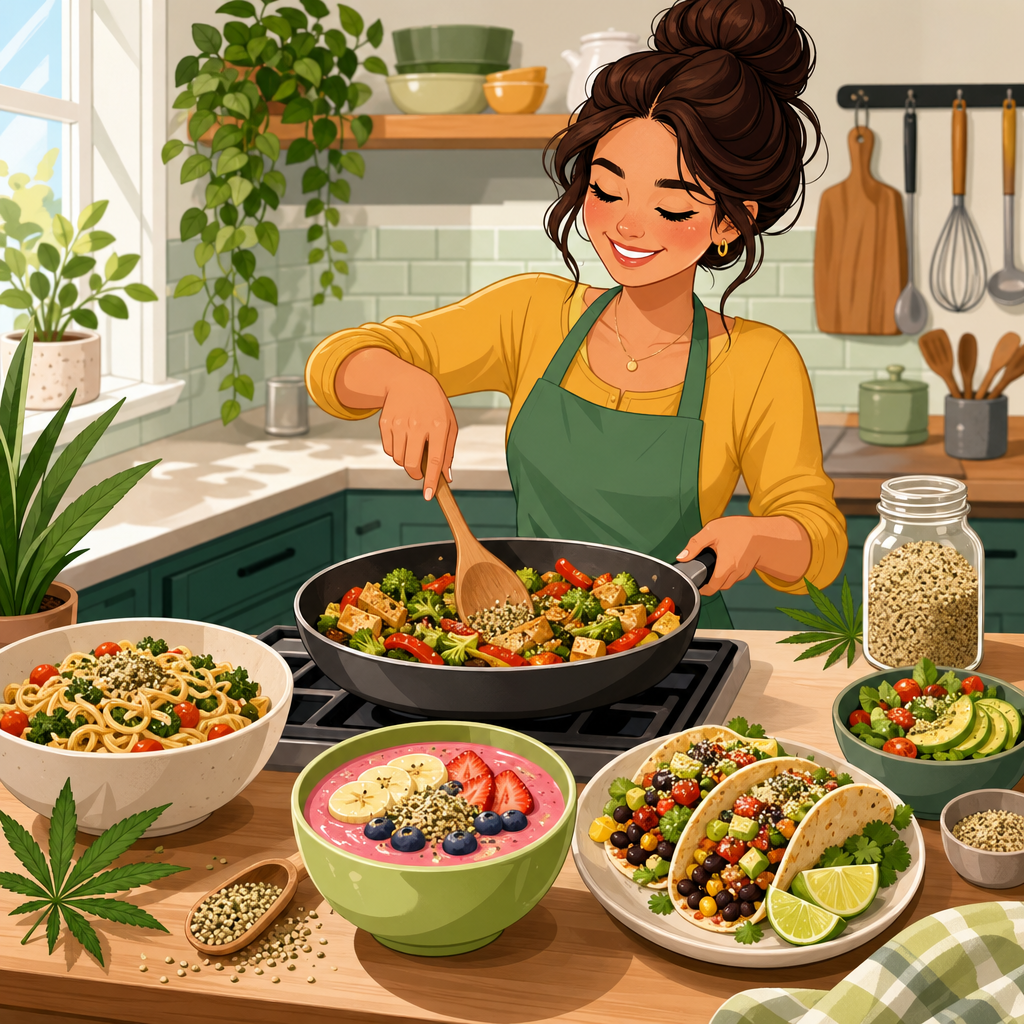
Easy hemp recipes for busy weeknights make healthy eating practical, affordable, and fast, especially when you understand how to use hemp hearts, hemp protein, and hemp seed oil in everyday meals. In hemp food preparation, “hemp” refers to nutrient-dense edible ingredients made from the seeds of the Cannabis sativa plant, not intoxicating products. Hemp foods are valued because they provide plant protein, fiber, minerals, and beneficial fats, including omega-3 and omega-6 fatty acids. I have worked with hemp ingredients in home kitchens and product testing, and the same pattern keeps showing up: people like the nutrition profile, but they need simple cooking methods that fit real schedules. That is why this topic matters. A busy weeknight recipe has to meet four tests at once: minimal prep, familiar flavors, flexible ingredients, and reliable results. Hemp checks those boxes well because it can be stirred into sauces, sprinkled over bowls, blended into smoothies, or folded into baked savory dishes without requiring special equipment. For households trying to reduce ultra-processed foods, increase protein at breakfast and dinner, or add variety to plant-forward meals, hemp ingredients can make common dishes more complete with very little extra effort.
This hub article explains the essentials of hemp food preparation and cooking tips, then shows how to build easy weeknight meals around them. You will learn which hemp ingredient to choose, how heat affects flavor and texture, what recipes work best, and where common mistakes happen. You will also see practical examples for pasta, grain bowls, soups, sauces, and quick breakfasts-for-dinner. The goal is not novelty. The goal is to help you cook faster while improving nutrition and keeping meals appealing for adults and kids.
Understanding Hemp Ingredients Before You Cook
The first step in making easy hemp recipes is knowing the difference between the main forms of edible hemp. Hemp hearts are hulled hemp seeds with a mild, nutty flavor and soft texture. They are the most versatile option for weeknight cooking because they require no soaking or grinding. Hemp protein powder is made after oil is pressed from seeds, creating a more concentrated protein ingredient with a stronger earthy taste. Hemp seed oil is a finishing oil with a delicate nutty profile; it is best used in dressings, dips, and drizzles rather than high-heat frying. Whole hemp seeds also exist, but for quick meals they are less convenient because the outer shell is firmer.
In practical cooking, hemp hearts are the workhorse. I use them the same way many cooks use grated cheese, breadcrumbs, chopped nuts, or a spoonful of Greek yogurt: as a fast add-in that improves texture and satiety. Stir two to three tablespoons into oatmeal, scrambled eggs, pesto, chili, taco filling, or tomato sauce and the dish becomes more substantial without changing the recipe structure. Hemp protein is better when you want a measurable protein boost in smoothies, pancake batter, overnight oats, or energy bites. Hemp oil shines when the pan is already off the heat and you want a fresh finish on roasted vegetables, lentil soup, or a grain bowl.
Nutrition is a major reason consumers seek out hemp foods. A typical serving of hemp hearts delivers meaningful protein along with unsaturated fats and minerals such as magnesium, iron, and zinc. Exact values vary by brand, so label reading matters. If you are comparing products, check serving size first, then protein grams, sodium, ingredient list, and whether the package recommends refrigeration after opening. Freshness matters because seed-based foods can develop off flavors if stored poorly. Keep opened hemp hearts sealed in a cool, dark place, and refrigerate them for longer shelf life.
How to Cook with Hemp on a Busy Weeknight
The easiest way to use hemp is not to search for entirely new meals. Start with dishes you already make in under thirty minutes and add hemp where it naturally fits. Hemp hearts disappear smoothly into creamy textures and cling well to moist foods, so they pair especially well with yogurt sauces, rice bowls, mashed beans, risotto-style grains, and blended soups. They also toast lightly in a dry skillet, which deepens their nuttiness, but that step is optional when time is tight.
Heat management is important. Hemp hearts tolerate gentle cooking, but prolonged high heat can mute their delicate flavor. Hemp seed oil should generally stay out of the frying pan because its best qualities are preserved in low-heat or no-heat use. If you are sautéing vegetables for pasta, cook with olive or avocado oil, then finish with hemp oil after plating. This approach protects flavor and keeps the method simple. For sheet pan dinners, add hemp hearts after roasting rather than before, so they stay tender instead of drying out.
Texture balance is where weeknight success often happens. Soft foods such as soup, cooked grains, and pasta benefit from hemp hearts because they add body without heaviness. Drier foods such as turkey burgers or black bean patties can use hemp hearts as a binder support, but you still need moisture from egg, flax slurry, or a sauce. Hemp protein powder absorbs liquid quickly, so when adding it to batters or sauces, increase liquid gradually. A common mistake is adding too much powder to a smoothie and ending up with a chalky drink. Start with one tablespoon, blend thoroughly, and scale up only if the texture remains pleasant.
| Hemp ingredient | Best weeknight uses | How to use it fast | Common mistake |
|---|---|---|---|
| Hemp hearts | Pasta, bowls, eggs, soups, salads | Stir in at the end or sprinkle before serving | Using too little to notice texture or nutrition |
| Hemp protein powder | Smoothies, pancakes, oats, energy bites | Blend with extra liquid and mild flavors like banana or cocoa | Overloading recipes and creating a gritty texture |
| Hemp seed oil | Dressings, dips, drizzles, finished soups | Whisk into lemon juice, vinegar, mustard, or tahini | Cooking over high heat and losing flavor |
Five Easy Hemp Recipes for Busy Weeknights
The fastest hemp recipes are frameworks, not rigid formulas. One reliable option is a creamy hemp pasta. Boil pasta, reserve a little cooking water, and blend hemp hearts with garlic, lemon juice, nutritional yeast, salt, pepper, and warm water until smooth. Toss with hot pasta and spinach. The result is a dairy-free sauce that feels rich but takes about fifteen minutes. If you want more protein, add white beans or rotisserie chicken. This works because hemp hearts emulsify well when blended, creating a sauce with body similar to cashew cream but without soaking time.
A second dependable meal is a hemp grain bowl. Start with microwaveable brown rice or quinoa, top with leftover roasted vegetables, chickpeas, cucumber, and a quick dressing made from tahini, hemp seed oil, lemon, and water. Finish with a generous spoonful of hemp hearts. In real kitchens, this kind of bowl solves the “what do I do with leftovers” problem. It also adapts well to meal prep because components can be stored separately and assembled in minutes. If you keep cooked grains, canned beans, and a few crunchy vegetables on hand, dinner is mostly done.
Third, hemp breakfast-for-dinner works better than many people expect. Scramble eggs with sautéed mushrooms and spinach, then fold in hemp hearts right before serving. Serve with avocado toast and sliced tomatoes. Hemp hearts add a subtle nutty note and make eggs more filling without extending cook time. For a plant-based version, use crumbled tofu, turmeric, black salt, and hemp hearts. The same formula can become breakfast tacos with salsa and black beans, which is especially useful for families who need customizable meals.
Fourth, make a quick red lentil soup with onions, carrots, broth, canned tomatoes, and red lentils. Once the lentils soften, blend part of the pot for thickness and stir in hemp hearts. Finish with hemp oil and parsley. Red lentils cook quickly, usually within twenty minutes, making them ideal for busy evenings. The hemp addition rounds out the texture and increases staying power, which matters if dinner needs to hold everyone until morning.
Fifth, use hemp in turkey or bean skillet tacos. Brown ground turkey or onions and black beans with taco seasoning, then stir in hemp hearts near the end. They absorb flavor, improve texture, and make the filling feel more substantial. Serve in tortillas with slaw, salsa, and yogurt-lime sauce. This is one of the easiest entry points for hesitant eaters because the hemp blends into a familiar meal instead of becoming the focus.
Meal Planning, Storage, and Flavor Pairing Tips
Weeknight efficiency depends as much on planning as on recipes. The best hemp food preparation strategy is to build a short list of repeatable combinations. Keep one hemp item visible in the pantry or refrigerator and assign it specific uses. For example, hemp hearts for bowls and eggs, hemp protein for smoothies, and hemp oil for dressings. When ingredients have a job, they get used. This sounds simple, but in my experience it is the difference between staple status and a forgotten package pushed to the back of the shelf.
Flavor pairing is straightforward. Hemp hearts match lemon, garlic, basil, dill, parsley, cocoa, cinnamon, banana, berries, tahini, miso, and roasted vegetables. Their taste is mild enough for savory and sweet dishes, but stronger flavors help hemp protein powder most. Cocoa, espresso, peanut butter, and frozen banana can mask earthiness in smoothies. For savory cooking, tomato, smoked paprika, cumin, and nutritional yeast pair well with hemp because they create depth quickly. If a dish tastes flat, add acid first. Lemon juice or vinegar usually brightens hemp-based sauces better than extra salt alone.
Storage and food safety also matter. Follow package guidance, keep containers sealed, and use clean dry utensils to avoid introducing moisture. If hemp hearts smell paint-like or bitter, they may be oxidized and should be replaced. Buying smaller packages is often smarter for casual users. For meal prep, pre-portion hemp hearts into small containers for lunches, overnight oats, or salad kits. That removes friction during the week and helps maintain consistent serving sizes.
As this hub develops, related pages can go deeper into specific use cases such as hemp smoothies, hemp seed salad dressings, dairy-free hemp sauces, hemp breakfast ideas, and baking with hemp protein. This overview gives the decision-making framework: choose the right hemp format, match it to the cooking method, and add it to meals you already trust.
Common Questions About Hemp Food Preparation
One common question is whether hemp foods can make you feel intoxicated. Edible hemp seed products do not have that effect when purchased from compliant food brands because they are produced for nutritional use, not psychoactive use. Another question is whether kids can eat hemp foods. In ordinary culinary amounts, many families use hemp hearts the same way they use seeds or nut butters, though anyone with medical conditions, allergies, or special dietary needs should check with a qualified clinician. Label transparency and reputable sourcing are always important.
People also ask whether hemp can replace meat or dairy completely. The honest answer is that hemp is useful, but it is not a one-for-one substitute in every recipe. Hemp hearts can help build creamy sauces and raise protein in meals, but they will not behave exactly like melted cheese or ground beef. Think of hemp as a supportive ingredient that improves nutrition and texture while working alongside beans, lentils, eggs, tofu, fish, or poultry. That framing leads to better meals and fewer disappointments.
Another frequent concern is cost. Hemp products can cost more per ounce than some pantry staples, so the smart approach is strategic use rather than excess use. A tablespoon or two added consistently across the week often delivers better value than using large amounts in one specialty recipe. If budget matters, begin with hemp hearts because they offer the broadest utility across breakfast, lunch, dinner, and snacks.
Easy hemp recipes for busy weeknights work because hemp ingredients are fast, flexible, and nutritionally useful when you apply them to meals you already know how to cook. Hemp hearts are the most versatile everyday option, hemp protein is best for blended and baked applications, and hemp seed oil performs best as a finishing ingredient. The core preparation rules are simple: avoid unnecessary high heat, balance texture with enough moisture, pair hemp with bright and familiar flavors, and store products carefully for freshness. From creamy pasta and grain bowls to soups, tacos, and eggs, hemp can shorten the gap between healthy intentions and practical dinners. Use this hub as your starting point, then build a small rotation of hemp-based meals that fit your household, your schedule, and your budget.
Frequently Asked Questions
What kinds of hemp ingredients work best in easy weeknight recipes?
The most practical hemp ingredients for fast, healthy dinners are hemp hearts, hemp protein powder, and hemp seed oil. Hemp hearts are soft, mild, and slightly nutty, which makes them one of the easiest ingredients to use in everyday cooking. You can sprinkle them over salads, stir them into pasta, blend them into sauces, mix them into grain bowls, or use them as a quick topping for roasted vegetables, soups, and even avocado toast. Because they require no prep and no cooking, hemp hearts are ideal for busy weeknights when you want to add nutrition without adding time.
Hemp protein powder is useful when you want to boost plant protein in smoothies, overnight oats, pancake batter, energy bites, or quick homemade sauces. It has a more earthy flavor than hemp hearts, so it usually works best when combined with other ingredients such as banana, cocoa, nut butter, cinnamon, berries, or savory seasonings. In weeknight meals, it can be especially helpful in blended soups, veggie burger mixtures, or simple protein-packed snack options that keep you full until dinner is ready.
Hemp seed oil is best used as a finishing oil rather than a high-heat cooking oil. It has a delicate, nutty flavor that works well in dressings, drizzled over cooked vegetables, stirred into grain bowls, or added to dips and sauces just before serving. If your goal is to make meals faster and more nutritious, these three ingredients give you flexibility: hemp hearts for texture and protein, hemp protein for an extra nutritional boost, and hemp seed oil for flavor and healthy fats. Together, they make it easy to build simple hemp recipes that fit naturally into a busy weeknight routine.
Are hemp foods healthy enough to include in regular family meals?
Yes, hemp foods can be an excellent addition to regular family meals because they provide a strong mix of nutrients in a convenient form. Edible hemp ingredients made from the seeds of the Cannabis sativa plant are valued for their plant protein, fiber, minerals, and beneficial fats, especially omega-3 and omega-6 fatty acids. That combination can help make meals more satisfying and balanced, which is particularly useful on busy evenings when dinner needs to be both quick and nourishing.
Hemp hearts are especially family-friendly because they have a mild flavor and soft texture. They blend easily into foods many households already eat, such as oatmeal, yogurt bowls, rice dishes, pasta, soups, tacos, and salads. This means you can increase the nutritional value of a meal without making dramatic changes to your usual dinner rotation. For households trying to include more plant-based ingredients, hemp foods are also a practical way to support protein intake without relying entirely on beans, lentils, or soy-based products.
Another reason hemp foods work well in everyday meals is that they are easy to portion and store. They do not require lengthy soaking, marinating, or cooking, so they support realistic healthy eating habits. If you are preparing meals for a family, you can use hemp ingredients as add-ons rather than centerpieces at first. For example, stir hemp hearts into a tomato sauce, add them to homemade pesto, blend hemp protein into a smoothie for a quick dinner side, or whisk hemp seed oil into a lemon dressing. These small changes can make weeknight meals more nutrient-dense while still keeping them familiar, affordable, and easy to prepare.
Will hemp foods make you feel intoxicated or have psychoactive effects?
No, hemp foods such as hemp hearts, hemp protein, and hemp seed oil are not intended to produce intoxicating or psychoactive effects. In food preparation, “hemp” refers to edible ingredients made from hemp seeds. These products are used for their nutritional value, not for any mind-altering purpose. This is one of the most common concerns people have when they first start looking into hemp recipes, and it is important to separate hemp foods from intoxicating cannabis products.
Hemp foods are popular because they are nutrient-dense and versatile in the kitchen. They are added to meals for their protein, healthy fats, fiber, and mineral content, as well as their pleasant nutty flavor. When you see hemp ingredients in recipes for smoothies, grain bowls, salads, sauces, overnight oats, or energy bites, they are functioning like other nutritious pantry staples such as chia seeds, flaxseed, nuts, or seeds. Their role is culinary and nutritional.
This distinction matters for families, meal preppers, and anyone trying to eat healthier on a busy schedule. If you are considering easy hemp recipes for weeknights, you can think of hemp foods as practical seed-based ingredients that help round out meals with useful nutrients. They fit especially well into quick cooking because they are simple to add, easy to store, and widely adaptable. For most home cooks, the real advantage is not novelty but convenience: hemp foods let you improve the nutritional quality of meals without complicating your routine.
How can I add hemp to dinner without changing the flavor of my favorite meals too much?
The easiest way to use hemp in weeknight cooking without dramatically changing flavor is to start with small amounts and pair hemp with foods that already have complementary tastes. Hemp hearts are the best choice for this because they have a mild, slightly nutty flavor that tends to blend in well. You can stir a spoonful into pasta sauce, taco filling, rice, quinoa, soups, casseroles, or scrambled eggs. In many dishes, they add texture and nutrition without making the meal taste noticeably different.
Hemp seed oil can also be introduced gently by using it in dressings or drizzles rather than making it the dominant flavor. Try whisking a little hemp seed oil with lemon juice, garlic, mustard, or herbs and serving it over cooked vegetables or grain bowls. This approach softens the flavor while still giving you the benefit of healthy fats. Because hemp seed oil is better suited as a finishing ingredient, adding it at the end of cooking helps preserve both taste and quality.
If you want to use hemp protein powder, blend it into recipes where bolder flavors already exist. A smoothie with banana, cocoa, cinnamon, or berries can easily carry hemp protein. In savory meals, it can be mixed into soups, sauces, or homemade bites when balanced with seasonings. The key is to treat hemp as a supporting ingredient first. Once you see how naturally it fits into your routine, you can experiment more confidently. This gradual approach is especially useful for picky eaters or families who prefer familiar meals but still want a healthier weeknight dinner strategy.
What are some of the fastest hemp recipe ideas for busy weeknights?
Some of the fastest hemp recipe ideas are the ones that build on foods you already make regularly. A simple grain bowl is one of the best examples: start with cooked rice, quinoa, or farro, add roasted or raw vegetables, include a protein such as beans, tofu, rotisserie chicken, or eggs, and finish with hemp hearts and a quick hemp seed oil dressing. This kind of meal comes together quickly, uses leftovers well, and can be adjusted for different preferences in the same household.
Another fast option is hemp pesto pasta. Blend basil or spinach with garlic, lemon juice, hemp hearts, olive oil or a mix of olive and hemp seed oil, then toss with hot pasta and vegetables. You can also make quick hemp tacos by adding hemp hearts to black beans or lentils for extra texture and protein, then topping with salsa, greens, and avocado. For soup nights, stir hemp hearts into blended vegetable soups or creamy tomato soup just before serving. This adds richness without requiring extra cooking steps.
If dinner needs to happen in under fifteen minutes, think in terms of finishing and topping rather than full recipes from scratch. Sprinkle hemp hearts over a salad kit with canned chickpeas, add them to a wrap with hummus and vegetables, stir them into microwaveable grains, or drizzle hemp seed oil over a warmed bowl of soup. You can even prepare a small jar of hemp dressing in advance for several meals throughout the week. The biggest advantage of easy hemp recipes is that they are realistic: they help turn simple staples into more complete, satisfying meals with very little extra effort, cost, or cleanup.