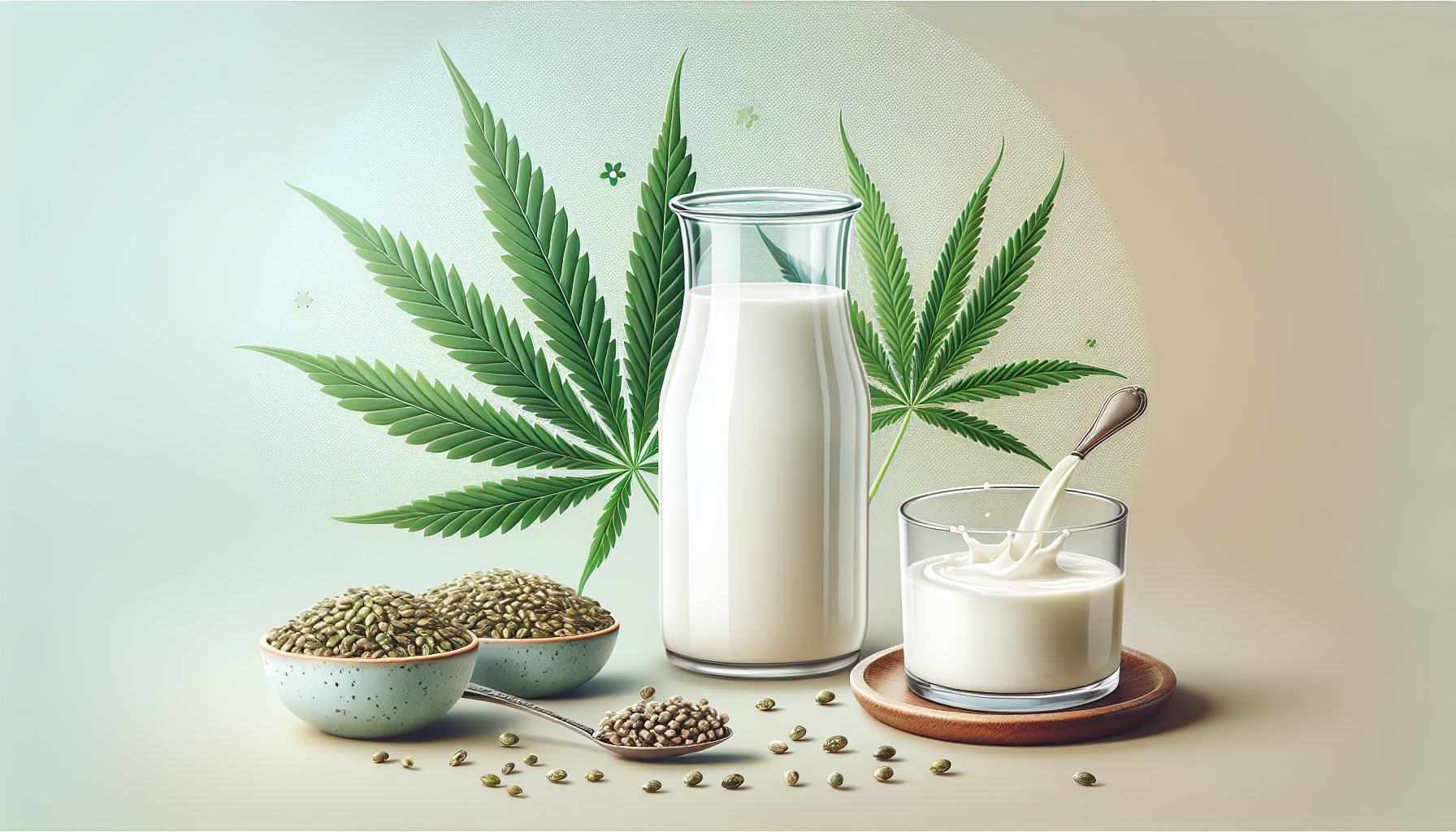

Hemp seeds and hemp oil are nutritious foods, but they are also delicate products that can lose freshness quickly when stored the wrong way. In practical terms, storing hemp seeds and oil means controlling light, heat, oxygen, and moisture so flavor, texture, and nutritional quality remain stable. This matters because hemp foods are rich in polyunsaturated fats, especially omega-3 and omega-6 fatty acids, and those fats oxidize faster than the saturated fats found in more shelf-stable pantry items. I have seen good products turn bitter in a warm cupboard long before their printed date, while the same products stayed clean-tasting for months when refrigerated and tightly sealed.
For consumers, the most common questions are straightforward: should hemp seeds go in the fridge, does hemp oil need refrigeration, how long do opened products last, and how can you tell when they have gone bad. This guide answers those questions directly and places them in the broader context of hemp food handling. Hemp hearts, whole hemp seeds, hemp seed oil, roasted hemp snacks, and blended products all behave a little differently. Understanding that difference helps you reduce waste, protect flavor, and get the most from every package.
Hemp food storage is also part of food safety and value. Proper storage does not just preserve nutrition on paper; it protects the mild, nutty taste people expect in smoothies, yogurt, baking, salad dressings, and finishing oils. It also helps a household buy in sensible quantities instead of replacing spoiled products. If you treat hemp seeds and oil like stable dry grains or refined cooking oils, quality will drop. If you store them like premium nuts and cold-pressed oils, they perform far better. The core rule is simple: cool, dark, dry conditions for seeds, and cold, dark, airtight conditions for oil.
Why Hemp Foods Need Careful Storage
Hemp seeds are often grouped with seeds such as flax, chia, and sunflower, yet their storage needs are closer to other high-fat foods. The defining issue is lipid oxidation. Polyunsaturated fats contain multiple double bonds, and those bonds are more vulnerable to damage from oxygen, heat, and light. When oxidation progresses, the oil develops rancid compounds that create paint-like, fishy, or bitter aromas. You cannot reverse that process by cooking or blending the product into other foods.
There is also a structural difference between whole hemp seeds and shelled hemp hearts. Whole seeds retain an outer hull that provides some natural protection against oxygen and physical damage. Hemp hearts have that protective layer removed, which makes them more convenient to eat but also more perishable after opening. In side-by-side kitchen testing, shelled seeds almost always lose their fresh aroma sooner than whole seeds stored under the same conditions.
Moisture matters too. Dry seeds stored in a humid environment can clump, soften, or in severe cases support mold growth. Oil has a different problem: every time a bottle is opened, fresh oxygen enters the headspace. Repeated exposure speeds quality loss, especially when the bottle is clear or frequently left on a counter near sunlight or a stove. This is why packaging design, bottle size, and user habits all influence shelf life.
Consumers often assume the printed best-by date guarantees freshness until that day under any condition. It does not. Best-by dating generally reflects unopened product stored as directed. Once hemp foods are opened, your storage conditions become the deciding factor. A cool refrigerator, a dry pantry, and a tightly resealed container will usually do more for quality than any date printed on the label.
How to Store Whole Hemp Seeds and Hemp Hearts
Whole hemp seeds can usually be kept in a cool, dark pantry if the room remains consistently dry and moderate in temperature. A cupboard away from the oven, dishwasher, or sunny window is appropriate for unopened packs. Once opened, I recommend transferring seeds to an airtight glass jar or a high-quality food-safe container with a tight gasket. This reduces oxygen exposure and keeps out humidity and odors from nearby foods.
Hemp hearts deserve more caution. Because the hull has been removed, refrigeration after opening is the most reliable approach. In many homes, pantry conditions swing too much between day and night, especially in summer. A refrigerator set around 40 degrees Fahrenheit, or 4 degrees Celsius, slows oxidation noticeably. If you buy large bags, divide them into smaller containers so you only expose one portion at a time while the rest stays sealed.
Freezing is an excellent option for long-term storage. Hemp seeds freeze well because their low moisture content limits texture damage. Use moisture-proof, airtight packaging and remove as much air as possible. Small freezer jars or vacuum-sealed pouches work well. Let the portion you need come close to refrigerator temperature before opening the container to prevent condensation from forming on cold seeds.
Keep seeds away from strong odors. Hemp hearts can absorb aromas from onions, garlic, and certain leftovers if containers are not fully sealed. That flavor transfer is subtle at first but can be obvious in raw uses such as topping oatmeal or blending into smoothies. Clean utensils also matter. Scooping seeds with a damp spoon introduces moisture and shortens storage life faster than most people realize.
How to Store Hemp Seed Oil Correctly
Hemp seed oil is more fragile than many common kitchen oils. It is usually sold as a cold-pressed finishing oil rather than a high-heat frying oil, and the same chemistry that gives it nutritional value also makes it sensitive in storage. The correct default is refrigeration after opening, and in warm climates or bright kitchens, refrigeration before opening is also wise unless the label clearly states otherwise.
Choose dark glass bottles when possible. Amber or green glass helps block light better than clear packaging, and glass generally provides a stronger oxygen barrier than many plastics. Once opened, recap the bottle immediately after pouring. Do not leave it on the table through a meal, and do not store it beside the stove where repeated heat exposure accelerates rancidity. In my experience, counter storage is the main reason otherwise good hemp oil tastes harsh within a few weeks.
Use smaller bottles if your household consumes hemp oil slowly. A 250 milliliter bottle opened and finished within a month usually stays fresher than a 1 liter bottle opened repeatedly for several months. Less headspace and faster turnover are practical quality controls. If you buy in bulk, decant a working bottle for the refrigerator and keep the remainder sealed and cold.
Hemp seed oil should not be used like a neutral, heat-stable refined oil. It is best for dressings, dips, finishing grains, or drizzling over soups after cooking. Heating the oil aggressively does not just reduce flavor; it can degrade delicate fatty acids. Storage and use go together. The gentler you treat the oil in the kitchen, the more likely it is to retain the grassy, nutty profile consumers expect.
Typical Shelf Life and Where to Store Each Product
Exact shelf life depends on processing, packaging, and household conditions, but the following ranges are practical guidelines for common hemp foods. Always follow package instructions first, because manufacturers know whether a product was nitrogen flushed, roasted, blended with other ingredients, or packaged in light-protective materials.
| Product | Best Storage Location | After Opening | Quality Notes |
|---|---|---|---|
| Whole hemp seeds | Cool, dark pantry or refrigerator | Use within 3 to 6 months | Hull adds protection; refrigerate for best flavor retention |
| Hemp hearts | Refrigerator | Use within 2 to 4 months | More perishable because the hull is removed |
| Hemp seed oil | Refrigerator | Use within 6 to 12 weeks | Keep tightly capped in dark bottle |
| Roasted hemp seed snacks | Cool, dry pantry | Use within 1 to 3 months | Texture declines if exposed to humidity |
| Hemp protein powder blends | Cool, dry pantry or refrigerator | Use within label guidance | Shelf life varies with added flavors, sweeteners, and fats |
These ranges reflect quality rather than automatic safety cutoffs. A product may still be safe but no longer pleasant to eat. For hemp oil especially, sensory quality is the most useful consumer check. If the oil no longer smells fresh and mild, it is not worth keeping.
How to Tell if Hemp Seeds or Hemp Oil Have Gone Bad
The fastest indicator is smell. Fresh hemp seeds have a mild, nutty, slightly grassy aroma. Fresh hemp seed oil smells clean, earthy, and green without sharpness. When deterioration starts, the aroma shifts toward bitter nuts, old paint, varnish, stale grass, or fishy notes. Those are classic signs of oxidized fats. Trust your nose. If the smell is wrong, discard the product.
Taste is the second check, but only after the smell seems normal. A small sample should taste soft and nutty, not aggressively bitter or scratchy in the throat. Rancid oils often leave a lingering unpleasant finish. Seeds can also change visually. Watch for clumping, unusual darkening, visible moisture, or any fuzzy growth, which suggests contamination rather than simple oxidation.
Texture changes can also signal a problem. Hemp hearts that were originally loose and dry may become sticky if exposed to warmth or humidity. Roasted hemp products can go soft. Oil may become cloudy in the refrigerator, which is usually normal and reversible at room temperature, but cloudiness paired with bad odor is not a harmless cold effect. Use the full picture: smell, taste, appearance, and storage history.
One common question is whether you can salvage aging hemp seeds by toasting them. Light toasting may improve flavor in seeds that are merely stale, but it will not fix rancidity. Heat can actually intensify off-aromas. The same principle applies to hemp oil in dressings or baked goods. Once oxidation is present, masking it with other ingredients rarely works.
Frequently Asked Questions About Hemp Food Storage
Should hemp seeds be refrigerated? Yes, especially after opening. Whole seeds may tolerate a cool pantry, but refrigeration provides better protection and is strongly recommended for hemp hearts.
Does hemp oil need refrigeration? Yes. Refrigeration is the best standard practice for opened hemp seed oil and often advisable for unopened bottles in warm conditions.
Can you freeze hemp seeds? Yes. Freezing is one of the most effective ways to preserve quality for long-term storage, provided the container is airtight and moisture resistant.
Can you freeze hemp oil? Yes, although refrigeration is usually sufficient for normal household use. If freezing, leave expansion space in the container and thaw slowly in the refrigerator.
How long do hemp seeds last after opening? Whole seeds often maintain good quality for several months if sealed well and kept cool. Hemp hearts usually have a shorter quality window and should be used sooner.
How long does hemp oil last after opening? Many bottles are best used within six to twelve weeks for peak flavor, though label instructions and storage conditions matter.
Is a best-by date the same as an expiration date? Not exactly. Best-by dates generally indicate expected peak quality, not a guarantee of freshness after improper storage or repeated exposure to heat and oxygen.
Can hemp food be stored in plastic? It can, but high-barrier airtight containers are better. Glass is preferred for oil and works well for seeds because it is nonreactive and easy to clean thoroughly.
Smart Buying and Everyday Handling Tips
The easiest storage win happens before the product reaches your kitchen. Buy from retailers with good stock rotation and climate control. Dusty bottles sitting in direct storefront light or bags displayed near warm equipment are higher risk. Check seals, inspect packaging for punctures, and avoid oversized containers unless you know you will use them quickly.
At home, label containers with the opening date. This simple habit removes guesswork and helps households compare actual use rates with package size. I also advise keeping hemp foods in one dedicated refrigerator section rather than moving them between pantry, counter, and fridge. Stable conditions are better than constant temperature swings.
Use clean, dry scoops for seeds, wipe bottle threads after pouring oil, and close containers immediately. Small habits prevent cumulative damage. If a recipe calls for hemp oil, measure it last and return the bottle to the refrigerator right away. If you make snack jars or smoothie packs, portion only what you will use in the near term rather than exposing the main supply repeatedly.
Finally, read product labels carefully. Some hemp foods include antioxidants, flavorings, or other ingredients that change storage needs. Others are sold milled, blended, or roasted, which affects shelf life. The best storage plan is product specific, but the underlying rule stays consistent: protect hemp foods from heat, light, air, and moisture.
Storing hemp seeds and hemp oil well is not complicated, but it does require treating them like premium, perishable foods rather than ordinary pantry staples. Whole seeds keep best in cool, dark, dry conditions and benefit from refrigeration after opening. Hemp hearts should usually go straight to the refrigerator, and freezing is a strong option for larger quantities. Hemp seed oil belongs in a tightly capped dark bottle in the refrigerator, away from light and heat, and is best used as a finishing oil rather than a high-heat cooking fat.
The payoff is straightforward: better flavor, less waste, and more consistent nutritional quality. You will notice the difference in smoothies, dressings, yogurt bowls, and baked goods because fresh hemp foods taste clean and mild, while poorly stored products turn bitter fast. If you remember only one rule, remember this one: cool, dark, airtight storage preserves hemp quality.
Use this guide as your reference point for hemp food questions, then apply the same logic across your pantry. Check labels, store products promptly, and trust smell and taste when assessing freshness. A few careful habits will help every bag of hemp seeds and every bottle of hemp oil stay useful longer and perform the way they should.
Frequently Asked Questions
How should hemp seeds be stored to keep them fresh for as long as possible?
Hemp seeds stay freshest when they are protected from the four main causes of quality loss: heat, light, air, and moisture. Because hemp seeds are naturally rich in delicate polyunsaturated fats, especially omega-3 and omega-6 fatty acids, they can turn stale or rancid faster than many other pantry staples if they are stored casually in a warm kitchen cabinet. The best approach is to keep them in an airtight container, preferably glass or a food-safe opaque container, and store that container in the refrigerator once opened. Cool temperatures slow oxidation, while a tight seal limits exposure to oxygen that can gradually damage flavor and nutrition.
If you buy shelled hemp hearts, refrigeration is especially important because removing the outer shell makes the fats more exposed. Unopened packages may be shelf-stable for a period of time if stored in a cool, dark place, but after opening, refrigeration is the safer and more reliable option. If you purchase hemp seeds in bulk or use them only occasionally, freezing is an excellent long-term storage method. Divide them into smaller portions before freezing so you can remove only what you need without repeatedly exposing the entire supply to temperature changes and condensation. Always use a dry scoop, reseal the container promptly, and avoid storing hemp seeds near the stove, dishwasher, or sunny windows where heat and humidity fluctuate.
Does hemp oil need to be refrigerated, and why is cold storage so important?
Yes, in most cases hemp oil should be refrigerated, especially after opening. Hemp oil is far more delicate than many common cooking oils because it contains a high concentration of polyunsaturated fatty acids. Those beneficial fats are nutritionally valuable, but they are also highly vulnerable to oxidation. Once oxidation begins, the oil can lose its fresh, nutty taste and develop bitter, paint-like, or grassy off-flavors. Refrigeration slows that process significantly, which is why cold storage is one of the most important steps in preserving hemp oil quality.
Light protection matters too. Hemp oil should ideally be kept in a dark glass bottle or another light-resistant container, since direct light can accelerate degradation. Oxygen exposure also plays a major role, so the cap should be closed tightly after every use. If the bottle is frequently opened, the oil is exposed to fresh air over and over, which can shorten its usable life. For that reason, some people prefer buying smaller bottles that can be used up faster rather than one large bottle that sits in the refrigerator for months. It is also important to understand that hemp oil is generally not intended for high-heat cooking. Even if it has been stored properly, excessive heat can quickly damage its flavor and nutritional profile. It is better used in dressings, dips, smoothies, or drizzled over finished foods.
What are the signs that hemp seeds or hemp oil have gone bad?
The clearest sign that hemp seeds or hemp oil have deteriorated is a noticeable change in smell and taste. Fresh hemp seeds usually smell mild, slightly nutty, and clean. Fresh hemp oil should also have a pleasant nutty or earthy aroma. If either product smells sharp, bitter, sour, musty, or similar to old paint, varnish, or stale nuts, that is a strong sign of rancidity caused by fat oxidation. Taste can confirm it: instead of a mild, pleasant flavor, spoiled hemp products often taste harsh, bitter, or unpleasantly lingering.
Texture and appearance can also offer clues, although they are not always as obvious. Hemp seeds that have absorbed moisture may clump together, feel damp, or show signs of mold, which means they should be discarded immediately. Hemp oil may become cloudy in the refrigerator, but that alone is not usually a sign of spoilage; many natural oils become cloudy when chilled and clear up again at room temperature. What matters more is whether the smell and flavor have turned off. Always check the best-by date as a starting point, but do not rely on the date alone. Storage conditions matter just as much. A product stored poorly may spoil before the printed date, while one handled carefully may still taste good close to it. When in doubt, trust your senses and err on the side of caution.
Can hemp seeds and hemp oil be frozen for longer storage?
Yes, both hemp seeds and hemp oil can be frozen, and freezing is one of the best ways to extend shelf life when you are not using them regularly. Freezing slows the oxidation process much more effectively than room-temperature storage and even more than refrigeration alone. For hemp seeds, freezing works especially well if you divide them into smaller airtight portions before placing them in the freezer. This prevents repeated thawing and refreezing, which can introduce moisture and reduce quality over time. Properly packaged hemp seeds generally thaw well and can be used straight from the freezer in many recipes.
Hemp oil can also be frozen, although it should be stored in a tightly sealed container with a little headspace if the packaging requires it. In many cases, refrigeration is sufficient for everyday use, but freezing can help preserve extra bottles that you will not open soon. When removing frozen hemp oil or seeds, let the container come closer to refrigerator or room temperature before opening it if condensation is a concern. This helps keep moisture from collecting inside the package. The key point is that freezing only works well when the product is sealed against air and moisture. Tossing a half-open bag into the freezer without proper packaging may still lead to quality loss. If you want the best results, use freezer-safe, airtight containers and label them with the purchase or freeze date.
What storage mistakes most often shorten the shelf life of hemp seeds and hemp oil?
The most common mistake is treating hemp products like ordinary shelf-stable pantry items. Hemp seeds and hemp oil are nutritious, but their fat profile makes them much more delicate than foods higher in saturated fat. Leaving them in a warm cupboard, on the countertop, or near heat sources such as ovens and stovetops can speed up oxidation dramatically. Another frequent problem is using packaging that is not airtight. Every time air reaches the product, oxidation can progress, and with hemp oil in particular, that can quickly affect taste and quality. Clear containers placed in bright kitchens also create unnecessary exposure to light, which further degrades sensitive fats.
Moisture is another major issue, especially for hemp seeds. Using a wet spoon, storing seeds in a humid area, or leaving a bag loosely folded instead of properly sealed can allow moisture in, raising the risk of clumping, spoilage, or mold. Buying more than you can reasonably use before freshness declines is also a practical mistake. Large bulk purchases are only economical if you portion and refrigerate or freeze them correctly. Finally, many people overlook simple handling habits: leaving the bottle cap off while cooking, returning containers to storage slowly, or repeatedly taking products in and out of warm environments all add up. The best strategy is simple and consistent: keep hemp seeds and oil cool, dark, dry, and well sealed, and buy in quantities that match how quickly you will actually use them.