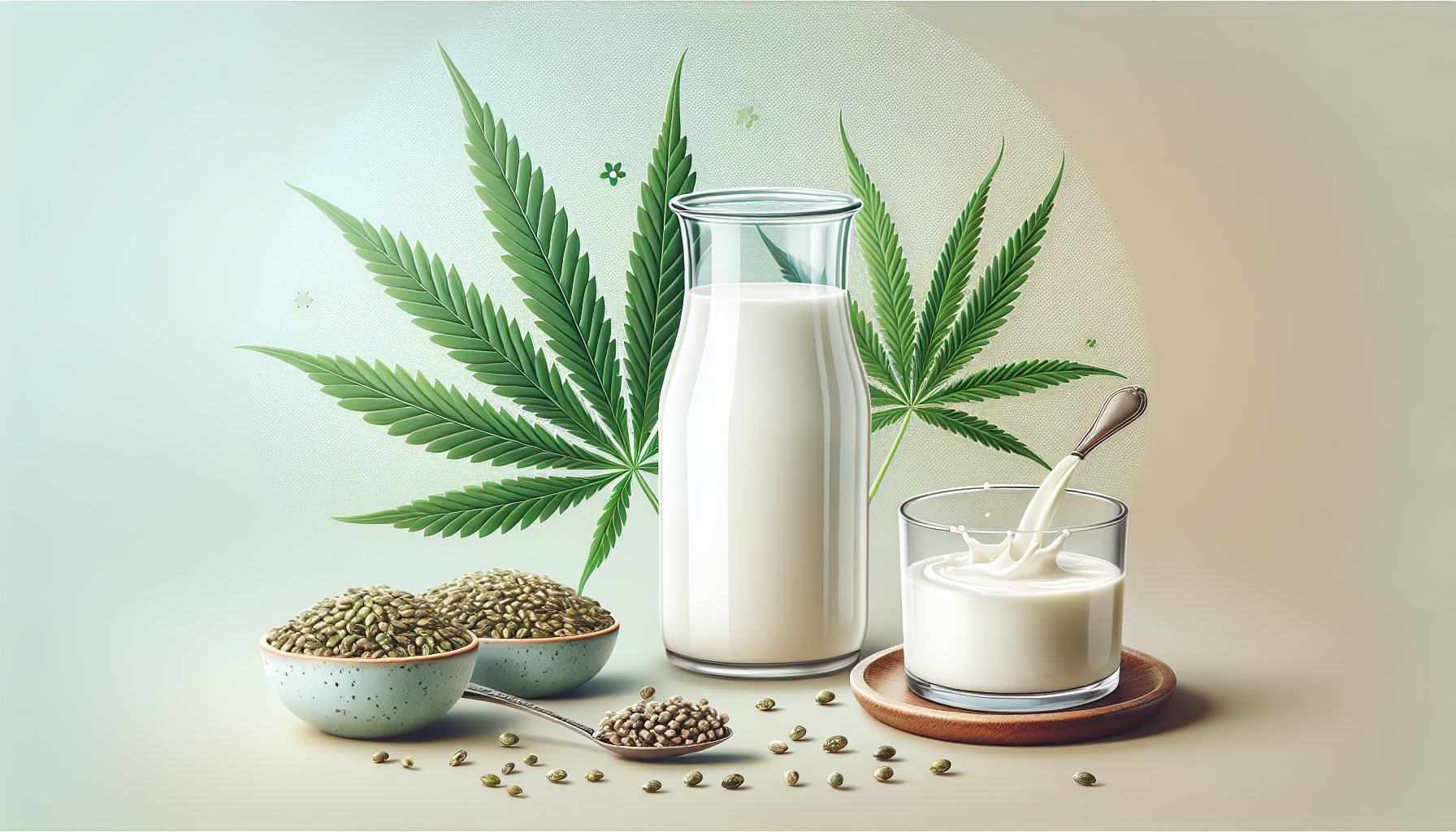
Hemp milk offers a practical, nutrient-dense alternative to dairy and other plant-based beverages, especially for consumers who want a creamy drink with complete plant protein, beneficial fats, and a relatively simple ingredient profile. Made by blending hemp seeds with water, hemp milk is naturally free from lactose, soy, and nuts, which makes it relevant for people managing allergies, intolerances, dietary preferences, or simple curiosity about hemp food. In my work writing and reviewing hemp food education materials, I have seen the same questions arise repeatedly: Is hemp milk nutritious, does it contain CBD or THC, how does it compare with oat or almond milk, and who benefits most from drinking it? Answering those questions clearly matters because hemp remains widely misunderstood despite being a legally regulated food ingredient in many markets.
To understand the benefits of hemp milk, it helps to define the raw material. Hemp milk is typically made from hulled hemp seeds, sometimes called hemp hearts, which come from industrial hemp varieties bred for food and fiber rather than intoxication. These seeds contain protein, polyunsaturated fats, including omega-3 and omega-6 fatty acids, minerals such as magnesium and phosphorus, and naturally occurring bioactive compounds. Commercial hemp milk may also be fortified with calcium, vitamin D, and vitamin B12 to better match the nutritional role dairy milk often plays in the diet. The exact nutrition depends on the brand, whether the product is sweetened, and how much actual hemp seed is used per serving, so label reading is essential.
Why does this topic matter within consumer education and frequently asked questions about hemp food? Because hemp milk sits at the intersection of nutrition, food law, sustainability, and everyday meal planning. Many people first encounter hemp through food before they ever consider textiles, personal care, or cannabinoid products. A good hemp milk guide should therefore do more than praise the beverage. It should explain what hemp milk is, what benefits are realistic, where the limitations are, and how to choose a product that fits real nutritional goals. For consumers trying to build a balanced diet, hemp milk can be useful, but only when understood on its own merits rather than as a trend.
Nutritional Benefits of Hemp Milk
The most important benefit of hemp milk is its nutrient package. Unsweetened hemp milk often provides a moderate amount of fat, a small to moderate amount of protein, and fewer carbohydrates than oat milk or dairy milk. The standout feature is the fat profile. Hemp seeds naturally contain polyunsaturated fats, including alpha-linolenic acid, an omega-3 fatty acid, and linoleic acid, an omega-6 fatty acid. Research on hemp seed composition consistently shows a favorable omega-6 to omega-3 ratio compared with many common foods. That does not make hemp milk a magic health product, but it does mean it can contribute useful fats to an overall dietary pattern.
Protein is another reason consumers choose hemp milk. Hemp seed protein contains all nine essential amino acids, which qualifies it as a complete protein, though digestibility and total protein concentration vary by formulation. Many commercial hemp milks provide around 2 to 4 grams of protein per cup, less than dairy milk or soy milk in some cases, but more than many almond milk products. In practice, I advise readers not to assume all hemp milk is high protein. Some products are diluted and function more like flavored beverages than meaningful protein sources. Checking grams of protein per serving is more useful than relying on front-label claims.
Fortification can significantly improve the nutritional value of hemp milk. Many brands add calcium to support bone health, vitamin D to aid calcium absorption, and vitamin B12 for consumers following vegan diets. A fortified hemp milk can be especially useful for people avoiding dairy, because dairy milk is often a major source of calcium and vitamin D in conventional diets. However, homemade hemp milk, while fresh and simple, usually lacks these added nutrients unless the rest of the diet compensates for them. That distinction matters in family nutrition, especially for children, older adults, and anyone with higher nutrient needs.
How Hemp Milk Supports Common Dietary Needs
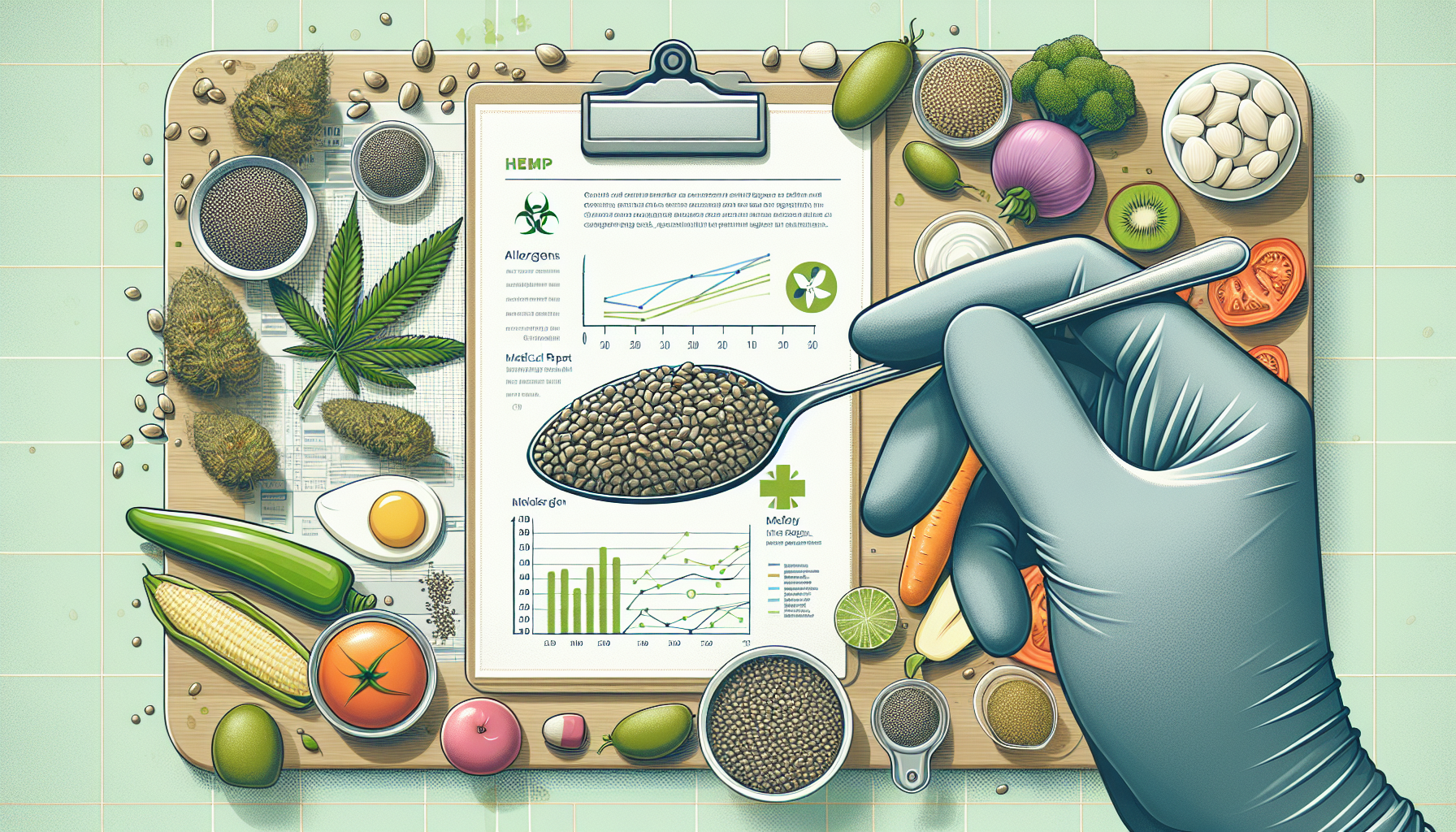
Hemp milk is especially valuable because it fits several dietary patterns at once. It is naturally lactose-free, making it an option for people with lactose intolerance who still want a milk-like beverage for cereal, coffee, smoothies, or cooking. It is also dairy-free, which supports vegan and plant-forward diets. Unlike almond milk, hemp milk is nut-free, which can be important in homes and schools where tree nut allergies are a concern. Unlike soy milk, it avoids soy, another common allergen that some consumers intentionally limit for medical, personal, or culinary reasons.
That flexibility makes hemp milk a useful pantry staple rather than a niche product. For example, a family with one dairy-sensitive member, one nut allergy concern, and one vegan eater may find hemp milk easier to keep on hand than multiple separate alternatives. I have also seen it work well for consumers trying elimination diets, where reducing major allergens temporarily can help isolate food triggers under professional guidance. Hemp milk is not automatically suitable for everyone, but its broad compatibility is one of its clearest practical benefits in real kitchens.
Digestive comfort is another frequently cited advantage. Many people tolerate hemp milk well because it contains no lactose and, in unsweetened versions, relatively little sugar. Some commercial products include gums or stabilizers such as gellan gum or locust bean gum to maintain texture, and a minority of consumers prefer to avoid these. For those individuals, refrigerated brands with shorter ingredient lists or homemade hemp milk may be better options. The benefit here is not that hemp milk is universally easier to digest than every other beverage, but that it expands choice for people who do not tolerate standard milk products well.
Hemp Milk Compared With Other Plant-Based Milks
Consumers usually want a direct comparison before choosing hemp milk, and the answer depends on the priority: protein, flavor, texture, allergens, or environmental impact. Soy milk generally leads among plant milks for protein content and is the closest nutritional substitute for dairy in many settings. Oat milk is often preferred for texture and barista performance, but it is usually higher in carbohydrates. Almond milk is widely available and low in calories, yet many products are quite low in protein. Hemp milk stands out for balanced fats, moderate protein, and broad allergen friendliness.
| Milk Type | Typical Strength | Common Limitation | Best Use Case |
|---|---|---|---|
| Hemp milk | Omega fats, nut-free, soy-free | Lower protein than soy in many brands | Allergen-aware households, smoothies, cereal |
| Soy milk | High protein, strong dairy substitute | Soy allergen for some consumers | Protein-focused diets, cooking, baking |
| Oat milk | Creamy texture, good in coffee | Higher carbohydrates, often added oils | Lattes, baking, creamy sauces |
| Almond milk | Low calorie, mild taste | Usually very low protein, tree nut issue | Light drinking, cereals, lower-calorie plans |
Flavor matters more than many nutrition comparisons suggest. Hemp milk has a mild earthy, slightly nutty taste that some people enjoy immediately and others prefer first in blended applications such as smoothies or overnight oats. Unsweetened versions can taste more savory than almond or oat milk, which is worth knowing before pouring it into tea or coffee. In recipe testing, I have found hemp milk works best where a subtle seed note is acceptable, such as porridge, soups, pancake batter, and protein shakes. Sweetened vanilla versions are often the easiest entry point for new users, though they may add significant sugar.
Key Questions Consumers Ask About Hemp Milk
The most common question is whether hemp milk can make you feel high. The answer is no. Hemp food products are made from seeds and from legally compliant hemp materials that contain only trace, tightly controlled amounts of tetrahydrocannabinol. Properly manufactured hemp milk is a food, not an intoxicating product. Another common question is whether hemp milk contains CBD. Most standard hemp milk is not a CBD beverage. It is made for nutrition, not cannabinoid supplementation, and consumers should not assume functional cannabinoid content unless the product is specifically formulated and labeled that way.
People also ask whether hemp milk is safe for children. In general, hemp milk can be part of a child’s diet, but it should not automatically replace infant formula, breast milk, or nutritionally appropriate milk choices without pediatric guidance. The reason is simple: different beverages vary widely in calories, protein, and fortification. A fortified hemp milk may fit well into meals for older children, while an unfortified low-protein version may not meet a child’s needs as a main milk source. This is a recurring theme in hemp food education: category labels are less useful than actual nutrient data.
Another frequent question is whether homemade hemp milk is better than store-bought. Homemade versions offer control over ingredients and can be made by blending hemp hearts, water, and optional flavorings such as dates or vanilla. They are often fresher and free from stabilizers. Store-bought versions, however, are more consistent and often fortified. Better depends on the goal. If convenience and nutrient fortification matter most, commercial hemp milk usually wins. If minimal ingredients and kitchen control matter most, homemade can be excellent, as long as the rest of the diet supplies any missing nutrients.
Practical Benefits in Everyday Cooking and Meal Planning
One underappreciated benefit of hemp milk is versatility. Because it contains fat naturally, it can add body to recipes without requiring as much added oil as some thinner plant milks. In breakfast applications, hemp milk works well in oatmeal, chia pudding, cold cereal, and blended smoothies. In savory dishes, it can be used in creamy soups, mashed vegetables, and some pasta sauces, especially when the recipe does not rely on milk proteins for thickening behavior. It also performs reasonably well in pancakes, muffins, and quick breads, where its flavor is usually subtle once mixed with other ingredients.
For consumers trying to eat more whole-food-based meals, hemp milk pairs naturally with other hemp foods. A breakfast smoothie with hemp milk, hemp hearts, berries, and oats creates a coherent nutrient profile with fiber, plant protein, and unsaturated fats. In snack preparation, it can be blended into cocoa drinks or used with hemp seed granola. This hub topic, frequently asked questions about hemp food, often starts with simple entry points like milk because they help consumers understand the broader category. Once people grasp that hemp seeds are edible, nutritious, and non-intoxicating, they become more confident exploring hemp hearts, protein powder, and seed oil.
Cost and storage should also be part of meal planning. Hemp milk is often more expensive than dairy milk and some mainstream plant milks, especially in regions where distribution is limited. Shelf-stable cartons can improve convenience, while refrigerated products may offer a fresher taste. Separation is normal in many hemp milks because of the natural fat content, so shaking before use is expected rather than a sign of spoilage. Once opened, most products should be refrigerated and consumed within the brand’s recommended timeframe, typically seven to ten days.
Choosing the Best Hemp Milk for Your Needs
The best hemp milk is the one that matches your dietary priorities and actual usage. Start with the nutrition panel. If you want a meaningful protein contribution, choose a product with at least several grams per serving rather than the lowest-protein option on the shelf. If you are replacing dairy, look for fortification with calcium, vitamin D, and vitamin B12. If blood sugar management matters, select unsweetened versions and compare total carbohydrates and added sugars. Ingredient lists also matter. Some products contain sunflower oil, cane sugar, natural flavors, and gums. None of these are automatically problematic, but they should align with your preferences.
Certifications can offer added confidence. Depending on the market, consumers may look for organic certification, non-GMO verification, allergen statements, or third-party quality assurances. Reputable brands clearly distinguish hemp seed nutrition products from cannabinoid wellness products, reducing confusion at the point of purchase. Packaging that explains source material, fortification, and intended use is usually a sign of a brand that understands hemp education. When I review labels, I look for clarity first: What part of the hemp plant is used, what nutrients are present, what has been added, and how should the product be used?
Ultimately, the benefits of hemp milk are best understood in context. It is not the highest-protein milk on the market, and it is not automatically superior to every other dairy alternative. Its value lies in a specific combination of traits: complete plant protein, beneficial fats, compatibility with multiple dietary restrictions, and practical use across meals. For consumers exploring hemp food for the first time, hemp milk is one of the easiest and most useful starting points. Read labels, compare formulations, and try it in everyday recipes to see where it fits best in your routine. That simple step can turn hemp from a confusing concept into a genuinely helpful food choice.
Frequently Asked Questions
What are the main nutritional benefits of hemp milk?
One of the biggest benefits of hemp milk is that it delivers a useful combination of plant-based nutrition in a very convenient form. Hemp milk is typically made from hemp seeds and water, and hemp seeds are naturally rich in unsaturated fats, including omega-3 and omega-6 fatty acids. These fats are often highlighted because they play an important role in overall wellness and help distinguish hemp milk from some other plant-based beverages that may contain less naturally occurring fat. Hemp milk also stands out for providing complete plant protein, meaning it contains all nine essential amino acids. That can be especially appealing for people looking to diversify protein sources beyond dairy, soy, or heavily processed supplements.
Another practical advantage is that many commercial hemp milks are fortified with nutrients such as calcium, vitamin D, and vitamin B12, which can make them more comparable to dairy milk from a micronutrient standpoint. Unsweetened varieties can also be a smart option for people who want a lower-sugar beverage for smoothies, coffee, cereal, or everyday drinking. While exact nutrition varies by brand, the overall appeal of hemp milk comes from its creamy texture, beneficial fats, and balanced nutrient profile. For many consumers, it offers a middle ground between taste, functionality, and ingredient simplicity.
Is hemp milk a good option for people with allergies or food intolerances?
Yes, hemp milk can be an excellent option for people navigating food sensitivities, especially because it is naturally free from lactose, soy, and nuts. That makes it especially relevant for individuals who cannot tolerate dairy or who need to avoid some of the most common allergens found in other milk alternatives. For example, almond milk is not suitable for those with tree nut allergies, and soy milk is off the table for people avoiding soy. Hemp milk fills an important gap by offering a creamy, plant-based option that works for many of those consumers.
That said, it is still important to read labels carefully. Some packaged hemp milks may be processed in facilities that also handle allergens, and flavored versions may include added ingredients such as gums, sweeteners, or natural flavors that some shoppers prefer to avoid. If someone has severe allergies or multiple food sensitivities, checking for allergen statements and ingredient transparency is always worthwhile. In general, though, hemp milk is one of the more inclusive plant-based choices on the shelf, and that broad compatibility is a major part of its appeal.
How does hemp milk compare with dairy milk and other plant-based milks?
Hemp milk compares favorably in several key areas, though the best choice depends on individual nutrition goals and taste preferences. Compared with dairy milk, hemp milk is naturally lactose-free and contains no cholesterol, which makes it attractive to people who avoid animal products or experience digestive discomfort with dairy. Compared with many other plant-based options, hemp milk often has a richer, creamier mouthfeel than rice milk or some lighter oat and almond beverages. It also has an edge over certain alternatives because hemp seeds naturally contribute complete protein and beneficial fats, rather than relying entirely on fortification or additives for nutritional value.
In practical use, hemp milk works well in smoothies, coffee, soups, cereal, and baking because it tends to offer a smooth consistency without being overly heavy. Flavor-wise, it often has a mild, slightly earthy or nutty character, though usually less pronounced than people expect. Nutritionally, some soy milks may provide more protein per serving, and some oat milks may offer a sweeter, more neutral taste for coffee drinks. However, hemp milk is often chosen because it provides a strong balance of digestibility, versatility, and naturally derived nutrition. For consumers who want a non-dairy beverage that is less common but highly functional, hemp milk is a very compelling option.
Does hemp milk contain CBD or THC, and will it make you feel different?
No, standard hemp milk does not contain meaningful levels of THC and will not produce a psychoactive effect. This is a very common question, and the confusion is understandable because hemp and marijuana both come from varieties of the cannabis plant. However, hemp milk is made from hemp seeds, which are valued as a food ingredient and are not used for intoxication. Reputable commercial hemp foods are produced to comply with strict legal standards and are intended purely as nutritional products.
It is also important to separate hemp milk from cannabinoid products such as CBD oils or infused beverages. Traditional hemp milk is simply a food made from seeds and water, sometimes with added vitamins, salt, or stabilizers depending on the brand. Consumers choose it for its protein, fats, texture, and allergen-friendly profile, not for any mind-altering effect. So if someone is interested in trying hemp milk but is worried about feeling “high” or impaired, that concern can generally be put aside. Hemp milk functions like any other non-dairy beverage in the kitchen and in the diet.
What should you look for when buying the healthiest hemp milk?
When choosing hemp milk, the healthiest option usually starts with a short, straightforward ingredient list. Ideally, the base should be hemp seed and water, with fortification for nutrients such as calcium, vitamin D, and vitamin B12 if those are priorities in your diet. Unsweetened versions are often the best everyday choice because they avoid added sugars while still delivering the core nutritional benefits of hemp. If you are using hemp milk in coffee or recipes, you may also want to compare texture and flavor among brands, since formulations can vary quite a bit.
It is also worth checking the nutrition panel for protein content, fat profile, sodium, and additives. Some hemp milks are designed to be very simple and minimally sweetened, while others are formulated to be extra creamy or flavored for broader consumer appeal. Neither is automatically better, but the right choice depends on your goals. If you want a clean-label staple, look for minimal ingredients and low sugar. If you need a dairy alternative that contributes more to daily nutrient intake, fortified varieties may be the better fit. In general, the best hemp milk is the one that aligns with your dietary needs, tastes good enough to use consistently, and comes from a transparent brand that clearly explains what is in the carton.