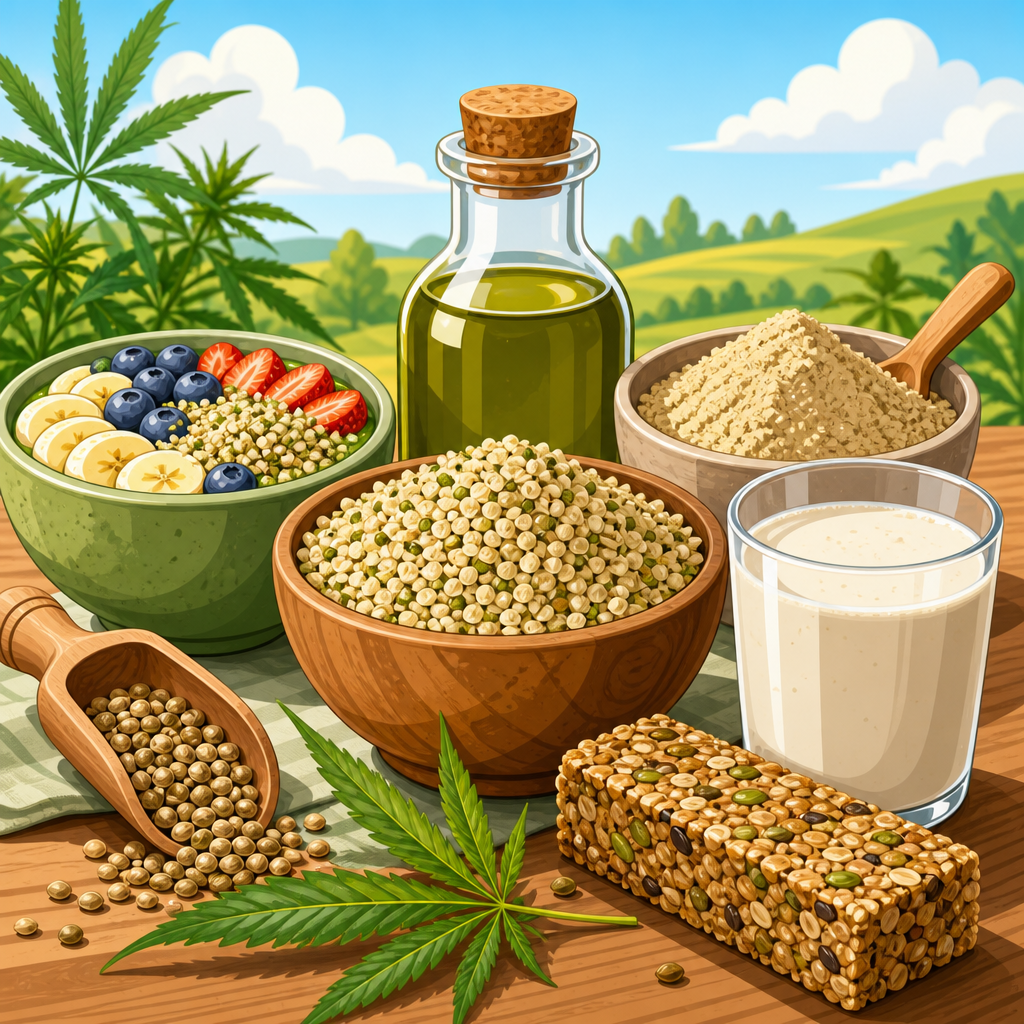

Hemp foods are emerging as one of the most practical ways consumers can align everyday eating habits with sustainable living. In this context, hemp foods refers to edible products made from the seeds of industrial hemp, including hemp hearts, hemp protein powder, hemp seed oil, hemp milk, and foods formulated with hemp flour or whole seeds. Sustainable living means reducing environmental harm while supporting long-term human health, resilient farming systems, and efficient use of land, water, and energy. I have worked with natural food brands and sustainability messaging long enough to see that shoppers want more than a trend; they want evidence that a food choice is genuinely better for the planet. Hemp stands out because it connects agriculture, nutrition, and resource efficiency in a way few crops do.
The environmental impact of hemp food matters because the food system is a major driver of greenhouse gas emissions, biodiversity loss, freshwater stress, and soil degradation. According to the United Nations Food and Agriculture Organization, agriculture uses about 70 percent of global freshwater withdrawals, while food production overall contributes a substantial share of human-caused emissions. Consumers often focus on packaging or food miles, but the biggest impacts usually begin on the farm. That is where hemp deserves careful attention. Industrial hemp can grow quickly, produces a nutrient-dense seed, and often fits well into crop rotations that improve field management. These traits do not make hemp automatically perfect, and sustainability depends on how it is grown, processed, and transported. Still, hemp foods provide a credible, measurable route toward lower-impact diets.
For a consumer education hub, the key question is simple: how do hemp foods contribute to sustainable living in real terms? The answer includes lower input needs than some conventional crops, useful rotation benefits, broad product versatility, and the ability to support more plant-forward diets. Just as important, hemp foods help translate abstract environmental goals into daily routines people can maintain. A spoonful of hemp hearts on breakfast, a hemp protein shake after exercise, or a switch from resource-intensive ingredients to hemp-based alternatives may seem small, but repeated choices shape demand across the food supply chain. Understanding the environmental impact of hemp food helps consumers make decisions based on agronomy and lifecycle thinking rather than marketing alone.
Why Hemp Food Has a Distinct Environmental Profile
Industrial hemp, typically grown from Cannabis sativa varieties bred for very low tetrahydrocannabinol content, is agronomically different from many commodity crops used in food production. One reason is speed. Hemp can establish quickly, develop a dense canopy, and compete strongly with weeds. In practical farm terms, that means some growers can reduce herbicide reliance compared with more vulnerable crops, especially when hemp is well managed and planted under suitable conditions. In my experience reviewing hemp ingredient sourcing, this weed suppression advantage is one of the first operational benefits growers mention, because it affects both cost and environmental load.
Another important characteristic is hemp’s adaptability. It can be grown across varied climates and soil types, though it performs best in well-drained soils with sound fertility planning. Hemp seed production for food requires careful management, but the crop generally fits within diversified farming systems rather than demanding a monoculture model. That matters because monocultures often intensify pest pressure, narrow biodiversity, and increase dependence on synthetic inputs. When hemp is inserted into a broader rotation, it can break weed and disease cycles and create management flexibility for subsequent crops. Sustainability is rarely about one crop in isolation; it is about system effects over time.
Hemp foods also carry environmental value because the seed is highly functional. Hemp seeds provide protein, fiber, and fats, including omega-3 and omega-6 fatty acids. Since a single crop can yield ingredients for multiple food applications, processors can use more of the harvest efficiently. Hemp hearts go directly into retail food channels, oil can be cold pressed for culinary use, and the press cake can be milled into protein or flour. That cascading use of outputs supports resource efficiency. Waste reduction is one of the clearest markers of sustainable food systems, and hemp processing lends itself to full-seed utilization when the supply chain is designed well.
Water Use, Soil Health, and Farm Inputs
One of the strongest reasons hemp food supports sustainable living is its potential to reduce pressure on critical farm resources. Water is the most obvious example. While hemp is not a no-water crop and yields improve with adequate moisture, it is often described as relatively water efficient compared with some high-demand alternatives. Regional conditions matter enormously, but in dry areas where irrigation drives environmental strain, choosing crops that can produce useful nutrition with moderate water demands is a major advantage. This is especially relevant as drought risk and water regulation intensify in major agricultural regions.
Soil health is another area where hemp can contribute positively. Fast early growth helps protect the soil surface, reducing erosion risk from wind and rain. Its root system can support soil structure, and when hemp is integrated into rotation, the crop can help diversify field biology. Farmers focused on regenerative or conservation-minded practices often look for crops that keep soil covered, interrupt pest cycles, and distribute labor demands across the season. Hemp can do all three under the right management. I have seen sustainability claims fall apart when a crop looks good on paper but creates field bottlenecks in practice. Hemp’s rotational flexibility is one reason it remains credible in real farm planning.
Input intensity is the third major factor. Fertilizer needs vary by yield target and region, and hemp is not input-free. However, it often avoids the exceptionally high nitrogen demands associated with some intensive commodity systems. Lower or better-balanced input use can reduce nitrous oxide emissions, nutrient runoff, and upstream manufacturing impacts from fertilizers and pesticides. The key point for consumers is that the environmental impact of hemp food starts with agronomy. When hemp is grown in a region suited to its needs, by farmers using sensible fertility plans and integrated pest management, the footprint can be meaningfully lower than many conventional alternatives.
| Environmental factor | How hemp food can help | Important limitation |
|---|---|---|
| Water use | Often moderate compared with more water-intensive crops or animal foods | Performance depends on climate, irrigation method, and yield goals |
| Weed management | Dense canopy can suppress weeds and reduce herbicide pressure | Poor establishment weakens this advantage |
| Soil protection | Rapid growth and root development can support erosion control and structure | Benefits rise when hemp is part of a thoughtful rotation |
| Resource efficiency | Seed can be used for hearts, oil, flour, and protein with limited waste | Processing quality and local infrastructure matter |
| Dietary impact | Supports plant-forward eating patterns with nutrient-dense ingredients | Not all hemp products have the same processing footprint |
Hemp Foods and Lower-Impact Diets
Sustainable living is not only about how food is grown; it is also about what consumers choose to eat. Hemp foods contribute here by making plant-forward diets easier, more nutritious, and more satisfying. Hemp hearts add complete protein and healthy fats to meals without extensive processing. Hemp protein powder gives formulators and households an alternative to animal-based protein ingredients. Hemp milk expands dairy-free options for people trying to lower the environmental intensity of their shopping basket. These uses matter because dietary shifts at scale can reduce land pressure and emissions, especially when higher-impact animal foods are replaced strategically rather than all at once.
From a lifecycle perspective, plant proteins generally have lower greenhouse gas emissions per kilogram than ruminant meat, and they often require less land. Hemp is part of that broader pattern. It should not be framed as identical to every legume or grain, but as another valuable tool in a diversified low-impact diet. The seed’s nutritional density also improves its sustainability story. Foods that deliver protein, essential fats, and minerals in one ingredient can simplify formulation and reduce reliance on multiple additives. In product development work, this multifunctionality is a genuine advantage because it can shorten ingredient lists and improve consumer acceptance.
There is also a behavioral benefit. Many consumers do not sustain environmentally motivated diets if the foods are inconvenient or nutritionally weak. Hemp foods solve part of that problem by fitting into familiar routines. People can sprinkle hemp hearts on yogurt, blend protein into smoothies, bake with hemp flour, or use hemp milk in coffee and cereal. Sustainable choices work best when they are normal, repeatable, and enjoyable. Hemp’s mild flavor and compatibility with common eating patterns make it easier for people to adopt lower-impact habits without feeling they are making a sacrifice.
Supply Chain Efficiency, Byproducts, and Circular Value
A major sustainability strength of hemp lies in how much value can be derived from the crop. Although this article focuses on food, industrial hemp is well known for fiber, hurd, and wellness applications. That broader market can improve whole-crop economics and support a more circular agricultural model. On the food side specifically, dehulled seeds, oil, and protein ingredients all come from the same harvested seed. Pressing hemp seed for oil leaves a protein-rich cake that can be milled instead of discarded. That is a practical example of byproduct valorization, a core principle in reducing waste across food manufacturing.
Local and regional processing also shape the environmental impact of hemp food. If seeds are grown in one country, shipped elsewhere for pressing, and then moved again for packaging, transport emissions and handling losses rise. By contrast, vertically coordinated supply chains can keep more value close to the farm and reduce unnecessary movement. I have seen the difference firsthand between brands with tight sourcing networks and those relying on fragmented global logistics. The more transparent the chain, the easier it is to verify farming practices, processing standards, and freshness, all of which influence both environmental performance and product quality.
Packaging and shelf stability matter too. Hemp seeds and oils contain unsaturated fats, which are nutritionally valuable but can oxidize if handled poorly. Good packaging protects quality and reduces food waste, which is itself a major sustainability issue. In other words, an environmentally responsible hemp food product is not defined only by the crop. It depends on cold-pressing methods, oxygen control, storage conditions, realistic shelf life, and packaging formats matched to consumer use. Sustainable food systems reward products that are both low impact and usable before spoilage.
Where Hemp Food Sustainability Claims Need Nuance
Balanced consumer education requires acknowledging that hemp is not a universal environmental solution. Yield variability remains a challenge in some regions, especially where growers are still refining seed genetics, harvest timing, and post-harvest handling. A crop with strong theoretical sustainability can lose that edge if field losses are high or processing rejects are common. Similarly, some hemp products are heavily processed, flavored, or packaged in ways that increase their footprint relative to simple whole-seed formats. Consumers should not assume every hemp snack or beverage is equally sustainable just because hemp appears on the label.
Certification and sourcing transparency are therefore essential. Organic certification, regenerative claims, non-GMO verification, and third-party testing can each tell part of the story, though none alone guarantees low impact. The best brands explain where hemp is grown, how it is processed, and why those choices matter. They also avoid exaggerated statements such as claiming hemp always regenerates soil or always uses very little water. Environmental outcomes depend on climate, tillage, fertility management, and infrastructure. Clear, specific sourcing details are more trustworthy than broad eco claims.
It is also important to compare hemp fairly. In some applications, oats, peas, flax, or soy may have equal or better environmental metrics depending on geography and production method. Sustainability decisions are comparative, not absolute. Hemp’s real strength is that it combines solid agronomic potential with strong nutrition and broad food functionality. For many consumers, that combination makes it an excellent choice even when it is not the single lowest-impact option in every category. Good guidance helps people choose better, not chase perfection.
How Consumers Can Use Hemp Foods to Support Sustainable Living
The most effective approach is to focus on practical substitutions with measurable impact. Replace some animal-based protein with hemp hearts or hemp protein in breakfasts and snacks. Choose minimally processed hemp foods first, since whole or lightly processed products usually carry lower manufacturing burdens. Look for brands that disclose origin, farming practices, and testing standards. If possible, buy products processed closer to where the hemp was grown. These steps connect personal nutrition with broader environmental goals in a way that is realistic for everyday households.
Consumers should also think in patterns rather than single purchases. A sustainable pantry is built from repeat decisions: nutrient-dense ingredients, lower food waste, fewer overly packaged convenience items, and more support for farming systems that protect soil and water. Hemp foods fit that model well because they are versatile and shelf-stable when stored correctly. For households trying to reduce environmental impact without radically changing how they eat, hemp offers one of the simplest entry points.
Hemp foods contribute to sustainable living by linking better farming potential with practical, nutrient-rich eating. Their environmental value comes from moderate resource demands, rotational benefits, whole-seed utilization, and their role in lower-impact diets. The environmental impact of hemp food is strongest when products come from transparent supply chains, sensible processing, and farms suited to hemp production. That nuance matters, because sustainability is built on evidence, not slogans. For consumers, the takeaway is straightforward: adding well-sourced hemp foods to everyday meals is a credible way to support soil-conscious agriculture, efficient resource use, and more resilient food choices. Start with one simple swap, evaluate the product behind the label, and build from there.
Frequently Asked Questions
What makes hemp foods a sustainable choice compared with many other everyday foods?
Hemp foods stand out as a sustainable option because they connect nutrition, efficient farming, and lower overall resource demands in a very practical way. Industrial hemp is generally known for growing quickly, producing substantial biomass, and fitting well into crop rotations, which can help support healthier agricultural systems over time. From a land-use perspective, hemp seeds provide a concentrated source of protein, healthy fats, and minerals, meaning a relatively small agricultural output can deliver significant nutritional value. That matters in sustainability conversations because nutrient-dense foods can help consumers get more from less.
Another important factor is input efficiency. Hemp is often recognized for requiring fewer agricultural inputs than some conventional crops, especially when grown in well-managed systems suited to local conditions. It can also contribute to diversified farming, which is a major principle of resilient agriculture. Diverse farms are typically better positioned to manage pests, reduce pressure on soil, and avoid the ecological risks that come with overreliance on a single crop. For consumers, this means choosing hemp foods can support production models that are more balanced and adaptable in the long term.
Hemp foods also fit into sustainable living because they are versatile and easy to integrate into everyday meals. Hemp hearts can be sprinkled on breakfast bowls, hemp protein can be added to smoothies, hemp milk can replace some dairy use, and hemp seed oil can complement cold dishes. When a food is convenient, nutritious, and compatible with many eating styles, it becomes easier for people to make sustainable choices consistently rather than occasionally. That everyday usability is one of the strongest reasons hemp foods are increasingly seen as a practical sustainability food.
How do hemp foods support environmentally responsible farming and land use?
Hemp foods support environmentally responsible farming largely because industrial hemp can play a useful role in diversified agricultural systems. Sustainable land use is not just about maximizing output from one crop; it is about protecting soil function, managing biodiversity, and building resilience across seasons. Hemp can contribute to that broader picture by offering farmers another crop option that may fit into rotational planting plans. Crop rotation is a foundational sustainability practice because it can reduce stress on soil, interrupt pest cycles, and improve overall farm management.
In addition, hemp’s growth characteristics can make it appealing in systems focused on efficient land use. A crop that grows vigorously and produces usable seed can help farms generate food value without depending exclusively on resource-intensive models. This is especially relevant as consumers become more aware that sustainable living is tied not only to what foods they buy, but also to how those foods are grown. Supporting hemp foods can encourage markets for crops that broaden agricultural diversity, and agricultural diversity is a key defense against environmental fragility.
There is also a systems-level benefit. When consumers choose foods made from hemp seeds, they help create demand for plant-based ingredients that can be processed into multiple formats, including whole seeds, protein powder, oil, flour, and non-dairy beverages. This versatility can improve the usefulness of the crop and reduce waste by allowing different parts of the harvest to be used in different products. In sustainability terms, that kind of full-spectrum use is valuable because it reflects a more efficient relationship between what is grown and what is consumed.
Are hemp foods good for human health as well as the planet?
Yes, and that combination is a major reason hemp foods are so relevant to sustainable living. A truly sustainable food choice should not only reduce environmental strain, but also support long-term human health. Hemp seeds and hemp-based foods are valued for their nutrient density. They typically provide plant-based protein, beneficial fats, and important micronutrients, making them useful for people who want foods that are both functional and minimally complicated. Hemp hearts, for example, are often appreciated for offering protein and essential fatty acids in a simple whole-food format.
Hemp foods can also help people build more balanced eating patterns. Sustainable living is easier to maintain when healthy options are convenient and satisfying. Hemp protein powder can support higher-protein plant-forward meals, hemp milk can be part of dairy-free routines, and hemp flour can be incorporated into baking for added nutritional value. These uses allow consumers to increase dietary variety while potentially reducing reliance on foods with heavier environmental footprints. That creates a meaningful link between personal wellness and ecological responsibility.
It is also worth noting that sustainability is not only about carbon or land; it is about durability of lifestyle. Foods that support energy, satiety, and everyday nutrition are more likely to remain part of a lasting habit. Hemp foods offer that kind of staying power because they can fit into breakfast, snacks, cooking, and meal preparation without requiring a complete overhaul of how someone eats. In other words, hemp foods are not just theoretically sustainable. They are practical foods that can help people maintain healthier routines over time, which is essential for any lasting sustainable living approach.
Can replacing some animal-based or highly processed foods with hemp foods reduce environmental impact?
In many cases, yes. Replacing at least part of a diet centered on animal-based or heavily processed foods with hemp foods can be a meaningful step toward lowering environmental impact. Animal agriculture often involves greater land, feed, and water demands than plant-based food production, particularly when measured over time and at scale. While hemp foods are not a complete one-to-one replacement for every animal-based product, they can help fill important nutritional roles, especially in plant-forward eating patterns. Hemp protein, hemp milk, and hemp hearts are all examples of ingredients that can support this transition.
The benefit is often cumulative rather than dramatic from a single meal. Sustainable living usually works best through repeated, realistic swaps. A smoothie made with hemp protein instead of a more resource-intensive ingredient, a breakfast topped with hemp hearts instead of less nutrient-dense add-ons, or a recipe using hemp milk in place of dairy can gradually reduce the environmental burden associated with daily food choices. Those small decisions matter because food sustainability is largely shaped by routine consumption patterns.
Hemp foods may also help reduce dependence on ultra-processed options that offer convenience but limited nutritional value. Because hemp ingredients can be used in relatively simple, whole-food-focused meals, they support a style of eating that aligns with both health and sustainability goals. This does not mean every hemp product is automatically low-impact or minimally processed, but in general, hemp foods can be part of a more conscious dietary pattern built around efficient plant nutrition, ingredient transparency, and lower resource intensity.
What are the most practical ways to include hemp foods in a sustainable lifestyle?
The most practical approach is to start with easy, repeatable uses that fit into meals you already make. Hemp hearts are one of the simplest entry points because they require no preparation and work well on oatmeal, yogurt alternatives, salads, soups, roasted vegetables, and grain bowls. They add texture and nutritional value without changing a meal dramatically. Hemp protein powder is another straightforward option, especially for smoothies, overnight oats, or homemade energy bites. These uses make it easy to incorporate sustainable plant nutrition into existing routines instead of treating hemp as a specialty ingredient.
Hemp milk can be a useful choice for people looking to diversify or reduce dairy consumption in coffee, cereal, or baking. Hemp seed oil is best used in cold applications such as dressings, dips, or finishing dishes, where its flavor and nutritional qualities can be preserved. Hemp flour can also be blended with other flours in muffins, pancakes, breads, or crackers to add variety and make better use of plant-based ingredients in home cooking. Taken together, these foods offer multiple entry points for different budgets, tastes, and cooking habits.
From a sustainability perspective, the best strategy is to use hemp foods consistently and thoughtfully. Look for products with clear sourcing, minimal unnecessary packaging when possible, and ingredient lists that align with your goals. Pair hemp foods with other sustainable habits such as reducing food waste, prioritizing whole ingredients, and building meals around diverse plant foods. That combination matters because no single food creates a sustainable lifestyle on its own. Hemp foods are most valuable when they become part of a broader pattern of informed, practical, and environmentally aware everyday choices.