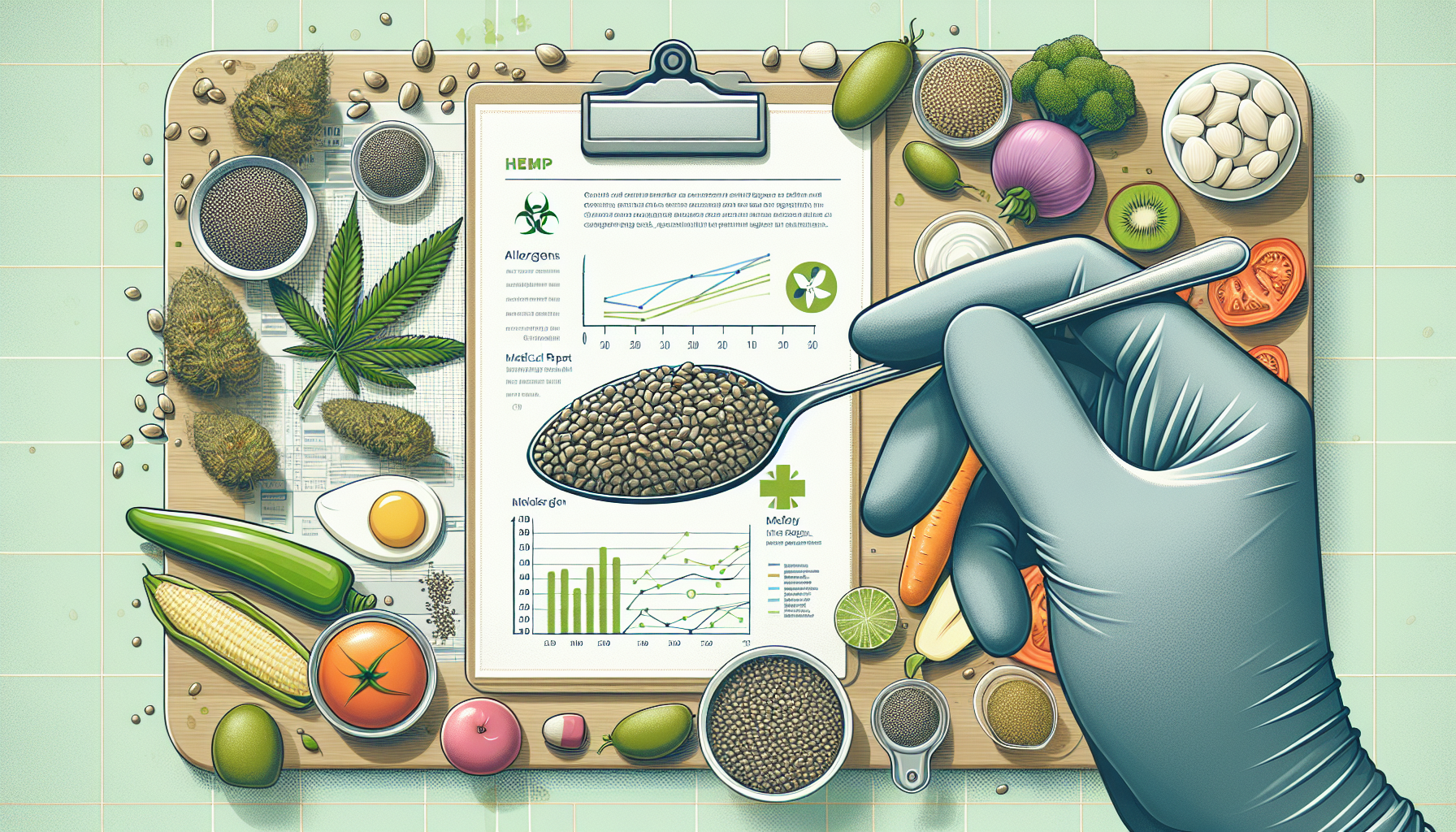
Hemp foods can play a practical role in weight management because they combine protein, fiber, and unsaturated fats in a way that supports fullness, balanced energy intake, and flexible meal planning. In this article, hemp foods refers to edible products made from hemp seed, including hemp hearts, hemp protein powder, hemp seed oil, and foods formulated with those ingredients. Weight management does not mean one rigid goal; in practice, it includes losing excess body fat, maintaining a stable weight, and building eating patterns that are easier to sustain over months and years. I have worked with hemp ingredients in consumer nutrition content, recipe development, and product evaluation, and the strongest benefit is not that hemp is a miracle food. The real value is that hemp foods are versatile, nutrient-dense, and easy to use in many eating patterns without adding much friction. That matters because successful weight management depends less on short-term restriction and more on consistent food choices that satisfy hunger, fit preferences, and support overall diet quality.
Hemp foods also matter because many people trying to manage weight struggle with the same issues: meals that are too low in protein, snacks that do not satisfy, and diet plans that become socially or practically difficult. Hemp ingredients help address those gaps. Hulled hemp seeds provide complete protein, including all nine essential amino acids, and they deliver polyunsaturated fats such as linoleic acid and alpha-linolenic acid. They also contribute minerals like magnesium, iron, zinc, and phosphorus. For consumers comparing plant-based options, hemp is useful because it can be added to familiar foods rather than requiring a complete dietary overhaul. This hub article explains how hemp foods fit into weight management and how they intersect with popular dietary patterns, from high-protein and plant-based eating to gluten-free, keto, Mediterranean, and dairy-free approaches. It is designed as a central resource so readers can understand the fundamentals, identify where hemp fits, and make informed choices based on goals, medical needs, and everyday routines.
How Hemp Foods Support Weight Management
The main reason hemp foods support weight management is satiety. Foods that help people stay full between meals tend to make calorie control easier without constant willpower. Hemp hearts contain protein and fat, a combination that generally slows digestion more than refined carbohydrates alone. When I evaluate foods for appetite support, I look for exactly that mix: enough protein to support meal structure, enough fat to improve satisfaction, and a format that works in breakfast, lunch, snacks, and dinner. Hemp seeds check those boxes. A few spoonfuls added to yogurt, oats, smoothies, or salads can improve the staying power of a meal.
Protein is especially relevant for weight management because it helps preserve lean mass during calorie reduction and has a higher thermic effect than fat or carbohydrate. Hemp protein powder can be useful for people who do not want dairy-based shakes or who need a plant-based option after workouts. It is not always as high in protein per serving as highly refined soy or pea isolates, but it often provides a more whole-food profile, including some fiber depending on processing. That matters because fiber is linked with fullness, digestive regularity, and better meal quality. For many people, the practical win is simple: replacing a low-protein breakfast with one containing hemp seeds or hemp protein often reduces mindless snacking later in the day.
There are limits. Hemp foods are calorie-dense, particularly hemp hearts and hemp seed oil, so portion awareness still matters. Weight management is about overall energy balance, not one ingredient. Hemp works best when it replaces less satisfying or more nutrient-poor foods, not when it is added indiscriminately on top of an already high-calorie diet. For example, sprinkling hemp hearts on a vegetable-rich grain bowl can improve nutrition and satiety. Pouring large amounts into multiple meals without adjusting other ingredients may not help with fat loss. Used strategically, hemp is effective because it improves food quality while remaining easy to integrate.
Comparing Hemp Ingredients for Different Goals
Not all hemp foods serve the same purpose. Hemp hearts are hulled seeds with a soft texture and mild, nutty flavor. They are the most versatile option for everyday use and work well when the goal is better satiety and nutrient density. Hemp protein powder is better suited to people prioritizing protein intake, especially athletes, older adults, or anyone following a reduced-calorie plan that needs more protein per meal. Hemp seed oil offers beneficial fats and a pleasant flavor, but it contains no meaningful protein or fiber, so it is less helpful as a primary tool for fullness. It is better viewed as a finishing oil within an overall healthy pattern.
| Hemp food | Best use for weight management | Key strengths | Main limitation |
|---|---|---|---|
| Hemp hearts | Adding satiety to meals and snacks | Complete protein, healthy fats, minerals, easy to sprinkle on foods | Portions can add calories quickly |
| Hemp protein powder | Boosting protein intake in smoothies and recipes | Supports fullness and lean mass retention, often includes fiber | Texture can be earthy or gritty depending on brand |
| Hemp seed oil | Flavoring salads or finished dishes | Rich in unsaturated fats, convenient for cold applications | Lacks protein and fiber, not ideal alone for satiety |
Choosing among these forms depends on the job you need the food to do. If your breakfast is low in protein, hemp hearts or hemp protein powder are usually the right answer. If you already eat enough protein but want a better fat source in dressings, hemp seed oil makes sense. Consumers often assume all hemp products are interchangeable. They are not. Reading the Nutrition Facts panel and ingredient list is essential, particularly in bars, granola, and packaged snacks that use hemp branding but include added sugars or refined starches that may work against weight goals.
Hemp Food and Specific Diets
Hemp foods fit naturally into several major diet patterns, which is why they are valuable in consumer education. In plant-based and vegan diets, hemp offers complete protein without soy or dairy. That can be important for people with allergies, intolerances, or personal preferences. In vegetarian meal planning, hemp hearts are one of the easiest ways to increase protein in breakfasts and salads without relying on heavily processed meat substitutes. For Mediterranean-style eating, hemp aligns well with the pattern’s emphasis on seeds, legumes, vegetables, whole grains, and unsaturated fats. While olive oil remains the defining fat in that diet, hemp foods can complement it by adding protein and texture.
For gluten-free diets, plain hemp hearts, hemp protein powder, and hemp seed oil are naturally gluten-free, though cross-contact controls and labeling still matter for people with celiac disease. In dairy-free eating, hemp can replace part of the protein that consumers often lose when they remove yogurt, milk, or whey products. In lower-carbohydrate approaches, hemp hearts are usually easier to fit than beans or grains because they provide protein and fat with relatively low carbohydrate content. Keto dieters often use hemp seeds in bowls, smoothies, and no-oat porridges, although total calorie intake still determines whether weight loss occurs.
High-protein diets are another common use case. Hemp can support these patterns, but consumers should compare protein density across sources. Per serving, hemp protein may contain less protein than whey isolate, casein, soy isolate, or some pea protein products. That does not make it inferior; it means it serves a different purpose. It often brings a broader matrix of nutrients and may be easier for people seeking a less refined product. In paleo-style eating, hemp foods are often included, though strict interpretations vary. For low-FODMAP diets, tolerance can depend on portion size and product formulation, so consumers with irritable bowel syndrome should test cautiously and consult a qualified clinician when needed.
Best Ways to Use Hemp in Meals and Snacks
The most effective way to use hemp foods for weight management is to improve meals you already eat regularly. Breakfast is usually the easiest place to start. Stir hemp hearts into overnight oats, blend hemp protein into a smoothie with berries and Greek-style dairy-free yogurt, or add seeds to scrambled eggs and sautéed vegetables. These changes raise protein and fat enough to reduce the midmorning crash that often leads to pastries or vending machine snacks. In my experience, consistency matters more than novelty. A simple breakfast repeated four or five times a week usually does more for weight control than an ambitious recipe made once.
At lunch and dinner, hemp hearts work well as a topping for soups, grain bowls, roasted vegetables, and salads. They can also be blended into sauces with lemon, herbs, and tahini for a creamier dressing that adds body and nutrition. Hemp protein powder can be used in energy bites, pancakes, muffins, and blended soups, but taste testing is important because flavor intensity differs by brand. Hemp seed oil should be kept for cold or low-heat uses; like many delicate oils rich in polyunsaturated fats, it is better as a finishing oil than as a high-heat frying fat.
For snacks, the key is pairing hemp with produce or another high-volume food. Apple slices with a hemp yogurt dip, cottage cheese or soy yogurt topped with hemp hearts, or chia-hemp pudding with berries are more useful for weight management than eating spoonfuls of seeds alone. Portioning helps. Pre-measuring servings into jars or snack containers reduces the common habit of overpouring. If convenience is the barrier, keeping hemp hearts near oats, smoothie ingredients, or salad toppings can make regular use almost automatic.
How to Evaluate Hemp Products and Label Claims
Consumers often encounter confusing packaging claims around hemp foods, especially in online marketplaces. The first step is to separate nutritional value from marketing language. Terms such as natural, clean, premium, and superfood do not tell you how useful a product is for weight management. The important information is on the label: serving size, calories, protein, fiber, added sugar, sodium, and total ingredient quality. A hemp granola cluster product may sound healthy but still deliver a dessert-like nutrient profile. A plain bag of hemp hearts may be the better choice even if the packaging looks less exciting.
Look for third-party testing, allergen statements, and clear storage instructions. Hemp seeds and oils contain unsaturated fats that can oxidize if handled poorly. Reputable brands use protective packaging and provide freshness guidance, often recommending refrigeration after opening. For consumers who use hemp protein regularly, texture, flavor, and mixability matter because adherence matters. A product with excellent numbers but unpleasant taste usually ends up unused. Price per serving is also worth calculating. Hemp can be cost-effective when used strategically, but some branded products charge a premium for convenience without delivering better nutrition.
It is also important to understand what hemp foods do not do. They are not intoxicating, and hemp seed products used as foods are distinct from products marketed for cannabinoids. They are also not a substitute for a balanced diet, regular activity, sleep, and medical care. If someone has kidney disease, a digestive disorder, food allergies, or is taking medications requiring dietary monitoring, personalized guidance is appropriate. Good nutrition advice respects context rather than pretending one food solves everything.
Common Questions About Hemp and Weight Goals
People often ask whether hemp seeds help with belly fat specifically. The direct answer is no single food targets abdominal fat loss. Body fat is reduced through sustained energy balance, resistance training, aerobic activity, stress management, and sleep. Hemp can support that process by making meals more satisfying and nutritionally balanced. Another common question is whether hemp foods cause weight gain because they contain fat. Fat does not inherently cause weight gain; excess calorie intake does. In realistic portions, the fat in hemp foods can actually improve satisfaction and reduce overeating later.
Another frequent question is whether hemp is better than chia, flax, or pumpkin seeds. The honest answer is that each has strengths. Chia and flax are typically stronger fiber sources, flax is notable for lignans, pumpkin seeds are often higher in certain minerals, and hemp stands out for complete protein and soft texture. Many healthy diets use more than one seed rather than treating them as competitors. Consumers also ask whether hemp protein is complete. Yes, hemp protein contains all essential amino acids, though amino acid distribution and digestibility can differ from animal proteins and more refined isolates. That is a nuance, not a deal-breaker.
Finally, people want to know how much hemp to eat. There is no universal prescription, but moderate daily use is usually the most practical approach. Start with small amounts, assess tolerance, and fit hemp into a balanced meal rather than using it as a standalone fix. If your goal is weight management, evaluate results over weeks, not days. The most effective plan is one you can repeat without feeling deprived.
Hemp foods deserve a place in weight management conversations because they solve a real problem: many people need meals that are more satisfying, more nutrient-dense, and easier to sustain within the diet pattern they already follow. Hemp hearts, hemp protein powder, and hemp seed oil each have different strengths, and understanding those differences helps consumers use them intelligently. Hemp hearts are the everyday workhorse for boosting satiety and meal quality. Hemp protein powder is useful when higher protein intake is the priority. Hemp seed oil adds healthy fats and flavor but is less helpful for fullness on its own.
As a hub for hemp food and specific diets, the central takeaway is simple: hemp is not tied to one philosophy of eating. It can fit plant-based, gluten-free, dairy-free, Mediterranean, lower-carbohydrate, and high-protein approaches when portions and product choices are aligned with the goal. The best results come from using hemp to replace less satisfying foods, checking labels carefully, and integrating it into repeatable meals and snacks. If you are building a practical plan for healthy weight management, start with one hemp food, use it consistently, and explore the related articles in this section to match hemp choices to your diet style and health needs.
Frequently Asked Questions
1. How can hemp foods support weight management?
Hemp foods can support weight management because they offer a useful combination of protein, fiber, and unsaturated fats, which are all nutrients associated with fullness and more stable eating patterns. Hemp hearts, hemp protein powder, and foods made with hemp seed ingredients can help make meals more satisfying, which may reduce the urge to snack constantly or overeat later in the day. That matters for people trying to lose excess body fat, maintain their current weight, or simply build a more consistent routine around balanced meals.
Protein is especially important because it helps support satiety and preserves lean body mass during calorie reduction. Fiber adds bulk and slows digestion, which can help meals feel more substantial. Unsaturated fats also contribute to satisfaction and can make simple foods like vegetables, yogurt, oatmeal, or smoothies more filling and enjoyable. Instead of thinking of hemp foods as a magic weight-loss product, it is more accurate to view them as practical tools that can improve the nutritional quality and staying power of meals. When used regularly in place of less balanced options, they can make it easier to manage hunger, energy intake, and meal planning over time.
2. Which hemp foods are best for fullness and appetite control?
For fullness and appetite control, hemp hearts and hemp protein powder are usually the most useful options. Hemp hearts provide protein and healthy fats in a versatile form that can be added to oatmeal, salads, yogurt, grain bowls, soups, or blended meals. Because they are easy to sprinkle onto everyday foods, they can improve satisfaction without requiring a major change in eating habits. Hemp protein powder can be even more targeted for appetite support because it allows you to increase the protein content of smoothies, overnight oats, pancakes, or snack recipes in a very direct way.
Hemp seed oil can still have a place in a weight-management plan, but it works a little differently. It contributes healthy unsaturated fats and can make meals more flavorful and satisfying, especially in dressings or drizzled over vegetables and grains. However, oil does not provide the same fiber or protein benefits as whole hemp seed ingredients, so it is usually best used as part of a balanced meal rather than as a primary satiety strategy. In general, people who are most focused on staying full between meals often benefit most from prioritizing hemp hearts and hemp protein foods first, then using hemp seed oil as a supporting ingredient for taste and meal quality.
3. Can hemp foods help with weight loss specifically, or are they better for weight maintenance?
Hemp foods can be useful for both weight loss and weight maintenance, depending on how they are used within the overall diet. For weight loss, the main advantage is that they can help create meals that are more satisfying and nutritionally balanced, which may make it easier to sustain a moderate calorie deficit without feeling deprived. For example, adding hemp hearts to a breakfast bowl or using hemp protein powder in a smoothie can increase meal satisfaction and reduce the likelihood of searching for extra snacks soon after eating. That can support better adherence to a structured eating plan.
For weight maintenance, hemp foods are just as valuable because maintaining weight usually depends on consistency rather than restriction. Meals that include protein, fiber, and healthy fats tend to be easier to repeat and more reliable for managing appetite day to day. Hemp ingredients can fit into many eating styles, including plant-forward, high-protein, lower-carb, or generally balanced diets, which makes them practical for long-term use. The key point is that hemp foods do not cause weight loss on their own. They support the behaviors that make weight goals more achievable, such as better meal composition, steadier hunger levels, and more flexible planning.
4. What are the best ways to add hemp foods to meals without overeating calories?
The most effective approach is to use hemp foods strategically, not excessively. A small serving of hemp hearts can be added to meals that are otherwise low in staying power, such as fruit-only breakfasts, light salads, or basic smoothies. This helps improve balance without turning the meal into something overly calorie-dense. Hemp protein powder can also be used to boost protein in a measured way, especially in breakfasts and snacks where people often fall short. It works well in smoothies with fruit and greens, mixed into oatmeal, or stirred into yogurt-based meals for more staying power.
Portion awareness matters because even nutritious foods can add up if they are used casually in several meals at once. Hemp seed oil is another example: it can improve flavor and satisfaction, but it is concentrated, so it is best used thoughtfully in dressings, marinades, or finishing drizzles rather than poured freely. In practice, the best strategy is to pair hemp foods with high-volume, nutrient-dense ingredients such as vegetables, fruit, beans, intact grains, and fermented dairy or fortified plant-based alternatives. That combination supports fullness, good nutrition, and calorie control at the same time. When hemp foods are used to improve meal quality rather than simply increase intake, they tend to fit very well into a weight-management plan.
5. Are hemp foods a good fit for plant-based or high-protein weight-management diets?
Yes, hemp foods are an excellent fit for plant-based and high-protein weight-management diets because they are flexible, easy to use, and compatible with many meal structures. For plant-based eaters, hemp hearts and hemp protein powder can help increase protein intake without relying entirely on soy, legumes, or heavily processed meat alternatives. They also add variety, which can make a healthy eating pattern more enjoyable and sustainable. Since long-term weight management depends heavily on consistency, that kind of flexibility is a real advantage.
For people following a higher-protein approach, hemp foods can be used to raise protein intake across the day, especially at breakfast or in snacks, where protein is often lower than ideal. They pair well with other high-protein foods such as Greek yogurt, cottage cheese, tofu, edamame, eggs, or legumes. At the same time, they contribute healthy fats and, in some forms, fiber, which helps create a more balanced meal than protein alone. The best results usually come from using hemp foods as one part of an overall eating pattern built around adequate protein, vegetables and fruit, smart portions, and regular meal timing. In that context, hemp foods are practical, nutrient-dense ingredients that can support both performance and long-term weight management.