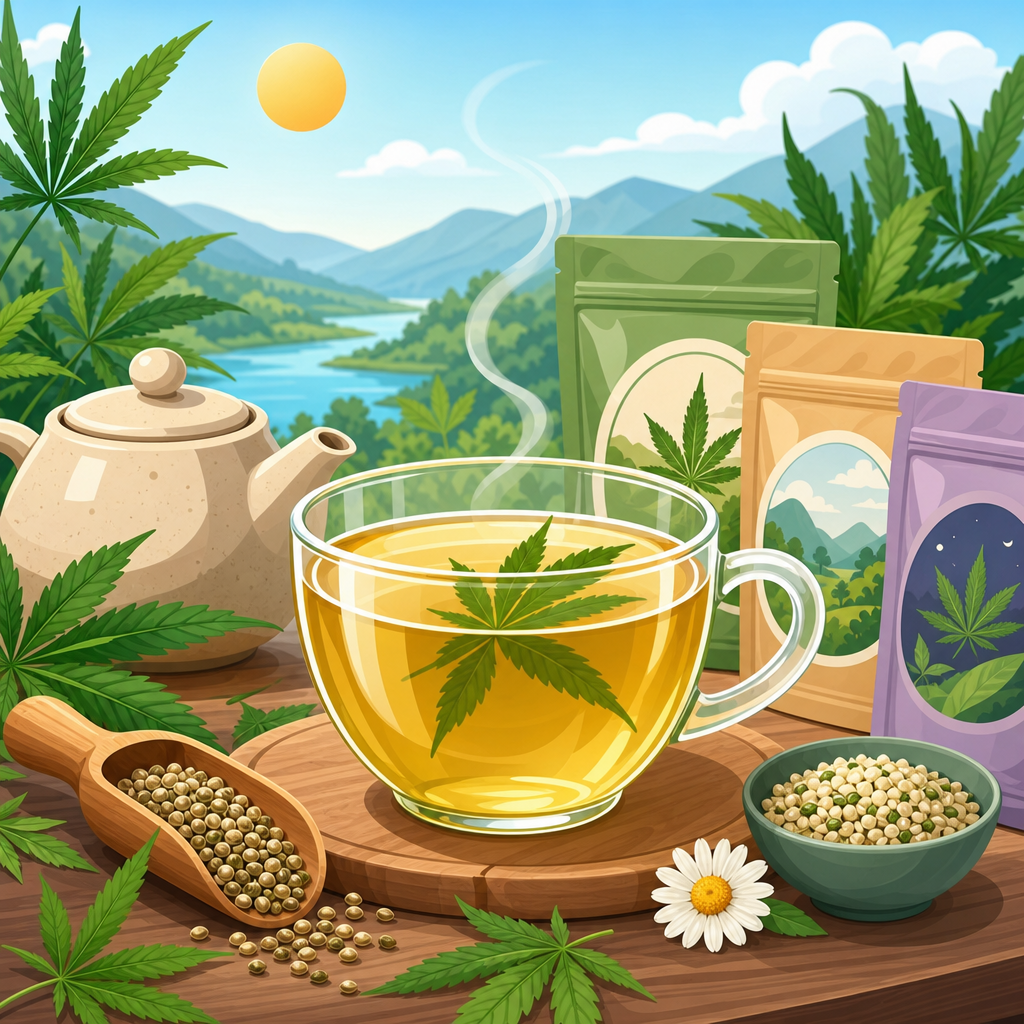
Hemp tea has become one of the most practical ways to explore hemp in beverages because it combines the ritual of herbal tea with the plant’s naturally occurring compounds, earthy flavor, and wide appeal to wellness-focused consumers. In this article, hemp tea refers to infusions made from hemp leaves, flowers, seeds, or blends that use legally compliant hemp containing only trace amounts of THC, while hemp in beverages includes ready-to-drink teas, sparkling waters, powdered mixes, coffee blends, and functional drink formulas. I have reviewed hemp products across several categories, and beverages consistently stand out because they are approachable, easy to dose, and simple to compare on taste, ingredients, and labeling quality. That matters for shoppers who want calm, flavor, or a caffeine-free routine without the guesswork that often comes with tinctures or gummies. It also matters for this broader hemp products and reviews hub, because beverages are where formulation quality becomes obvious fast: weak extraction tastes flat, poor flavor masking ruins the cup, and vague labeling makes brand trust difficult. Hemp tea sits at the center of this subtopic because it bridges traditional herbal preparation and newer functional beverage trends. A good hemp tea can support relaxation, pair with botanicals like chamomile or peppermint, and fit into daily habits without feeling medicinal. A bad one can be dusty, bitter, underdosed, or marketed with claims the product cannot support. Understanding the benefits, limits, and best brands helps buyers choose products that are enjoyable, compliant, and worth the price.
What hemp tea is and how it works
Hemp tea is usually made from dried hemp aerial parts, meaning the leaves, flowers, and sometimes stems, although some products also include hemp seed for nutrition and a softer, nuttier profile. The key distinction is that hemp tea is not the same as marijuana tea. Federally legal hemp in the United States must contain no more than 0.3 percent delta-9 THC by dry weight under the 2018 Farm Bill, and reputable brands formulate well below intoxicating levels for a standard serving. Most hemp tea products focus on non-intoxicating cannabinoids, especially CBD, plus terpenes and flavonoids that contribute aroma and character.
When steeped in hot water, tea extracts some water-soluble plant compounds and aromatic constituents, but cannabinoids themselves are fat-soluble, not water-soluble. That is why plain hemp flower tea may deliver a milder cannabinoid experience than oils or emulsified drinks. Better-formulated products address this in a few ways: they may use water-soluble hemp extract, add a carrier ingredient, combine hemp with botanicals that improve the drinking experience, or simply position the product as an herbal tea rather than a high-potency CBD delivery format. In product testing, I have found that brands are most trustworthy when they explain this clearly instead of implying that any hemp leaf teabag functions like a concentrated extract.
Consumers often ask whether hemp tea gets you high. The answer is no, if the tea is made from compliant hemp and sourced from a responsible brand with batch-specific certificates of analysis. They also ask whether it tastes like cannabis. Sometimes it does, slightly. Expect grassy, earthy, hay-like, or mildly resinous notes depending on the cultivar and processing, though many blends moderate those notes with lemongrass, rooibos, mint, ginger, lavender, or citrus peel.
Benefits of hemp tea for daily wellness routines
The biggest benefit of hemp tea is not that it delivers a miracle effect. Its value is that it offers a gentle, repeatable format for people who want a calming beverage, especially in the evening or during low-stimulation parts of the day. For many drinkers, the main appeal is routine. Brewing tea creates a pause, and hemp blends often layer that ritual with botanicals traditionally used for relaxation, digestion, or stress support. Chamomile, lemon balm, tulsi, passionflower, and peppermint are common partners because they make sensory and functional sense in the cup.
CBD-containing hemp tea may support a sense of calm for some users, although the effect depends on dose, extract type, body chemistry, and whether the formula improves cannabinoid absorption. Research on cannabidiol is ongoing, and the strongest evidence is not specifically about casual hemp tea sold at retail. That is why disciplined brands avoid disease claims and instead focus on experience-based positioning such as unwinding, settling into the evening, or replacing a second coffee. In practical terms, that is the right expectation. A cup of hemp tea is usually subtle. It may help people feel a bit more settled, but it is not a sedative and should not be marketed as one.
Another advantage is that hemp tea is often caffeine-free. That makes it useful for consumers who want a nighttime beverage without stimulants, or for those trying to cut back on coffee while keeping a comforting ritual. Some ready-to-drink hemp beverages take a different route by pairing hemp with green tea or adaptogens for daytime use, but classic loose-leaf or bagged hemp tea is usually better suited to evening. Digestive comfort can also be part of the appeal when blends include ginger, fennel, or mint. The important point is to evaluate the full formula, not just the word hemp on the front panel.
How to evaluate hemp tea quality before you buy
The fastest way to judge hemp tea quality is to read the label like a reviewer. Start with ingredient specificity. “Organic hemp aerial parts” is more informative than “proprietary hemp blend.” If a brand uses CBD extract, it should say whether the extract is full-spectrum, broad-spectrum, or isolate. Full-spectrum may include trace THC and a wider cannabinoid and terpene profile. Broad-spectrum removes or further minimizes THC while keeping additional hemp compounds. Isolate contains purified CBD and little else from the plant. Each has tradeoffs in flavor, legal comfort, and the likelihood of a more rounded hemp profile.
Next, look for third-party testing. A credible hemp tea brand publishes a current certificate of analysis from an independent laboratory showing cannabinoid potency and contaminant screening for heavy metals, pesticides, residual solvents, and microbial safety when relevant. This is standard due diligence in hemp reviews. Without it, consumers are relying on branding rather than evidence. The USDA organic seal, Good Manufacturing Practices, and transparent sourcing from U.S. or European hemp farms are also positive signals, though none replaces a batch test.
Packaging matters more than many buyers assume. Tea stored in clear bags or poorly sealed cartons loses aroma quickly, and hemp’s volatile terpenes are especially sensitive to heat, light, and oxygen. Pyramid sachets, foil-sealed envelopes, and airtight tins usually protect flavor better. Finally, compare price against usable information: servings, milligrams of CBD per serving if present, extraction method, and blend design. In my experience, the best products earn their price through clarity, not just premium branding.
Best hemp tea brands and what they do well
Several brands consistently stand out in the hemp in beverages category because they combine sensible formulation, clear labeling, and reliable sensory quality. Buddha Teas is widely recognized for simple herbal formulations and broad retail availability. Its hemp-focused teas are usually approachable for beginners because the blends lean familiar rather than aggressively cannabis-forward. The company’s tea-bag format and straightforward ingredient lists make it easy for shoppers to understand what they are buying.
The Brothers Apothecary has built a strong reputation specifically around hemp wellness teas. The brand is known for pairing hemp flower with complementary herbs such as chamomile, valerian, lemon balm, and peppermint, and it often communicates steeping guidance and sourcing in a way that feels informed rather than promotional. For buyers who want a more artisanal tea experience with a clearly hemp-centered identity, it is one of the more credible names in the category.
Traditional Medicinals has introduced hemp-containing options that fit comfortably within the established herbal tea market. That matters because the company already has trust with consumers who buy tea based on herb quality and purpose. When an established herbal brand enters hemp, it often raises the baseline for packaging, consistency, and formulation discipline. Depending on the exact product line available in your region, this can be an easy entry point for shoppers who value familiar standards.
Other brands to watch include niche CBD tea companies that focus on water-soluble extract technology or functional blends. These can be excellent, but they need stronger scrutiny. The best among them provide exact cannabinoid content per serving, explain whether the extract disperses in water, and publish current lab results. The weakest use vague language like “infused with hemp goodness” without enough detail to support comparison.
| Brand | Best For | Strengths | Watchouts |
|---|---|---|---|
| Buddha Teas | Beginners | Accessible blends, clear ingredients, easy to find | Effects may be mild if you want higher CBD content |
| The Brothers Apothecary | Herbal tea enthusiasts | Hemp-forward formulas, thoughtful botanicals, strong identity | Flavor can be more earthy and premium pricing is common |
| Traditional Medicinals | Mainstream shoppers | Established herbal credibility, consistent packaging, familiar standards | Selection may vary by market and hemp intensity may be modest |
| Niche CBD tea brands | Targeted functional use | Can offer defined CBD dosing and modern beverage tech | Quality varies sharply; testing and extract details are essential |
Hemp tea compared with other hemp beverages
As the hub page for hemp in beverages, it is useful to place hemp tea within the wider category. Ready-to-drink hemp beverages are convenient and often taste more polished than dry tea, especially when brands use emulsified cannabinoids for better dispersion. Sparkling hemp waters appeal to consumers who want a light, modern format, but they are often more expensive per serving and less ritual-driven than brewed tea. Hemp coffees create an interesting crossover market, yet caffeine can counter the calming expectations some consumers have when they buy hemp.
Powdered hemp drink mixes solve another problem: portability. They can provide more standardized cannabinoid delivery than loose herbal tea, particularly if the brand uses dispersible extract. The tradeoff is sensory authenticity. Many mixes taste engineered rather than naturally brewed. Tea remains strong because it aligns hemp with a familiar preparation method and allows botanicals to do real work in flavor design.
There is also a distinction between hemp seed beverages and cannabinoid-focused hemp beverages. Hemp seed drinks, including hemp milk, are nutritionally interesting because they provide essential fatty acids and plant protein, but they do not deliver the same cannabinoid profile as tea made from hemp flower or leaf. Consumers often confuse these categories. A complete hemp beverages guide should separate them clearly: hemp seed products are food-forward, while hemp tea and infused drinks are usually marketed for mood, routine, and plant experience.
Brewing, dosing, and safety considerations
To get the best cup, follow the brand’s steeping instructions first, then adjust. Most hemp tea benefits from water just off the boil and a steep time of five to ten minutes. Covered steeping helps retain volatile aroma compounds. If the formula is based on plain hemp flower rather than extract, some users add a small amount of fat, such as coconut milk, to improve cannabinoid uptake, though this is more relevant for homemade infusions than many commercial teabags. For loose-leaf products, using enough material matters; underfilling the infuser is one reason some first cups feel disappointing.
Dosing is where expectations need discipline. If a tea bag contains 5 to 15 milligrams of CBD, the experience is likely to be modest, especially compared with tinctures or gummies. If a product does not disclose cannabinoid content, assume the benefit is primarily herbal and sensory unless the brand provides evidence otherwise. Start with one serving, observe the effect, and avoid stacking multiple hemp products until you understand your response.
Safety is straightforward but important. People taking medications should speak with a clinician or pharmacist before using CBD-containing beverages because cannabidiol can affect how some drugs are metabolized, especially through cytochrome P450 pathways. Pregnant or breastfeeding consumers should avoid hemp products unless specifically cleared by a medical professional. Anyone subject to drug testing should be cautious with full-spectrum products, since repeated use of trace THC items can create risk depending on sensitivity, frequency, and test thresholds.
How this hemp in beverages hub helps you shop smarter
Hemp tea deserves its place as the anchor topic in hemp beverages because it teaches buyers how to evaluate the entire category. Once you know how to assess hemp source, extract type, third-party testing, flavor design, and serving clarity in tea, you can apply the same standards to sparkling drinks, coffee blends, powdered sachets, and other infused products. That is the central benefit of this sub-pillar hub: it gives you a framework for comparing formats instead of chasing marketing promises. The best hemp tea brands earn trust through transparent labeling, competent herbal blending, and realistic positioning. They do not promise dramatic results. They deliver a well-made beverage that fits into real life, whether your goal is a calming evening cup, a caffeine-free ritual, or a careful first step into hemp products. If you are building a smarter hemp routine, start with one reputable tea, keep your expectations grounded, and use this hemp in beverages hub to guide your next purchase with confidence.
Frequently Asked Questions
What is hemp tea, and how is it different from CBD tea or marijuana tea?
Hemp tea is an herbal infusion made from parts of the hemp plant, including the leaves, flowers, seeds, or blends that combine hemp with other botanicals such as chamomile, peppermint, ginger, or rooibos. In the context of wellness beverages, hemp tea typically comes from legally compliant hemp that contains only trace amounts of THC, which means it is not intended to produce an intoxicating effect. That is one of the most important distinctions between hemp tea and marijuana tea. Marijuana tea is made from cannabis varieties with higher THC content and may have psychoactive effects, while hemp tea is generally chosen for flavor, routine, and a gentler plant-based experience.
CBD tea is related but not exactly the same. Some hemp teas naturally contain hemp-derived compounds because they are made from the plant itself, but CBD tea usually refers to a product formulated with added cannabidiol, often from hemp extract, isolate, or broad-spectrum oil. In other words, all CBD teas may fall under the broader hemp beverage category, but not all hemp teas are specifically CBD teas. Consumers often choose traditional hemp tea for its earthy taste and whole-plant appeal, while others seek CBD tea when they want a clearly labeled amount of CBD per serving. Reading the label matters, because the ingredient list, cannabinoid content, and intended use can vary significantly from one product to another.
What are the potential benefits of drinking hemp tea?
Many people turn to hemp tea because it offers a simple, approachable way to add hemp to a daily beverage routine. One major benefit is the experience itself: hemp tea fits naturally into the familiar ritual of brewing and sipping herbal tea, which many consumers already associate with relaxation, mindfulness, and comfort. Beyond that, hemp tea may contain naturally occurring plant compounds, including cannabinoids in trace or modest amounts depending on the product, as well as terpenes and other botanical components that contribute to aroma, taste, and overall character. Products that include hemp flowers or fuller-spectrum hemp ingredients may appeal to consumers who want a more complete plant profile rather than a highly isolated ingredient.
Another advantage is versatility. Hemp tea is available in classic tea bags, loose-leaf blends, ready-to-drink bottled teas, sparkling beverages, powdered drink mixes, and even coffee-hemp combinations. That range makes it easier for different types of consumers to find a format that suits their schedule and preferences. Some prefer a calming evening tea, while others like a daytime beverage blended with citrus, green tea, or adaptogenic herbs. It is also popular with wellness-focused shoppers who want an option that feels more grounded and functional than sugary soft drinks. That said, effects can vary by formula, serving size, and individual response, so the best approach is to choose a reputable product and view hemp tea as one part of a broader lifestyle rather than a cure-all.
Will hemp tea make you feel high or cause a failed drug test?
In most cases, standard hemp tea made from legally compliant hemp is not expected to make you feel high because it contains only trace amounts of THC. Hemp products sold through reputable channels are typically formulated to stay within legal THC limits, and many are designed specifically for consumers who want the plant experience without intoxication. However, “not intoxicating” does not mean “contains absolutely nothing.” Depending on the ingredients, some hemp teas may include small amounts of naturally occurring cannabinoids, especially if they use flowers or fuller-spectrum hemp material. That is why consumers should not assume every product is identical simply because it is labeled as hemp tea.
Drug testing is a separate issue and deserves caution. While many hemp beverages are unlikely to create a problem when used occasionally, there is no universal guarantee, especially with frequent use, higher serving volumes, or products that contain full-spectrum hemp extracts. People who are subject to workplace drug testing, athletic screening, or legal compliance programs should look closely at third-party lab reports, THC disclosures, and brand transparency before buying. If avoiding THC exposure is a top priority, broad-spectrum or THC-free labeled products may be a better fit, but even then it is wise to verify testing documentation rather than rely on packaging language alone. Reputable brands make certificates of analysis easy to access and clearly explain what is and is not in the product.
How do you choose the best hemp tea brand?
The best hemp tea brand is usually the one that combines quality sourcing, clear labeling, reliable testing, and a flavor profile you will actually enjoy drinking regularly. Start by checking what part of the hemp plant is used. Teas made with hemp flowers and leaves may offer a different sensory experience than blends focused on hemp seeds or products that simply add hemp extract to a standard herbal tea base. Then look at the full ingredient list. A strong brand is transparent about whether the beverage contains plain hemp, added CBD, other cannabinoids, sweeteners, botanicals, caffeine, or functional ingredients such as turmeric, lemon balm, or mushrooms. This helps you match the product to your goals, whether that is an evening wind-down tea, a daytime wellness drink, or a sparkling ready-to-drink option.
Third-party testing is one of the most important quality markers. Established brands typically provide certificates of analysis showing cannabinoid content and screening for contaminants such as pesticides, heavy metals, residual solvents, or microbes. It is also worth reviewing where the hemp is grown and how it is processed, since cultivation practices and extraction methods can affect both quality and consistency. Beyond technical quality, practical factors matter too: taste, aroma, brewing ease, price per serving, and customer reviews. The strongest brands usually balance compliance and transparency with a product that feels enjoyable and convenient, because even a premium hemp tea will not become part of your routine if the flavor is harsh or the instructions are confusing.
What are the best ways to brew and enjoy hemp tea for flavor and effectiveness?
Brewing hemp tea well starts with understanding the format you are using. Tea bags and ready-to-drink products are the easiest options because the serving is already portioned, while loose-leaf blends give you more control over strength and flavor. In general, hot water and a slightly longer steep time help draw out the herbal character of hemp, which is often described as earthy, grassy, nutty, or subtly floral depending on the blend. Many drinkers find that hemp pairs especially well with ingredients that round out its profile, such as mint, lemon, ginger, cinnamon, lavender, or chamomile. If you are new to the flavor, choosing a blend rather than a pure hemp infusion can make the experience more approachable.
For beverages formulated with hemp extracts or cannabinoids, following the brand’s directions is important because preparation can affect consistency. Some consumers also prefer to add a small amount of fat, such as milk or a plant-based creamer, when drinking hemp teas that contain cannabinoids, since these compounds are fat-soluble. Taste-wise, hemp tea works well both hot and iced, and many modern brands offer sparkling waters, bottled teas, powdered sachets, and coffee blends for consumers who want more than the traditional mug-and-kettle experience. The best way to enjoy it is to start with a moderate serving, pay attention to how the product fits into your routine, and choose a format and flavor that you can use consistently. When the beverage is pleasant and convenient, it is far more likely to become a satisfying part of a long-term wellness ritual.