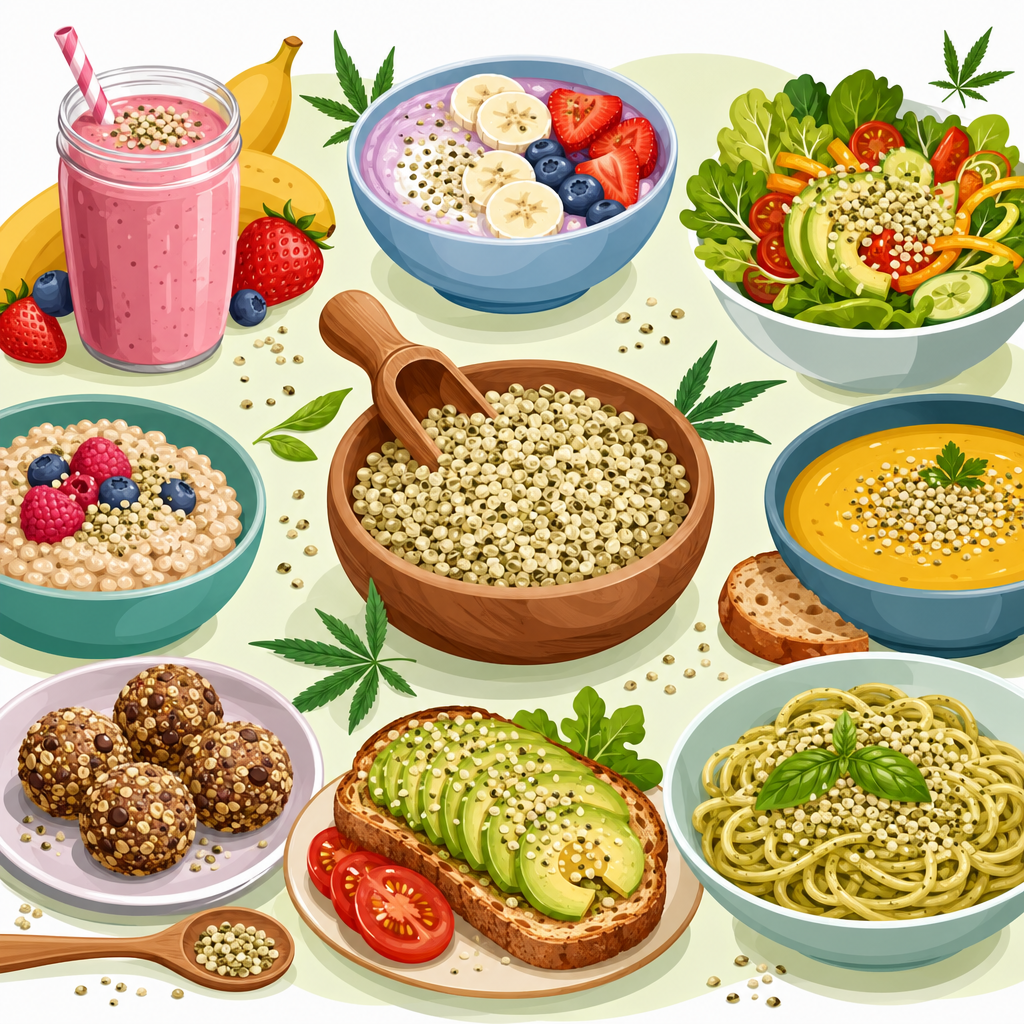
Using hemp for better digestive health starts with understanding what hemp is, how it works in the body, and why gut function affects far more than occasional bloating or regularity. Hemp typically refers to varieties of Cannabis sativa bred to contain very low levels of THC, the psychoactive compound associated with marijuana. In consumer health products, hemp appears most often as hemp seeds, hemp seed oil, hemp protein, and hemp-derived cannabinoids such as CBD. Each form interacts with digestive health differently. Seeds and protein contribute fiber, healthy fats, and minerals that support bowel regularity and the gut lining. Hemp seed oil supplies essential fatty acids that influence inflammation. Cannabinoid products may affect gut comfort, appetite, nausea, and the gut-brain axis through the body’s endocannabinoid system. Digestive health matters because the gastrointestinal tract is responsible for breaking down food, absorbing nutrients, supporting immune balance, and signaling the brain. When digestion is off, people often notice constipation, diarrhea, cramping, reflux, irregular appetite, or fatigue. In my work reviewing consumer hemp products and their formulations, the most common mistake I see is treating all hemp products as interchangeable. They are not. A person looking for more fiber should not expect the same result from a cannabinoid tincture, and someone managing post-meal discomfort may not benefit much from hulled seeds alone. This article explains the health benefits of hemp for digestion in plain terms, covers where evidence is strongest, and helps readers choose realistic, safe uses.
How Hemp Supports Digestive Health
The digestive benefits of hemp come from several mechanisms, and the best-known one is nutrition. Whole hemp seeds contain a balance of protein, unsaturated fat, and some fiber, while hemp hearts contain less fiber because the outer hull is removed. If digestive regularity is the goal, whole hemp seed, hemp flour, or hemp protein blends usually help more than hemp hearts alone. Fiber adds bulk to stool, supports motility, and feeds beneficial gut microbes that produce short-chain fatty acids such as butyrate. Those compounds help maintain the intestinal barrier and influence inflammation. Hemp seeds also provide magnesium, which supports muscle function, including intestinal muscle contractions involved in normal bowel movements.
Fat composition is another important factor. Hemp seed oil contains linoleic acid, alpha-linolenic acid, and gamma-linolenic acid. These fatty acids contribute to healthy inflammatory signaling. While hemp seed oil is not a cure for inflammatory bowel disease or irritable bowel syndrome, diets that include a healthy balance of omega-6 and omega-3 fats are associated with better overall metabolic and inflammatory health, which can indirectly support the gastrointestinal tract. In practical use, I have seen consumers tolerate small daily amounts of hemp seed oil well when added to smoothies, yogurt, or salad dressings, especially when they start with low doses.
Hemp-derived cannabinoids add a separate layer. The gut contains cannabinoid receptors and signaling molecules as part of the endocannabinoid system. This system helps regulate motility, visceral sensitivity, nausea, appetite, and immune activity in the intestines. CBD does not work like dietary fiber, but some adults report that it helps them feel calmer around meals, less nauseated, or less reactive to stress-related digestive discomfort. Stress matters because the gut-brain axis is real: anxiety can alter motility, increase sensitivity, and worsen conditions such as IBS. That said, evidence is mixed, and cannabinoids should be framed as supportive tools, not guaranteed digestive solutions.
Best Hemp Forms for Common Digestive Goals
Different products fit different digestive concerns. Choosing the right form saves money and avoids frustration. The comparison below reflects what I recommend most often when helping readers match a hemp product to a realistic digestive objective.
| Hemp form | Main digestive benefit | Best use case | Key limitation |
|---|---|---|---|
| Whole hemp seeds | Fiber, healthy fats, minerals | Constipation support, daily gut nutrition | Some people need to increase intake slowly to avoid gas |
| Hemp hearts | Protein and fats with easier texture | People wanting nutrient density without much bulk | Lower fiber than whole seeds |
| Hemp protein powder | Added fiber and plant protein | Smoothies, meal support, satiety | Texture can be gritty; formulas vary widely |
| Hemp seed oil | Essential fatty acids | Inflammation-conscious diets, gentle fat support | No meaningful fiber |
| CBD oil or capsules | Potential support for nausea, stress-related gut discomfort, appetite balance | Adults exploring gut-brain support | Not a fiber source; medication interactions are possible |
For constipation, products with intact fiber usually offer the clearest benefit. A tablespoon or two of whole hemp seed mixed into oatmeal, or a hemp protein smoothie paired with adequate water, is more likely to help stool consistency than oil alone. For people dealing with appetite loss, morning nausea, or stress-triggered cramping, a carefully selected cannabinoid product may be more relevant. For general wellness, many households do best by combining food-based hemp with a consistent eating pattern rather than chasing quick fixes.
What the Evidence Says About Hemp and the Gut
Evidence for the health benefits of hemp is strongest when discussing nutrient contribution and weakest when claims become too disease-specific. We know fiber supports bowel health, microbiome diversity, and regularity. We know unsaturated fats influence inflammatory pathways. We know the endocannabinoid system is involved in gastrointestinal signaling. Those are established foundations. What is less settled is exactly how much benefit a specific hemp product will provide for a condition such as IBS, Crohn’s disease, ulcerative colitis, or chronic nausea, especially outside clinical supervision.
Research on CBD and digestive symptoms is promising but not definitive. Some studies and observational reports suggest cannabinoids may reduce nausea, improve appetite in certain contexts, and modify abdominal discomfort or motility. However, study quality varies, products are not always standardized, and doses differ widely. CBD can also cause diarrhea in some people, especially at higher doses or when carried in certain oils. That is why a balanced review matters. If a brand claims its hemp extract “heals the gut” or “cures IBS,” that is a red flag. Trustworthy guidance stays closer to what evidence can actually support: hemp may contribute to better digestive health as part of nutrition, routine, and symptom management, but it is not a substitute for diagnosis or medical treatment.
Standards matter here. Reputable hemp ingestibles should have third-party certificates of analysis confirming cannabinoid content, contaminant screening, and legal THC compliance where applicable. For food products, ingredient transparency is equally important. I advise readers to check whether a hemp protein includes gums, sugar alcohols, inulin, or artificial flavors, because those additives can cause bloating even when hemp itself is well tolerated.
Digestive Conditions Where Hemp May Help
Hemp may be useful across several digestive scenarios, but the mechanism differs in each one. For mild constipation, fiber-rich hemp foods can support stool bulk and transit time. For inconsistent satiety or blood sugar swings that affect eating patterns, hemp seeds and hemp protein can make meals more sustaining because they combine fat, protein, and fiber. For people whose stomach feels unsettled during periods of stress, cannabinoid products may support the gut-brain connection by promoting calm and reducing perceived discomfort, though responses vary.
People with IBS often ask whether hemp is helpful. The practical answer is yes, sometimes, but product selection is everything. In constipation-predominant IBS, some consumers do better with gradual fiber introduction from whole hemp foods. In diarrhea-predominant IBS, too much fiber or oil at once can backfire, and a lower dose approach is better. In stress-sensitive IBS, CBD may be worth discussing with a clinician, especially when anxiety clearly amplifies symptoms. For inflammatory bowel diseases such as Crohn’s or ulcerative colitis, hemp foods can be part of a nutrient-dense diet, but they should not replace prescribed care. During flares, some high-fiber foods are harder to tolerate, so timing and texture matter.
Nausea is another area of interest. Some adults exploring hemp-derived cannabinoids report benefit with low-dose CBD, particularly when nausea is linked to stress or treatment side effects. Still, nausea has many causes, from reflux to gallbladder disease to pregnancy, and self-treating without evaluation can delay needed care. Persistent digestive symptoms always deserve context, not just symptom suppression.
How to Use Hemp Safely and Effectively
The safest way to use hemp for better digestive health is to match the product to the symptom, start low, and monitor response. For food products, begin with small servings. One tablespoon of hemp seeds daily is a reasonable starting point, increasing gradually with water intake. That slow ramp reduces the chance of gas or abdominal fullness. If using hemp protein, check the label for fiber per serving and test half a scoop before using a full serving. Many digestive complaints blamed on protein powders come from sweeteners or thickening agents, not the protein source itself.
For hemp seed oil, use it as a cold food oil rather than a high-heat cooking oil, since delicate fatty acids degrade with excessive heat. For CBD or other hemp-derived cannabinoid products, choose brands that provide batch-specific lab reports, clear milligrams per serving, and uncomplicated carrier ingredients. Start with the lowest practical dose, take it consistently for several days, and watch for both benefits and side effects. Common side effects can include sleepiness, dry mouth, appetite changes, and loose stool. CBD can interact with medications metabolized through liver enzyme pathways, including some anticoagulants, antiseizure drugs, and other prescription medicines. That makes pharmacist or clinician review important.
There are also population-specific considerations. People with seed allergies should avoid hemp seed products unless cleared by an allergist. Anyone pregnant, breastfeeding, or managing complex gastrointestinal disease should consult a qualified clinician before using cannabinoid products. Children should only use such products under professional guidance. Good digestive support is rarely about one ingredient alone. Hemp works best alongside basics that still matter most: hydration, meal regularity, movement, sleep, and a diet that includes diverse plant foods.
How This Hub Fits the Bigger Picture of Hemp Wellness
Digestive health is one of the most practical entry points into the broader health benefits of hemp because it shows how different forms of hemp serve different physiological roles. Hemp foods support daily nutrition. Hemp oil contributes beneficial fats. Cannabinoid products may influence comfort, appetite, and the gut-brain axis. Together, they illustrate a larger truth that consumers often miss: hemp is not one product category but a family of tools. Understanding that distinction makes it easier to explore related topics such as hemp for inflammation, sleep quality, stress management, skin health, exercise recovery, and general wellness routines.
As a hub article, this overview should help readers know what questions to ask next. Are you mainly trying to improve regularity, reduce bloating triggers, support calm digestion, or upgrade everyday nutrition? The answer determines whether you should read more about hemp seeds, CBD product quality, serving sizes, medication interactions, or gut-friendly meal planning. When readers approach hemp this way, outcomes are usually better because expectations are grounded in function rather than marketing language.
Using hemp for better digestive health is most effective when you choose the right format for the right goal, rely on evidence instead of hype, and build it into a realistic routine. Whole hemp foods can support regularity, satiety, and nutrient intake. Hemp seed oil can strengthen an anti-inflammatory eating pattern. Hemp-derived cannabinoids may help some adults with nausea, appetite balance, or stress-related digestive discomfort, but they require careful product selection and attention to interactions. The main benefit is not a miracle cure. It is a practical, versatile way to support gut health through nutrition and targeted supplementation. If you are exploring the health benefits of hemp, start with your digestive goal, review product labels carefully, and choose one well-matched hemp product to try consistently and responsibly.
Frequently Asked Questions
1. What forms of hemp are most commonly used for digestive health, and how are they different?
Hemp is not a single digestive product, but a category that includes several forms with different nutritional profiles and effects in the body. The most common options are hemp seeds, hemp seed oil, hemp protein, and hemp-derived cannabinoids such as CBD. Hemp seeds are often the most broadly useful for digestive support because they contain fiber, healthy fats, and plant protein. The fiber in whole hemp seeds can help support regular bowel movements and feed beneficial gut bacteria, while their fats may help support the intestinal lining and overall digestive comfort. Hemp seed oil, by contrast, contains beneficial fatty acids but little to no fiber, so it may support inflammation balance and nutrient intake without directly improving bowel regularity in the same way whole seeds can.
Hemp protein is typically made from ground hemp seeds after some of the oil has been removed. It can be easier to add to smoothies or meals and may be useful for people who want plant-based protein that is often gentler than some dairy-based powders. However, the exact fiber content varies by product, so not all hemp protein powders provide the same digestive benefit. Hemp-derived CBD is different from hemp foods because it is used primarily for its interaction with the body’s endocannabinoid system rather than for fiber or macronutrients. Some people use CBD in the hope of supporting gut comfort, stress response, or digestive balance, but its effects can vary from person to person and product to product.
For many people, the best starting point is choosing the form that matches the digestive goal. If the goal is more regularity and daily gut nourishment, whole hemp seeds or fiber-rich hemp foods may be most practical. If the goal is adding healthy fats, hemp seed oil may fit better. If the goal involves digestive comfort that may be influenced by stress or inflammatory processes, some people explore hemp-derived CBD, ideally with guidance from a healthcare professional. Understanding these differences is important because “hemp” on a label does not automatically mean the product supports digestion in the same way.
2. How can hemp support digestive health and gut function?
Hemp may support digestive health through several overlapping mechanisms, depending on the form used. One of the most important is fiber, especially from whole hemp foods. Fiber helps move waste through the digestive tract, supports stool consistency, and contributes to regularity. Just as important, certain types of fiber act as fuel for beneficial gut microbes. A healthy gut microbiome is linked not only to digestion, but also to immune function, inflammation balance, and even mood regulation. Because gut health affects much more than occasional bloating, foods that support microbial diversity and bowel function can have broader wellness benefits over time.
Hemp is also valued for its fatty acid profile, particularly omega-3 and omega-6 fats in a ratio that many experts consider favorable for general health. These fats help support cell membranes throughout the body, including those involved in the gastrointestinal tract. While hemp is not a cure for digestive disorders, diets that include anti-inflammatory nutrients may help support the integrity and comfort of the gut environment. In practical terms, that can mean hemp foods become part of a balanced eating pattern that promotes better digestive resilience rather than acting as a quick fix.
Another layer involves the endocannabinoid system, a signaling network in the body that helps regulate many processes, including appetite, stress response, pain perception, and aspects of gastrointestinal function. Hemp-derived cannabinoids such as CBD may interact indirectly with this system. Researchers are still studying exactly how this affects digestion, but interest has grown around CBD’s possible role in supporting gut comfort, stress-related digestive symptoms, and overall homeostasis. That said, digestive responses are highly individual, and hemp products should be viewed as supportive tools within a broader strategy that includes diet quality, hydration, stress management, sleep, and medical care when needed.
3. Is hemp good for bloating, constipation, or an unbalanced gut microbiome?
Hemp can be helpful for some common digestive complaints, but the benefit depends on the symptom, the product used, and the person’s overall diet and health status. For constipation, hemp foods that contain fiber may be especially useful. Whole hemp seeds and some hemp protein products can contribute to total daily fiber intake, which supports bowel movement frequency and stool bulk. However, people often expect results from hemp seed oil alone, and that is where confusion can happen. Oil may provide healthy fats, but it does not replace the fiber needed for regularity. If constipation is the primary concern, a fiber-containing hemp product is generally more relevant than oil by itself.
Bloating is more complex. In some people, adding fiber gradually can improve digestion over time by supporting more regular elimination and gut microbial balance. In others, especially those who increase fiber too quickly or have sensitive digestion, bloating may temporarily worsen. This is why it is usually best to start with a small amount of hemp foods, drink plenty of water, and increase intake slowly. If bloating is driven by food intolerances, irritable bowel syndrome, or another gastrointestinal issue, hemp may or may not help depending on the underlying cause.
As for the gut microbiome, fiber-rich hemp foods may contribute positively by feeding beneficial bacteria and supporting a healthier intestinal environment. No single food can “fix” the microbiome, but consistent intake of diverse plant foods, including seeds like hemp, may support microbial diversity and digestive balance over time. If symptoms such as constipation, diarrhea, pain, reflux, or persistent bloating continue despite dietary changes, it is important not to rely solely on hemp products. Ongoing digestive symptoms can signal a condition that requires proper evaluation and treatment.
4. Does hemp-derived CBD help with digestive issues, and is it the same as hemp food?
Hemp-derived CBD is not the same as hemp foods such as hemp seeds, hemp seed oil, or hemp protein. Hemp foods are primarily nutritional products that provide fats, protein, minerals, and sometimes fiber. CBD, on the other hand, is a cannabinoid extracted from hemp and used for its potential regulatory effects in the body. It does not provide the same nutritional digestive benefits as eating hemp seeds, and it should not be thought of as a source of fiber or a replacement for a gut-supportive diet.
Some people use CBD in hopes of easing digestive discomfort, especially when symptoms appear to be connected to stress, gut sensitivity, or inflammatory pathways. The reason CBD gets attention in this area is its relationship to the endocannabinoid system, which plays a role in maintaining balance across several bodily functions, including parts of gastrointestinal activity. Early research and anecdotal reports suggest CBD may help some individuals with digestive comfort, but the evidence is still evolving, and results are not universal. Quality, dose, product formulation, and individual biology all matter.
It is also important to approach CBD carefully. Not all products are equally tested or labeled accurately, and some may contain additional ingredients that affect digestion. CBD can also interact with medications, so anyone with a medical condition, a diagnosed digestive disorder, or a prescription regimen should talk with a healthcare professional before using it. In short, hemp-derived CBD may play a supportive role for some people, but it is distinct from hemp foods and should be treated as a separate category with different benefits, limitations, and safety considerations.
5. What is the best way to add hemp to a digestive health routine safely and effectively?
The most effective way to add hemp to a digestive health routine is to match the product to the goal and introduce it gradually. If the goal is better regularity and broader gut support, start with a small serving of whole hemp seeds or a fiber-containing hemp product added to foods you already tolerate well, such as oatmeal, yogurt alternatives, smoothies, or salads. Starting small gives the digestive system time to adjust, which is especially important for people who are not used to higher-fiber foods. Increasing fluid intake at the same time is also important, because fiber works best when paired with adequate hydration.
If the goal is nutritional support without much extra bulk, hemp seed oil may be easier to incorporate. It can be drizzled over vegetables, blended into dressings, or added to cold foods. If plant-based protein is the focus, hemp protein powder can be included in smoothies or mixed into recipes, though it is wise to check the label for fiber content, additives, and sweeteners that may influence digestion. For people considering hemp-derived CBD, it is best to choose third-party tested products from reputable manufacturers and to begin with a conservative dose. Monitoring how the body responds over several days can help identify whether the product is supportive or irritating.
Safety matters as much as effectiveness. People with seed allergies, digestive disorders, medication use, pregnancy, or ongoing gastrointestinal symptoms should check with a qualified healthcare provider before making major changes. Hemp can be a useful part of a digestive wellness plan, but it works best alongside the fundamentals: a varied fiber-rich diet, enough water, physical activity, stress management, and attention to symptoms that may need medical evaluation. Used thoughtfully, hemp can complement a gut-friendly lifestyle rather than serve as a stand-alone solution.