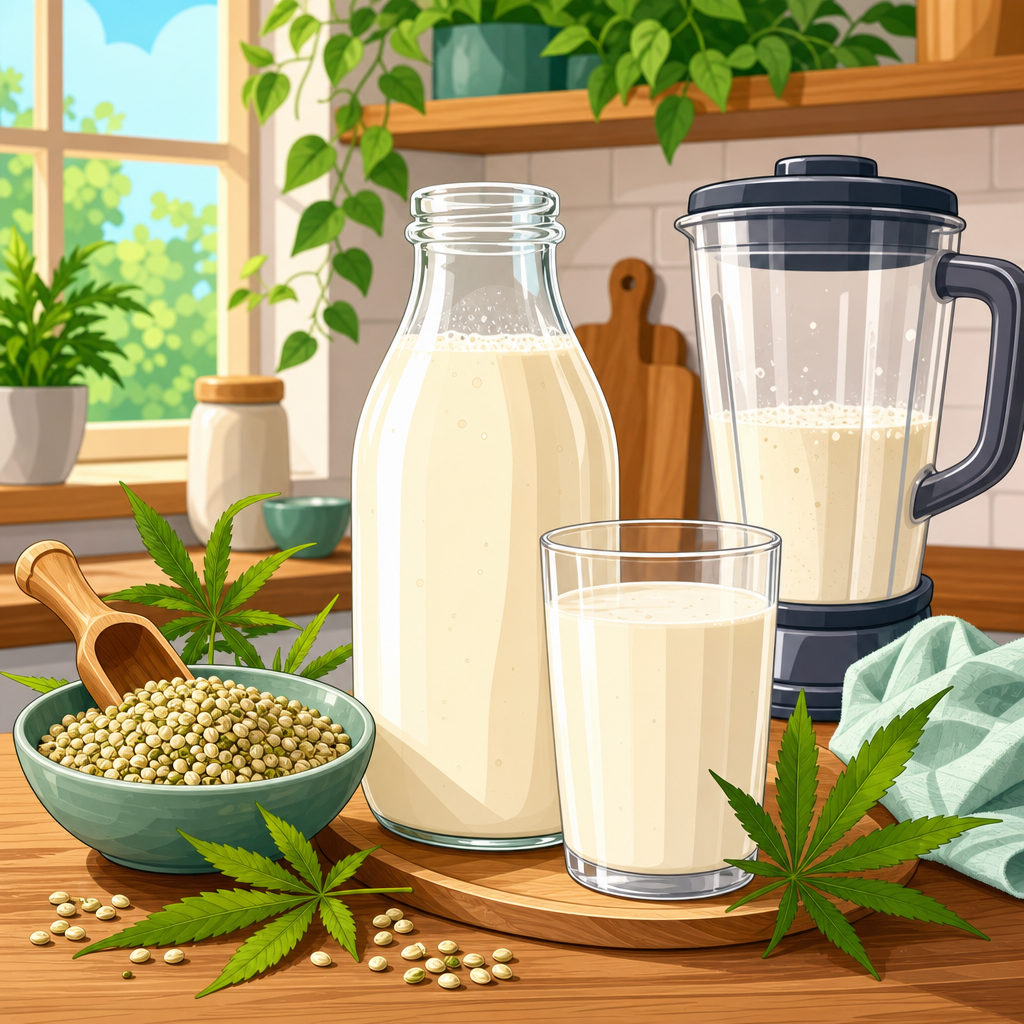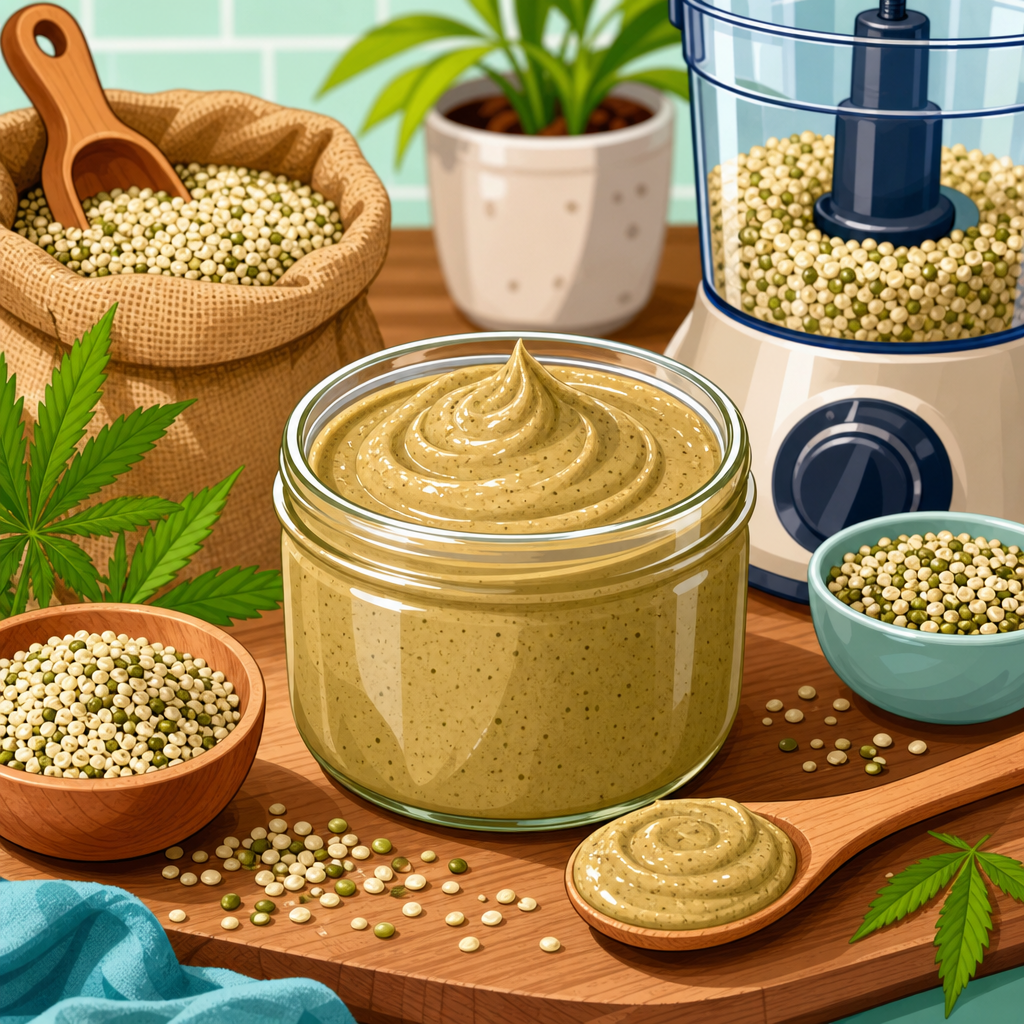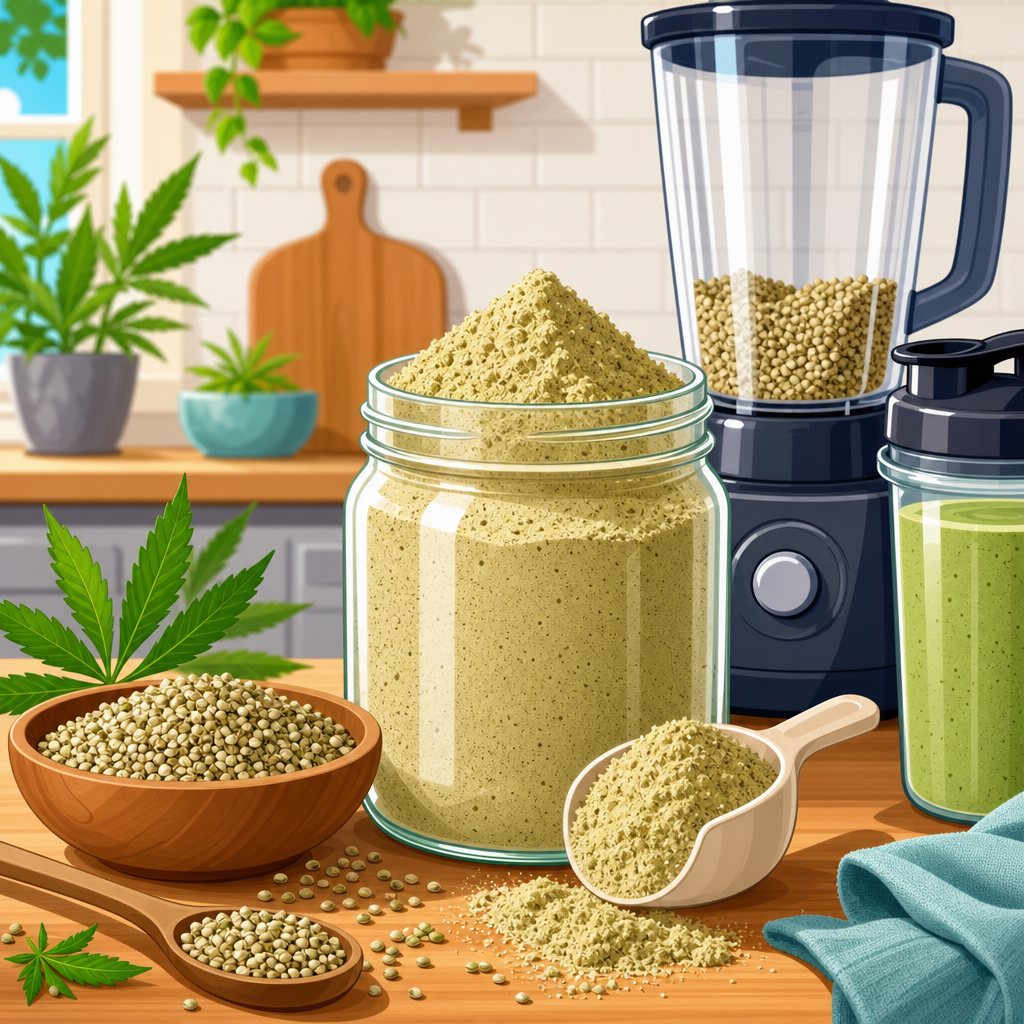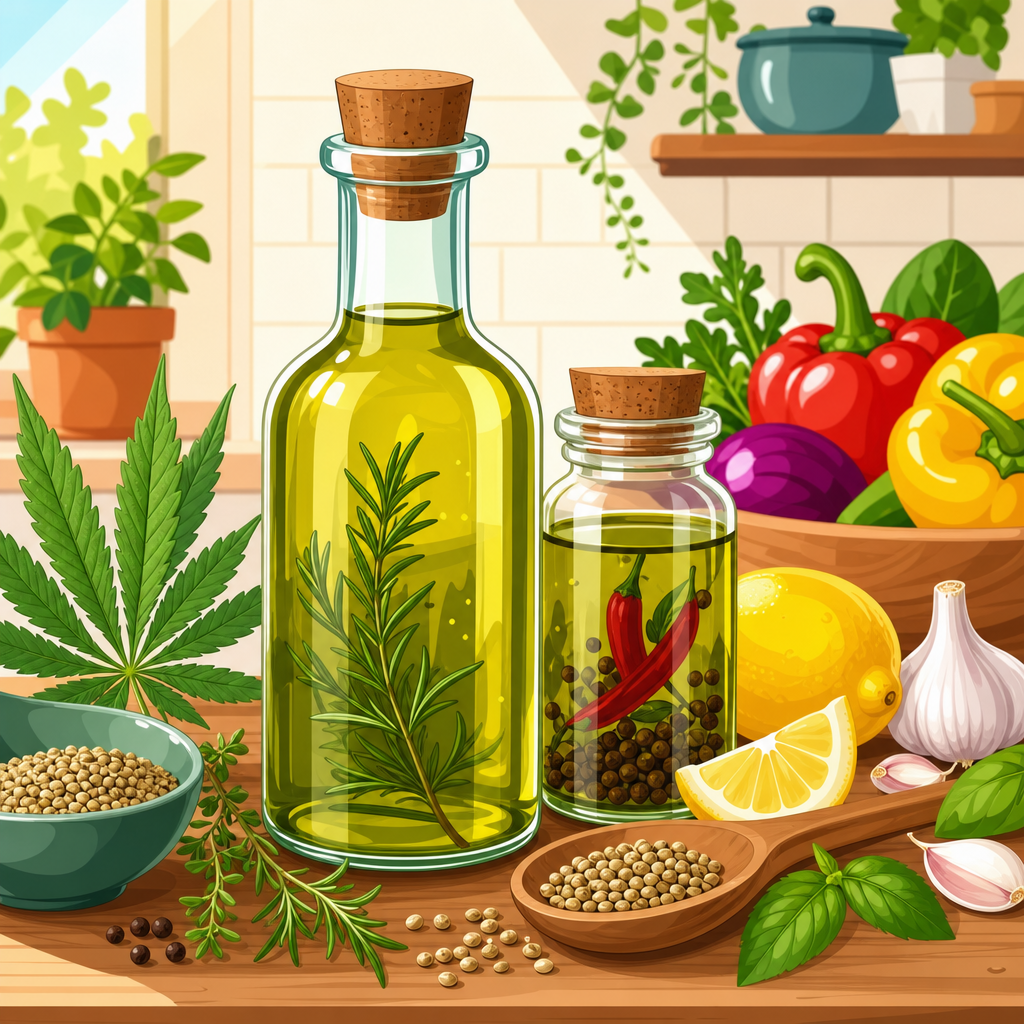
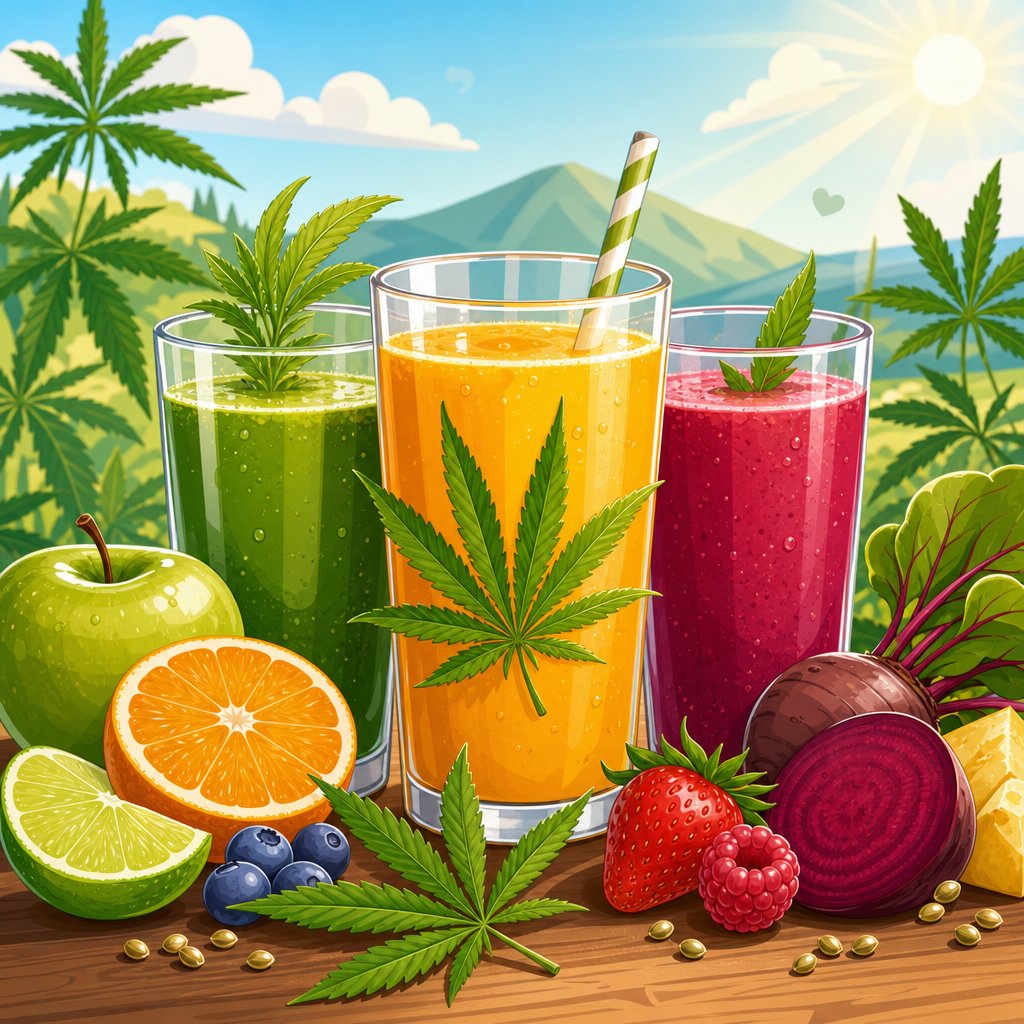
Hemp-infused juices have moved from niche wellness shelves into mainstream beverage discussions because they combine familiar fruit and vegetable nutrition with compounds from hemp that many consumers associate with balance, recovery, and daily wellness. In the beverage category, hemp can refer to several distinct ingredients, including cold-pressed hemp seed oil, shelled hemp hearts blended into drinks, hemp protein, or hemp extracts added in measured amounts. That distinction matters. Hemp seeds are valued for essential fatty acids, plant protein, magnesium, and a mild nutty flavor, while hemp extracts are used for a different purpose and require more careful formulation, labeling, and quality control. When people search for hemp in beverages, they often want a simple answer: what does it do, how does it taste, and is it worth adding to a routine? From working with product descriptions, reviewing labels, and comparing beverage formulations across the market, I have found that the best hemp-infused juices succeed when they are transparent about ingredients and realistic about benefits.
A health boost from hemp-infused juices does not mean a miracle effect. It usually means nutritional support, convenience, and in some formulations a calmer functional profile than high-caffeine drinks or sugar-heavy smoothies. Hemp seed ingredients can contribute omega-3 and omega-6 fatty acids in a ratio often discussed in nutrition circles, plus plant-based protein that helps a juice feel more substantial. A juice blended with hemp hearts, for example, may offer texture and satiety that plain fruit juice cannot. Extract-based beverages, meanwhile, are often positioned for relaxation or everyday balance, but quality varies widely and legal standards differ by jurisdiction. For consumers and brands alike, the topic matters because demand for functional beverages is rising, and hemp sits at the intersection of wellness, plant-based nutrition, and clean-label product development. Understanding how hemp works in juices helps shoppers choose better products and helps this hub connect broader coverage across hemp beverages, from formulation and flavor pairing to safety, labeling, and market trends.
What hemp-infused juice actually means
Hemp-infused juice is not one single product category. The term covers juices and juice blends that contain hemp-derived ingredients, and each ingredient changes the nutritional profile, sensory experience, and intended use. The most straightforward version uses hemp seeds or hemp hearts blended into fruit or vegetable juice. These beverages lean into nutrition: healthy fats, a modest amount of protein, and minerals such as magnesium, phosphorus, and iron. Another common version uses hemp protein powder in smoothies or thicker juice blends marketed toward post-workout recovery. A third version uses hemp extract, often suspended in emulsified form so it disperses evenly in liquid and remains stable on the shelf. In commercial settings, getting that emulsion right is a technical task involving particle size, pH, flavor masking, and packaging compatibility.
Consumers often confuse hemp beverages with cannabis beverages, but the distinction is important. Industrial hemp products are typically formulated to comply with legal thresholds for tetrahydrocannabinol, while still using hemp seed nutrition or non-intoxicating hemp-derived compounds depending on the product. Reputable brands state the exact ingredient type on the label and provide batch-specific testing. If a bottle simply says hemp extract without concentration, source, or testing information, that is a red flag. Clear labeling should also explain serving size, storage instructions, and whether the beverage is pasteurized, cold-pressed, or high-pressure processed. These details are not marketing trivia. They affect safety, shelf life, texture, and how well the hemp ingredient performs in the final beverage.
Nutritional benefits and where the health boost comes from
The strongest case for hemp-infused juices comes from nutrition, especially when the formula uses whole-food hemp ingredients rather than relying only on wellness language. Hemp seeds contain all nine essential amino acids, although the total protein in a finished juice depends on the amount used. They are also rich in polyunsaturated fats, particularly linoleic acid and alpha-linolenic acid, which are essential fats the body must obtain from food. In practical terms, adding hemp hearts to a green juice or berry blend can make the drink more filling and nutritionally rounded than juice alone. That matters because many juices are heavy on natural sugars and light on protein or fat, which can lead to a quick energy spike followed by a crash.
There are also texture and formulation benefits that translate into the user experience. Hemp seed ingredients create body, helping a drink feel more like a functional meal component than a thin refreshment. I have seen this work particularly well in cold-pressed combinations such as apple-spinach-hemp or mango-carrot-hemp, where the fruit sweetness softens hemp’s earthy edge. Brands aiming for a true health-forward profile often reduce added sugar and rely on naturally sweet ingredients like pineapple or orange to balance bitterness from greens or extracts. The result can be a beverage that supports hydration while contributing useful macronutrients. That is the real health boost: not a dramatic transformation, but a more complete beverage with better satiety, more nutritional diversity, and potentially fewer compromises than conventional juice cocktails.
How different hemp beverage formats compare
Not every hemp-infused juice serves the same consumer need. Some are designed as everyday wellness drinks, others as plant-based protein options, and others as premium functional beverages with targeted positioning. When evaluating products, I look at four things first: ingredient type, sugar content, protein content, and proof of testing. Those four signals usually tell you more than front-label claims. A juice that contains trace hemp powder for branding will perform differently from a refrigerated blend with several grams of hemp protein or a carefully emulsified extract beverage with published lab results.
| Format | Common hemp ingredient | Main consumer benefit | Typical formulation challenge |
|---|---|---|---|
| Cold-pressed juice blend | Hemp hearts or seed oil | Nutrition, healthy fats, fuller mouthfeel | Separation and short shelf life |
| Smoothie-style juice | Hemp protein | Satiety and post-workout support | Grittiness and flavor masking |
| Functional bottled beverage | Hemp extract emulsion | Convenient measured serving | Stability, compliance, and dosage consistency |
| Juice shot | Concentrated hemp extract | Small format and fast routine use | Strong taste and accurate labeling |
Real-world examples show why this comparison matters. A gym-focused smoothie with hemp protein can work well because consumers expect thickness and a slightly earthy finish. A citrus wellness shot with hemp extract faces a tougher challenge because the serving is small and every flavor note is amplified. Meanwhile, a cold-pressed green juice with hemp hearts may appeal to shoppers who want clean ingredients and less processing, but it needs refrigeration and agitation before drinking. Matching the format to the function is one of the clearest predictors of whether a hemp beverage feels useful or gimmicky.
Taste, texture, and ingredient pairing
Taste is where many hemp beverages win or lose repeat buyers. Hemp seeds bring a nutty, grassy note that can complement some juices and clash with others. In product reviews and formulation comparisons, the best pairings usually fall into three camps. First, tropical fruits like mango, pineapple, and passion fruit can cover earthy notes and create a creamy profile. Second, orchard fruits such as apple and pear provide a neutral sweet base that lets hemp taste natural rather than intrusive. Third, vegetable-led blends with cucumber, spinach, kale, lemon, and ginger can frame hemp as part of a savory-fresh wellness drink. Berry flavors can work too, but they often require careful balancing because tartness can make bitterness more noticeable.
Texture needs just as much attention. Hemp protein can become chalky if the particle size is too large or if the beverage is low in natural body. Seed oil can separate if the emulsion is weak, especially in acidic juice systems. Brands serious about quality use homogenization, emulsifiers permitted for the product style, and shelf-life testing under real storage conditions. Packaging also matters. Opaque bottles can help protect sensitive ingredients from light, and cold-chain distribution is essential for many minimally processed formulas. For shoppers, the practical takeaway is simple: shake the bottle if the label instructs it, refrigerate when required, and do not judge a natural product by the same visual standards as a fully stabilized soda.
Safety, labeling, and how to choose a trustworthy product
A good hemp-infused juice should be easy to understand before you buy it. Start with the ingredient panel. It should specify whether the drink contains hemp seed, hemp protein, hemp seed oil, or hemp extract. If the product uses an extract, the label should indicate amount per serving and the manufacturer should make a current certificate of analysis available from an independent laboratory. This report typically confirms cannabinoid content and screens for contaminants such as heavy metals, residual solvents, pesticides, and microbial issues. Reputable brands also disclose lot numbers and provide customer support that can answer sourcing questions without evasive language.
There are important limits to keep in mind. Hemp beverages are not a substitute for medical treatment, and consumers taking medications should be cautious with extract-based products because ingredient interactions are possible. State and national rules can also change, particularly for ingestible hemp extracts. Seed-based juices are generally more straightforward from a compliance standpoint, which is one reason many food brands prefer them. As with any beverage, sugar deserves attention. Some products marketed as wellness drinks still contain juice concentrate or sweeteners that push calories higher than expected. I usually advise comparing serving size, grams of sugar, grams of protein, and ingredient transparency side by side before deciding. The best product is the one that fits your actual goal, whether that is nutrition, convenience, or a more functional beverage routine.
Why hemp in beverages is growing and where this hub leads next
Hemp in beverages is growing because it answers several market demands at once: plant-based nutrition, functional positioning, and interest in alternatives to standard energy or soft drinks. Beverage innovation teams have noticed that consumers increasingly want drinks that do more than hydrate. They want protein without dairy, fats that support satiety, and ingredients that feel modern but recognizable. Hemp fits that brief unusually well. It can be integrated into juices, smoothies, shots, sparkling waters, and dairy-free lattes, giving brands a wide runway for innovation. Retail patterns reinforce this trend. Natural grocery chains, direct-to-consumer brands, and specialty wellness stores now use hemp beverages as a bridge category between nutrition products and lifestyle drinks.
As the hub for hemp in beverages, this article points readers toward the most useful next questions. Which hemp drinks are best for workouts? How do sparkling hemp beverages differ from juice blends? What should shoppers know about hemp beverage laws, storage, and third-party testing? Which flavor profiles consistently perform best in reviews? Those deeper topics matter because the category is broad, and not every hemp product is built for the same occasion. The main takeaway is clear: hemp-infused juices can deliver a genuine health boost when the formula uses meaningful hemp ingredients, balanced nutrition, and transparent labeling. Choose products that explain exactly what form of hemp they use, verify quality with testing, and match the beverage format to your needs. If you are exploring hemp products and reviews, use this page as your starting point, then compare the linked subtopics to find the beverage style that fits your routine best.
Frequently Asked Questions
What are hemp-infused juices, and what kinds of hemp ingredients are usually used in them?
Hemp-infused juices are beverages that combine traditional juice ingredients such as fruits, vegetables, herbs, and botanicals with one or more hemp-derived ingredients. The term can sound simple, but it actually covers several very different formulations. Some products use cold-pressed hemp seed oil, which is valued for its healthy fat content and mild, nutty flavor. Others blend in hemp hearts, also called shelled hemp seeds, to add plant-based protein, minerals, and a creamier texture. Some juices include hemp protein powder for a more functional, fitness-oriented nutrition profile. Others use hemp extracts in carefully measured amounts, often to target a specific wellness positioning.
That distinction matters because each type of hemp ingredient contributes something different to the drink. Hemp seed oil and hemp hearts are primarily nutritional ingredients, while hemp protein emphasizes satiety and muscle support. Hemp extracts are more concentrated and may be included for broader lifestyle or wellness appeal, depending on the product. As a result, two hemp-infused juices can look similar on the shelf but offer very different nutrient profiles, textures, flavors, and intended uses. Reading the ingredient list is the best way to understand what you are actually getting.
Are hemp-infused juices actually healthy?
Hemp-infused juices can be a healthy option, but their value depends on the full recipe rather than the word “hemp” alone. At their best, these beverages bring together the vitamins, antioxidants, and hydration benefits of fruits and vegetables with the nutritional advantages of hemp ingredients. Hemp seeds and hemp hearts can contribute plant-based protein, beneficial fats, and important minerals, while hemp seed oil may supply essential fatty acids that support overall wellness. When these ingredients are added to a juice made with whole-food components and moderate sugar levels, the result can be a well-rounded functional beverage.
However, not every product marketed as hemp-infused is automatically nutritious. Some formulations contain large amounts of added sugar, fruit concentrates, flavorings, or only trace amounts of hemp. Others may use the health halo of hemp to distract from an otherwise ordinary beverage profile. A truly healthy choice is one that balances nutrient density, reasonable sweetness, transparent labeling, and meaningful amounts of functional ingredients. Consumers should look beyond the front-of-package claims and check the nutrition facts, ingredient order, serving size, and type of hemp used. In short, hemp can absolutely enhance a juice, but the overall formulation is what determines whether it is genuinely health-supportive.
What benefits do people commonly associate with hemp-infused juices?
Many consumers are drawn to hemp-infused juices because they associate hemp with daily balance, recovery, and general wellness support. Depending on the ingredient used, these beverages may offer several practical benefits. Hemp hearts and hemp protein can help make a juice more filling, which may support satiety between meals or after exercise. Hemp seed oil can contribute beneficial fats that fit well into a broader heart-conscious and plant-forward diet. When combined with nutrient-rich produce such as berries, citrus, leafy greens, ginger, or turmeric, hemp ingredients can help create a beverage that feels both functional and convenient.
There is also strong consumer interest in hemp as part of a holistic lifestyle, especially among people looking for alternatives to heavily processed energy drinks or sugary wellness beverages. For some, the appeal is nutritional; for others, it is the perception that hemp helps support a calm, steady routine. Still, benefits can vary widely by product, and expectations should stay grounded in the actual ingredient profile. A juice with hemp protein will not deliver the same experience as one made with hemp seed oil or one formulated with hemp extract. Understanding those differences helps consumers choose a drink that aligns with their goals, whether they want better nutrition, a post-workout option, or a more functional addition to their everyday beverage rotation.
Will hemp-infused juice make you feel intoxicated or high?
No, hemp-infused juice made with hemp seeds, hemp hearts, hemp seed oil, or hemp protein will not make you feel intoxicated. These ingredients are nutritional components of the hemp plant and are commonly used in food and beverage products for their protein, fat, and micronutrient content. They are not used to create a psychoactive effect. This is one of the most important distinctions for consumers who are curious about hemp beverages but are unsure what the term really means.
Confusion usually happens because “hemp” is used as a broad category name, even though products can contain very different ingredients. If a beverage includes hemp extract, the label should make that clear, and reputable brands typically specify what type of extract is used and in what amount. Even then, consumers should rely on the label rather than assumptions. The safest approach is to choose products from transparent manufacturers that clearly identify whether the formula contains hemp seed ingredients, hemp protein, or extracts. If you are new to hemp-infused beverages, start with a straightforward product and review the ingredient panel carefully so you know exactly what kind of hemp ingredient you are consuming.
How should you choose the best hemp-infused juice for your needs?
The best hemp-infused juice depends on what you want from it. If your goal is everyday nutrition, look for products made with real fruit and vegetable juices plus hemp hearts or hemp seed oil, since these can add beneficial fats and a more substantial nutritional profile. If you want something more satisfying after exercise or as a snack replacement, a juice or smoothie-style beverage with hemp protein may be a better fit. If you are interested in specialty wellness formulations, pay close attention to labels that specify the kind of hemp extract used, the serving amount, and any supporting ingredients such as adaptogens, botanicals, or electrolytes.
It is also smart to evaluate the product the same way you would any health beverage. Check for added sugars, artificial sweeteners, preservatives, and vague proprietary blends. A strong product usually has a short, recognizable ingredient list and explains its hemp source clearly. Taste and texture matter too. Hemp seed oil can create a richer mouthfeel, hemp hearts can add body, and hemp protein may make a drink thicker or more earthy. Finally, consider brand quality, third-party testing when relevant, and label transparency. A well-made hemp-infused juice should not rely on buzzwords alone; it should clearly show how its ingredients contribute to flavor, function, and nutritional value.