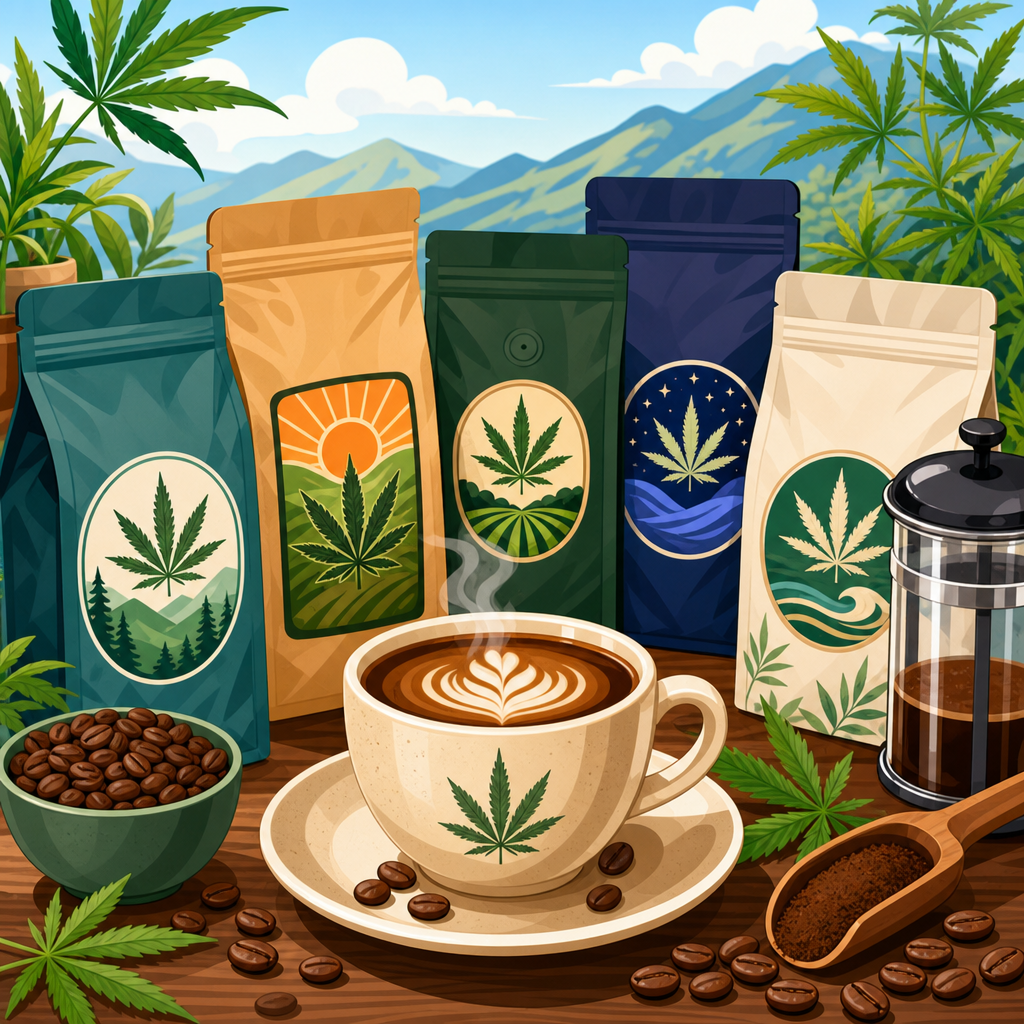
Hemp-infused coffee has moved from a niche wellness experiment to a serious beverage category, combining familiar coffee rituals with hemp-derived ingredients that promise calm focus, richer flavor, and broader functional appeal. In this guide to the top brands for hemp-infused coffee, I am treating the topic as a true hub for hemp in beverages: what hemp-infused coffee is, how it differs from CBD coffee and hemp seed coffee, which brands stand out, what quality markers matter, and how shoppers can choose products that fit taste, budget, and purpose. The term hemp-infused coffee usually refers to roasted coffee blended with either hemp extract, broad-spectrum hemp, CBD from federally compliant hemp, or nutrient-dense hemp seeds. That distinction matters because a bag made with hemp seed oil will not deliver the same cannabinoids as one formulated with a measured hemp extract. I have reviewed enough hemp beverages to know that confusion at the label is still the biggest obstacle for new buyers. For consumers, retailers, and affiliate publishers building coverage around hemp in beverages, this category matters because it sits at the intersection of two durable markets: specialty coffee and plant-based wellness products.
Demand has been driven by people who want the stimulation of caffeine without the jittery edge they often associate with strong coffee alone. While user experience varies, many drinkers report that hemp-infused coffee feels smoother and easier to tolerate, especially when the formulation uses moderate caffeine, balanced roasting, and transparent hemp sourcing. The best brands do more than add a trendy ingredient. They publish cannabinoid content per serving, identify whether the product contains full-spectrum, broad-spectrum, isolate, or hemp seed ingredients, and back claims with third-party testing. They also understand coffee. Origin, roast profile, grind consistency, and freshness still determine whether the cup is worth buying again. A hemp beverage can have excellent compliance paperwork and still fail if the coffee tastes flat or stale. That is why evaluating this market requires a beverage lens and a hemp product lens at the same time. The brands below stand out because they treat both sides seriously and give shoppers enough information to make informed comparisons.
What Hemp-Infused Coffee Really Means
Hemp-infused coffee is not one single product type. In practice, the category includes four distinct formats. First is coffee blended with CBD isolate, where the label lists a precise milligram amount but excludes other cannabinoids and terpenes. Second is coffee made with broad-spectrum hemp extract, which may contain multiple non-intoxicating cannabinoids but no detectable THC. Third is full-spectrum hemp coffee, usually carrying trace THC within federal limits of 0.3 percent by dry weight in the United States, along with additional cannabinoids and terpenes. Fourth is coffee containing hemp seeds, hemp protein, or hemp seed oil, valued more for fatty acids, texture, and nutritional positioning than for cannabinoid effects. These differences shape both user expectations and legal considerations. If someone is seeking a classic functional coffee with a measured cannabinoid serving, hemp seed coffee will not meet that goal. If someone wants a nutty flavor and added plant nutrients without cannabinoids, hemp seed blends may be ideal.
The brewing format also matters. Ground coffee and whole beans usually offer better flavor integrity than ready-to-drink cans, but RTD products win on convenience and dosage consistency. Single-serve pods appeal to mainstream households, though they can be more expensive per cup and sometimes compromise freshness. Instant hemp coffee has improved in recent years, especially where freeze-drying is used, but premium drinkers still prefer freshly roasted whole bean or ground options. Across all formats, the most reliable brands state roast level, origin, extraction method, serving size, and lab testing protocol. Those details are not cosmetic. They tell you whether the company understands product design, shelf stability, and compliance. In my experience, brands that hide extraction type or fail to publish batch tests usually disappoint elsewhere too, whether in flavor accuracy, dosage consistency, or customer support.
How to Evaluate the Best Hemp Coffee Brands
The simplest way to evaluate hemp-infused coffee is to score every product on five criteria: coffee quality, hemp transparency, dosage clarity, sensory experience, and value per serving. Coffee quality starts with sourcing. Arabica beans from Colombia, Ethiopia, Guatemala, Brazil, and blended Central American lots are common in this category because they provide recognizable flavor structures that can absorb added hemp notes without becoming muddy. Roast level should match the intended audience. Medium roasts tend to work best because they preserve acidity and aromatics while still offering enough body to carry hemp extracts. Dark roasts can mask lower-grade beans, but they may also make the cup taste ashy, especially if the infusion adds bitterness. Fresh roast dates are ideal, yet many hemp beverage brands omit them, relying instead on broad best-by windows. That is a warning sign.
Hemp transparency means stating whether the formula uses full-spectrum, broad-spectrum, isolate, or hemp seed ingredients, and whether the hemp is grown domestically under recognized agricultural standards. Reputable companies usually provide certificates of analysis from independent labs that verify cannabinoid potency, pesticide screening, heavy metals, residual solvents, and in some cases microbial safety. Dosage clarity is equally important. “Infused” should never mean mysterious. A strong label will tell you how many milligrams of CBD or hemp extract are in each serving and how many servings are in the bag, pod box, or bottle. Sensory experience goes beyond whether the coffee tastes good. It includes mouthfeel, aroma, aftertaste, and whether the hemp ingredient integrates naturally or leaves an oily, grassy finish. Value per serving closes the loop. A premium hemp coffee can justify a higher price, but only if the bean quality, extract quality, and consistency are obvious in the cup.
Top Brands for Hemp-Infused Coffee
Several brands consistently appear in serious discussions of hemp in beverages because they pair recognizable coffee positioning with better-than-average hemp formulation. Green Roads has built trust in hemp wellness by emphasizing pharmacist-formulated products and accessible lab reporting, and its beverage-adjacent offerings have helped normalize measured cannabinoid intake for mainstream users. Strava Craft Coffee became one of the earliest widely recognized names in CBD coffee, focusing on broad-spectrum hemp and a straightforward specialty coffee angle. Its appeal has long been that it does not try to reinvent coffee; it aims to make a familiar bag of beans or grounds feel functionally upgraded. Kickback CBD and Flower Power Coffee have also attracted attention for targeting lifestyle buyers who want convenience and stronger branding around mood, focus, and ritual. While presentation varies, the better products from these companies usually explain serving size, extraction style, and use case clearly enough for comparison.
Other names matter because they broaden the category. Buddha Beans has carved out an audience among shoppers who want a dedicated CBD coffee brand rather than a hemp company expanding into coffee. Some smaller roasters partner with white-label hemp extract suppliers and create limited runs with transparent sourcing, and these can be excellent if they publish batch data and roast dates. Mainstream coffee companies have been slower to enter the space because regulatory uncertainty still affects how aggressively brands market cannabinoid beverages. That has left room for specialist players. The strongest specialists understand that long-term credibility comes from consistency, not novelty. A flavored hemp coffee may attract a first purchase, but clean labeling, reliable extraction, and a balanced roast are what generate repeat orders. For a hub page like this, the practical takeaway is clear: the top brands are not always the loudest. They are the ones that make dosage, sourcing, and taste easy to verify before checkout.
| Brand | Best For | Typical Hemp Format | Strength to Watch |
|---|---|---|---|
| Strava Craft Coffee | Balanced specialty coffee entry point | Broad-spectrum hemp extract | Clear category focus and familiar roasts |
| Green Roads | Shoppers who prioritize testing and trust | CBD-focused hemp formulations | Strong transparency reputation |
| Buddha Beans | Dedicated hemp coffee brand buyers | CBD-infused coffee blends | Simple positioning and repeatable product range |
| Kickback CBD | Lifestyle shoppers seeking convenience | CBD beverage blends | Approachable branding and easy onboarding |
| Flower Power Coffee | Flavor-forward functional coffee users | Hemp extract coffee products | Wellness-focused consumer messaging |
Flavor, Function, and the Real User Experience
The reason people keep searching for the top brands for hemp-infused coffee is not just curiosity about cannabinoids. It is the hope of a better coffee experience. A good hemp coffee should still taste like coffee first. In side-by-side tastings, the strongest products usually show medium-body structure, low harshness, and a finish that feels rounded rather than sharp. Hemp extracts can add earthy or herbaceous notes, so skilled formulation matters. Some brands compensate with flavored syrups or aggressive dark roasting, but that often creates a distracting cup. Better brands lean on bean selection instead. A chocolatey Brazilian base or a nutty Colombian profile tends to pair more naturally with hemp than bright, floral coffees from lightly roasted East African lots. That does not mean light roast hemp coffee cannot work, only that it requires more precision to avoid a disjointed result.
On the functional side, expectations should stay realistic. Hemp-infused coffee is not a pharmaceutical product, and individual responses depend on body chemistry, caffeine tolerance, serving size, and whether the hemp ingredient is a seed derivative or a cannabinoid extract. Many drinkers describe a smoother onset of alertness or a less edgy finish to their morning cup. Others notice little difference beyond flavor and ritual. That range is normal. The best brands avoid exaggerated promises and instead present their coffee as a measured, testable addition to daily routine. If a company suggests that one cup will transform stress, sleep, focus, and physical recovery all at once, skepticism is warranted. In product reviews, I look for restrained claims, transparent serving guidance, and practical advice such as starting with one serving before increasing intake. That approach signals a company that expects informed repeat customers, not impulse buyers drawn in by hype.
Legal, Safety, and Labeling Considerations
Any serious hub on hemp in beverages needs to address compliance. In the United States, hemp-derived ingredients exist within a shifting regulatory environment shaped by federal law, state law, and agency enforcement priorities. Federally compliant hemp must contain no more than 0.3 percent delta-9 THC by dry weight, but that does not automatically mean every infused beverage is lawful in every jurisdiction or accepted by every retailer, payment processor, or advertising platform. Consumers should check local rules, especially when traveling with products or ordering across state lines. Brands that sell nationally often use broad-spectrum or isolate formulations partly because they simplify distribution and lower legal friction. Full-spectrum products can be attractive to experienced users, but they also raise more questions around trace THC exposure and workplace drug testing risk.
Safety starts with testing and manufacturing controls. The most credible brands use third-party laboratories and lot-specific certificates of analysis. For beverages and coffee products, that testing should verify cannabinoid content and screen for contaminants that can enter through hemp cultivation or extraction, including pesticides, heavy metals, residual solvents, and microbial hazards. Packaging should protect freshness and stability, especially where oils or extracts are involved. Shoppers should also look at ingredient lists for sweeteners, flavorings, and carrier oils that may affect tolerance or quality perception. If a product contains coconut-derived MCT oil, for example, that can influence texture and shelf behavior. Labels should make all of this easy to understand. The more legible and complete the label, the more likely the brand has invested in operational discipline behind the scenes. In hemp beverages, packaging honesty is often the clearest external signal of internal quality systems.
How This Hub Connects the Hemp Beverage Category
Hemp-infused coffee is the gateway product for many shoppers exploring hemp in beverages, but it makes the most sense when viewed alongside the wider category. Consumers who enjoy the idea of hemp in a hot beverage often branch into hemp tea, adaptogenic hemp lattes, sparkling CBD drinks, recovery beverages, and alcohol alternatives built with hemp-derived compounds. Each format solves a different need state. Coffee addresses morning ritual and productivity. Tea often serves afternoon calm or evening wind-down. Ready-to-drink functional beverages compete in convenience channels where energy drinks and sparkling waters dominate. This is why a sub-pillar hub matters. It helps readers compare delivery formats, dosing expectations, flavor profiles, and purchase criteria across the beverage landscape instead of treating every hemp drink as interchangeable. From a publishing standpoint, this page should logically connect readers to deeper reviews of individual coffee brands, explanations of broad-spectrum versus full-spectrum, guides to reading lab reports, and comparisons of hemp coffee against CBD tea or hemp seltzer.
For shoppers, the core decision remains simple. Choose a product that is honest about what kind of hemp it contains, specific about how much is in each serving, competent as coffee, and tested by an independent lab. If you are new to the category, start with a medium roast from a brand with accessible certificates of analysis and moderate cannabinoid content. Brew it as you would any quality coffee, track how it tastes and feels, and compare it against your usual morning cup. That method will tell you more than marketing ever can. The top brands for hemp-infused coffee earn their place by reducing uncertainty: they tell you what is in the bag, why it is there, and how it should perform in real life. Use this page as your starting point for hemp in beverages, then keep following the trail into brand reviews, brewing guides, and product comparisons that help you buy with confidence.
Frequently Asked Questions
What is hemp-infused coffee, and how is it different from CBD coffee or hemp seed coffee?
Hemp-infused coffee is coffee that has been blended or formulated with ingredients derived from the hemp plant, but the exact type of hemp ingredient can vary significantly from one product to another. Some brands use broad-spectrum hemp extract, some use full-spectrum hemp extract where legally permitted, and others focus on hemp seed oil, hemp protein, or roasted hemp seeds for flavor and nutrition. That is why shoppers should always look beyond the front label and read the ingredient panel carefully. “Hemp-infused” is a broad category, not a single standardized product type.
CBD coffee is a more specific subcategory. It contains cannabidiol, usually listed in milligrams per serving, and is designed for shoppers who want a measurable cannabinoid content alongside their caffeine. By contrast, hemp seed coffee or coffee made with hemp seeds usually does not contain meaningful CBD levels. Hemp seeds are valued more for their nutty flavor, healthy fats, protein, and overall nutritional profile than for cannabinoids. In practical terms, a bag labeled “hemp coffee” could deliver a very different experience depending on whether it contains hemp extract, hemp seeds, or simply hemp flavoring.
This distinction matters because the intended benefits, taste, price, and legal considerations can all change based on the formulation. If you are shopping top brands for hemp-infused coffee, the best companies make these differences easy to understand. They clearly explain what kind of hemp ingredient they use, how much is included, whether lab testing is available, and what effect the customer should realistically expect. That transparency is often one of the strongest signs that a brand deserves to be included among the category leaders.
What should I look for when comparing the top brands for hemp-infused coffee?
When comparing brands, start with ingredient transparency. A high-quality hemp-infused coffee brand should clearly state the coffee origin or roast style, the type of hemp ingredient used, and the amount included per serving when relevant. If a product contains cannabinoids such as CBD, the packaging or product page should specify the milligrams per cup or scoop. If it uses hemp seed ingredients instead, the company should explain that as well instead of relying on vague wellness language. The more precise the brand is, the easier it is to trust.
Next, evaluate sourcing and testing. Reputable brands typically source hemp from regulated farms and publish or provide third-party lab results to verify potency, purity, and the absence of contaminants such as pesticides, heavy metals, residual solvents, and microbial impurities. For the coffee itself, look for details about bean origin, roast date or freshness standards, and whether the brand uses specialty-grade or responsibly sourced beans. Strong brands understand that hemp quality and coffee quality both matter; a premium hemp extract cannot rescue stale or low-grade coffee.
Flavor and formulation are also important. The best hemp-infused coffee brands build products that taste balanced, not gimmicky. Some brands create smooth medium roasts that let the hemp notes stay subtle, while others pair darker roasts with earthy hemp profiles for a more robust cup. Beyond flavor, consider format: whole bean, ground coffee, pods, instant coffee, and ready-to-drink options each appeal to different users. A leading brand usually has a clear point of view about who its product is for, whether that is casual coffee drinkers, wellness-focused shoppers, or experienced hemp consumers seeking a specific routine.
Finally, look at brand credibility. Honest customer reviews, clear usage guidance, transparent return policies, and educational product pages are all positive signals. Top brands do not oversell unrealistic outcomes. Instead, they explain how the product may fit into a morning ritual, a calmer workday routine, or a functional beverage lineup. In a category still maturing, clarity, consistency, and proof of quality are often what separate the best brands from the rest.
Does hemp-infused coffee make you feel different than regular coffee?
It can, but the answer depends entirely on the formulation and the individual drinking it. If the product contains hemp extract with active cannabinoids, some users describe the experience as smoother or more balanced than regular coffee, with less of the sharp edge that sometimes comes with caffeine alone. People often use phrases like “calm focus” or “steady energy,” but those effects are not universal and should not be treated as guarantees. Body chemistry, caffeine tolerance, dosage, and how much food you have eaten can all influence how the coffee feels.
If the product uses hemp seeds rather than cannabinoid-rich hemp extract, the effect is usually much closer to traditional coffee. In that case, the difference is more likely to show up in flavor and nutrition than in mood or mental state. Hemp seeds can add a mild nutty taste and contribute fats or protein, but they are not typically included to deliver the same kind of functional experience associated with CBD products. This is another reason the ingredient label matters so much when comparing brands.
For most shoppers, the practical takeaway is to avoid assumptions. Do not expect every hemp-infused coffee to automatically reduce jitters or create a noticeable wellness effect. Instead, look for products that explain their intended use and start with a moderate serving. The strongest brands in this category set realistic expectations: they frame hemp-infused coffee as part of a daily ritual rather than a miracle product. That is usually the most trustworthy and useful way to think about it.
Are there legal or safety concerns to keep in mind when buying hemp-infused coffee?
Yes, and they are worth taking seriously. The legal status of hemp-derived ingredients varies by country, state, and product type. In some markets, hemp seed ingredients are widely accepted, while products containing cannabinoids such as CBD may face stricter rules around labeling, sale, marketing, or use in foods and beverages. That means a brand may be fully compliant in one location and unavailable or restricted in another. Before buying, it is smart to confirm local regulations rather than assuming every hemp coffee product is treated the same way.
From a safety standpoint, quality control is the biggest issue. Because hemp is a bioaccumulator, it can absorb substances from soil and the environment, which makes clean sourcing and lab testing especially important. Shoppers should favor brands that provide third-party certificates of analysis and clearly verify what is in the product. If a brand makes bold claims but offers no testing, no sourcing information, and no dosage clarity, that is a red flag. The best hemp-infused coffee brands understand that compliance and consumer trust go hand in hand.
It is also wise to consider personal health factors. If a hemp-infused coffee includes cannabinoids, people who are pregnant, nursing, taking medications, or managing a medical condition should speak with a healthcare professional before using it. In addition, anyone subject to drug testing should be cautious, especially with full-spectrum products. Even when a product is legally sold, that does not automatically make it the right fit for every consumer. Responsible brands acknowledge these realities and provide practical guidance instead of glossing over them.
Which type of shopper is most likely to benefit from hemp-infused coffee, and how do you choose the right brand?
Hemp-infused coffee tends to appeal to a few distinct groups of shoppers. First, there are coffee drinkers who want to expand their morning routine with a more functional beverage. They may not be looking for anything dramatic, but they are interested in products positioned around balance, focus, or a more intentional daily ritual. Second, there are hemp-curious consumers who prefer trying hemp in a familiar format rather than through oils, gummies, or capsules. Coffee gives them a convenient, recognizable entry point. Third, there are wellness-focused buyers who care deeply about ingredient sourcing, clean labels, and products that align with broader lifestyle goals.
Choosing the right brand starts with understanding your own priority. If flavor matters most, focus on brands with strong coffee credentials, clear roast profiles, and positive taste reviews. If functional effects are the main goal, look for brands that specify the exact type and amount of hemp extract used and provide third-party testing. If you want a gentle introduction, a product made with hemp seeds or a lower-dose hemp extract may be a better starting point than a heavily marketed high-potency option. The best brand is not always the trendiest one; it is the one that most clearly matches your expectations.
It also helps to think about convenience and consistency. Some shoppers prefer whole bean or ground coffee for a traditional brewing experience, while others want pods or instant formats for speed. A great brand should fit into your actual habits, not just sound impressive on a product page. In a growing market, the top hemp-infused coffee brands are usually the ones that combine quality coffee, transparent hemp sourcing, reliable testing, and a product design that makes sense for real daily use. When those pieces come together, shoppers are much more likely to find a product they genuinely enjoy and trust.