Hemp is moving from niche ingredient to climate conversation because it sits at the intersection of agriculture, food systems, and carbon management. When people ask about the environmental impact of hemp food, they are usually asking a broader question: can a crop we eat also help lower emissions, restore soil, and reduce pressure on resource-intensive foods? After years of working with food brands, growers, and sustainability teams, I have seen hemp stand out not as a miracle crop, but as a practical one with measurable environmental strengths and real limitations.
For clarity, hemp in this context means industrial hemp, the low-THC varieties of Cannabis sativa grown for seed, fiber, and hurd rather than intoxicating use. Hemp food includes hemp hearts, protein powder, oil, flour, snacks, and beverages made primarily from the seed. Climate change refers to long-term shifts in temperature and weather patterns driven largely by greenhouse gas emissions from energy, land use, and agriculture. The role of hemp in combating climate change is therefore about its full lifecycle: how it is grown, processed, transported, packaged, eaten, and compared with alternatives.
This matters because the food system contributes a significant share of global greenhouse gas emissions, while also driving deforestation, soil degradation, and freshwater stress. Consumers increasingly want foods that align with lower-impact diets, but many sustainability claims are broad, inconsistent, or poorly sourced. Hemp deserves a closer look because it is a protein-rich seed crop that can fit into regenerative rotations, produce multiple co-products, and often require fewer inputs than more demanding commodity crops. At the same time, impact depends on region, farming method, yield, processing intensity, and what food hemp replaces in the diet.
As a hub page for consumer education and FAQs, this article explains where hemp food can genuinely help climate goals, where the evidence is still developing, and what buyers should look for. If you want a simple answer, here it is: hemp food can support lower-emission diets and more resilient farming systems, especially when grown in smart rotations and processed efficiently. The strongest climate benefit often comes not from one isolated product, but from hemp’s ability to connect nutrition, soil health, diversified farm income, and lower-input agriculture in the same supply chain.
How Hemp Can Lower Agriculture’s Climate Burden
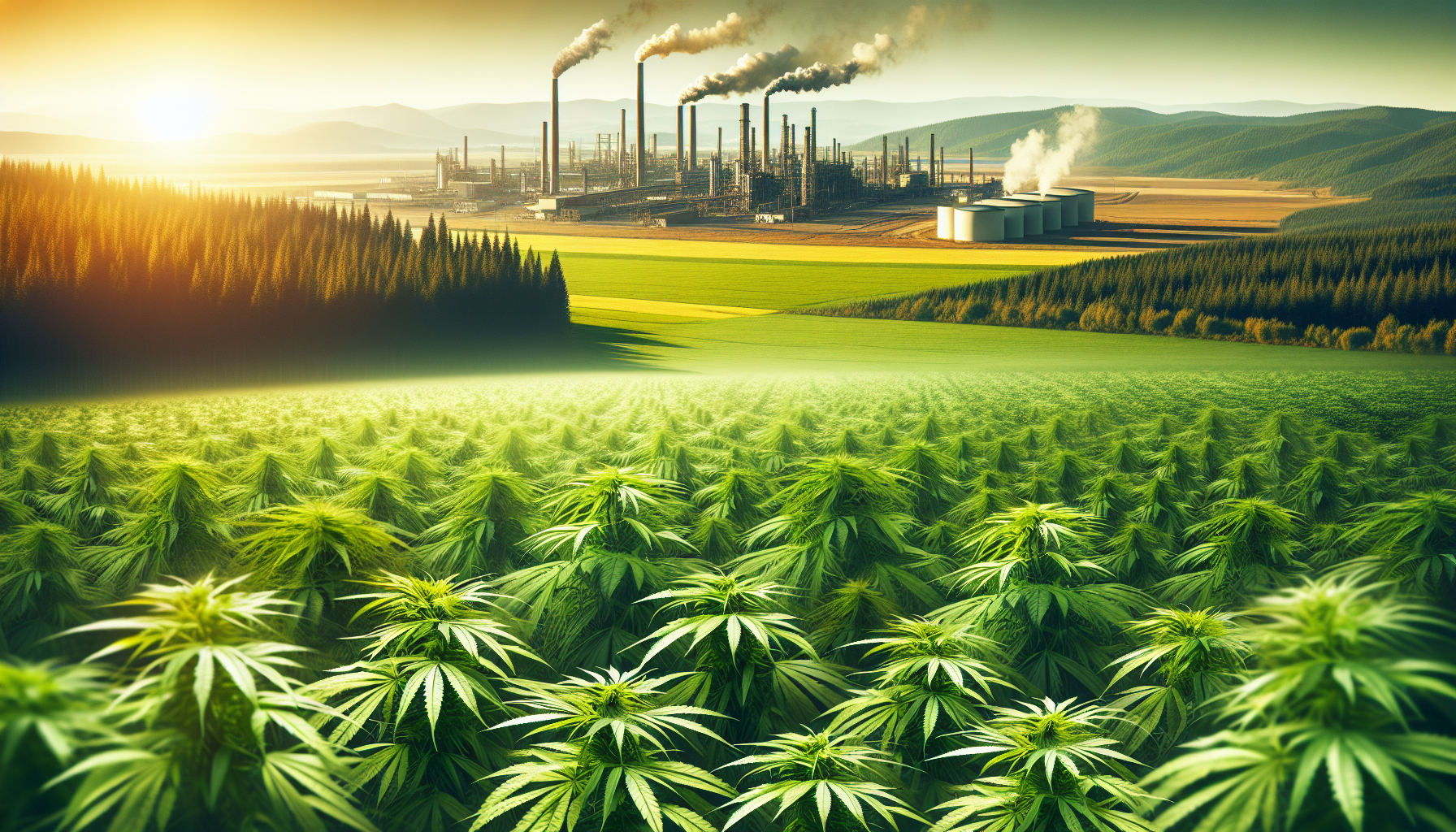
Hemp can help combat climate change because it grows quickly, produces substantial biomass, and fits well into diversified cropping systems. In practical farm terms, that means a field planted with hemp can convert sunlight into stalk, leaf, root, and seed material within a single season, creating more opportunities for carbon capture than bare ground or poorly managed monocultures. The crop’s dense canopy also suppresses weeds, which can reduce herbicide dependence in some systems and lower the indirect emissions associated with agrochemical manufacturing and application.
The climate value of hemp food begins with the seed. Hemp seeds provide protein, unsaturated fats, and minerals, allowing food manufacturers to formulate products that can substitute for ingredients with higher environmental footprints. Compared with animal-based protein sources, plant proteins generally require less land and generate lower emissions per kilogram of edible product. Hemp is not automatically lower impact than every plant food, but it can compare favorably when yields are strong, transport is reasonable, and processing is not excessive. In product development, I have repeatedly seen hemp work best in blends with oats, peas, or nuts, where its nutrition and functionality improve a formula without driving an outsized footprint.
Another important point is co-product efficiency. Hemp grown for food does not create only seed; the stalk can be used for fiber, hurd, animal bedding, composites, or soil amendments depending on local processing. That matters in climate accounting because multi-output crops distribute environmental burdens across several valuable products rather than wasting large portions of the plant. A farm and processing network that can use seed for food and stalk for materials usually performs better environmentally than one that treats residues as disposal problems.
Carbon Sequestration, Biomass, and Soil Health
One of the most common questions is whether hemp captures carbon. The direct answer is yes: like other plants, hemp removes carbon dioxide from the atmosphere through photosynthesis and stores carbon in biomass. What matters is how much carbon remains stored over time. Annual crops do not lock away all captured carbon permanently, because much of it returns to the atmosphere when residues decompose, products are eaten, or materials break down. Even so, hemp can contribute meaningfully to climate mitigation by adding root biomass, supporting soil organic matter over repeated rotations, and supplying long-lived co-products when stalks enter durable uses.
Soil health is where hemp often shows practical advantages. Its rooting pattern can help improve soil structure, water infiltration, and biological activity, especially when combined with conservation tillage and cover cropping. Healthy soils are climate assets because they hold more carbon, resist erosion, and buffer farms against drought or intense rainfall. In field observations, the strongest results come when hemp is not treated as a standalone sustainability badge but as one component of a wider regenerative strategy. A grower who rotates hemp with legumes, cereals, and cover crops usually sees better long-term soil outcomes than a grower who simply inserts hemp into an otherwise extractive system.
There are limits. Carbon sequestration claims vary widely because methods differ, baseline soil conditions matter, and short-term gains can be reversed by aggressive tillage or poor residue management. Consumers should be cautious around absolute statements such as “carbon negative” unless a company publishes lifecycle assessment data, system boundaries, and verification details. Responsible climate communication should distinguish between carbon captured during growth, carbon stored in soil or durable products, and net emissions across the entire supply chain.
Water Use, Inputs, and Farm Efficiency
Another reason hemp food attracts attention is its reputation as a low-input crop. In many regions, hemp can perform with less pesticide pressure than some conventional crops, particularly because rapid early growth and canopy closure can reduce weed competition. It is not inherently pesticide-free, and disease or insect management still depends on local climate and agronomy, but lower chemical intensity is a realistic advantage in well-managed systems. Fertility needs are also moderate rather than negligible. Hemp still requires nutrients, especially nitrogen, so overstating it as a no-input crop is inaccurate.
Water use is more nuanced than marketing often suggests. Hemp is frequently described as drought tolerant, which is partly true once established, yet seed yield and quality can decline under severe moisture stress. Rain-fed hemp in suitable climates can be efficient, but irrigated hemp in dry regions may not deliver the same environmental benefits. From a food sustainability perspective, the best outcomes usually come from production matched to local rainfall, soil type, and cultivar selection. Efficient irrigation, if needed, should rely on scheduling tools, soil moisture monitoring, and realistic yield targets rather than assumptions that hemp thrives anywhere with little water.
Farm efficiency also depends on yield stability and access to processing. A sustainably grown hemp seed crop loses climate value if seed has to travel long distances to be cleaned, dehulled, pressed, or milled, or if large volumes spoil because infrastructure is missing. This is why regional supply chains matter. In North America and Europe, the most promising hemp food systems pair growers with nearby processors and buyers who can use both seed and stalk fractions. Environmental impact is rarely determined by the field alone; post-harvest handling, drying energy, storage conditions, and freight all shape the final footprint.
How Hemp Food Compares With Other Foods
Consumers often want to know whether hemp food is better for the planet than soy, almond, oat, pea, or animal-derived foods. The honest answer is that comparisons depend on what metric you use. Greenhouse gas emissions, land use, water use, eutrophication potential, biodiversity effects, and packaging waste do not always point in the same direction. Still, broad patterns are clear. Hemp foods generally compare well with beef, lamb, and many dairy products on emissions and land intensity because plant foods usually avoid methane and require less feed conversion. Against other plant foods, hemp is competitive but not automatically superior in every category.
For example, hemp protein powder may carry more processing burden than minimally processed lentils, while hemp oil may differ from olive or canola oil depending on region and extraction method. Hemp hearts offer dense nutrition and relatively little processing compared with isolated proteins, which can make them an attractive whole-food option. In retail work, I often advise brands to avoid blanket “most sustainable” claims and instead explain why a specific hemp product performs well: nutrient density, regional sourcing, lower pesticide demand, rotational benefits, and useful co-products are all credible points when they are backed by data.
| Food category | Typical climate relevance | Key environmental tradeoff | Where hemp often fits |
|---|---|---|---|
| Beef and lamb | High emissions from methane and feed | Large land footprint | Hemp foods are usually far lower impact |
| Dairy protein | Moderate to high emissions | Feed, manure, and processing energy | Hemp protein can reduce diet-related emissions |
| Soy and pea protein | Generally low emissions | Regional land-use and processing differences | Hemp is comparable in some systems, not always lower |
| Nuts and specialty seeds | Variable by crop and irrigation needs | Water intensity in dry regions | Rain-fed hemp can be attractive where water is limited |
Processing, Packaging, and the Full Lifecycle of Hemp Food
The environmental impact of hemp food does not stop at the farm gate. Dehulling, cold pressing, protein concentration, drying, pasteurization, and packaging can all add energy demand and emissions. Generally, the less processed the product, the easier it is to keep impact down. Hemp hearts and cold-pressed oil often have simpler pathways than highly refined protein isolates or ready-to-drink beverages that require multiple ingredients, thermal treatment, and complex packaging.
Packaging deserves special attention because many hemp foods are sold in flexible pouches, tubs, or multilayer formats that protect freshness but can be difficult to recycle. A climate-friendly crop can still end up in a waste-heavy consumer format. Brands that want to lead on environmental impact should evaluate lightweight packaging, refill models where practical, post-consumer recycled content, and clear disposal guidance. Shelf life also matters. Hemp seeds and oils contain polyunsaturated fats, so oxidation control is important; effective packaging can reduce food waste, which is itself a climate issue.
Lifecycle assessment is the best tool for understanding these tradeoffs. A credible LCA defines the functional unit, sets system boundaries, allocates impacts among co-products, and tests assumptions around farming, transport, energy, and end-of-life. Without that structure, environmental claims become anecdotal. When reviewing sustainability data for hemp food, I look first for whether the study compares like with like, whether coproduct allocation is transparent, and whether regional farming conditions are realistically represented. Those details determine whether a climate claim is meaningful or merely attractive marketing.
What Consumers Should Look For in Sustainable Hemp Food
If you are buying hemp food for climate reasons, focus on a short list of evidence-based indicators. First, look for transparency on sourcing. A company that identifies growing regions, farming partners, or traceability systems is usually in a better position to manage environmental performance than one relying on vague global sourcing. Second, ask how the product is processed. Whole or minimally processed hemp foods often have a lower footprint than heavily engineered alternatives, though convenience and nutrition still matter. Third, check whether the brand discusses regenerative practices, crop rotation, water stewardship, and use of co-products in concrete terms.
Certifications can help, but they are not complete substitutes for disclosure. Organic certification can indicate restrictions on many synthetic inputs, while standards related to soil health, carbon accounting, or responsible sourcing may add credibility. However, no single label captures total climate impact. Consumers should also be alert to transport realities, especially for imported products shipped long distances in small volumes. Local is not always lower carbon, but regional processing and distribution often improve the odds.
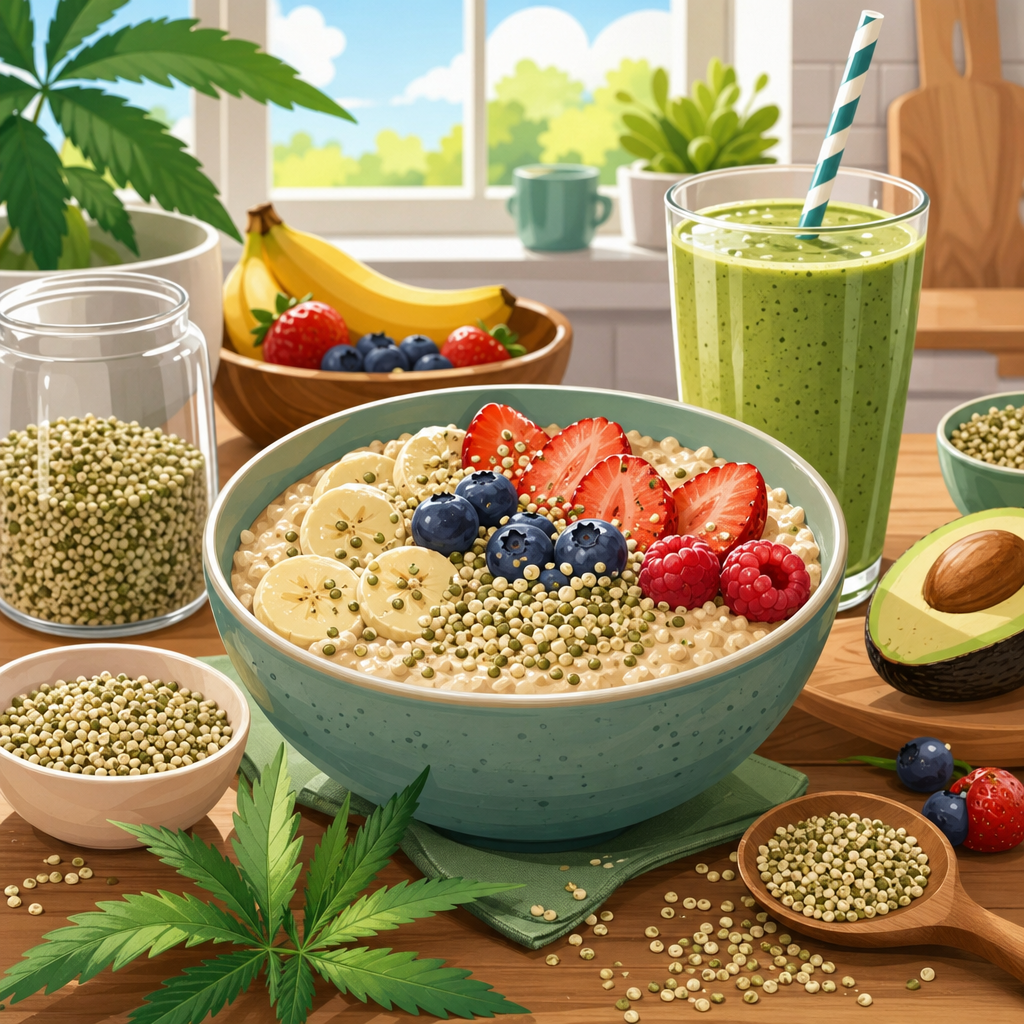
The bigger benefit is dietary pattern change. Hemp food is most climate-positive when it replaces more emissions-intensive foods and supports a more plant-forward diet overall. Swapping hemp hearts into breakfast bowls, using hemp protein in place of some dairy-based powders, or choosing hemp snacks made with simple ingredients can be sensible steps. The goal is not perfection. It is to choose foods that combine strong nutrition with farming systems that use land, water, and energy more responsibly.
Hemp’s role in combating climate change is real, but it is best understood through the entire food system rather than a single headline claim. Hemp food can contribute to lower-emission diets, diversified farm rotations, improved soil function, and better use of whole-crop biomass. Those strengths make it an important part of the environmental impact of hemp food conversation and a useful hub topic for consumers comparing sustainable ingredients.
The most credible case for hemp is also the most balanced one. Hemp is not automatically low impact in every region or product format. Its climate value rises when it is rain-fed or efficiently irrigated, grown in regenerative rotations, processed close to the farm, and sold in formats that avoid unnecessary waste. It also rises when brands use lifecycle assessment, explain tradeoffs honestly, and build supply chains that make use of seed and stalk co-products. That is how hemp moves from promising crop to climate-relevant food system solution.
If you are evaluating hemp food, start with sourcing transparency, processing intensity, and what the product replaces in your diet. Those three questions will tell you more than broad green claims ever can. Explore the related articles in this hub to go deeper into carbon footprint, water use, regenerative farming, packaging, and hemp nutrition, and use that knowledge to buy more carefully and eat with clearer environmental intent.
Frequently Asked Questions
How can hemp help address climate change?
Hemp can support climate action in several practical ways because it connects farming, food production, and land stewardship. As a fast-growing crop, hemp absorbs carbon dioxide from the atmosphere as it develops biomass in its stalks, leaves, and roots. That does not make it a standalone climate solution, but it does mean hemp can play a useful role in broader efforts to reduce agricultural emissions and improve carbon management. Compared with more resource-intensive agricultural systems, hemp may also help lower environmental pressure when it is used in food products that diversify protein sources and reduce dependence on inputs-heavy crops or animal-based ingredients.
Its climate value is not just about what happens above ground. Hemp can contribute to healthier crop rotations, which matters because resilient rotations often improve soil structure, reduce pest pressure, and support more efficient nutrient use over time. In the right farming system, that can translate into fewer synthetic inputs, better water management, and stronger long-term productivity. The key point is that hemp is most effective when viewed as part of a systems approach: a crop that may help store carbon, support regenerative farming practices, and create lower-impact food and material options, rather than as a miracle crop that solves climate change on its own.
Is hemp actually a low-emissions food crop?
Hemp has strong potential to be a lower-emissions food crop, especially when compared with foods that require more land, water, fertilizer, or processing intensity. Hemp seeds are nutrient-dense and can provide protein, healthy fats, and other nutritional value, which makes them appealing in climate-conscious food systems. When a food crop delivers useful nutrition while fitting into diversified rotations and potentially requiring fewer inputs than other options, that can improve its emissions profile. For brands and consumers asking whether a crop we eat can also support sustainability goals, hemp is one of the more credible candidates.
That said, the true emissions impact depends on how the hemp is grown, processed, transported, and packaged. A hemp food product made with efficient farming practices, responsible sourcing, and streamlined processing will look very different from one produced in a high-input system with long transport distances. This is why it is more accurate to describe hemp as a promising low-impact crop rather than automatically low-emissions in every case. The environmental performance of hemp food, like any food category, comes down to lifecycle details. Done well, hemp can be part of a lower-carbon food strategy. Done poorly, some of those benefits can be reduced.
What makes hemp beneficial for soil health and regenerative agriculture?
One of hemp’s most important environmental advantages is the role it can play in agricultural rotation and soil improvement. Hemp’s rooting system can help support soil structure, and its fast growth can provide useful ground coverage during the season, which may reduce erosion and improve field conditions. Farmers often look for crops that fit into a broader regenerative strategy rather than crops that simply maximize short-term yield, and hemp can be attractive in that context because it introduces diversity into the system. Crop diversity is valuable because it can interrupt pest and disease cycles, reduce pressure on the land, and create better conditions for long-term soil function.
Healthy soils are central to climate resilience. They store more organic matter, manage water more effectively, and are often more resilient to drought and extreme weather. Hemp does not automatically rebuild degraded soils on its own, but it can support farming systems designed to improve soil biology and reduce disturbance. In practice, that means the greatest soil benefits from hemp are usually seen when it is integrated with thoughtful rotation planning, careful nutrient management, reduced tillage where appropriate, and other regenerative methods. In other words, hemp is valuable not just because of what it is, but because of how well it can fit into a more resilient and climate-smart model of agriculture.
Can hemp reduce pressure on more resource-intensive foods and materials?
Yes, and this is one reason hemp has become part of the climate conversation beyond agriculture alone. In food systems, hemp can expand the range of plant-based ingredients available for protein, oils, snacks, beverages, and functional foods. That matters because climate progress often depends on diversification. Relying on a narrow set of crops or heavily resource-intensive animal-based products can increase environmental strain, while introducing versatile crops like hemp can create more options for lower-impact formulations. If hemp food ingredients help manufacturers reduce dependence on ingredients with larger land, water, or emissions footprints, then hemp can contribute indirectly to broader climate goals.
Outside food, hemp is also discussed for fiber, textiles, biocomposites, insulation, and other applications that may displace more carbon-intensive materials in some use cases. The degree of climate benefit depends on performance, processing methods, scale, and how long carbon remains stored in finished products, but the principle is important: hemp is useful because it can contribute to multiple sectors at once. That multi-use potential makes it more than a niche crop. It becomes part of a larger strategy to build agricultural systems and supply chains that are more flexible, less extractive, and better aligned with emissions reduction and resource efficiency.
Is hemp a climate solution on its own, or part of a bigger sustainability strategy?
Hemp should be understood as part of a bigger sustainability strategy, not as a silver bullet. That distinction matters because climate change is driven by complex, interconnected systems involving energy, land use, food production, transportation, and industrial materials. No single crop can solve those challenges by itself. What hemp offers is something more realistic and, in many ways, more valuable: it is a practical tool that can support lower-impact food choices, healthier crop rotations, better soil stewardship, and in some cases carbon-aware product development. Those are meaningful contributions, especially when combined with strong agricultural standards and transparent supply chains.
The most credible way to talk about hemp and climate change is to focus on measured, system-level benefits. That means looking at farming practices, regional suitability, yield stability, processing infrastructure, product lifecycle impacts, and whether hemp is genuinely replacing higher-impact alternatives. When companies, growers, and policymakers approach hemp this way, it stands out as a promising climate-supportive crop rather than a hype-driven trend. The real opportunity is not to oversell hemp, but to use it intelligently as one piece of a broader transition toward more resilient agriculture, smarter food systems, and lower-emissions economies.