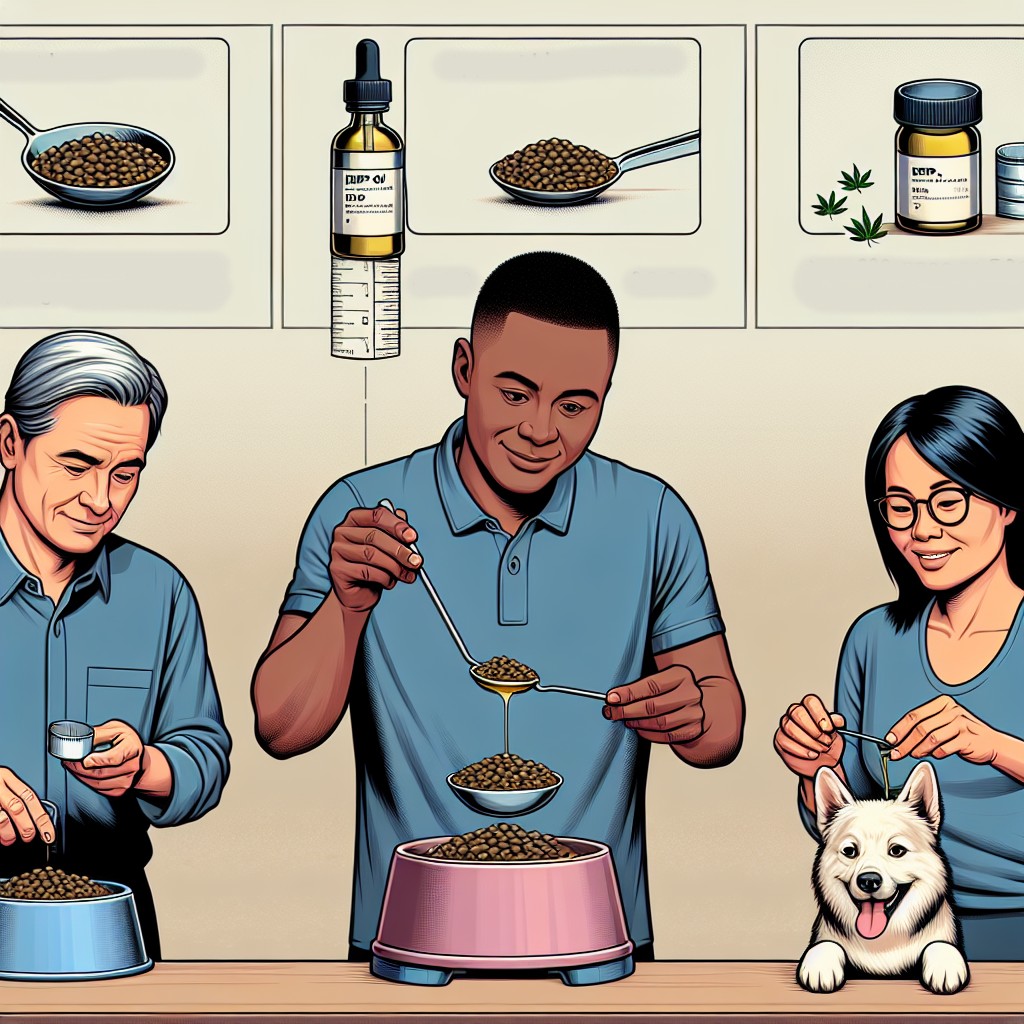

Separation anxiety in pets is one of the most common behavior problems I see discussed by owners who otherwise provide excellent food, exercise, and veterinary care, and hemp for pets with separation anxiety has become a frequent part of that conversation. In practical terms, separation anxiety is a stress response that appears when a dog or cat becomes distressed by being left alone, separated from a primary caregiver, or cut off from normal social contact. Typical signs include vocalizing, destructive chewing, pacing, scratching doors, house-soiling, overgrooming, drooling, refusal to eat, and frantic reunion behavior. Hemp, in the context of pet nutrition and behavior support, usually refers to hemp seed ingredients, hemp seed oil, and in some markets hemp-derived cannabinoid products. Those categories are not interchangeable, and understanding the difference is essential before any owner adds hemp to a pet’s routine.
This topic matters because behavior problems do not stay contained to behavior. Chronic stress can worsen sleep, digestion, learning, and household safety, while repeated panic can strain the bond between pets and owners. I have worked with anxious dogs whose chewing led to expensive dental fractures and cats whose stress grooming created skin infections, so I treat calming support as part of whole-animal care rather than as a trend. A smart hemp strategy starts with clear goals: reduce arousal, support routine, protect nutritional status, and complement training. It should never replace medical evaluation, because pain, cognitive decline, endocrine disease, sensory loss, and gastrointestinal discomfort can all mimic or intensify separation anxiety. Used correctly, hemp can fit into a broader plan for pet behavior that includes diagnosis, enrichment, environmental management, and evidence-based training.
What Hemp Can and Cannot Do for Pet Behavior
Hemp is best understood as a supportive tool, not a cure. Hemp seeds and hemp seed oil provide nutrients that may indirectly support calmer behavior by promoting skin health, satiety, and overall wellness. They are rich in polyunsaturated fats, especially linoleic acid and alpha-linolenic acid, and also contain protein, fiber, vitamin E, magnesium, and trace minerals. For pets that are mildly stressed, improving diet quality can remove background discomfort that makes emotional regulation harder. In my experience, this matters most in animals with dry skin, inconsistent stools, or poor appetite, where better fat quality often improves day-to-day resilience. However, no hemp seed ingredient can teach a dog to tolerate absence on its own. Learning still requires behavior modification.
Owners also need a realistic view of time frame and effect size. Nutritional hemp ingredients tend to work gradually, if they help at all, because they support physiology rather than directly sedate. A dog with severe panic that breaks through crates, self-injures, or eliminates within minutes of departure needs immediate behavior planning and often veterinary medication, not just a calming chew. The right expectation is that hemp may help lower the baseline intensity of stress so the pet can respond better to training. That distinction is important because owners often abandon good desensitization plans when a supplement fails to act like a tranquilizer. The more serious the anxiety, the more essential it is to combine nutrition, management, and professional guidance instead of relying on a single product.
Different Hemp Products and Why Labels Matter
When people search hemp and pet behavior, they often mean several different products at once. Hemp hearts and whole hemp seed are food ingredients. Hemp seed oil is a fat source pressed from seeds and contains essentially no meaningful cannabinoids when properly made. Hemp meal adds fiber and protein. Separately, some products marketed for calming use hemp extract, broad-spectrum hemp, or cannabidiol. These products are regulated differently depending on location and are not the same as hemp seed oil. I always tell owners to read the ingredient panel, guaranteed analysis, and manufacturer testing page before making assumptions. If the active ingredient is hemp seed oil, evaluate it like a nutritional oil. If the product contains cannabinoids, treat it like a specialized supplement that requires more caution and veterinary input.
Label quality matters because pet supplement claims frequently outpace evidence. Look for a named manufacturer, lot number, clear dosing directions by body weight, and third-party certificate of analysis. Reliable brands disclose contaminants testing for heavy metals, residual solvents, pesticides, and microbial safety. They also state whether the formula is seed-based or extract-based. That transparency protects both effectiveness and safety. In a hub article on hemp and pet behavior, this distinction is central because owners often jump from “hemp is nutritious” to “all hemp calms anxiety,” which is not accurate. Good products have a place, but they must be matched to the pet, the symptom pattern, and the treatment plan. Without that discipline, hemp becomes a vague promise instead of a useful component of care.
How Separation Anxiety Develops in Dogs and Cats
Separation anxiety is not simply clinginess. It is a learned and emotional pattern shaped by genetics, early social experience, household routine, prior trauma, and changes in attachment. Dogs often show it after adoption, a move, schedule changes, loss of a companion animal, or return to work after long periods at home. Cats can develop parallel distress, though it is underrecognized because signs such as hiding, overgrooming, appetite shifts, or inappropriate elimination are easier to misread. In both species, the nervous system links departure cues, such as shoes, keys, a coat, or shutting a laptop, with the prediction of isolation. The body then shifts into a stress response before the owner even leaves. Once that pattern is rehearsed, each panic episode strengthens it.
That is why the best behavioral use of hemp is upstream support, not crisis control. If a pet is already in a full panic state, nutritional interventions have limited leverage in the moment. The bigger opportunity is to improve overall stability while owners work through gradual alone-time training. Common triggers and paired signs are worth mapping carefully because treatment should match the pattern.
| Trigger or Context | Common Behavior Signs | Most Useful First Response |
|---|---|---|
| Owner picks up keys or shoes | Pacing, panting, whining before departure | Desensitize departure cues in very short sessions |
| Pet left truly alone | Howling, scratching doors, elimination, escape attempts | Prevent long absences and start structured alone-time training |
| Schedule change after remote work | Shadowing, appetite loss, clinginess, destruction | Rebuild predictable routines and increase enrichment |
| Loss of companion person or pet | Withdrawal, vocalizing, sleep disruption, overgrooming | Veterinary exam plus grief-sensitive behavior support |
Where Hemp Fits in a Complete Behavior Plan
A complete plan for separation anxiety has four parts: veterinary assessment, environmental management, behavior modification, and optional nutritional or supplement support. Hemp belongs in the fourth category. Start with a medical rule-out because arthritis, dental disease, urinary tract issues, dermatitis, and cognitive dysfunction often make a pet less able to settle alone. Then fix the preventable stressors. For dogs, that may mean pre-departure walks, safe confinement decisions, white noise, food puzzles, and avoiding dramatic exits. For cats, it may mean multiple litter boxes, elevated resting spots, scent continuity, puzzle feeding, and visual barriers near doors or windows. After that foundation is in place, owners can judge whether hemp is providing measurable benefit instead of masking poor management.
Behavior modification remains the core therapy. The standard approach uses systematic desensitization and counterconditioning: expose the pet to very small, non-panic doses of departure cues and absence, then pair those moments with safety and reinforcement. For example, a dog that panics at the sound of keys may first hear keys handled ten times per day with no owner departure. Later, the owner opens and closes the front door for one second, then returns before distress escalates. Progress is measured in tolerable increments, not in heroic leaps. I have found that hemp products are most useful when they help keep arousal low enough for the animal to stay under threshold during this work. If the pet is too distressed to eat, think, or rest, no supplement can substitute for a slower plan or prescribed anti-anxiety medication.
Choosing Hemp Food and Supplements Safely
Safety begins with species, size, age, and concurrent disease. A large, healthy dog has very different tolerances from a senior cat with kidney disease or a puppy still developing feeding habits. Hemp seed ingredients are generally used as foods, so the biggest concerns are calories, fat load, digestive tolerance, and product quality. Introduce slowly, especially in pets with pancreatitis history, chronic diarrhea, or highly sensitive stomachs. For hemp-derived extracts, owners should involve a veterinarian because metabolism can vary, sedation may be unwanted, and interactions are possible with anticonvulsants, pain medications, and drugs processed through liver enzyme pathways. Direct answers matter here: yes, hemp may help some pets relax; no, it is not universally safe to give any hemp product without checking what is actually in the bottle.
For product evaluation, use the same standards you would use for a therapeutic diet or medication-adjacent supplement. Prefer companies that follow current good manufacturing practices, publish batch testing, and provide customer service capable of explaining sourcing and extraction methods. National Animal Supplement Council quality standards are a useful checkpoint in the United States, though they are not a guarantee of effectiveness. Avoid products with proprietary blends that hide ingredient quantities, added xylitol, excessive flavorings, or vague claims such as “works instantly for all pets.” Strong formulas can still fail if the dose is random or the pet hates the taste. Palatability matters because behavior support only works when owners can administer the product consistently and document the pet’s response over time.
Practical Use Cases: Mild, Moderate, and Severe Anxiety
Mild separation anxiety usually looks like restlessness, short bouts of whining, or reduced appetite after departure, but no self-harm and no major property damage. In these cases, I often see the best role for hemp food for pets as part of routine support. A dog may do well with a balanced diet that includes hemp seed oil, a predictable morning walk, a stuffed food toy at departure, and short practice absences several times per week. A cat may benefit from hemp-containing treats only if they fit caloric needs and do not replace essential meals. The goal is not sedation. It is smoother transitions, better recovery, and lower background stress. Owners should track changes objectively: time to settle, willingness to eat when alone, number of vocalization events, and frequency of stress behaviors captured on a home camera.
Moderate cases involve barking, scratching doors, attempts to follow the owner, and inability to settle for meaningful periods. Here, hemp may still have value, but it should be paired with a more structured protocol and veterinary oversight. Severe separation anxiety includes escape behavior, injuries, panic within seconds of departure, and complete inability to tolerate absence. In those pets, relying on hemp alone delays proper treatment and prolongs suffering. Prescription medications such as fluoxetine or clomipramine are often considered because they have defined clinical use in canine separation anxiety and can lower panic enough for training to work. Owners should not view that as failure. The humane goal is to reduce distress quickly while building lasting coping skills. Hemp can remain part of the plan if the veterinarian sees a safe role, but it becomes supportive rather than central.
Frequently Asked Questions Owners Ask About Hemp and Pet Behavior
Does hemp make pets sleepy? Hemp seed ingredients usually do not cause marked drowsiness. Some extract-based calming products may, depending on formula and dose, but sleepiness is not the same as reduced anxiety. Can cats use hemp? Some can, but cats are more sensitive to taste changes, calories, and formulation issues, so choose cat-appropriate products and ask a veterinarian first. How long does hemp take to work? Nutritional hemp foods may take days to weeks to show indirect benefits, while some specialized calming formulas are marketed for more immediate effects; even then, response varies. Is hemp legal for pets? Laws differ by country and state, especially for extract-based products, so owners should check local regulations and veterinary guidance. Will hemp stop destructive behavior? Not by itself. Destruction driven by panic improves when the underlying anxiety is treated through training, management, and appropriate medical support.
Another common question is whether hemp is better than other calming options such as L-theanine, alpha-casozepine, pheromone diffusers, melatonin, or prescription drugs. The honest answer is that different tools fit different cases. Pheromone diffusers can help some pets with environmental reassurance. L-theanine and alpha-casozepine have supportive evidence in selected situations. Prescription medications remain the most reliable option for severe separation anxiety. Hemp is one option within that landscape, not the only path. The best choice depends on symptom severity, medical history, taste acceptance, owner consistency, and whether the pet can stay under threshold during training. If there is one principle I would stress across all hemp and pet behavior decisions, it is this: measure outcomes. If a product does not clearly improve settling, appetite, rest, or training progress within a reasonable trial, change the plan instead of hoping harder.
Hemp for pets with separation anxiety is most useful when owners understand exactly what hemp product they are using, what symptom they are trying to improve, and where that product fits inside a complete behavior plan. Hemp seed ingredients can support general wellness and may help some pets maintain a calmer baseline, but they do not replace diagnosis, structured training, or treatment for severe panic. Extract-based products require even more scrutiny because labeling, regulation, and response can vary widely. The safest and most effective approach is to separate nutritional support from medical claims, choose transparent brands, introduce products slowly, and track results with the same care you would apply to a diet change or new medication.
For the broader topic of hemp and pet behavior, the main takeaway is simple: behavior improves when biology, environment, and learning are addressed together. Start with a veterinary evaluation, identify the pet’s departure triggers, prevent full-blown panic whenever possible, and build tolerance through gradual practice. Then use hemp thoughtfully as a supporting tool, not a shortcut. That balanced approach protects welfare and gives owners the best chance of seeing real, durable change. If your pet struggles when left alone, begin by documenting the signs on video and discussing them with your veterinarian, then build a step-by-step plan that uses hemp only where it genuinely helps.
Frequently Asked Questions
What is separation anxiety in pets, and how can I tell whether my dog or cat is experiencing it?
Separation anxiety is a stress-based behavior problem that happens when a pet becomes distressed by being left alone, separated from a primary caregiver, or cut off from normal social interaction. It is not simply “bad behavior” or stubbornness. In many cases, it is a genuine emotional response that can affect otherwise healthy, well-cared-for pets. Dogs may bark, howl, pace, drool, scratch at doors, chew furniture, have accidents in the house, or become destructive shortly after their owner leaves. Cats may vocalize excessively, eliminate outside the litter box, overgroom, hide, or show changes in appetite and clinginess. One of the most important clues is timing: the behavior often happens specifically during departures, absences, or even when the pet senses a leaving routine, such as picking up keys or putting on shoes.
Because some medical problems can look similar, it is important not to assume every anxious-seeming behavior is separation anxiety. Pain, cognitive decline, urinary issues, digestive problems, sensory changes, and other conditions can all contribute to distress or household accidents. A veterinary evaluation is a smart first step, especially if the behavior is new, severe, or escalating. Once health issues are ruled out, owners can look more closely at patterns, triggers, and body language. Video recordings taken while the pet is alone are often extremely helpful because they show whether the issue starts immediately after departure, builds gradually, or reflects boredom rather than panic. That distinction matters when deciding whether hemp for pets with separation anxiety may be worth discussing as one part of a broader support plan.
Can hemp help pets with separation anxiety, and what kind of benefits do owners usually hope to see?
Hemp products are commonly explored by pet owners who want a calming option to support emotional balance during stressful events, including time alone. In this context, the goal is usually not to sedate the animal, but to help reduce the intensity of stress responses so the pet can cope more comfortably. Owners often hope to see fewer signs such as pacing, whining, destructive behavior, restlessness, hypervigilance, or difficulty settling before and after departures. For some pets, hemp may support a calmer baseline that makes training and behavior modification easier to implement consistently.
That said, expectations should stay realistic. Separation anxiety is a complex behavioral condition, and hemp is not typically viewed as a stand-alone fix. The best outcomes usually come when it is used alongside a thoughtful plan that may include gradual desensitization to departures, enrichment activities, predictable routines, environmental management, and veterinary or behavior-professional guidance. Response can vary based on the individual pet, the severity of the anxiety, the product used, and whether there are other health or behavioral factors involved. In other words, hemp may be a helpful supportive tool for some pets, but it works best when owners see it as part of a larger strategy rather than a quick cure.
How do I choose a quality hemp product for a pet with separation anxiety?
Quality matters a great deal, because pet hemp products can vary widely in strength, purity, ingredient quality, and overall transparency. A good starting point is to choose a product made specifically for pets rather than a general human supplement with pet-friendly marketing added on. Look for clear labeling that lists the amount of hemp extract per serving, all active and inactive ingredients, feeding guidance by weight, and a manufacturer that provides third-party lab testing. Those lab reports, often called certificates of analysis, should confirm cannabinoid content and screen for contaminants such as pesticides, heavy metals, solvents, and microbial impurities. Reputable brands usually make this information easy to find.
It is also wise to keep formulas simple, especially if your pet has sensitivities. Avoid products with unnecessary additives, strong artificial flavorings, or ingredients that may not agree with your dog or cat. Palatability matters too, because a calming product is only useful if the pet will reliably take it. Oils, soft chews, and treats are all common formats, and the best choice often depends on your pet’s size, preferences, and how precisely you want to adjust servings. Most importantly, discuss the product with your veterinarian before starting it, particularly if your pet takes other medications, has liver concerns, is elderly, or has a complicated medical history. A veterinarian can help you assess whether the product fits your pet’s needs and whether the formulation seems appropriate and safe.
How should hemp be used as part of a separation anxiety plan for pets?
The most effective way to think about hemp for pets with separation anxiety is as one piece of a structured support program. If an owner gives a calming product but does nothing to address departure triggers, confinement stress, or the pet’s emotional dependence on constant proximity, progress may be limited. A better approach is to pair hemp with behavior work designed to change the pet’s emotional response to being alone. That may include very short practice absences, desensitization to pre-departure cues, reward-based independence exercises, food puzzles, calming rest spaces, and routines that make departures and returns less emotionally intense. The exact plan depends on the species, temperament, and severity of the problem.
Timing can also matter. Some owners find it helpful to give a hemp product well before a known departure so the pet has time to settle as the owner goes through leave-taking routines. Consistency is important, and owners should keep notes on behaviors such as pacing, vocalizing, destructive incidents, ability to rest, and recovery time after the owner returns. This kind of tracking can reveal whether the product seems to be helping, whether another factor is involved, or whether the pet needs a more comprehensive intervention. If the anxiety is severe, includes self-injury, or leads to extreme panic, veterinary or veterinary behaviorist support is strongly recommended. In those situations, relying on hemp alone may delay more effective treatment.
Are there any safety concerns or important precautions when giving hemp to dogs or cats for separation anxiety?
Yes, and this is an important part of the conversation. Even when a product is marketed as natural, that does not automatically mean it is appropriate for every pet or safe in every situation. Dogs and cats can be sensitive to ingredients, serving sizes, and product quality, and they may respond differently depending on age, body weight, metabolism, and underlying health conditions. Owners should always use products intended for pets, follow labeled directions carefully, and consult a veterinarian before introducing hemp, especially if the pet is pregnant, nursing, very young, geriatric, or taking prescription medications. Veterinary guidance is particularly valuable because hemp products may not be ideal for every patient, and a professional can help evaluate possible interactions or contraindications.
It is also important to monitor closely when starting any new supplement. If a pet seems unusually lethargic, unsteady, agitated, has digestive upset, or shows any change that concerns you, stop use and contact your veterinarian. Store products securely, because accidental overconsumption can create a much more serious situation than intended supportive use. Finally, remember that persistent separation anxiety deserves a full-picture approach. If your pet is harming itself, damaging the home in panic, or showing intense distress every time you leave, do not rely solely on over-the-counter options. A veterinarian can help rule out medical causes, assess the seriousness of the anxiety, and recommend a treatment plan that supports both safety and long-term behavioral improvement.