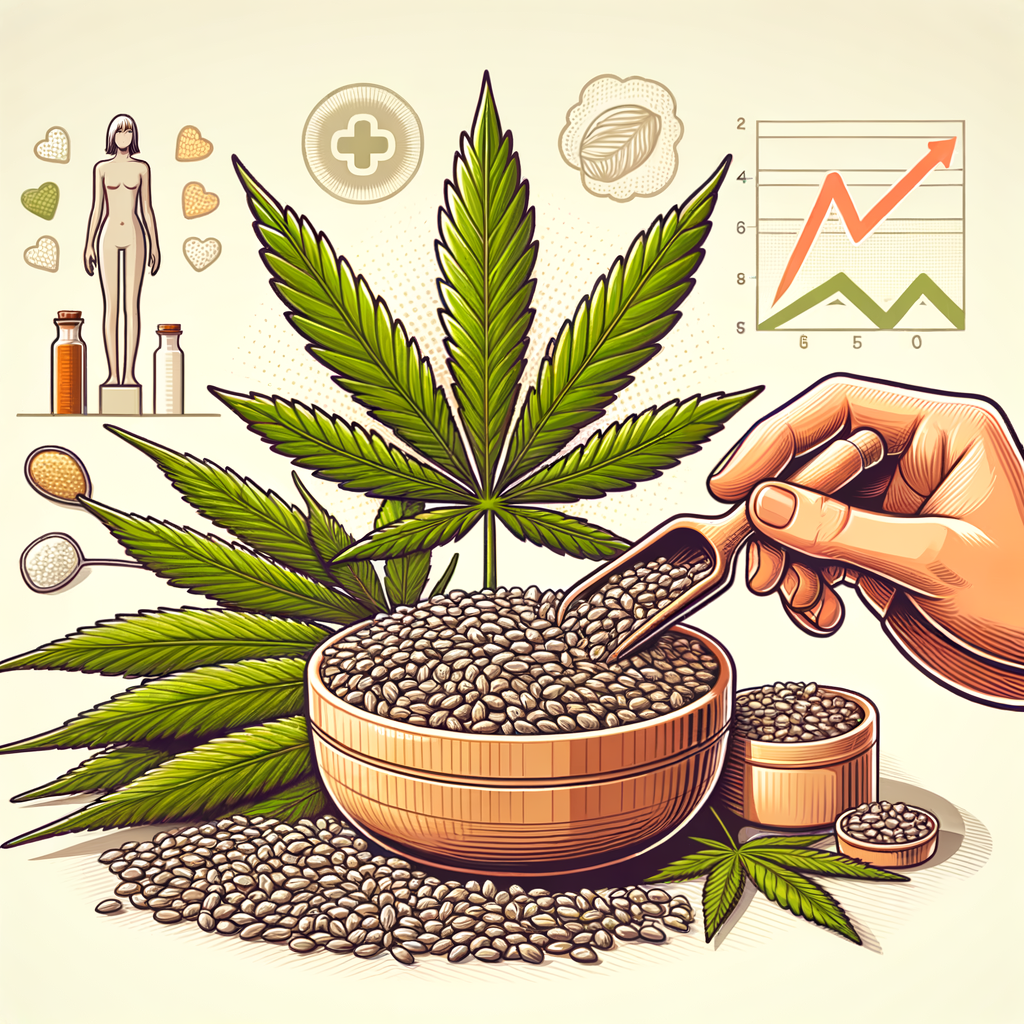
Vegan smoothies packed with hemp nutrition are one of the simplest ways to turn a quick drink into a balanced meal, a recovery snack, or a reliable source of plant-based protein, fiber, and essential fats. In practical diet planning, “hemp” usually refers to hemp hearts, hemp protein powder, hemp milk, and occasionally hemp seed oil, all derived from Cannabis sativa varieties bred for food use rather than intoxication. For vegans and vegetarians, these ingredients matter because they help solve common nutrition questions around protein quality, satiety, omega-3 intake, iron support, and convenience. I have worked with plant-based meal planning long enough to see the same pattern repeatedly: people commit to eating more plants, then struggle to build meals that are both nutritionally complete and easy to repeat on busy mornings. Hemp-based smoothies close that gap. They blend well, pair with fruit and greens, and add substance without the chalkiness often associated with some legume-heavy powders. As a hub topic within hemp for vegans and vegetarians, this guide explains what hemp contributes, how to build smoothies that actually nourish you, where each form of hemp fits, and which practical combinations work best for everyday use.
Why hemp works so well in vegan and vegetarian smoothies
Hemp is unusually useful in plant-based diets because it brings several nutrients in one ingredient. Hemp hearts provide protein, unsaturated fat, and minerals in a form that is easy to sprinkle or blend. Hemp protein powder adds concentrated protein and fiber with a more earthy flavor. Unsweetened hemp milk offers a dairy-free liquid base that is generally lighter than canned coconut milk and often easier to digest than soy for people who are sensitive to legumes. In smoothie formulation, that versatility matters. A good smoothie needs three things: a protein source to improve satiety, a fat source to slow digestion and support texture, and a carbohydrate source for energy and flavor. Hemp can cover the first two roles at once.
From a nutrition standpoint, hemp seed is known for containing all nine essential amino acids, which is why it is often described as a complete protein. That does not mean every scoop rivals isolated soy or pea protein gram for gram, but it does mean hemp can meaningfully contribute to total daily protein intake. Hemp also contains alpha-linolenic acid, the plant omega-3 that vegans often monitor more carefully. It is not a direct replacement for algae-based DHA and EPA supplements when those are indicated, yet it remains a valuable part of a well-planned plant-based pattern. I often recommend hemp to people who want a more food-first approach before relying on multiple fortified products.
Texture is another reason hemp succeeds in smoothies. Hemp hearts create creaminess without needing yogurt, banana, or nut butter in large amounts. Hemp protein thickens a blend while adding body, especially when paired with oats, frozen berries, or silken tofu. The result is a drink that feels substantial rather than thin. That matters for adherence. If a vegan smoothie leaves you hungry in an hour, it is not doing its job. A hemp smoothie usually performs better because its fat, protein, and fiber profile supports fullness more effectively than fruit-only blends.
Core hemp ingredients and when to use each one
Not every hemp product behaves the same way in a blender, so choosing the right one depends on your goal. Hemp hearts are the most versatile starting point. They have a mild, nutty taste and blend into fruit smoothies, green smoothies, and cocoa-based recipes without overpowering them. They work best when you want whole-food nutrition and moderate protein with a smooth finish. Hemp protein powder is more concentrated and better suited to post-workout smoothies or meal replacements, but it is grittier and more earthy. I usually balance that stronger profile with cacao, cinnamon, dates, frozen cherries, or peanut butter.
Hemp milk functions mainly as a liquid base. Store-bought versions vary widely, so label reading matters. Some are fortified with calcium, vitamin D, and vitamin B12, which can be useful in vegan diets. Others are lightly sweetened and contribute little beyond flavor and fluid. Unsweetened fortified hemp milk is typically the best default for routine use. Hemp seed oil is the least useful smoothie ingredient for most people. It can add healthy fats, but it contributes no protein or fiber and can make a drink feel oily if overused. In everyday planning, hemp hearts or hemp protein are usually the better nutritional investment.
| Hemp ingredient | Best use in smoothies | Main strengths | Watch-outs |
|---|---|---|---|
| Hemp hearts | Breakfast blends, green smoothies, fruit smoothies | Creamy texture, whole-food fats, minerals, moderate protein | Lower protein per serving than concentrated powders |
| Hemp protein powder | Meal replacement, recovery smoothie, higher-protein recipes | More protein and fiber, filling, easy to measure | Earthy flavor, can be gritty if overused |
| Hemp milk | Liquid base for dairy-free blending | Light texture, often fortified, allergy-friendly option | Nutrient content varies sharply by brand |
| Hemp seed oil | Occasional fat boost | Unsaturated fats | No protein or fiber, less useful than seeds for most smoothies |
As a hub for hemp for vegans and vegetarians, this distinction is important because many people assume all hemp foods are interchangeable. They are not. If your goal is muscle recovery, hemp protein may be the most efficient option. If your goal is a whole-food breakfast smoothie with balanced macros, hemp hearts are often the better fit. If your priority is avoiding nuts, soy, and dairy while still getting a creamy base, fortified hemp milk can be a practical anchor ingredient.
How to build a nutritionally complete vegan hemp smoothie
The best vegan smoothies packed with hemp nutrition follow a repeatable formula instead of relying on random ingredients. Start with a liquid base such as fortified hemp milk, soy milk, or water. Add hemp hearts or hemp protein for structure. Include fruit for carbohydrate and flavor, then choose one extra element based on need: leafy greens for folate and potassium, oats for slow-digesting carbohydrate, chia or flax for additional omega-3, tofu for extra protein, or nut butter for calorie density. This is the same framework I use when reviewing whether a smoothie can stand in for breakfast rather than act as a sweet beverage.
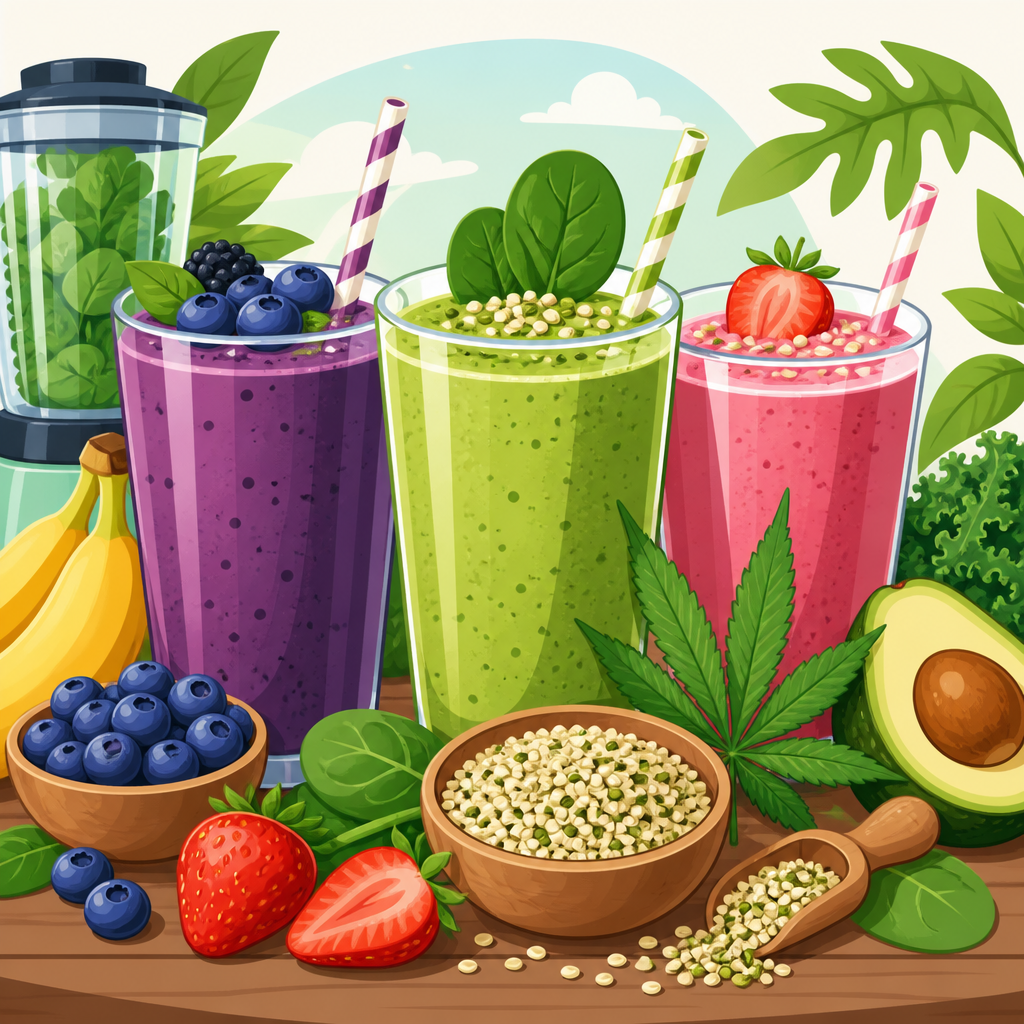
A balanced breakfast version might include unsweetened fortified hemp milk, frozen berries, half a banana, three tablespoons of hemp hearts, rolled oats, spinach, and cinnamon. That combination typically delivers fiber, plant protein, vitamin C, and useful minerals while keeping added sugars low. For a higher-protein vegetarian version, Greek-style yogurt can be included, but for strict vegans I find soy yogurt or silken tofu works well alongside hemp without compromising texture. If someone trains in the morning, I often increase total protein by combining hemp protein with soy milk because soy contributes a stronger amino acid profile, especially leucine, than seeds alone.
There are important limitations to understand. Smoothies are convenient, but they can become calorie-dense quickly if you stack bananas, dates, nut butters, coconut products, and large scoops of powder in one blender jar. Portion awareness still matters. Also, relying on smoothies alone is not ideal for overall diet quality; chewing whole foods supports meal satisfaction and broad dietary variety. The goal is not to replace solid meals all day. The goal is to use hemp smoothies strategically: busy breakfasts, post-exercise recovery, appetite support during high-demand periods, or gentle meals for people who prefer lighter textures.
Key nutrients vegans and vegetarians can support with hemp
Protein is the obvious benefit, but it is not the only one. Hemp foods support several nutrients that deserve attention in plant-based diets. Magnesium is one example. It contributes to energy metabolism, muscle function, and nerve signaling, and many adults do not consistently meet ideal intake levels. Hemp seeds also contain iron and zinc, though absorption of plant minerals can be influenced by the rest of the meal. This is why pairing hemp with vitamin C-rich fruit such as strawberries, kiwi, mango, or orange can make practical sense in smoothie design. It is a small tactic, but over time these choices improve the nutritional quality of recurring meals.
Essential fats are another point in hemp’s favor. Hemp seeds provide polyunsaturated fats, including omega-6 linoleic acid and omega-3 alpha-linolenic acid. That balance is one reason hemp is regularly discussed in vegetarian and vegan nutrition circles. It is not a cure-all, and it does not eliminate the need to think about the broader fat profile of the diet, but it does offer a useful alternative to getting fats primarily from nuts and coconut. For people who cannot tolerate almonds or cashews, hemp is often one of the easiest substitutions in smoothie recipes.
What hemp does not do is equally important. It is not a dependable source of vitamin B12, and unless a hemp milk is fortified, it should not be counted on for calcium or vitamin D. This is where careful vegan planning still applies. A smart hemp smoothie can support a plant-based diet very well, but it works best as one part of a larger pattern that includes fortified foods or supplements where needed. In practical counseling terms, hemp strengthens the foundation; it does not remove the need for planning.
Best smoothie combinations for common plant-based goals
Different smoothie builds serve different needs. For satiety and weight management, I favor a berry-hemp-oat combination: fortified hemp milk, frozen mixed berries, hemp hearts, oats, spinach, and a small amount of ginger. It is high in fiber, moderate in calories, and filling without tasting heavy. For muscle recovery, a stronger formula works better: soy milk, hemp protein powder, frozen banana, cocoa powder, peanut butter, and cinnamon. The cocoa masks hemp’s earthy notes, and the soy-plus-hemp combination raises total protein quality and quantity.
For people focused on digestive comfort, a simpler recipe is often best. Use hemp milk, frozen mango, zucchini, hemp hearts, and a little lime. Zucchini adds body without aggressive flavor, and mango improves drinkability for those who dislike grassy smoothies. For iron-conscious blends, pair hemp hearts with strawberries, orange segments, spinach, and pumpkin seeds. The fruit contributes vitamin C, while the seeds and greens broaden mineral intake. These combinations are practical because they reflect real constraints: taste fatigue, cost, protein targets, and ingredient tolerance.
Vegetarians who include dairy can still benefit from hemp by using it to diversify protein sources and improve fat quality. A smoothie with kefir or yogurt plus hemp hearts offers a broader nutrient matrix than dairy alone. Vegans, meanwhile, can use hemp to reduce dependence on highly processed bars and shakes. That is one reason this topic deserves hub status within hemp in different diets. It connects everyday meal construction with larger issues in plant-based eating: nutritional adequacy, sustainability, variety, and ease of adherence over time.
Shopping, storage, and common mistakes to avoid
Buying quality hemp products is straightforward once you know what to check. For hemp hearts, freshness matters most because the natural fats can go rancid. Choose sealed packages from reputable brands, note the best-by date, and store opened products in the refrigerator or freezer. For hemp protein powder, review the ingredient list carefully. The best products are usually simple, with minimal additives and no excessive sweeteners. For hemp milk, compare fortification levels. Calcium, vitamin D, and vitamin B12 can vary widely, and those differences matter more nutritionally than branding claims on the front of the carton.
The most common mistake I see is treating hemp as a miracle ingredient and ignoring the rest of the smoothie. A scoop of hemp powder does not automatically create a healthy meal. If the recipe is dominated by juice, syrups, and oversized portions, it can still become nutritionally lopsided. Another mistake is under-flavoring. Hemp protein in particular benefits from deliberate pairings such as cocoa, vanilla, espresso, cardamom, berries, or banana. When people dislike hemp smoothies, the issue is usually formulation, not hemp itself.
Cost is a valid concern, but hemp can still be economical when used strategically. Hemp hearts are often more expensive than oats or flax, so I encourage people to combine ingredients rather than rely on one premium component. A smoothie with oats, frozen fruit, spinach, and two tablespoons of hemp hearts can still be highly effective. Used this way, hemp improves nutritional density without pushing the budget too far.
Vegan smoothies packed with hemp nutrition give vegans and vegetarians a practical way to build more complete, satisfying meals with ingredients that are easy to store, simple to blend, and flexible enough for many dietary goals. The main lesson is clear: choose the right form of hemp for the job, build around a balanced smoothie formula, and remember that hemp works best as part of a thoughtful plant-based eating pattern. Hemp hearts are ideal for whole-food creaminess and everyday breakfast blends. Hemp protein powder is better for higher-protein recovery or meal replacement smoothies. Fortified hemp milk can be a useful liquid base, especially for people avoiding dairy, soy, or nuts. Across all of these options, hemp supports protein intake, contributes beneficial fats, and helps make vegan and vegetarian meals more filling and sustainable in real life.
As the central guide to hemp for vegans and vegetarians, this article should make one thing easier: deciding how to use hemp with purpose rather than guesswork. Start with one dependable recipe, adjust it to your needs, and pay attention to flavor, fortification, and portion balance. When hemp is used well, it turns a basic smoothie into a genuinely useful nutrition tool. Build one this week and make it part of your regular plant-based routine.
Frequently Asked Questions
1. What hemp ingredients work best in vegan smoothies, and how are they different?
The best hemp ingredient depends on what you want your smoothie to do. Hemp hearts are the most versatile starting point because they blend easily, add a mild nutty flavor, and contribute plant-based protein along with healthy unsaturated fats and minerals. They are ideal when you want a creamy texture without making the drink feel heavy. Hemp protein powder is more concentrated in protein and usually higher in fiber, so it is especially useful for turning a smoothie into a post-workout recovery drink or a more filling meal. The tradeoff is that hemp protein can taste earthier and create a thicker, grittier texture than hemp hearts.
Hemp milk is helpful when you want a dairy-free liquid base that keeps the smoothie fully vegan while adding subtle creaminess. It is often lighter in protein than hemp hearts or hemp protein powder unless it is fortified or specially formulated, so it works best as a base rather than the main protein source. Hemp seed oil is used less often in smoothies, but a small amount can increase healthy fat content and make the drink more satiating. That said, it does not provide the protein or fiber benefits that whole hemp foods do. In most practical smoothie recipes, the strongest combination is hemp milk as the liquid, hemp hearts for balanced nutrition and texture, and hemp protein powder when you need additional protein.
2. Are hemp smoothies a good source of protein for vegans and vegetarians?
Yes, hemp smoothies can be an excellent protein option for vegans and vegetarians, especially when built thoughtfully. Hemp foods are valuable because they help close common nutritional gaps in plant-based diets by contributing protein, fats, and minerals in one convenient ingredient. Hemp protein is often appreciated for its digestibility and for containing all essential amino acids, although like many plant proteins, its amino acid profile may be somewhat lower in certain amino acids compared with highly refined animal proteins. In everyday nutrition, that is rarely a problem for people who eat a varied diet with legumes, soy foods, grains, nuts, and seeds throughout the day.
If your goal is to make a smoothie that truly functions as a meal or recovery drink, hemp works best when paired with other complementary ingredients. For example, blending hemp protein or hemp hearts with soy milk, oats, chia seeds, peanut butter, berries, or banana can increase overall protein quality, improve fullness, and add carbohydrates needed for energy and muscle recovery. A smoothie made with just fruit and a splash of plant milk may taste good, but it will not be nearly as balanced as one that includes a meaningful protein source such as hemp. For many people, the appeal of hemp is that it offers a more whole-food, less processed feel than some other powders while still helping support daily protein intake in a convenient way.
3. Will hemp in a smoothie make you feel full, and can it support weight management?
Hemp can absolutely help make a smoothie more filling because it adds two major satiety factors: protein and fat. Hemp protein powder can also add fiber, depending on the product. This combination slows digestion compared with a fruit-only smoothie and can help reduce the quick hunger rebound that often happens after high-sugar drinks. Hemp hearts are especially useful when you want a smoothie that feels rich and satisfying without relying on dairy. They contribute creaminess and sustained energy, which can make the smoothie suitable as a breakfast or light meal.
For weight management, the key is balance rather than simply adding hemp and assuming the smoothie is automatically healthy. A well-built hemp smoothie can support appetite control when it includes protein, fiber, and a moderate amount of healthy fat, plus whole fruits or vegetables. On the other hand, if the smoothie also contains large amounts of sweetened plant milk, fruit juice, nut butter, syrups, and oversized portions, calories can add up quickly. A smart approach is to use hemp as the nutritional anchor, then build around it with ingredients like unsweetened hemp milk, frozen berries, spinach, oats, and a measured portion of banana or nut butter. That creates a drink that is more likely to keep you full and fit into a realistic diet plan.
4. Do hemp smoothies contain omega fats and other important nutrients?
Yes, one of the biggest nutritional advantages of hemp is its healthy fat profile. Hemp hearts are naturally rich in unsaturated fats, including omega-6 and omega-3 fatty acids, and they are often praised for providing these fats in a ratio that fits well into a balanced diet. These fats matter because they support overall health, including cell function and cardiovascular wellness. In addition to fats, hemp foods can contribute minerals such as magnesium, iron, zinc, and phosphorus, which are nutrients many people on plant-based diets pay close attention to.
Hemp smoothies can also become more nutritionally complete depending on what else you add. Pairing hemp with vitamin C-rich fruits like strawberries, mango, kiwi, or oranges can help support iron absorption from plant foods. Using fortified hemp milk or another fortified plant milk can boost calcium, vitamin D, and vitamin B12 intake, which are especially relevant for vegans. This is why hemp smoothies are often more than just protein drinks. They can be a practical delivery system for multiple nutrients at once. The best results come from treating the smoothie as part of an overall balanced eating pattern rather than expecting one ingredient to cover every nutritional need by itself.
5. Can hemp smoothies cause side effects, and how much hemp should you use?
For most people, hemp foods are well tolerated and easy to use in smoothies, but portion size still matters. A common starting point is 2 to 3 tablespoons of hemp hearts or one serving of hemp protein powder, usually based on the product label. Starting there helps you assess flavor, texture, and digestion before increasing the amount. Because hemp can add fiber and fat, larger servings may feel heavy or cause digestive discomfort in people who are not used to higher-fiber or higher-fat foods. This is more likely with hemp protein powder than with hemp milk. Drinking enough water and increasing intake gradually can help.
It is also important to clear up a common concern: food-grade hemp ingredients such as hemp hearts, hemp protein, and hemp milk are derived from varieties of Cannabis sativa grown for nutrition, not intoxication. They do not produce a “high” when used in normal food amounts. As with any packaged product, quality matters. Choose unsweetened options when possible, check labels for unnecessary additives, and pay attention to storage instructions because fats in seeds can go rancid over time. If you have a specific medical condition, food allergy, or need to follow a therapeutic diet, it is wise to check with a healthcare professional or registered dietitian. For most healthy adults, though, hemp is a practical, nutrient-dense ingredient that fits very well into vegan smoothies.