
Hemp is one of the most practical whole foods for weight control because it delivers protein, fiber, healthy fats, and micronutrients in a compact form that supports fullness without relying on extreme dieting. When people ask whether hemp helps with weight management, the short answer is yes: hemp foods can make appetite easier to manage, improve meal quality, and help preserve lean mass during calorie reduction. In my experience working with nutrition-focused content and analyzing food patterns across different diet styles, hemp stands out because it is versatile enough for smoothies, salads, yogurt bowls, soups, and snacks while still offering a serious nutritional profile.
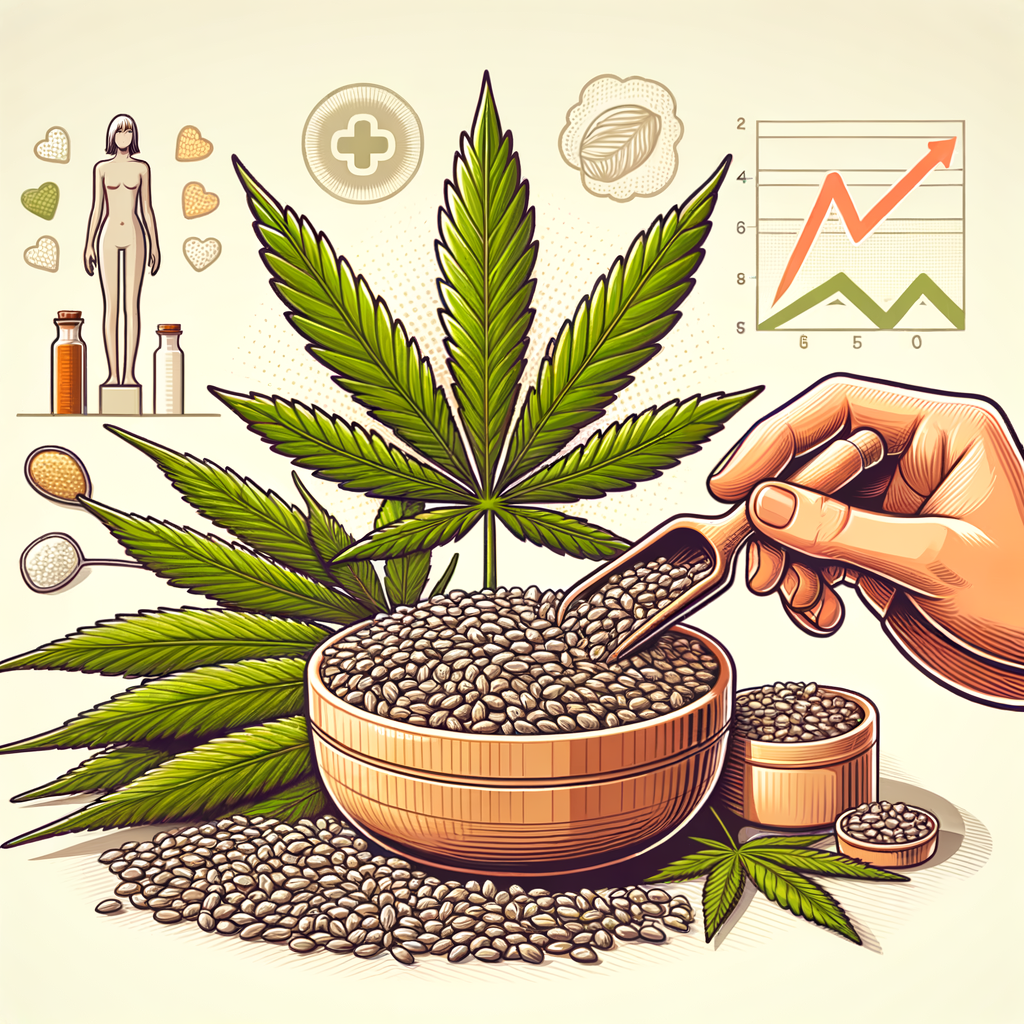
For this topic, hemp usually refers to edible hemp foods such as hemp hearts, hemp seeds, hemp protein powder, and hemp seed oil. These come from varieties of Cannabis sativa bred for food and fiber, not for intoxicating effects. Hemp hearts are the soft inner seed after the shell is removed. Whole hemp seeds include the hull, which changes texture and fiber content. Hemp protein powder is made after much of the oil is pressed out, concentrating protein and some fiber. Hemp seed oil contains beneficial fats but little protein or fiber, so it plays a different role in weight control.
Weight management is not just about eating fewer calories. Sustainable control depends on satiety, blood sugar stability, muscle retention, food quality, and consistency. A food that fits weight goals should help people feel satisfied, support a balanced eating pattern, and be easy to use repeatedly. Hemp checks many of those boxes. It provides complete protein with all nine essential amino acids, unsaturated fats including omega-3 alpha-linolenic acid and omega-6 linoleic acid, minerals such as magnesium and iron, and a mild nutty flavor that works in many meals.
This matters because many people struggle not with knowing they should eat better, but with building meals that actually keep them full and energized. Hemp can bridge that gap. It is useful for omnivores, vegetarians, vegans, active adults, and people trying to reduce processed snack intake. As a hub for hemp for weight management, this article explains how hemp supports appetite control, where different hemp products fit, how to use them in realistic meal patterns, and what limitations to keep in mind if your goal is fat loss, weight maintenance, or improved body composition.
Why Hemp Supports Weight Control
Hemp supports weight control through a combination of protein, fat quality, nutrient density, and convenience. The most useful hemp food for this purpose is often hemp hearts. A typical serving of about three tablespoons provides roughly 10 grams of protein and 12 to 15 grams of fat, mostly unsaturated, along with minerals that support normal energy metabolism. Protein helps increase satiety and can reduce the urge to keep eating after a meal. That matters during weight loss, when hunger is often the main reason people abandon a calorie deficit.
Hemp protein powder is especially valuable when someone needs higher protein without as much fat. Depending on the brand, a serving can provide around 15 to 20 grams of protein. That makes it easier to build breakfasts or post-workout meals that protect lean mass. Preserving muscle is critical in weight management because muscle tissue supports resting energy expenditure and physical function. If a diet causes rapid weight loss but too much muscle loss, long-term results are usually worse. Hemp protein can help correct that problem when used as part of a higher-protein eating pattern.
Another reason hemp works is that it improves meal quality fast. I have seen a common pattern in food logs: breakfast is often too low in protein, lunch is rushed, and late-day cravings hit hard. Adding hemp hearts to oatmeal, Greek yogurt, or a smoothie turns a weak meal into one that is more satisfying. The effect is not magical; it is nutritional. Meals with better protein and fat balance tend to digest more steadily than meals built mostly from refined starch. That steadier profile often translates into fewer energy crashes and less impulsive snacking.
Micronutrients also matter more than many weight-loss plans acknowledge. Hemp provides magnesium, zinc, phosphorus, manganese, and iron in meaningful amounts. Magnesium is involved in hundreds of enzymatic processes, including those tied to glucose metabolism, muscle function, and nerve signaling. When people are under-eating or relying heavily on ultra-processed diet foods, micronutrient gaps can make adherence harder by worsening fatigue or food cravings. Hemp is not a cure for that, but it is a nutrient-dense food that can strengthen the overall quality of a reduced-calorie diet.
Comparing Hemp Foods for Weight Management
Not every hemp product serves the same purpose. If someone wants satiety and balanced nutrition, hemp hearts are usually the best everyday option. If the goal is increasing protein while limiting calories from fat, hemp protein powder may fit better. Whole hemp seeds can add texture and extra fiber, but some people prefer the softer texture of shelled seeds. Hemp seed oil is nutritious, especially for salad dressings, yet it is the least filling option because it contains fat without the protein and fiber that create stronger satiety signals.
| Hemp Food | Main Benefit for Weight Control | Best Use | Limitation |
|---|---|---|---|
| Hemp hearts | Balanced protein and healthy fats for fullness | Yogurt, oats, salads, grain bowls | Calories add up if portions are not measured |
| Whole hemp seeds | Similar nutrition with more texture and some extra fiber | Homemade granola, bread, seed mixes | Harder texture may not suit every meal |
| Hemp protein powder | Higher protein with less fat, useful for muscle retention | Smoothies, protein oats, baking | Taste can be earthy; blend quality varies by brand |
| Hemp seed oil | Provides unsaturated fats and flavor | Dressings, drizzles, cold dishes | Low satiety compared with seed-based forms |
This comparison matters because people often assume all “healthy” versions of a food are interchangeable. They are not. If your main challenge is overeating between meals, choose forms that include protein and intact food structure. If your main challenge is hitting a protein target while staying in a calorie deficit, powder can be more efficient. If you enjoy meal prep, combining hemp hearts with beans, vegetables, and whole grains can create highly satisfying bowls that support adherence better than low-calorie meals with little texture or substance.
How Hemp Affects Appetite, Blood Sugar, and Body Composition
The strongest case for hemp in weight management comes from how it improves satiety and supports body composition. Appetite is regulated by many factors, including stomach stretch, protein intake, fiber, food reward, sleep, and stress. Hemp does not control all of these, but it improves several. Protein stimulates satiety hormones and reduces the likelihood that a meal feels incomplete. Fat slows gastric emptying and can make meals more satisfying. When hemp is paired with fiber-rich foods such as berries, chia, oats, lentils, or vegetables, the satiety effect is usually stronger.
Blood sugar management is also part of the picture. Hemp foods are naturally low in digestible carbohydrate, so they do not produce the rapid glucose rise associated with sugary breakfast foods or refined snack products. In practice, this means hemp works best as a stabilizer. For example, adding hemp hearts and plain yogurt to fruit creates a more balanced meal than eating fruit alone. Blending hemp protein with unsweetened milk and frozen berries can produce a breakfast with far less blood sugar volatility than a pastry and coffee. More stable energy often means fewer cravings later in the day.
For body composition, hemp is most useful as a support food rather than a standalone solution. Fat loss requires a sustained calorie deficit, but the quality of that deficit matters. Higher protein diets repeatedly show benefits for satiety and lean mass retention. Hemp can contribute to that total. It should not be the only protein source, especially for athletes or older adults with higher needs, but it can be part of a strong rotation alongside Greek yogurt, tofu, eggs, fish, cottage cheese, soy foods, legumes, and lean meats. Diversity improves amino acid intake, meal satisfaction, and long-term compliance.
There are limits. Hemp hearts are nutritious, but they are energy-dense. People trying to lose weight can accidentally turn a healthy topping into a large calorie addition if they pour freely from the bag. This is where practical coaching matters: measure portions at first, then learn what a serving looks like. In most cases, one to three tablespoons is enough to improve a meal without overwhelming the calorie budget. Weight control succeeds when nutritious foods are used deliberately, not when they are treated as unlimited because they came from a health-food shelf.
Practical Ways to Use Hemp in a Weight-Loss Diet
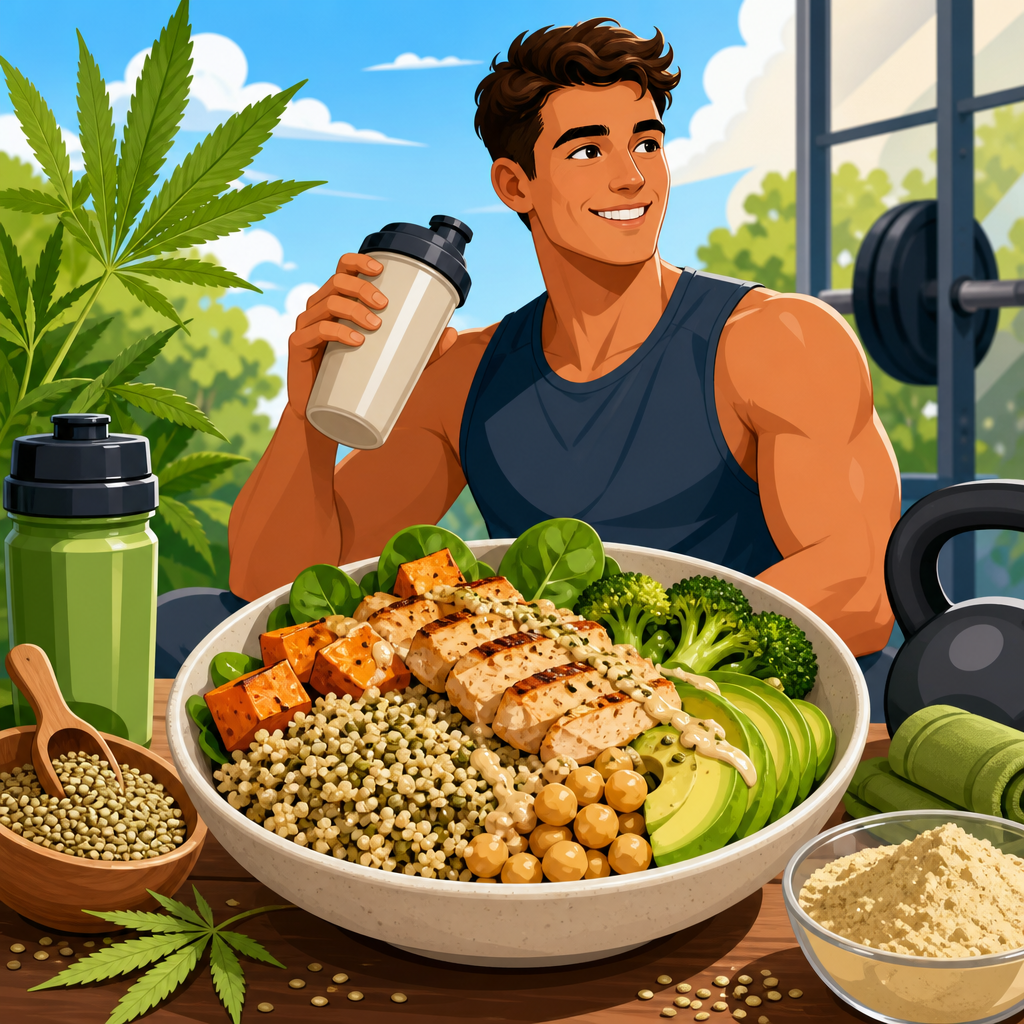
The easiest way to use hemp for weight management is to upgrade meals you already eat. Stir hemp hearts into overnight oats with cinnamon and berries. Add them to cottage cheese or plain yogurt for extra protein and texture. Blend hemp protein powder into a smoothie with spinach, frozen berries, and unsweetened soy milk. Sprinkle hemp hearts over roasted vegetables and lentil bowls. Mix them into tuna salad or chickpea salad to increase nutrient density without changing the meal dramatically. Small changes like these are easier to maintain than a complete diet overhaul.
For breakfast, hemp can solve one of the biggest weight-loss problems: meals that are too light in protein. Toast or cereal alone often leads to hunger before lunch. A better option is oatmeal cooked with milk, topped with hemp hearts and fruit, or a smoothie made with hemp protein, banana, and peanut butter in a measured amount. For lunch, hemp fits well in grain bowls with quinoa, edamame, and crunchy vegetables. For dinner, it can be used in pesto-style sauces, meatball extenders, or as a topping on soups. For snacks, combine hemp hearts with sliced apples and yogurt instead of relying on low-fiber snack bars.
Meal planning is where hemp becomes especially effective. In real life, people lose control of eating patterns when they are rushed, traveling, or stuck with convenience food. Keeping shelf-stable hemp hearts and protein powder on hand reduces that friction. I have found that when a food is easy to add and hard to misuse, adherence improves. Hemp meets that standard if portions are pre-decided. Store a tablespoon measure in the bag, plan where it will be used during the week, and pair it with produce and a primary protein source. That kind of system works better than vague intentions to “eat healthier.”
Different diets can use hemp effectively. In plant-based diets, hemp helps close protein gaps and adds minerals often monitored closely, such as iron and zinc. In Mediterranean-style eating, it complements fish, legumes, olive oil, vegetables, and whole grains. In lower-carbohydrate patterns, hemp offers nutrient density without adding many carbs. In high-protein fat-loss plans, hemp protein powder can support target intake while adding variety. That flexibility makes hemp a strong hub ingredient for weight management, because it adapts to the eating pattern a person can actually sustain rather than forcing a rigid template.
Common Mistakes, Safety Notes, and What to Read Next
The most common mistake with hemp and weight control is assuming healthy food automatically leads to weight loss. It does not. Portion size still matters, and total daily intake still matters. A second mistake is using hemp oil as if it were equal to whole seeds for satiety. Oil can be part of a healthy diet, but it will not keep most people full the way hemp hearts or hemp protein will. A third mistake is relying on hemp alone to fix a diet that is otherwise low in vegetables, low in protein, or dominated by liquid calories and restaurant meals.
Most people tolerate hemp foods well, but there are practical considerations. Anyone with seed allergies should review labels and use caution. Because hemp is rich in unsaturated fats, it should be stored properly to preserve freshness; many products benefit from refrigeration after opening. Choose brands that provide transparent nutrition labels and, ideally, third-party quality testing. Flavor and texture vary, so trying two or three reputable brands is worthwhile before deciding whether a product fits your routine. If you use medications or have a medical condition requiring dietary management, personalized guidance from a clinician is always appropriate.
The main takeaway is simple: hemp is a nutrient-dense food that can make weight control more manageable by improving satiety, supporting protein intake, and raising the nutritional quality of everyday meals. It works best when matched to the right form, used in measured portions, and combined with a broader eating pattern built around whole foods. As the central guide within hemp for weight management, this article gives you the foundation: understand the forms, use hemp to strengthen weak meals, and focus on consistency over novelty. Next, explore more detailed pages on hemp hearts for satiety, hemp protein for fat loss, meal prep strategies, and hemp in plant-based weight-loss diets.
Frequently Asked Questions
How does hemp support weight control?
Hemp supports weight control by combining several qualities that make eating more satisfying and nutritionally efficient. It provides plant-based protein, fiber, and healthy fats in a relatively compact serving, which helps increase fullness and reduce the urge to snack constantly. That matters because sustainable weight management usually depends less on extreme restriction and more on controlling hunger, improving meal quality, and maintaining consistency over time.
Protein in hemp foods can help support satiety and preserve lean muscle during a calorie-controlled eating plan. Fiber helps slow digestion and supports steadier appetite patterns, while the fats in hemp, especially its unsaturated fats, add staying power to meals. Instead of causing the quick rise-and-fall effect that often follows highly refined foods, hemp can help build meals that feel balanced and satisfying. This makes it easier for many people to stay within their calorie needs without feeling deprived.
Another advantage is nutrient density. Hemp contains important micronutrients such as magnesium, iron, zinc, and other compounds that contribute to overall nutrition. When calorie intake is reduced, food quality becomes even more important. Choosing foods like hemp can help people get more nutrition from fewer calories, which supports a healthier and more realistic approach to weight control.
Is hemp protein good for fat loss, or is it just another trendy supplement?
Hemp protein can absolutely be useful for fat loss, but its value depends on how it is used within an overall eating pattern. It is not a magic product, and it does not replace the need for a sensible calorie intake, regular movement, and a balanced diet. What makes hemp protein helpful is that it offers a practical way to increase protein intake, and higher-protein diets often make fat loss easier by improving fullness and helping protect lean body mass.
When people reduce calories to lose weight, one common problem is that meals become too small, too carb-heavy, or not satisfying enough. That can lead to intense hunger and make adherence much harder. Hemp protein helps address that issue by adding substance and satiety to smoothies, oatmeal, yogurt alternatives, or baked foods. It can make a light meal more filling and nutritionally complete, which supports consistency over time.
Compared with some heavily processed protein products, hemp protein also has the appeal of being closer to a whole-food ingredient. It often contains some fiber along with protein, which adds another benefit for appetite control. That said, results come from the overall diet, not from one food alone. Hemp protein works best when it is part of meals built around vegetables, fruits, legumes, whole grains, and other minimally processed foods that support a calorie deficit without excessive hunger.
Which hemp foods are best for managing appetite and staying full longer?
The best hemp foods for appetite management are usually hemp seeds, hemp hearts, and hemp protein powder, because they are easy to add to regular meals and can improve satiety without much effort. Hemp hearts are especially practical because they have a mild flavor and soft texture, making them simple to sprinkle onto oatmeal, salads, soups, yogurt bowls, or roasted vegetables. Adding them to a meal can increase protein and healthy fat content, which often helps that meal feel more complete.
Hemp protein powder can be especially useful for people who struggle to eat enough protein at breakfast or after exercise. Mixing it into a smoothie with fruit, greens, and perhaps chia or flax can create a filling meal that digests more slowly than a carb-heavy breakfast alone. It also works well stirred into overnight oats or blended into soups for an extra protein boost.
Whole hemp foods generally work best when they are used to upgrade a meal rather than treated as a stand-alone fix. For example, adding hemp hearts to berries alone will not be as filling as combining them with Greek-style yogurt, oats, and fruit, or with eggs and vegetables at breakfast. The strongest appetite-control effect comes from meal composition. Hemp helps most when it contributes to a meal that includes protein, fiber-rich carbohydrates, and healthy fats in a balanced way.
Can hemp help preserve muscle while losing weight?
Yes, hemp can help preserve muscle during weight loss, especially when it is used to support adequate protein intake throughout the day. One of the biggest challenges during calorie reduction is losing not just body fat, but also some lean tissue. Preserving muscle is important because muscle supports metabolic health, physical function, and long-term weight maintenance. A diet that includes enough protein, along with resistance training, gives the body a better chance of holding onto lean mass while fat is being reduced.
Hemp contributes to this process by supplying plant-based protein in a form that is easy to include in meals and snacks. If someone is eating less overall, every meal matters more. Including hemp in breakfast bowls, shakes, salads, or snacks can help spread protein intake more evenly across the day, which is often more effective than trying to consume most protein at one meal. This can be particularly useful for people following a more plant-forward diet who want convenient ways to meet protein needs.
Of course, hemp should be seen as one protein source among many. Muscle preservation during weight loss depends on the total amount of protein consumed, the quality of the overall diet, and regular strength-based exercise. Hemp fits well into that strategy because it improves the protein density of meals while also adding healthy fats, minerals, and in many forms, fiber. That combination makes it easier to build a calorie-conscious eating pattern that still supports strength and body composition.
What is the best way to add hemp to a weight-management diet without overeating calories?
The best approach is to use hemp strategically, as a nutrient-dense addition that improves meal quality, rather than treating it as an unlimited “health food.” Hemp is nutritious, but like nuts, seeds, and oils, it is still calorie-dense. That is not a drawback; it simply means portion awareness matters. Small to moderate servings can have a big impact on satiety and nutrition without pushing calories too high.
A practical strategy is to replace less satisfying ingredients with hemp instead of just adding it on top of everything else. For example, you might swap sugary granola for a smaller portion of oats plus hemp hearts, or replace a low-protein snack with a smoothie made from hemp protein, fruit, and unsweetened milk. You can also use hemp seeds to make salads more satisfying, which may reduce the likelihood of needing extra snacks later in the day. In that sense, hemp works best as a meal-building ingredient, not as a free extra.
It also helps to pair hemp with foods that already support appetite control, such as vegetables, legumes, high-fiber grains, and lean or plant-based proteins. A tablespoon or two of hemp hearts added to a balanced bowl can do more for fullness than eating the same amount on its own. The goal is not just to eat hemp, but to use it to create meals that are more filling, more nutrient-dense, and easier to sustain over time. That is where hemp becomes genuinely useful for weight management.