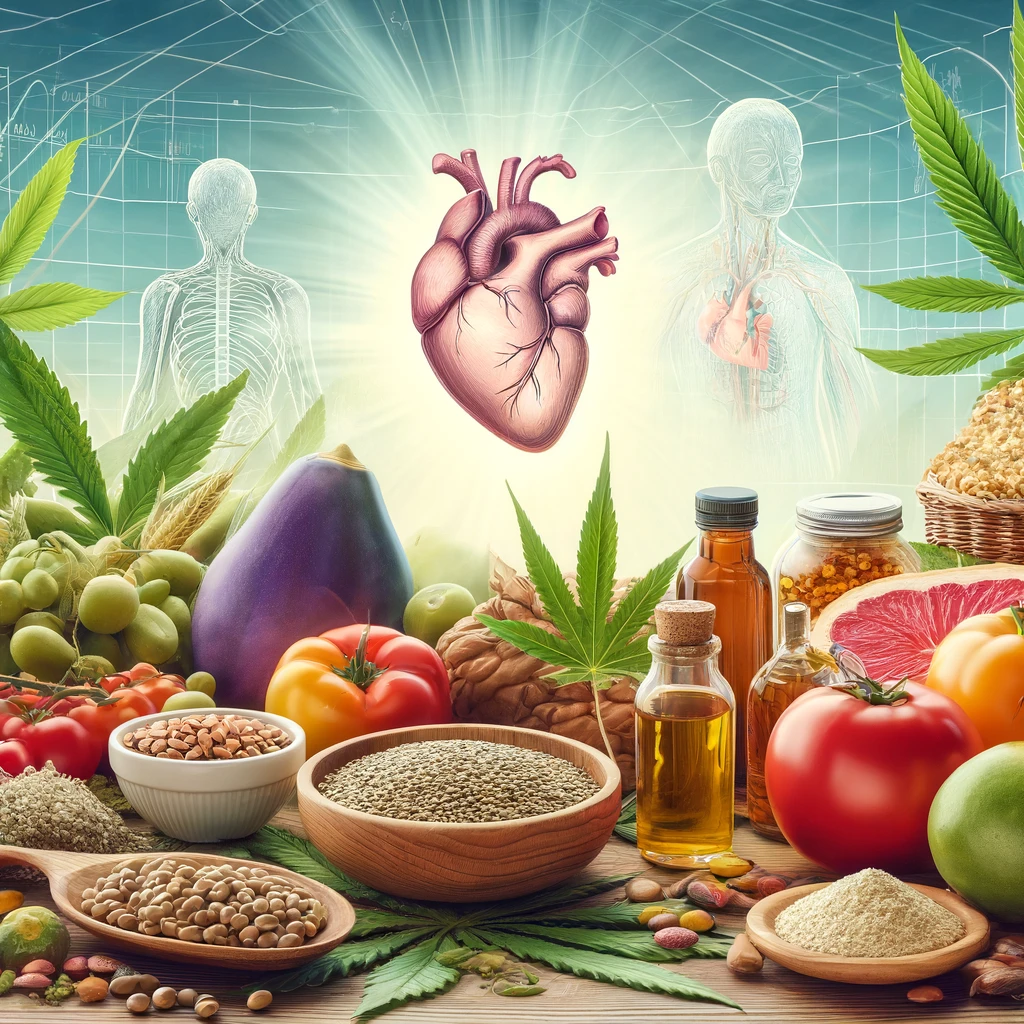
Heart disease is one of the leading causes of death globally, taking millions of lives each year. While many factors contribute to heart health, dietary choices play an integral role in either exacerbating or mitigating heart disease. Among the myriad of diets and nutrients touted for heart health, hemp food has recently gained recognition. Hemp, derived from the Cannabis Sativa plant, is increasingly being praised for its nutritional benefits, which could significantly aid in heart disease prevention.
Unlike its cousin marijuana, hemp contains negligible levels of THC, the psychoactive component. Instead, it is packed with essential nutrients such as omega-3 fatty acids, fiber, protein, vitamins, and minerals. These components are scientifically proven to offer cardio-protective properties. The multifaceted nutritional profile of hemp makes it a potent food source for maintaining cardiovascular health.
This article delves into the various ways hemp food can aid in preventing heart disease. We will explore its nutritional components, its impact on cholesterol levels, how it reduces inflammation, and its role in enhancing overall cardiovascular function. For those keen on preventive health measures, incorporating hemp food might just be a game-changer for heart health.

Omega-3 and Omega-6 Fatty Acids
One of the standout features of hemp seeds is their optimal ratio of omega-3 to omega-6 fatty acids. Most Western diets are excessively rich in omega-6 fatty acids while being deficient in omega-3s, leading to an imbalance that can increase the risk of heart disease. However, hemp seeds offer an ideal 3:1 ratio of these essential fatty acids, promoting cardiovascular health.
Omega-3 fatty acids are known for their anti-inflammatory properties, which play a crucial role in preventing the buildup of arterial plaque and reducing blood pressure. They also help in lowering triglyceride levels, thereby reducing the risk of atherosclerosis and other heart conditions. On the other hand, omega-6 fatty acids, while also necessary, need to be consumed in balanced amounts to prevent inflammation.
By consuming hemp food products such as hemp seeds, hemp oil, and hemp protein powder, you can help maintain this critical balance. This balance is instrumental in keeping the arteries clear, improving blood flow, and ultimately reducing the risk of heart disease. Incorporating these products into your daily diet can make a significant difference in your long-term heart health.
Fiber Content
Dietary fiber is another essential nutrient that hemp food abundantly provides. Consuming foods rich in fiber is linked to a wide range of health benefits, including for cardiovascular health. Fiber helps regulate cholesterol levels by binding with cholesterol particles in the digestive system and helping to remove them from the body.
Soluble fiber, in particular, is beneficial in reducing low-density lipoprotein (LDL) cholesterol levels—often referred to as ‘bad’ cholesterol. High levels of LDL cholesterol are a known risk factor for heart disease as they can lead to the buildup of plaque in the arteries, narrowing them and leading to conditions such as atherosclerosis. Hemp seeds are an excellent source of both soluble and insoluble fiber, making them a comprehensive food choice for heart health.
The inclusion of hemp-based products in the diet, thereby ensuring an adequate intake of fiber, can be a simple yet effective strategy to combat heart disease. Moreover, a high-fiber diet also aids in weight management, another crucial factor in maintaining heart health. Regular daily intake of hemp seeds or adding hemp powder to smoothies can significantly contribute to your fiber intake.
Protein Powerhouse
Hemp is also a rich source of plant-based protein, which is beneficial for heart health. Unlike animal proteins, plant-based proteins are generally lower in saturated fats and cholesterol. A diet high in saturated fats can lead to increased cholesterol levels, further contributing to the risk of heart disease.
Beyond just being a protein source, hemp protein contains all nine essential amino acids, making it a complete protein. This is relatively rare in the plant kingdom and thus makes hemp a crucial component in a heart-healthy diet. Amino acids are the building blocks of the body and are necessary for tissue repair and growth, which is beneficial for heart health.
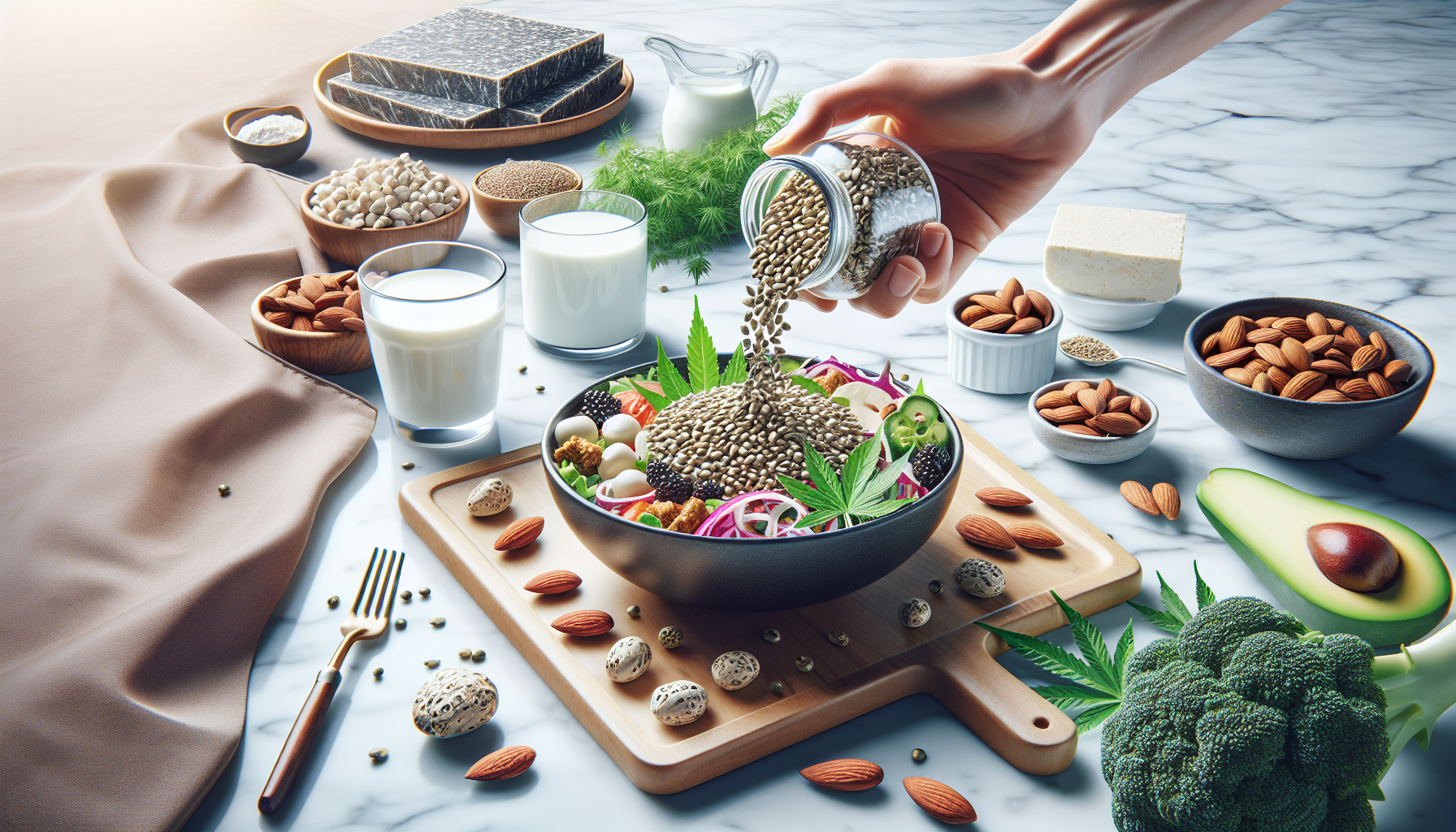
Including hemp protein powder in smoothies, baking, or even as a sprinkle on salads can significantly boost your protein intake without the associated risks of animal-based proteins. This plant-based protein option offers a heart-healthy alternative for those looking to reduce their risk of heart disease.
Vitamins and Minerals
The rich array of vitamins and minerals in hemp seeds further promotes heart health. Notably, hemp seeds are high in vitamin E, magnesium, phosphorus, and potassium. Each of these nutrients plays a vital role in maintaining cardiovascular health.
Vitamin E is a potent antioxidant that helps in preventing oxidative stress, which is a significant contributor to heart disease. Magnesium, on the other hand, helps in maintaining normal blood pressure levels, something that is crucial for preventing heart attacks and strokes. Potassium is beneficial in balancing sodium levels in the body, thus regulating blood pressure. Phosphorus is essential for energy production and overall cardiovascular function.
The diverse range of vitamins and minerals in hemp makes it a superfood for heart health. Integrating hemp seeds into your regular diet can provide these essential nutrients, thus offering a natural way to enhance your cardiovascular health.
Anti-inflammatory Properties
Chronic inflammation is a significant driver of heart disease. Inflammation in the arteries can lead to the buildup of plaques, and ultimately, heart attacks or strokes. Hemp seeds are remarkably rich in gamma-linolenic acid (GLA), an omega-6 fatty acid that has potent anti-inflammatory properties.
The consumption of GLA can help in reducing chronic inflammation, thereby lowering the overall risk of heart disease. In addition to GLA, the presence of other fatty acids like alpha-linolenic acid (ALA) also contributes to the anti-inflammatory benefits of hemp. These compounds work together to reduce the levels of inflammatory markers in the body.
Making hemp a part of your daily diet can thus serve as a natural way to mitigate inflammation. From smoothies to salads, the versatility of hemp seeds, hemp oil, and hemp-based products make them easy to incorporate into your meals, offering a proactive measure to combat chronic inflammation.
Conclusion
As we continue to look for ways to improve our cardiovascular health, incorporating hemp into our diet stands out as an effective and natural option. Rich in essential fatty acids, fiber, protein, vitamins, and minerals, hemp food offers a comprehensive approach to maintain heart health. Each component works synergistically to reduce bad cholesterol, manage inflammation, regulate blood pressure, and provide necessary nutrients for overall cardiovascular function.
The optimal omega-3 to omega-6 ratio in hemp seeds ensures that you are getting the right balance of fatty acids, crucial for reducing inflammation and preventing arterial plaque buildup. The abundant fiber content aids in cholesterol management and weight control, both critical factors for heart disease prevention. High-quality, complete protein offers a heart-healthy alternative to animal proteins, reducing the intake of saturated fats and cholesterol.
The anti-inflammatory properties and the rich nutrient profile of hemp seeds and hemp oil further enhance their benefits for heart health. By integrating hemp-based foods into your diet, you can take a proactive step towards preventing heart disease. Whether it’s through hemp seeds, hemp oil, or hemp protein powder, the versatility of hemp makes it easy to include in various dishes.
As awareness about the importance of heart health grows, incorporating nutrient-dense foods like hemp into our diets can be an effective strategy for disease prevention. With scientific backing for its many health benefits, hemp food stands out as a valuable addition to a heart-healthy lifestyle. Make the choice today for a healthier heart and a longer, happier life.