
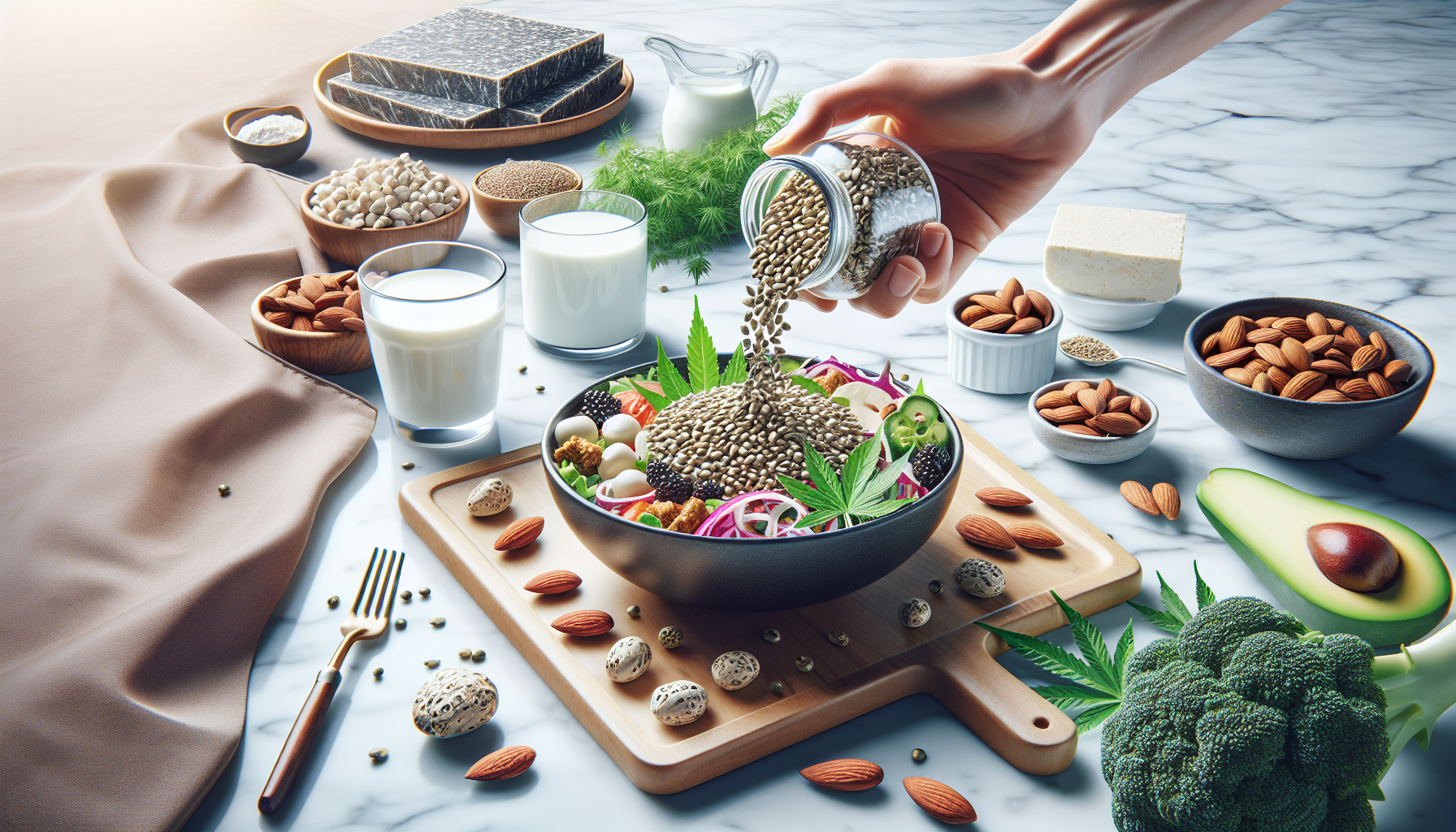
Hemp seeds for bone strength deserve serious attention because bone and joint health depends on more than calcium alone. Bones are living tissue, constantly remodeled by osteoblasts that build bone and osteoclasts that break it down. Joints rely on cartilage, synovial fluid, collagen-rich connective tissue, and low levels of chronic inflammation to stay mobile and comfortable. As someone who has worked on nutrition content for health publishers and reviewed diet patterns against clinical guidance, I have seen one recurring mistake: people isolate a single “bone nutrient” and ignore the broader matrix that supports skeletal resilience. Hemp seeds fit that matrix exceptionally well.
Hemp seeds are the soft, edible inner portion of Cannabis sativa seeds. They do not produce intoxication and are valued as a food, not a drug. Nutritionally, they provide complete protein, unsaturated fats, magnesium, phosphorus, manganese, zinc, iron, and smaller amounts of other minerals involved in bone metabolism. They also contribute calories and protein in a compact form, which matters because under-eating and low protein intake are both linked to poorer musculoskeletal outcomes, especially in older adults.
Bone and joint health matters at every age. During childhood and adolescence, diet helps determine peak bone mass. In adulthood, nutrition influences bone maintenance, recovery from training, and joint comfort. With aging, the stakes increase: bone density can decline, muscle mass can drop, balance can worsen, and inflammatory joint complaints often become more common. A practical food like hemp seeds belongs in this discussion because it supports several relevant systems at once: mineral intake, protein adequacy, healthy fat balance, and dietary variety.
This hub article covers the full subtopic of bone and joint health through the lens of hemp seeds. It explains what nutrients in hemp seeds support bones, how those nutrients interact with exercise and overall diet, where hemp seeds help joint health, and where they have limits. It also serves as a foundation for deeper pages on calcium, magnesium, omega fats, collagen, inflammation, arthritis-friendly diets, and protein for aging adults. If a searcher asks, “Are hemp seeds good for bones?” the direct answer is yes, as part of a balanced diet, because they supply several nutrients and dietary factors associated with stronger bones and better joint support, though they are not a replacement for calcium, vitamin D, medical care, or resistance exercise.
Why Hemp Seeds Support Bone and Joint Health
Hemp seeds support bone and joint health primarily through nutrient density. Three tablespoons, a common serving, typically deliver about 10 grams of protein, around 14 grams of fat dominated by unsaturated fatty acids, and meaningful amounts of magnesium, phosphorus, manganese, and zinc. Those values vary by brand, but the pattern is consistent. From a bone-health perspective, magnesium helps with vitamin D metabolism and bone structure, phosphorus is a structural component of hydroxyapatite in bone, manganese contributes to connective tissue formation, and zinc participates in bone tissue renewal.
Protein is another major reason hemp seeds matter. Bone is not just mineral; it has a protein framework, largely collagen, that gives it flexibility and tensile strength. In practice, I often see people focus so heavily on calcium that they overlook protein adequacy, especially if they eat lightly, follow restrictive diets, or are recovering from illness. Hemp seeds help close that gap. Their amino acid profile includes all essential amino acids, making them a useful complementary food for bone maintenance and muscle support. Strong muscles reduce fall risk and improve joint stability, which indirectly protects bone.
The fat profile also matters. Hemp seeds contain linoleic acid and alpha-linolenic acid, along with gamma-linolenic acid in smaller amounts. This combination does not make hemp seeds a high-EPA-or-DHA food, but it does support an anti-inflammatory dietary pattern when they replace more processed fats. Joint health is strongly affected by inflammatory load, body weight, muscle conditioning, and overall diet quality. In real-world meal planning, adding hemp seeds to yogurt, oats, soups, or salads often improves nutrient density without requiring a major diet overhaul.
Key Nutrients in Hemp Seeds and Their Role in Bones
Bone strength depends on coordinated nutrient intake, not a single superfood. Hemp seeds contribute to that coordination. Magnesium helps regulate parathyroid hormone and influences how the body uses vitamin D, both central to calcium balance. Phosphorus pairs with calcium in the mineral matrix of bone. Zinc supports osteoblast activity and tissue repair. Manganese assists enzymes involved in cartilage and connective tissue formation. Iron contributes indirectly by supporting oxygen transport and energy metabolism, which matter for activity levels and recovery.
Here is a practical breakdown of the bone and joint relevance of hemp seed nutrients.
| Nutrient in hemp seeds | Why it matters for bone and joint health | Practical note |
|---|---|---|
| Protein | Provides amino acids needed for bone matrix, muscle maintenance, and recovery | Useful for older adults and active people who struggle to meet protein goals |
| Magnesium | Supports bone structure and vitamin D function | Many adults underconsume magnesium |
| Phosphorus | Core mineral in bone tissue | Works with calcium, not instead of it |
| Zinc | Involved in bone remodeling and wound healing | Important during recovery and aging |
| Manganese | Helps connective tissue and cartilage-related enzyme systems | Relevant to joint support, not just bones |
| Unsaturated fats | Support a heart-healthy, inflammation-aware diet pattern | Best used in place of less nutritious toppings |
The limitation is equally important. Hemp seeds are not a major calcium source compared with dairy, calcium-set tofu, sardines with bones, or fortified beverages. They also do not supply reliable vitamin D. That means the best bone-health use case is combination, not substitution. Think of hemp seeds as one component in a complete plan that also includes calcium-rich foods, adequate vitamin D from sunlight or supplementation when appropriate, weight-bearing exercise, and enough total energy intake.
Hemp Seeds, Inflammation, and Joint Comfort
When people ask whether hemp seeds help joints, they usually mean pain, stiffness, or wear-and-tear concerns. The evidence supports a measured answer. Hemp seeds may help joint health indirectly because they contribute protein, minerals, and unsaturated fats within a dietary pattern that tends to be less inflammatory than one heavy in ultra-processed foods. Their gamma-linolenic acid content is often highlighted in discussions of inflammatory balance, although hemp seed oil contains this compound more prominently than shelled seeds alone.
In practice, I would not position hemp seeds as a treatment for arthritis. Osteoarthritis, rheumatoid arthritis, gout, and injury-related joint pain have different mechanisms and require tailored management. Still, I have seen them work well in anti-inflammatory meal patterns built around legumes, fish, olive oil, nuts, seeds, whole grains, and colorful produce. In that context, hemp seeds are useful because they add texture and nutrients without adding much sodium or refined carbohydrate. For someone trying to reduce processed snack foods, a bowl of yogurt with berries and hemp seeds is a far more joint-friendly habit than chips and sugary desserts.
Joint comfort also depends on body composition and strength. Extra body weight increases load on knees and hips, while poor muscle support can worsen movement mechanics. Hemp seeds can help with satiety and protein intake, which may support healthier eating patterns over time. They are energy-dense, so portion control matters, but used intelligently they can improve diet quality in a way that supports mobility.
How Hemp Seeds Fit Into a Complete Bone-Health Diet
The best diet for bone and joint health is broader than any one ingredient. It includes adequate protein, enough calcium, sufficient vitamin D, magnesium-rich foods, potassium from fruits and vegetables, and regular meal patterns that prevent chronic under-fueling. From experience building meal frameworks, the easiest way to use hemp seeds is as a nutrient booster rather than a centerpiece. Sprinkle them on calcium-rich yogurt, blend them into smoothies made with fortified soy milk, or stir them into oatmeal alongside fruit and walnuts. That pairing strategy is what makes them powerful.
For adults concerned about bone density, combine hemp seeds with foods that cover their gaps. A breakfast bowl with Greek yogurt, fortified kefir, or calcium-fortified plant yogurt plus hemp seeds gives protein and minerals in one meal. A lunch salad with leafy greens, beans, pumpkin seeds, and hemp seeds broadens mineral intake. For dinner, they can top a vegetable soup or grain bowl alongside tofu or salmon. This “stacking” method is how bone-supportive diets work in real life: layer complementary nutrients in repeatable meals.
Hydration, sodium intake, and alcohol also influence bone and joint outcomes. Very high sodium diets can increase urinary calcium losses, excessive alcohol is harmful to bone remodeling and fall risk, and dehydration can worsen exercise performance and recovery. Hemp seeds do not cancel out those factors. They work best in a pattern that includes strength training, walking or impact activity where appropriate, smoking avoidance, and regular medical review for osteoporosis risk.
Who Benefits Most From Hemp Seeds for Bone Strength
Several groups can benefit from including hemp seeds in a bone and joint health plan. Older adults are high on the list because protein needs often rise relative to appetite, and low-intake days become common. A few tablespoons of hemp seeds can meaningfully raise protein and magnesium intake without large meal volume. Athletes and active adults also benefit, especially those doing resistance training, because bone responds positively to mechanical loading plus sufficient protein and minerals.
People following plant-forward or vegetarian diets often find hemp seeds especially useful. They provide complete protein and pair well with calcium-fortified plant foods, tofu, beans, and greens. Individuals who avoid dairy can use hemp seeds strategically, but they must be deliberate about calcium and vitamin D elsewhere. Perimenopausal and postmenopausal women are another important group because estrogen decline affects bone turnover. While hemp seeds do not replace clinical osteoporosis prevention, they are a practical addition to a protective diet.
There are limits and cautions. Anyone with a seed allergy should avoid them. People on highly controlled diets for kidney disease may need guidance about mineral intake, especially phosphorus. Those using hemp seeds for weight management should remember that healthy foods still carry calories. A typical serving is modest, not unlimited. And if someone has persistent joint swelling, fractures, severe pain, or significant height loss, nutrition articles are not enough; medical evaluation is necessary.
Best Ways to Use Hemp Seeds Daily
Consistency matters more than novelty. The simplest daily dose is two to three tablespoons of shelled hemp seeds added to meals you already eat. Breakfast is the easiest anchor: oatmeal, overnight oats, yogurt, chia pudding, or a smoothie with fortified milk. Lunch options include soups, grain bowls, avocado toast, or salads. For dinner, they work as a garnish on roasted vegetables, lentils, and stir-fries after cooking. Their mild, nutty flavor makes compliance easy, which is a bigger advantage than many supplements have.
Storage is important because the fats can degrade. Keep hemp seeds in a cool, dark place and refrigerate after opening if the package recommends it. Choose products from reputable brands with clear labeling and freshness dates. I prefer plain shelled seeds over sweetened mixes because they offer flexibility and avoid hidden sugars. If someone wants a stronger focus on fatty acids, hemp seed oil is another option, but it should not be heated heavily and it contributes less protein and mineral content than the whole seeds.
For internal linking within a broader health benefits hub, this page naturally connects to articles on magnesium benefits, protein for healthy aging, anti-inflammatory foods, calcium-rich foods, and vitamin D basics. That reflects how readers actually search: not “best bone food” in isolation, but connected questions about osteoporosis prevention, joint stiffness, and everyday meal planning.
Hemp seeds for bone strength are valuable because they deliver several nutrients that bones and joints need at the same time: protein, magnesium, phosphorus, zinc, manganese, and unsaturated fats. They support the structure of bone, help maintain muscle that protects the skeleton, and fit easily into anti-inflammatory eating patterns that may improve joint comfort. The strongest case for hemp seeds is not that they are a miracle food. It is that they are practical, nutrient-dense, and easy to use consistently.
The key takeaway is balance. Hemp seeds can strengthen a bone-health routine, but they work best alongside calcium-rich foods, adequate vitamin D, resistance training, walking or impact exercise, and medical guidance when risk factors are present. They are especially useful for older adults, plant-forward eaters, and anyone trying to increase protein and mineral intake without relying on highly processed products. Used daily, they can raise the nutritional quality of meals in a measurable way.
If you are building a diet for better bone and joint health, start simple: add two to three tablespoons of hemp seeds to one meal a day, pair them with a calcium-rich food, and keep the habit for a month. Then explore the rest of the Bone and Joint Health hub to build a complete plan that supports stronger bones, steadier movement, and healthier aging.
Frequently Asked Questions
How do hemp seeds support bone strength beyond just providing calcium?
Hemp seeds are useful for bone strength because healthy bones depend on a broad set of nutrients, not calcium alone. Bone is active tissue that is continuously broken down and rebuilt, so the body needs enough protein, minerals, and anti-inflammatory support to maintain that remodeling process. Hemp seeds contribute plant-based protein, magnesium, phosphorus, manganese, zinc, and healthy fats, all of which play meaningful roles in skeletal health. Magnesium helps regulate bone mineral balance and supports vitamin D activity, phosphorus is part of the mineral structure of bone, and zinc is involved in tissue growth and repair. Protein also matters because the collagen framework of bone needs amino acids to maintain strength and resilience.
Another reason hemp seeds stand out is that they support the larger environment in which bones and joints function. Chronic low-grade inflammation can affect mobility, recovery, and comfort, and hemp seeds naturally provide polyunsaturated fats, including omega-3 and omega-6 fats in a favorable balance. While they are not a replacement for calcium-rich foods, vitamin D, or resistance exercise, they can be a smart addition to a bone-supportive eating pattern. In practical terms, hemp seeds work best as part of a bigger strategy that includes weight-bearing activity, adequate calcium intake, sufficient vitamin D, and overall protein adequacy.
Are hemp seeds good for joint health as well as bone health?
Yes, hemp seeds can support joint health indirectly and meaningfully, especially when included in an overall anti-inflammatory diet. Joints are more than hinges between bones. They depend on cartilage, synovial fluid, ligaments, tendons, and connective tissues that need consistent nutritional support. Hemp seeds provide protein for tissue maintenance and healthy fats that may help support normal inflammatory balance. This matters because stiff, uncomfortable joints are often affected by wear, recovery capacity, body weight, and inflammatory stress, not just age alone.
Hemp seeds are not a cure for arthritis or degenerative joint conditions, but they can fit well into a nutrition plan aimed at preserving mobility. Their fat profile includes alpha-linolenic acid and linoleic acid, and they also contain gamma-linolenic acid, a compound often discussed in connection with inflammatory regulation. In addition, minerals such as magnesium support muscle function and may help with tension and movement patterns around the joints. The biggest benefit comes when hemp seeds replace less nutritious toppings or snacks and are paired with a diet rich in fruits, vegetables, legumes, oily fish or other omega-3 sources, and sufficient hydration. That kind of pattern supports joint comfort more effectively than any single food on its own.
Do hemp seeds contain enough nutrients to help prevent bone loss as we age?
Hemp seeds can contribute to a bone-protective diet, but they should be viewed as one helpful piece rather than a complete prevention strategy. Age-related bone loss is influenced by many factors, including hormonal changes, low physical activity, inadequate calcium and vitamin D intake, poor protein intake, smoking, excess alcohol use, and certain medications or medical conditions. Hemp seeds help address some of these factors by supplying minerals and protein that support bone maintenance, especially magnesium, phosphorus, manganese, and zinc. Those nutrients are involved in bone matrix formation, mineralization, and the cellular processes that guide bone turnover.
That said, preventing bone loss requires a broader foundation. Calcium intake still needs to be adequate, vitamin D status needs attention, and muscles must be challenged through resistance or weight-bearing exercise to stimulate bone retention. Hemp seeds can be especially useful for people whose diets are low in nutrient density or who need convenient ways to increase plant protein and mineral intake. They are easy to add to yogurt, oatmeal, smoothies, soups, grain bowls, or salads, which makes them practical for long-term consistency. If someone is at high risk for osteoporosis or has already been diagnosed with low bone density, hemp seeds are supportive but not sufficient on their own. In that setting, they should complement medical guidance, targeted nutrition, and exercise, not replace them.
How much hemp seed should you eat for bone and joint health benefits?
A practical serving is usually 1 to 3 tablespoons of shelled hemp seeds per day, depending on the person’s calorie needs, overall diet, and health goals. This amount is enough to provide a useful contribution of protein, magnesium, phosphorus, and healthy fats without requiring a major dietary change. Because hemp seeds are energy-dense, consistency matters more than very large portions. A daily tablespoon added to breakfast or lunch can be more realistic and sustainable than occasionally eating much more. For bone and joint support, what matters most is regular intake as part of a balanced pattern that includes calcium-rich foods, fruits and vegetables, and enough total protein throughout the day.
It is also worth thinking about what hemp seeds are replacing. If they are used instead of refined snack foods or low-nutrient toppings, the nutritional upgrade is more meaningful. They pair especially well with foods that support bone health, such as fortified yogurt, kefir, calcium-set tofu, leafy greens, and high-protein meals. People with specific calorie targets or digestive sensitivity may want to start with 1 tablespoon and gradually increase. As with most functional foods, the benefits are cumulative and dietary, not immediate like a medication. You are building a pattern that helps the body maintain bone structure and joint function over time.
Who should be cautious about using hemp seeds for bone strength?
Hemp seeds are generally well tolerated for most people, but there are a few situations where extra caution makes sense. Anyone with a known seed allergy should review tolerance carefully before adding them. People with digestive sensitivity may also want to start with small amounts, since a sudden increase in seeds and fats can cause discomfort for some individuals. If a person is on a medically prescribed diet that limits phosphorus, potassium, fat, or calories, such as certain kidney-related nutrition plans, hemp seeds may need to be portioned more carefully. Reading labels and reviewing portion sizes can help keep them aligned with individual needs.
It is also important to keep expectations realistic. Hemp seeds are nutritious, but they should not be marketed as a standalone answer for osteoporosis, fractures, or chronic joint disease. Someone with persistent joint pain, loss of height, frequent fractures, or concern about bone density should seek proper assessment from a qualified healthcare professional. Bone strength depends on diagnosis, risk factors, physical activity, medication review, hormone status, and total diet quality. In that context, hemp seeds are best used as a supportive food. They can strengthen the nutritional side of a prevention plan, but they are most effective when combined with evidence-based habits like strength training, adequate calcium and vitamin D, and a diet rich in whole, minimally processed foods.