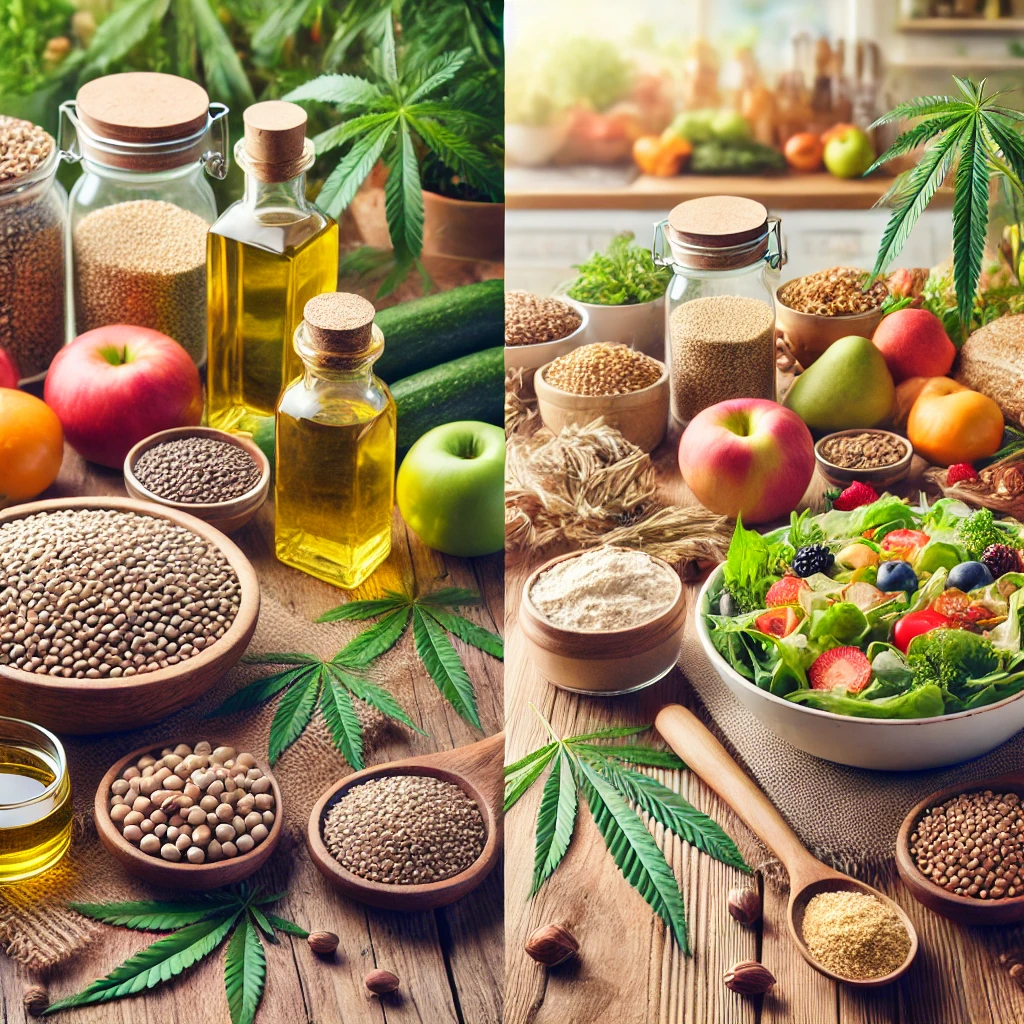

In an age where heart disease is the leading cause of death worldwide, finding natural and effective ways to support heart health has become more important than ever. One such natural remedy gaining attention in the health community is hemp food. Often associated with its cousin, marijuana, hemp has been misunderstood for decades. However, it is essential to note that hemp food products, such as hemp seeds, oil, and protein, are non-psychoactive and packed with nutrients.
Hemp is a variety of the Cannabis sativa plant species that is grown specifically for industrial uses. It contains less than 0.3% THC, the psychoactive compound found in marijuana, making it safe for consumption. The nutritional profile of hemp foods is impressive: they are rich in healthy fats, protein, and fiber, and they contain essential vitamins and minerals. This combination makes hemp food a potential powerhouse for maintaining heart health. In this article, we’ll delve into the ways hemp food can benefit heart health, backed by scientific research.
Nutritional Profile of Hemp Foods
Hemp seeds, often referred to as hemp hearts, are the most commonly consumed form of hemp food. These small, nutty seeds are a nutritional goldmine. A 3-tablespoon serving (about 30 grams) of hemp seeds contains approximately:
- 10 grams of protein
- 14 grams of fat (with only 1 gram of saturated fat)
- 3 grams of carbohydrates
- 3 grams of fiber
- Omega-3 and Omega-6 fatty acids
- Iron, magnesium, and zinc
Hemp oil, another popular hemp food product, retains many of these nutritional benefits, particularly the healthy fats. Hemp protein powder, made by grinding hemp seeds into a fine powder, is also a fantastic source of plant-based protein and fiber.
One of the standout features of hemp foods is their perfect balance of Omega-3 and Omega-6 fatty acids, specifically in a ratio that the body can easily utilize. These essential fatty acids are known for their heart-protective properties, helping to reduce inflammation, lower cholesterol levels, and improve overall cardiovascular health.
Hemp Foods and Cholesterol Management
High cholesterol is a significant risk factor for heart disease, and managing it is crucial for maintaining heart health. Consuming hemp foods can help lower bad cholesterol (LDL) levels and increase good cholesterol (HDL) levels, thanks to their high content of polyunsaturated fats, particularly Omega-3 fatty acids.
A study published in the journal “Nutrition & Metabolism” found that diets rich in Omega-3 fatty acids can reduce triglyceride levels and increase HDL cholesterol. By incorporating hemp seeds or hemp oil into one’s diet, individuals can naturally boost their intake of these heart-healthy fats. Additionally, the fiber content in hemp seeds can help reduce cholesterol absorption in the bloodstream, further supporting heart health.
Moreover, gamma-linolenic acid (GLA), a type of Omega-6 fatty acid found in hemp seeds, has been shown to have anti-inflammatory properties that can benefit individuals with chronic heart issues. Inflammation is a key contributor to the development of atherosclerosis (hardening of the arteries), and reducing it is essential for preventing heart attacks and strokes.
Hemp Foods and Blood Pressure Regulation
High blood pressure (hypertension) is another major risk factor for heart disease. The nutrient-dense profile of hemp foods can play a role in managing blood pressure levels. Magnesium, in particular, is a mineral found abundantly in hemp seeds and is known for its role in maintaining healthy blood pressure.
Magnesium helps to relax blood vessels, allowing for smoother blood flow and reducing the strain on the heart. A study published in the “British Journal of Nutrition” highlighted the importance of magnesium in regulating blood pressure and pointed out that increasing magnesium intake can significantly lower the risk of hypertension.
Incorporating hemp seeds, hemp oil, or hemp protein powder into a daily diet can help ensure an adequate intake of magnesium and other heart-supportive nutrients, making it a valuable food choice for individuals looking to maintain or improve their cardiovascular health.
Anti-inflammatory Properties of Hemp Foods
Inflammation plays a critical role in the development and progression of heart disease. Chronic inflammation can damage blood vessels, lead to plaque buildup, and ultimately result in heart attacks or strokes. The anti-inflammatory properties of hemp foods can help mitigate these risks.
As previously mentioned, hemp seeds are rich in Omega-3 and Omega-6 fatty acids, particularly gamma-linolenic acid (GLA). GLA is known for its potent anti-inflammatory effects, which can help reduce overall inflammation in the body. A study published in the “Journal of Arthritis and Rheumatism” found that GLA supplements helped reduce inflammation in individuals with rheumatoid arthritis, suggesting similar benefits for heart health.
Additionally, hemp food products contain antioxidants such as vitamin E, which can help protect cells from oxidative stress and reduce inflammation. By including hemp seeds, oil, or protein powder in the diet, individuals can harness these anti-inflammatory benefits to support their cardiovascular system.

Hemp Foods and Weight Management
Maintaining a healthy weight is crucial for preventing heart disease. Excess weight, especially around the abdomen, can increase the risk of developing various cardiovascular conditions. The high protein and fiber content of hemp foods can aid in weight management by promoting satiety and reducing overall calorie intake.
Protein is known to be the most filling macronutrient, and hemp seeds are an excellent source of plant-based protein. Consuming protein-rich foods can help reduce hunger and cravings, making it easier to stick to a healthy eating plan. Furthermore, the fiber in hemp seeds can help stabilize blood sugar levels, reducing the likelihood of overeating and weight gain.
A study published in “Appetite” journal found that high-protein diets could lead to greater weight loss and fat loss compared to lower-protein diets. Incorporating hemp protein powder into smoothies, yogurt, or baked goods can be an effective way to boost protein intake and support weight management goals.
The Versatility of Hemp Foods in a Heart-Healthy Diet
One of the best aspects of hemp foods is their versatility. They can be easily integrated into a regular diet in various forms, ranging from seeds and oils to protein powders. Here are a few practical ways to incorporate hemp foods into a heart-healthy diet:
- Add hemp seeds to smoothies, oatmeal, or yogurt for a nutrient boost.
- Use hemp oil in salad dressings or drizzle it over roasted vegetables.
- Mix hemp protein powder into shakes, pancakes, or muffin recipes.
- Sprinkle hemp seeds onto salads or soups for added texture and nutrition.
- Incorporate hemp seeds into homemade energy bars or granola.
The mild, nutty flavor of hemp seeds makes them a versatile addition to both sweet and savory dishes. This flexibility allows individuals to enjoy the heart-health benefits of hemp foods without having to drastically change their eating habits.
Conclusion:
Hemp foods offer a range of nutritional benefits that can support heart health in multiple ways. From reducing cholesterol levels and managing blood pressure to providing anti-inflammatory effects and aiding in weight management, the potential of hemp foods in promoting cardiovascular health is impressive.
As more research continues to shed light on the health benefits of hemp, it is becoming increasingly clear that incorporating these nutrient-dense foods into a balanced diet can provide significant advantages. Whether through hemp seeds, hemp oil, or hemp protein powder, there are numerous ways to enjoy these heart-friendly foods.
It’s important to remember that while hemp foods can be a valuable addition to a heart-healthy diet, they should complement other heart-healthy practices such as regular exercise, stress management, and adequate sleep. Consulting a healthcare professional before making significant dietary changes is always recommended, especially for individuals with pre-existing health conditions.
Ultimately, the journey to better heart health is a holistic one, and incorporating hemp foods into a well-rounded, balanced diet is a step in the right direction. By making mindful choices and embracing the nutritional power of hemp, individuals can take proactive steps toward a healthier heart and a better quality of life.