Paleo desserts featuring hemp solve a common problem for health-conscious bakers: how to create sweets that fit ancestral eating principles while still delivering satisfying texture, flavor, and nutrition. In this sub-pillar hub on hemp in keto and paleo diets, the focus is broader than recipes alone, because understanding where hemp fits, where it does not, and how paleo and keto dessert strategies overlap helps readers make better ingredient choices. Paleo generally emphasizes whole, minimally processed foods modeled after presumed pre-agricultural eating patterns, usually excluding grains, legumes, refined sugar, and most dairy. Keto is different: it prioritizes very low carbohydrate intake to maintain ketosis, often allowing ingredients that strict paleo eaters avoid. Hemp refers mainly to hemp hearts, hemp seeds, hemp protein, and hemp oil derived from low-THC Cannabis sativa varieties grown for food and fiber, not intoxicating use.
I have worked with hemp ingredients in grain-free baking for years, and the appeal is practical, not trendy. Hemp hearts add richness without the bitterness some seed flours bring. Hemp protein can deepen color and increase density in brownies or bars. Hemp oil contributes tenderness in no-bake fillings and glazes. Nutritionally, hemp is known for its fat profile, moderate protein content, magnesium, and naturally low sugar content, which makes it useful in both paleo desserts and many keto desserts. Yet compatibility depends on context. A honey-sweetened hemp cookie may be paleo-friendly but not keto-friendly. A dessert built with erythritol and cream cheese may fit keto macros but fail strict paleo rules. That distinction matters if this page is serving as a hub for hemp in keto and paleo diets, because readers need a framework before they need a recipe.
Why does this topic matter now? Consumers want desserts that align with dietary goals without relying on ultra-processed substitutes. Search interest in grain-free, dairy-free, and low-carb baking has driven experimentation with almond flour, coconut flour, monk fruit, collagen, cacao, and seed-based ingredients. Hemp deserves a place in that conversation because it offers a rare combination of culinary flexibility and nutritional density. It also supports common dessert needs: improving mouthfeel in crusts, reducing dryness in baked goods, and adding a subtle nutty note that pairs well with chocolate, berries, cinnamon, pumpkin, and coconut. For anyone exploring paleo desserts featuring hemp, or comparing paleo with keto dessert construction, the key question is simple: which hemp ingredients work best, in which formulations, and under which dietary rules?
How Hemp Fits Into Paleo and Keto Dessert Frameworks
Hemp can fit both paleo and keto dessert planning, but it does not function identically across the two diets. In paleo baking, hemp is usually valued as a minimally processed seed ingredient that complements almond flour, coconut flour, cacao, dates in looser versions, and natural sweeteners like maple syrup or honey. In keto baking, hemp is appreciated for low net carbohydrates, fat content, and protein, making it useful alongside almond flour, coconut flour, cocoa powder, nut butters, and noncaloric sweeteners. The ingredient itself is often acceptable to both camps; the surrounding recipe determines compliance.
In practical use, hemp hearts are the most versatile form. They can be stirred into paleo cookie dough, blended into cheesecake-style fillings made with coconut cream, or pressed into refrigerated bars with almond butter and cacao. Their soft texture means they disappear more easily than chia or flax, which can become gel-like or gritty. Hemp protein is less forgiving. It absorbs moisture aggressively and can make cakes or muffins earthy if used at high percentages. I typically keep hemp protein to a partial replacement rather than the primary flour base, especially in paleo desserts where tenderness is harder to preserve without grain starches. Hemp oil works best in uncooked or lightly flavored components because its nutty profile is noticeable and heat can flatten its freshness.
For keto readers, the main issue is carbohydrate accounting. Unsweetened hemp products are usually favorable, but desserts need scrutiny around binders and sweeteners. A hemp brownie made with almond flour, eggs, cocoa, and allulose may be keto-compatible. A hemp energy ball with dates is not. For paleo readers, the reverse issue appears: the brownie may be keto, yet the allulose could fall outside a strict ancestral template. This is why hub content matters. Hemp in keto and paleo diets is not one rigid category. It is a matrix of ingredients, sweeteners, and preparation methods.
Best Hemp Ingredients for Grain-Free Desserts
Not all hemp products behave the same way in dessert recipes, and using the wrong one is a common reason for dry, bitter, or overly dense results. Hemp hearts, also sold as shelled hemp seeds, are the starting point for most successful paleo desserts featuring hemp. They contain fat, protein, and a mild nutty taste, and they can be used whole, chopped, or blended into creams and batters. In crusts, they add structure without the sharp crunch of sesame. In truffles, they blend into the base and improve richness. In granola-style paleo clusters, they toast gently and pair well with coconut flakes and pecans.
Hemp protein powder is more specialized. Because the fat has usually been reduced, the texture is drier and the flavor stronger. It can support high-protein dessert positioning, but too much creates chalkiness. In test batches, replacing 10 to 20 percent of almond flour with hemp protein often gives better results than larger substitutions. Chocolate masks its earthy notes best, which is why hemp protein performs well in brownies, cacao snack bars, and blender muffins with banana in more relaxed paleo approaches. It is less effective in delicate vanilla cakes or shortbread-style cookies where flavor and color stand out.
Hemp oil is useful, but it is not a direct swap for every fat. It lacks the solid structure of coconut oil or butter, so it cannot create the same set in chilled fudge or baked tart crusts. Where it shines is emulsified fillings, drizzle sauces, and no-bake bites. A tablespoon or two can round out mouthfeel in a cocoa-avocado mousse or a coconut-hemp ganache. Some brands also offer hemp flour, but quality varies widely and freshness matters because seed products can oxidize. Refrigeration after opening is a smart standard.
| Hemp ingredient | Best dessert uses | Main benefit | Main limitation |
|---|---|---|---|
| Hemp hearts | Cookies, bars, crusts, no-bake balls, toppings | Mild flavor and soft texture | Limited binding power on their own |
| Hemp protein | Brownies, snack bars, chocolate muffins | Boosts protein and density | Can taste earthy and dry |
| Hemp oil | No-bake fillings, sauces, glazes | Adds richness and smooth mouthfeel | Not ideal where solid fat structure is needed |
| Hemp flour | Rustic crackers, dense bars, some cookies | Fiber and nutty flavor | Inconsistent quality and stronger taste |
Building Paleo Desserts Featuring Hemp That Actually Taste Good
The biggest mistake in paleo dessert development is treating compliance as enough. A dessert can be free of grains, dairy, and refined sugar and still be unpleasantly dry. Hemp helps, but only if the rest of the formula is balanced. Paleo baking usually lacks gluten, refined starch, and conventional sugar, three elements that normally provide structure, moisture retention, and browning. That means every ingredient must work harder. Almond flour contributes tenderness, coconut flour absorbs moisture dramatically, eggs provide lift and binding, and sweeteners such as honey or maple affect spread and softness. Hemp hearts fit best as a complementary inclusion rather than a total flour replacement.
Chocolate is the safest flavor gateway for hemp. Paleo brownies with almond flour, cocoa powder, eggs, coconut sugar, and hemp hearts can achieve a fudgy center because the seed fat supports richness. Berry desserts are another natural match. Hemp pairs especially well with raspberry and blueberry because tart fruit balances its nutty depth. A paleo crumble topping made from almond flour, chopped pecans, hemp hearts, cinnamon, and coconut oil gives a more interesting texture than almond flour alone. Pumpkin and warming spices also work well, especially in autumn muffins or snack cakes.
Texture control is where experienced bakers separate good recipes from disappointing ones. If using hemp protein, increase moisture through pumpkin puree, mashed sweet potato in less strict paleo versions, extra egg, or coconut yogurt where tolerated. Let batters rest five to ten minutes before baking so coconut flour and hemp solids hydrate fully. For no-bake desserts, pulse hemp hearts into part of the mixture while keeping some whole for contrast. Salt matters too. Seed-based desserts can taste flat without enough mineral balance, so a measured pinch of sea salt sharpens cocoa and vanilla notes noticeably.
Where Keto and Paleo Dessert Strategies Overlap and Diverge
This hub also needs to clarify hemp in keto and paleo diets because many readers move between the two or combine elements of both. The overlap is substantial. Both approaches often avoid wheat flour, industrial snack foods, and conventional sugar-heavy desserts. Both rely on nuts, seeds, eggs, coconut products, and high-cacao chocolate options. Both can use hemp as a low-sugar, nutrient-dense ingredient in cookies, brownies, bars, puddings, and crusts. If your goal is to reduce reliance on mainstream baked goods, hemp works in both systems.
The divergence centers on sweeteners, dairy, and carbohydrate ceilings. Paleo desserts may include honey, maple syrup, dates, cassava, or tapioca in moderate amounts, depending on how strict the household is. Keto desserts usually reject those because they raise blood glucose quickly and consume the daily carb budget. Instead, keto baking favors allulose, erythritol, monk fruit blends, and sometimes stevia. Dairy is another split. Keto often embraces cream cheese, heavy cream, and butter because they are low in carbs. Paleo typically excludes them, favoring coconut cream, ghee in some interpretations, or nut-based alternatives.
These differences change how hemp is deployed. In keto, hemp often appears in fat-forward desserts such as chocolate fat bombs, seed crust cheesecakes, and low-carb bars. In paleo, hemp more often supports naturally sweetened baked goods and fruit-centered desserts. Neither is inherently better. The right choice depends on whether your priority is blood sugar control, ingredient ancestry, digestive tolerance, or overall food quality. Readers exploring linked subtopics under hemp in different diets should treat this page as the decision map: choose your dessert architecture based on dietary objective first, then use hemp to improve nutrition and texture.
Recipe Ideas, Pairings, and Common Mistakes to Avoid
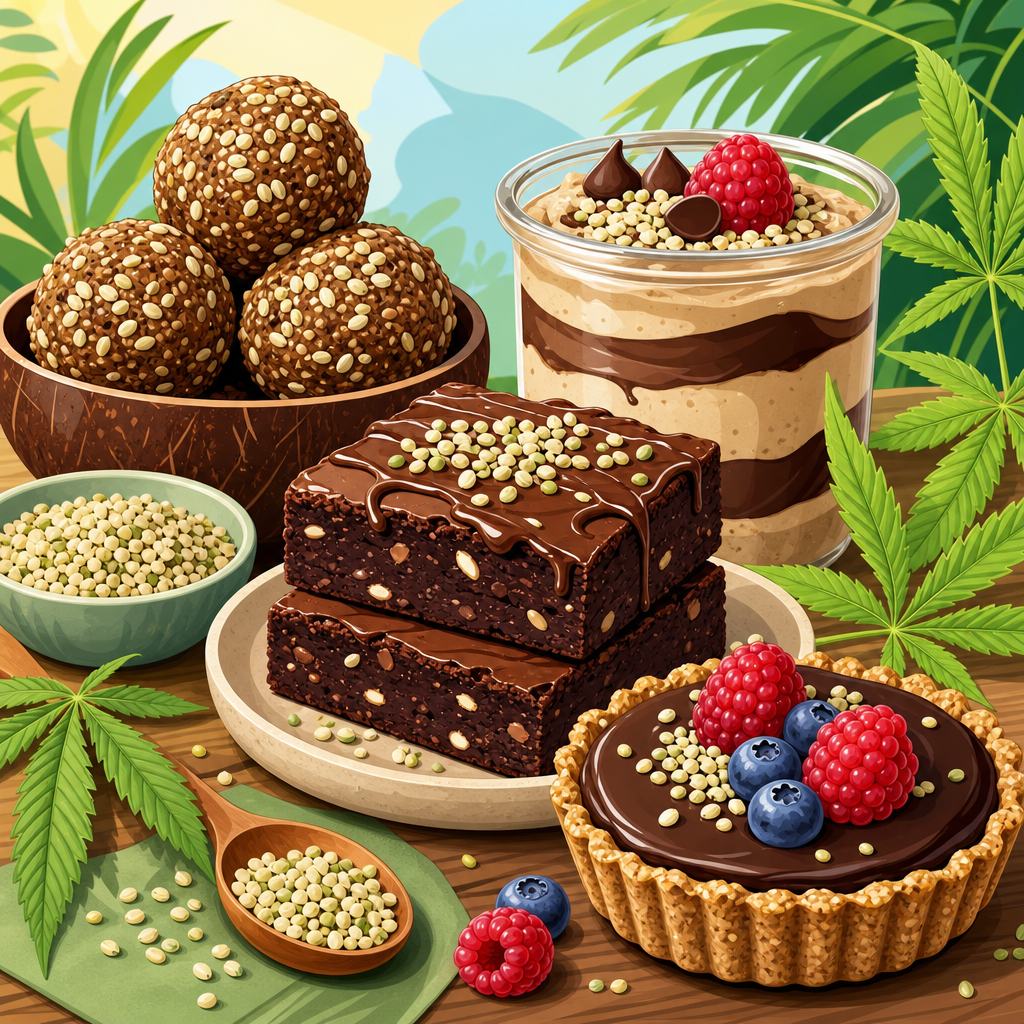
Several dessert formats consistently showcase hemp well. First are paleo hemp brownies: almond flour for body, cocoa for flavor dominance, eggs for structure, hemp hearts for richness, and coconut sugar or date paste depending on preference. Second are no-bake hemp truffles made with almond butter, cacao, shredded coconut, and hemp hearts. Third are berry-hemp crumble bars using an almond-hemp crust and a fruit layer thickened with chia. For crossover recipes that can be adapted either direction, start with a grain-free base and swap the sweetener and dairy source according to dietary needs.
Pairings matter more than many ingredient lists suggest. Hemp loves dark chocolate, coconut, pecan, walnut, pumpkin, espresso, cinnamon, ginger, and tart berries. It is less successful in delicate citrus pastries unless used lightly. Vanilla can work, but usually needs support from almond extract or toasted coconut to avoid a bland finish. When I troubleshoot recipes, flavor imbalance is often the issue rather than the hemp itself. A dessert with enough fat, acidity, salt, and aroma compounds will taste intentional; one without them tastes merely restrictive.
Common mistakes are predictable. Using too much hemp protein creates a dry, green-brown crumb and lingering earthy aftertaste. Relying on hemp hearts alone for flour structure causes fragile bars that fall apart. Buying stale hemp products leads to muted flavor or rancid notes, so check packaging dates and store opened products cold. Another error is assuming every hemp dessert is low carb. Hemp is low sugar, but the sweetener, fruit, starch, or chocolate added around it determines the final macro profile. Always evaluate the whole recipe, not the hero ingredient.
Paleo desserts featuring hemp deserve more attention because they offer more than novelty. They give bakers and home cooks a practical ingredient set for creating sweets that are grain-free, often dairy-free, and nutritionally stronger than conventional desserts. Hemp hearts, hemp protein, and hemp oil each have a place, but they are not interchangeable. Hemp hearts are the easiest entry point for most recipes, hemp protein is best used carefully in darker and richer bakes, and hemp oil works best in no-bake or finishing applications. Once those roles are clear, recipe development becomes more predictable and results improve quickly.
As a hub for hemp in keto and paleo diets, this page should leave readers with one clear understanding: hemp is highly adaptable, but dietary compliance depends on the full recipe design. Paleo and keto overlap in their use of grain-free ingredients and reduced sugar approaches, yet they part ways on sweeteners, dairy, and carb thresholds. That is why the same hemp dessert can be perfect for one reader and unsuitable for another. The right question is not whether hemp is allowed in paleo or keto desserts. The right question is how to structure the dessert so hemp supports your goals without compromising taste, texture, or ingredient standards.
If you are building a healthier dessert rotation, start with one simple format such as brownies, no-bake bites, or crumble bars, then test hemp hearts first before moving into hemp protein or oil. Use this hub as your foundation for exploring related articles on hemp in keto and paleo diets, compare ingredients deliberately, and refine recipes with the same care you would give any serious baking project. Done well, hemp-based desserts are not substitutes that merely pass. They are desserts worth making again.
Frequently Asked Questions
Are hemp seeds considered paleo, and how do they fit into paleo desserts?
Hemp seeds are generally considered compatible with many modern paleo-style approaches, especially when the focus is on whole, minimally processed foods that provide beneficial fats, fiber, and plant-based nutrients. While strict interpretations of paleo eating can vary, hemp hearts are often included because they are a simple, nutrient-dense seed food rather than a refined or highly industrial ingredient. In paleo desserts, they work especially well because they add richness, subtle nuttiness, and a soft texture without relying on grains, legumes, or conventional flour blends.
From a practical baking standpoint, hemp seeds can support the goals of paleo desserts in several ways. They add healthy fats that improve mouthfeel, contribute some protein for balance, and pair naturally with ingredients commonly used in paleo sweets, such as almond flour, coconut flour, cacao, berries, dates, maple syrup, and unsweetened coconut. They are not usually a complete one-to-one substitute for flour, but they can enhance batters, crusts, energy bites, pudding-style desserts, and no-bake bars. If your personal version of paleo is very strict, it is worth reviewing how you define acceptable seeds and sweeteners, but for many health-conscious bakers, hemp is a useful and nutrient-forward ingredient that fits the spirit of a whole-food dessert strategy.
What types of paleo desserts work best with hemp?
Hemp works best in paleo desserts where its texture and mild earthy flavor can complement other whole-food ingredients rather than compete with them. Some of the most successful options include no-bake bites, paleo brownies, seed-and-nut bars, coconut-hemp truffles, grain-free muffins, chia-hemp puddings, and fruit-based crisps with a crumb topping made from almond flour, coconut, and hemp hearts. These formats allow hemp to contribute body and richness without needing to behave exactly like wheat flour or refined starch.
Hemp is also particularly effective in recipes that already rely on moist, dense, or chewy textures. For example, it blends well into raw dessert bases made with dates and nuts, where it adds structure and nutrition. In baked desserts, it can be stirred into grain-free batter for a subtle boost in tenderness and complexity. It can also be used as a topping for paleo cookies or dessert bowls, adding visual appeal and a pleasant bite. Because hemp has a softer texture than chopped nuts, it is useful when you want a dessert to feel hearty but not overly crunchy. If you are experimenting, start with recipes where hemp is a complementary ingredient rather than the main structural component, then adjust based on taste and texture preferences.
How is using hemp in paleo desserts different from using it in keto desserts?
The biggest difference comes down to the role of carbohydrates and sweeteners. Paleo desserts usually prioritize ingredient quality and ancestral-style food choices, even if that means using natural sweeteners like dates, honey, coconut sugar, or maple syrup in moderation. Keto desserts, by contrast, are structured around keeping carbohydrates very low, so they typically rely on sugar alternatives such as monk fruit, erythritol, or stevia. Hemp works in both styles, but the surrounding ingredient strategy is different.
In paleo desserts, hemp often appears alongside fruit, nut flours, coconut, and natural sweeteners to create treats that are less processed than conventional desserts. In keto desserts, hemp is valued because it is relatively low in digestible carbohydrates and high in fat, making it easier to fit into a stricter macro profile. That means a paleo hemp brownie might include almond flour and dates, while a keto hemp brownie might use almond flour, cocoa, eggs, and a low-carb sweetener instead. The overlap is that hemp supports richness, satiety, and nutrient density in both approaches. The distinction is that paleo asks, “Is this a whole-food, ancestral-leaning ingredient?” while keto asks, “Will this keep carbs low enough?” Understanding that difference helps readers choose hemp dessert recipes that align with their own goals rather than assuming paleo and keto are interchangeable.
Can hemp replace flour or eggs in paleo dessert recipes?
Hemp can sometimes replace part of the flour in a paleo dessert, but it is not usually a direct replacement for all of it. Hemp hearts do not behave like traditional flour because they contain significant fat and protein and very little starch. As a result, they are best used to supplement the structure of a dessert rather than provide the entire framework. In many recipes, ground hemp seeds or hemp hearts can replace a portion of almond flour, coconut flour, or finely chopped nuts, especially in bars, crusts, and dense baked goods. This can improve nutritional value and add a pleasantly rich flavor, but using too much may make the final texture heavy, oily, or fragile.
As for eggs, hemp is not a true standalone egg replacement in most paleo baking. Eggs provide binding, lift, moisture balance, and structure, and hemp does not replicate all of those functions by itself. However, hemp can support egg-free paleo-style desserts when combined with other binders such as gelatin, chia, flax, or mashed fruit, depending on the recipe. If you are adapting a dessert, it is usually more successful to think of hemp as a nutritional and textural enhancer rather than a universal substitute. For best results, use it strategically: in crusts, in no-bake mixtures, in soft cookies, or as part of a flour blend where other ingredients can handle the binding and rise.
What should I look for when buying hemp for paleo desserts?
For paleo desserts, the best choice is usually plain hemp hearts or shelled hemp seeds with no added sugar, flavorings, preservatives, or unnecessary fillers. A short, simple ingredient list matters because paleo baking generally favors minimally processed foods. Freshness is also important. Good hemp seeds should smell mild and nutty, not bitter or rancid. Because hemp contains delicate fats, it can spoil more quickly than some dry pantry ingredients, so check packaging dates, storage recommendations, and whether the product has been kept in conditions that protect it from heat and light.
You should also consider how you plan to use it. Hemp hearts are ideal for stirring into batters, blending into fillings, sprinkling over dessert toppings, or mixing into no-bake doughs. If you want a finer texture, you can pulse them briefly at home to help them integrate more smoothly. Organic options may appeal to readers trying to keep their ingredient list as clean as possible, and unsalted versions are usually best for desserts to preserve flavor control. Finally, remember that quality matters more when an ingredient plays a visible role in taste and texture. In a simple paleo dessert with only a handful of ingredients, fresh, clean-tasting hemp can make a noticeable difference in the final result.