
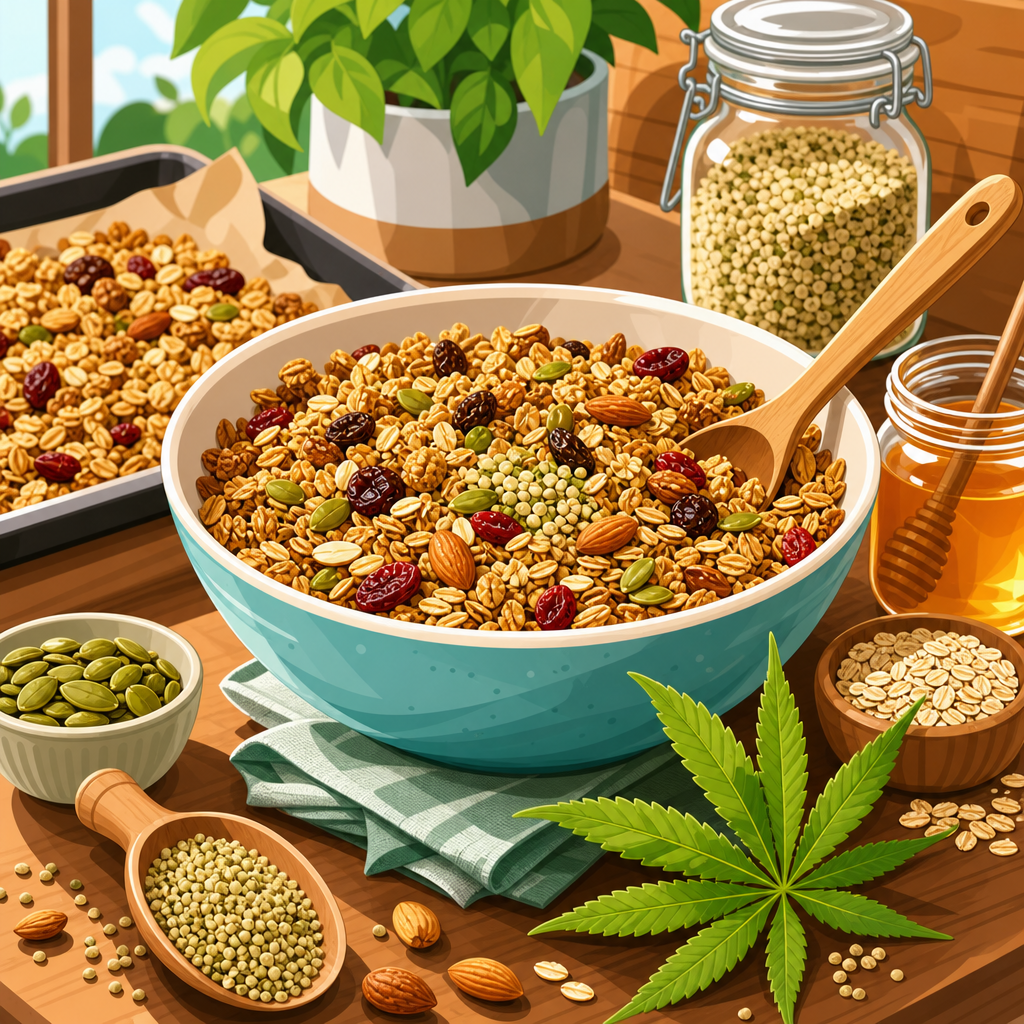
Making homemade hemp granola is one of the simplest ways to turn everyday pantry staples into a nutrient-dense breakfast, snack, and meal-prep staple that actually tastes better than most boxed options. In this guide, I’ll use homemade hemp granola as the anchor for a broader look at hemp food preparation and cooking tips, because granola brings together the most common questions consumers have about hemp hearts, hemp seeds, hemp protein, hemp oil, storage, baking temperatures, flavor balance, and texture control. Hemp foods come from the seeds of Cannabis sativa varieties bred for food and fiber, not intoxicating use, and they are valued for plant protein, unsaturated fats, fiber, minerals, and culinary versatility. Hemp granola matters because it solves several practical needs at once: it lets you control sugar and sodium, avoid unnecessary additives, use whole ingredients, and build a recipe that fits vegan, gluten-free, dairy-free, or high-protein preferences. When I make it at home, I can fine-tune sweetness, cluster size, crunch, and nutrient profile in a way no prepackaged granola consistently delivers. More importantly, the process teaches core hemp cooking skills you can apply to smoothies, oatmeal, yogurt bowls, baked goods, snack bars, and savory toppings. If you want one recipe approach that doubles as a master class in cooking with hemp, homemade hemp granola is the right place to start.
What hemp ingredients do in granola
The most useful starting point in hemp food preparation is understanding the role of each ingredient. Hemp hearts are shelled hemp seeds, and they are the workhorse ingredient for granola because they add mild nutty flavor, soft bite, and concentrated nutrition without the hard shell found on whole seed forms. Three tablespoons of hemp hearts typically provide about 10 grams of protein and 12 to 15 grams of fat, much of it polyunsaturated, including omega-6 linoleic acid and omega-3 alpha-linolenic acid. That balance is one reason hemp foods are widely used in plant-forward diets. In granola, hemp hearts toast quickly, so they should either be mixed in during the final part of baking or baked at moderate heat to prevent bitterness.
Whole hemp seeds are less common in everyday granola recipes because the outer hull is firmer and the texture is less friendly for many consumers, though they can work in rustic muesli blends. Hemp protein powder behaves differently again: it boosts protein and adds earthy flavor, but too much can make granola dry, dense, or dusty. I usually limit hemp protein to a modest fraction of the dry mix and compensate with extra binder. Hemp seed oil is another option, but it needs care. Unrefined hemp oil has a low to moderate smoke threshold and a grassy, delicate flavor, so it performs best in no-bake mixes or as a post-bake drizzle rather than as the sole baking fat. For baked granola, neutral oils such as avocado oil or light olive oil are usually easier to control, while hemp hearts supply the characteristic hemp taste and nutrition.
How to build a reliable homemade hemp granola formula
A dependable granola formula matters more than a single fixed recipe because once you understand the ratios, you can adapt to what you have on hand. My standard framework uses rolled oats as the base, nuts or seeds for crunch, hemp hearts for protein and healthy fats, a liquid sweetener for browning, oil for crispness, salt for flavor definition, and optional spices such as cinnamon, ginger, cardamom, or vanilla. Old-fashioned rolled oats work best because instant oats break down and steel-cut oats stay too hard unless pretreated. A common home batch starts with about 3 cups rolled oats, 1 cup mixed nuts or seeds, 1/2 to 3/4 cup hemp hearts, 1/3 cup sweetener, 1/4 cup oil, and 1/2 teaspoon fine salt.
The sweetener is more than flavor. Maple syrup, honey, date syrup, brown rice syrup, or agave all affect cluster formation, browning, and chew. Honey browns quickly and creates chew with moderate clustering. Maple syrup gives cleaner flavor and lighter texture. Brown rice syrup makes the biggest clusters because it is thick and sticky, which is useful if you want snackable chunks instead of loose cereal. Salt is essential; without it, hemp granola tastes flat even when sweet. Vanilla extract rounds the grassy edge that some people notice in hemp foods. Cinnamon is especially effective because it reinforces nuttiness without overpowering the seed flavor.
Oven temperature is where many homemade granolas fail. For hemp granola, lower and slower usually wins. A range of 300 to 325 degrees Fahrenheit is safer than 350 because hemp hearts and smaller seeds can overtoast before the oats dry out. Spread the mixture in a thin, even layer on parchment, then bake until lightly golden, stirring once for loose granola or pressing and barely disturbing for clusters. Let it cool completely before breaking it up; cooling is when crispness develops. If you add dried fruit, chocolate, coconut flakes, or delicate spices, fold them in after baking unless you want toasted notes.
Core hemp food preparation and cooking tips
Consumers often ask how to use hemp foods beyond one recipe, and the principles are consistent. First, respect heat sensitivity. Hemp hearts are more forgiving than hemp oil, but both lose freshness when overheated. Use moderate oven temperatures and avoid long, aggressive roasting. Second, pair hemp with ingredients that complement its profile. Oats, almonds, walnuts, pecans, pumpkin seeds, cocoa, banana, berries, apple, cinnamon, and maple all work because they support hemp’s nutty, slightly earthy character. Third, manage moisture deliberately. If your granola includes hemp protein or finely ground flax, increase the liquid binder slightly, because those ingredients absorb more moisture than oats alone.
Fourth, think about texture in layers. Hemp hearts are tender, oats become crisp, nuts stay firm, and seeds like chia or flax can either disappear into the binder or become brittle depending on use. Good hemp cooking is rarely about one star ingredient; it is about combining textures so every bite feels balanced. Fifth, store hemp foods carefully. Because hemp seeds contain unsaturated fats, they are more perishable than dry grains. I keep unopened hemp products in a cool, dark cupboard if they will be used quickly, but after opening, refrigeration is the safer default, especially for hemp oil and hemp hearts in warm kitchens. Rancidity shows up as paint-like, bitter, or stale aromas, and once that develops, the product should be discarded.
Finally, know where hemp ingredients fit in recipes. Hemp hearts are best as mix-ins, toppings, coatings, and partial flour replacements in soft batters. Hemp protein is useful in smoothies, energy bites, pancakes, and fortified baked goods, but it is not a direct substitute for wheat flour because it lacks gluten structure. Hemp oil is excellent in dressings, dips, pestos, and finishing applications. Understanding those roles prevents disappointing results and makes hemp foods much easier to use consistently at home.
Troubleshooting flavor, texture, and nutrition
When homemade hemp granola goes wrong, the problems are usually predictable and easy to fix. Burnt flavor typically comes from baking too hot, placing the pan too close to the top heating element, or adding hemp hearts and coconut at the start of a long bake. The fix is simple: reduce temperature, move the rack to the center, and add delicate ingredients during the last 10 minutes. A soft or chewy texture usually means the mixture was underbaked, spread too thickly, or stored before fully cooled. Granola should feel slightly underdone at the end of baking but dry enough that residual heat can finish the job; if it goes into a container warm, trapped steam will soften it.
Another common issue is excessive sweetness. Packaged granola often contains 10 to 15 grams of added sugar per serving, which is why many homemade versions aim lower. You can reduce sweetener somewhat, but do not cut it too aggressively without replacing the lost binding function. Unsweetened applesauce, aquafaba, whipped egg white, or a small amount of brown rice syrup can help maintain clusters with less total sugar. If the flavor tastes too earthy, increase vanilla, cinnamon, orange zest, or toasted nuts rather than adding more sugar. If the granola feels greasy, the oil ratio is too high or the pan was overcrowded.
Nutrition also deserves nuance. Hemp granola can be a high-protein, high-fiber breakfast, but calories still add up because seeds, nuts, and oils are energy dense. That is not a flaw; it simply means portion awareness matters. For a more balanced everyday bowl, pair a moderate serving of granola with plain Greek yogurt or unsweetened soy yogurt and fresh fruit instead of eating several cups straight from the jar. If you need a lower-fat version, reduce nuts slightly and rely more on oats and puffed grains, while keeping enough hemp hearts to preserve the nutritional identity of the recipe.
Customizing for dietary needs and everyday use
Homemade hemp granola is especially useful because it adapts cleanly to different dietary goals without becoming complicated. For gluten-free preparation, use certified gluten-free oats and check every add-in, especially flavorings and crisped rice products, for cross-contact. For vegan granola, use maple syrup instead of honey and skip egg white binders. For nut-free households, replace almonds or pecans with pumpkin seeds, sunflower seeds, and extra hemp hearts. For higher protein, add a measured amount of hemp protein powder and include soy nuts or roasted chickpeas for texture. For lower added sugar, use unsweetened coconut, tart dried fruit in smaller amounts, and spices that increase perceived sweetness.
The table below shows practical adjustments I use when consumers want to tailor a batch without losing structure or flavor.
| Goal | Best adjustment | What to watch for |
|---|---|---|
| Bigger clusters | Use brown rice syrup or add whipped egg white before baking | Press mixture firmly and avoid stirring until nearly cool |
| Lower sugar | Reduce syrup slightly and add applesauce or aquafaba | Too little binder causes dusty, loose granola |
| Higher protein | Add 1/4 to 1/2 cup hemp protein plus extra liquid binder | Too much powder makes texture dry and chalky |
| Nut-free | Use pumpkin seeds, sunflower seeds, and more hemp hearts | Seeds toast faster than nuts, so monitor color closely |
| Oil-free or lower oil | Rely on fruit puree and syrup for coating | Texture will be less crisp and more chewy |
Once made, hemp granola is more than a breakfast cereal. It works as a yogurt topping, smoothie bowl finish, salad crunch element, ice cream garnish, baked apple filling, or trail mix base. I also use lightly sweetened versions over roasted carrots or winter squash with tahini for a savory-sweet contrast. That flexibility is why a granola recipe belongs at the center of hemp food education: it gives consumers one repeatable method that opens the door to multiple meals.
Safe storage, shelf life, and ingredient quality
Good storage practices protect both flavor and food safety. Homemade granola should cool completely on the pan before packing. Once cool, transfer it to an airtight container and keep it in a cool, dry place away from sunlight and heat sources such as ovens, dishwashers, or sunny countertops. In most kitchens, a well-baked batch lasts about two to three weeks at room temperature, though humid environments shorten that window. If the recipe is rich in hemp hearts, walnuts, or hemp oil, refrigeration can extend freshness and slow oxidation. Freezing also works; portion the granola into sealed bags or containers and thaw only what you need.
Ingredient quality matters just as much as storage. Buy hemp hearts from brands that package them in opaque, well-sealed bags and provide clear best-by dates. Fresh hemp hearts smell mild and nutty, not sharp or bitter. If you are buying hemp oil, look for dark bottles and refrigerated retail storage when possible. For oats and nuts, freshness still matters because stale supporting ingredients will dull the final result no matter how good the hemp is. In practice, the best homemade hemp granola comes from a short ingredient list, moderate heat, and disciplined storage rather than exotic add-ins or complicated techniques.
Making homemade hemp granola is the most practical gateway into hemp food preparation and cooking tips because it teaches the essential rules in one project: choose the right hemp ingredient for the job, keep oven heat moderate, balance binder with dry ingredients, cool completely for crunch, and store finished food carefully to protect freshness. Hemp hearts are the easiest starting point because they deliver protein, healthy fats, and mild nutty flavor without technical complexity. From there, you can branch into hemp protein for fortified recipes and hemp oil for finishing uses, always remembering that each form behaves differently in the kitchen. The broader lesson is that hemp foods are not difficult or niche; they are everyday ingredients that reward a little attention to temperature, texture, and storage.
If you want a simple next step, make one base batch with oats, hemp hearts, maple syrup, oil, salt, and cinnamon, then adjust only one variable at a time. Test a lower sugar version, a cluster-heavy version, a nut-free version, or a higher-protein version and note what changes. That method gives you a reliable homemade hemp granola recipe and a working understanding of hemp cooking that carries into breakfasts, snacks, and baking. Use this hub as your foundation, then build your own routine around the hemp ingredients and flavor combinations you enjoy most.
Frequently Asked Questions
1. What’s the difference between hemp hearts, whole hemp seeds, hemp protein, and hemp oil when making homemade hemp granola?
These ingredients all come from the hemp plant, but they behave very differently in granola, so knowing what each one does will help you get better texture and flavor. Hemp hearts are shelled hemp seeds, and they are usually the best choice for homemade hemp granola. They have a soft texture, a mild nutty flavor, and they blend easily into oat mixtures without becoming hard or chewy. They add protein, healthy fats, and a slightly buttery richness that works especially well with oats, nuts, cinnamon, maple syrup, and dried fruit.
Whole hemp seeds still have their outer shell, so they are more fibrous and noticeably crunchier. Some people like that extra texture, but they are generally less tender than hemp hearts and can feel a little too hard in a granola mix if used in large amounts. Hemp protein is different again: it is usually made after oil is pressed from hemp seeds, leaving behind a concentrated powder that is higher in protein and more earthy in taste. In granola, hemp protein can be useful, but it should be added carefully because too much can make the mixture dry, dense, or slightly chalky. It is best treated as a supporting ingredient rather than the main base.
Hemp oil is primarily a finishing or mixing fat, not a seed substitute. It has a delicate, nutty flavor, but it is more sensitive to heat than many other oils. That means it is not always ideal as the only oil in a high-temperature bake. If you want to use it, many home cooks either bake at a lower temperature or combine a small amount of hemp oil with a more heat-stable oil such as coconut oil or avocado oil. In short, hemp hearts are the most versatile choice for granola, whole hemp seeds are for extra crunch, hemp protein is for boosting nutrition in moderation, and hemp oil is best used strategically to preserve flavor and quality.
2. How do I make homemade hemp granola that turns out crunchy and clumpy instead of soft or crumbly?
Crunchy, clustered granola comes down to ingredient balance, moisture control, and baking technique. Start with a solid dry base, usually rolled oats plus hemp hearts, and optionally chopped nuts or seeds. Then add a binding mixture made from a sweetener and a fat. Maple syrup, honey, or brown rice syrup all work well, and each affects texture a little differently. Brown rice syrup generally creates the stickiest clusters, while maple syrup gives excellent flavor and a lighter crunch. The fat, whether coconut oil, olive oil, or a blend that includes some hemp oil, helps the granola toast evenly and crisp up in the oven.
To encourage clumps, the mixture should feel lightly coated and slightly damp before baking, not dry and dusty. If there is not enough liquid binder, the granola will toast but fall apart. If there is too much, it may stay chewy. After mixing, press the granola firmly onto the baking sheet in an even layer. This step matters more than many people realize. A loose, stirred-up layer bakes into individual pieces; a compact layer bakes into sheets that can later be broken into clusters. Bake at a moderate temperature, usually around 300 to 325 degrees Fahrenheit, to give the oats and hemp ingredients time to dry out and toast without burning the sweeteners.
Another common mistake is stirring too often. If you want clusters, stir minimally or not at all until the granola is mostly baked. Once it turns golden and smells toasted, let it cool completely on the pan before breaking it apart. Cooling is when the sugars firm up and the granola becomes crisp. If you add dried fruit, chocolate, or delicate seeds, stir those in after baking so they do not scorch or harden. For especially crisp results, you can turn the oven off at the end and let the granola sit inside for 15 to 20 minutes with the door slightly cracked. That gentle carryover drying can make a big difference.
3. What temperature is best for baking hemp granola, and does hemp oil need special handling?
For most homemade hemp granola recipes, a lower-and-slower baking approach works best. A temperature in the range of 300 to 325 degrees Fahrenheit is ideal because it gives the oats, hemp hearts, nuts, and sweeteners enough time to toast and dry without quickly scorching. Hemp-based ingredients, especially hemp hearts and hemp oil, benefit from gentler heat because their healthy fats are more delicate than the fats in some other pantry staples. If the oven is too hot, the granola may brown on the outside before the inside moisture has evaporated, leading to a batch that looks done but turns stale or chewy once stored.
Hemp oil deserves a little extra care. It is valued for its flavor and fat profile, but it is generally considered less heat-stable than refined neutral oils. That does not mean you cannot use it in granola; it simply means you should use it thoughtfully. If your recipe bakes at a modest temperature and for a controlled amount of time, a small amount of hemp oil can work nicely. Many people prefer to mix it with coconut oil or another mild oil so the granola still gets the aromatic nuttiness of hemp oil without relying on it entirely for the bake.
If preserving the fullest flavor of hemp oil is your priority, another smart approach is to bake the granola with a more heat-tolerant oil and drizzle in a little hemp oil after baking, once the granola has cooled. This can enhance flavor without exposing all of the oil to prolonged oven heat. The same principle applies to certain hemp powders and other nutrient-focused add-ins: some are better baked in small quantities, while others are best added after baking. In general, moderate temperature, careful timing, and attention to ingredient sensitivity will give you a better-tasting and more consistent homemade hemp granola.
4. How can I balance the flavor of homemade hemp granola so it tastes nutty and wholesome without becoming bitter, earthy, or overly sweet?
Hemp has a naturally nutty, slightly grassy flavor, and that is part of its appeal, but balance is everything. The goal is to let the hemp taste present and pleasant rather than dominant. Hemp hearts are naturally milder than hemp protein, so if you are new to cooking with hemp, start there. Pair them with familiar granola flavors such as cinnamon, vanilla, maple syrup, toasted pecans, walnuts, pumpkin seeds, or unsweetened coconut. These ingredients complement hemp rather than competing with it. Salt is also essential. Even a modest pinch sharpens the flavor and keeps the granola from tasting flat.
If your granola tastes too earthy, the usual cause is either too much hemp protein or not enough sweetness, spice, or aromatic ingredients to round it out. Hemp protein can be very useful nutritionally, but it often has a stronger, more assertive taste than hemp hearts. Keep the quantity modest and combine it with oats, nuts, and a flavorful sweetener. Warm spices like cinnamon, ginger, cardamom, or nutmeg help soften earthy notes. Vanilla extract and orange zest can also brighten the mixture in subtle, effective ways. If bitterness appears, check your seeds and oil for freshness, because old fats can taste harsh or rancid.
At the same time, avoid trying to hide hemp under too much sugar. One of the advantages of homemade hemp granola is that it can taste rich and satisfying without becoming dessert disguised as breakfast. A good formula is to use just enough sweetener to coat and lightly bind the dry ingredients, then build flavor through spice, toasted nuts, and a careful contrast of textures. Finish with dried fruit after baking if you want natural sweetness in bursts rather than throughout every bite. This approach gives you a granola that tastes layered, balanced, and genuinely homemade instead of one-note sweet.
5. How should I store homemade hemp granola, and how long does it stay fresh?
Because hemp ingredients contain beneficial oils, proper storage matters more than it does with some lower-fat granola recipes. The first rule is to let the granola cool completely before storing it. Even slight residual warmth creates condensation inside the container, and that trapped moisture can make a beautifully crisp batch turn soft within hours. Once fully cooled, transfer the granola to an airtight jar or container and keep it in a cool, dark place away from direct sunlight, the stove, or other heat sources.
At room temperature, homemade hemp granola typically stays fresh for about 2 to 3 weeks, depending on the ingredients used and the humidity in your kitchen. If the recipe includes a significant amount of hemp hearts, nuts, or hemp oil, and especially if your home runs warm, refrigeration can help preserve freshness longer. In the refrigerator, granola can often keep well for about a month or more. For longer storage, freezing is an excellent option. Portion it into freezer-safe bags or containers, remove as much air as possible, and thaw at room temperature as needed. Properly frozen granola can last several months without major quality loss.
Always use your senses before eating stored granola. If it smells stale, sour, paint-like, or unusually bitter, the fats may have gone rancid and it should be discarded. If it has


