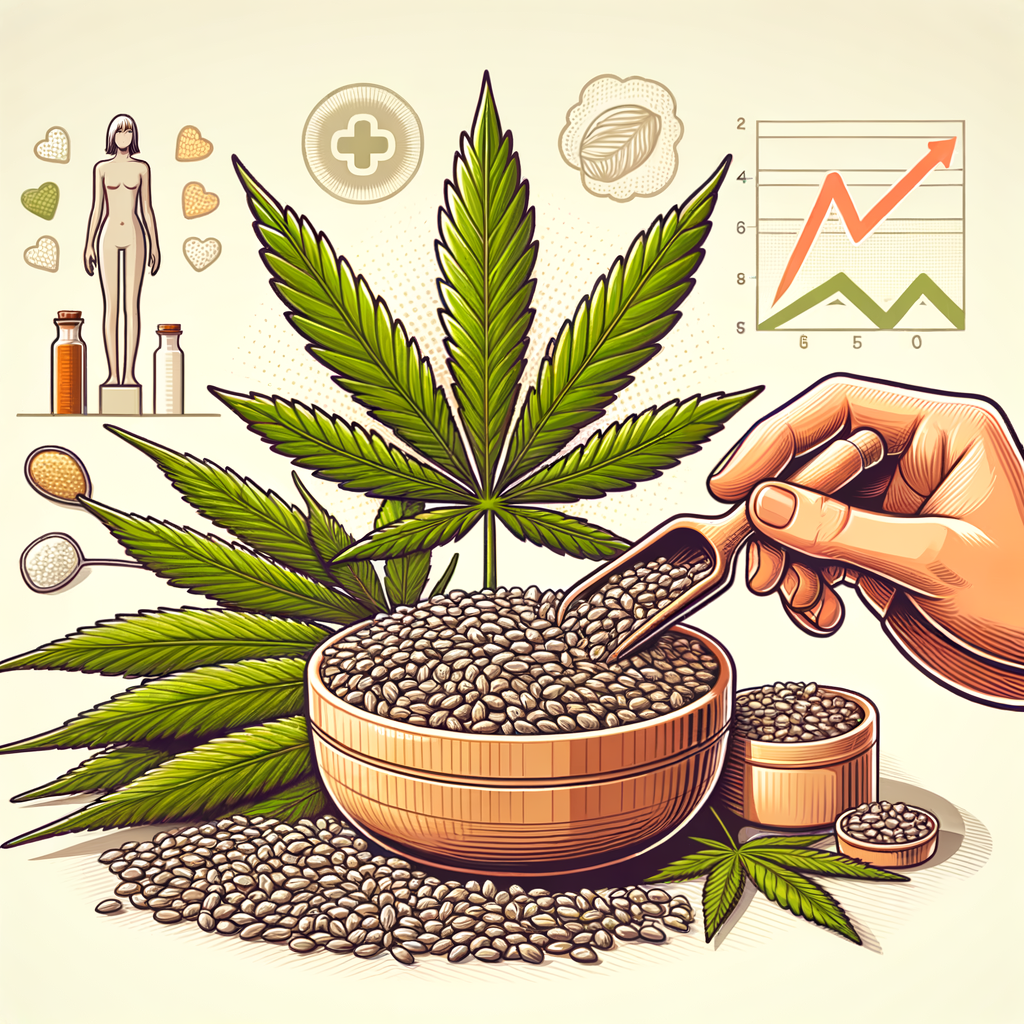

Athlete-approved hemp recipes give active people a practical way to add complete plant protein, healthy fats, fiber, and minerals to meals that support training, recovery, and everyday energy. In this context, hemp usually means hemp seeds, hemp hearts, hemp protein powder, and hemp seed oil rather than intoxicating cannabis products. Hemp hearts are the soft inner part of the seed after the shell is removed. They deliver protein and fat with a mild, nutty flavor that fits smoothies, bowls, snacks, and baked goods. Hemp protein powder is made by pressing oil from seeds and milling the remaining solids, creating a higher-protein ingredient that works well in shakes, pancakes, and recovery foods. Hemp seed oil contributes flavor and essential fats, though it is not ideal for high-heat cooking.
This topic matters because athletes need meals that are nutrient dense, easy to digest, and realistic to prepare around training schedules. In my own recipe testing for runners, lifters, and recreational cyclists, hemp has consistently solved two common problems: adding meaningful nutrition without excessive volume, and improving the protein quality of plant-forward meals. Hemp contains all nine essential amino acids, with notable arginine content, plus omega-3 and omega-6 fats in a favorable ratio. It also supplies magnesium, iron, zinc, and manganese, nutrients many active adults underconsume. For athletes following omnivorous, vegetarian, dairy-free, or gluten-free patterns, hemp ingredients are versatile enough to bridge multiple dietary needs while keeping meals balanced and portable.
As a sub-pillar within hemp in different diets, this guide covers the full use case of hemp for athletes and fitness enthusiasts. It explains what hemp contributes nutritionally, how to use it before and after training, and which recipe formats work best for endurance, strength, and general wellness goals. It also points toward the broader questions readers usually have: Is hemp protein complete? Can hemp help recovery? What recipes work for weight gain, fat loss, or busy mornings? By answering those directly and pairing them with concrete meal ideas, this page serves as a hub for deeper content on hemp breakfasts, hemp snacks, high-protein hemp meals, and performance-focused hemp nutrition.
Why hemp works in a sports nutrition plan
Hemp fits sports nutrition because it combines macronutrients and micronutrients in a way that supports performance without requiring complicated preparation. Three tablespoons of hemp hearts typically provide about 10 grams of protein, 14 to 15 grams of fat, and 2 grams of carbohydrates, along with magnesium and iron. The fats are largely unsaturated, including alpha-linolenic acid and linoleic acid. Hemp protein powder usually ranges from 12 to 20 grams of protein per serving depending on the brand and processing method. While it is not as leucine-rich as whey, it still contributes meaningful amino acids, especially when paired with soy milk, Greek yogurt, or other protein sources.
For athletes, the biggest advantage is flexibility. Hemp hearts can be sprinkled on oatmeal for breakfast, blended into a pre-workout smoothie, stirred into yogurt after training, or added to grain bowls for lunch. Hemp protein powder can turn a lower-protein snack into a recovery option. Hemp seed oil can finish roasted vegetables or dress a cold pasta salad for extra calories during heavy training blocks. This matters because consistency is usually more important than chasing a single superfood. Foods that people actually enjoy and repeat are the foods that improve dietary quality over time.
Hemp also works across several common dietary constraints. It is naturally gluten-free, usually soy-free, and easy to use in dairy-free recipes. That makes it valuable for athletes navigating food intolerances or team environments where meals need broad compatibility. The caveat is that hemp alone should not be treated as a magic recovery solution. Hard training still requires sufficient total calories, strategic carbohydrate intake, hydration, and overall protein distribution across the day. Hemp is best viewed as an effective building block inside a complete sports nutrition plan.
How to use hemp before workouts, after workouts, and on rest days
The best hemp recipe depends on timing. Before exercise, most athletes need easy-to-digest carbohydrates with moderate protein and limited fiber or fat if the session is intense. Because hemp hearts and hemp butter alternatives contain fat, portion size matters. A small smoothie with banana, oats, berries, and one tablespoon of hemp hearts works well sixty to ninety minutes before training. A large hemp-heavy shake right before intervals usually does not. For early morning workouts, a lighter option such as toast with jam plus a few teaspoons of hemp hearts can be more comfortable than a dense breakfast bowl.
After exercise, the goal is recovery: replenish glycogen, provide protein for muscle repair, and restore fluids and electrolytes. This is where hemp recipes shine. Pairing hemp protein or hemp hearts with fruit, milk, yogurt, tofu, or eggs creates a more balanced amino acid profile and improves overall protein quantity. For example, a recovery smoothie made with tart cherry juice, frozen berries, kefir, banana, and hemp protein powder gives carbohydrates, polyphenols, and protein in one practical meal. Strength athletes who need more protein can add Greek yogurt or ultra-filtered milk, while vegan athletes can use soy milk and silken tofu.
On rest days, hemp recipes are useful for maintaining nutrient density without overcomplicating eating patterns. A lunch salad with quinoa, chickpeas, roasted vegetables, and hemp hearts offers fiber, minerals, and enough protein to keep hunger stable. Rest days are also a good time for recipes that are slightly higher in fats, such as hemp pesto or energy bites, because digestion speed is less of a concern. The main rule is simple: match the recipe structure to the training demand rather than forcing the same hemp meal into every situation.
Best athlete-approved hemp recipes by goal
Different athletes need different outputs from the same ingredient. A marathon trainee focused on glycogen restoration will build hemp recipes differently from a powerlifter chasing higher daily protein or a recreational athlete trying to eat cleaner without losing convenience. The table below shows how I typically match recipe types to performance goals.
| Goal | Best hemp recipe format | Why it works | Example |
|---|---|---|---|
| Pre-workout fuel | Smoothie or toast topping | Light portion keeps digestion manageable while adding a little protein and minerals | Banana-oat smoothie with 1 tablespoon hemp hearts |
| Post-workout recovery | Protein shake or yogurt bowl | Combines carbohydrates and protein for muscle repair and glycogen replacement | Greek yogurt, berries, honey, hemp hearts, granola |
| Muscle gain | Calorie-dense bowl or shake | Adds compact calories from healthy fats without huge food volume | Rice bowl with salmon, avocado, edamame, hemp seeds |
| Fat loss | High-protein breakfast or snack | Protein and fiber improve satiety and support lean mass retention | Egg scramble with vegetables and hemp hearts |
| Endurance training | Cold grain salad or overnight oats | Easy batch prep supports repeat fueling across busy training weeks | Overnight oats with fruit, chia, hemp hearts, maple syrup |
For breakfast, hemp overnight oats are one of the strongest options for both convenience and performance. Rolled oats, milk, berries, cinnamon, and hemp hearts create a meal with slow-digesting carbohydrates, moderate protein, and healthy fats. If the athlete trains immediately after waking, reduce the hemp portion and keep the serving smaller. If breakfast comes after the session, increase the protein by adding yogurt or hemp protein powder. Another reliable breakfast is hemp banana pancakes made from oats, eggs, banana, baking powder, and a scoop of hemp protein. They work well for athletes who need portable carbohydrates but want more staying power than toast alone.
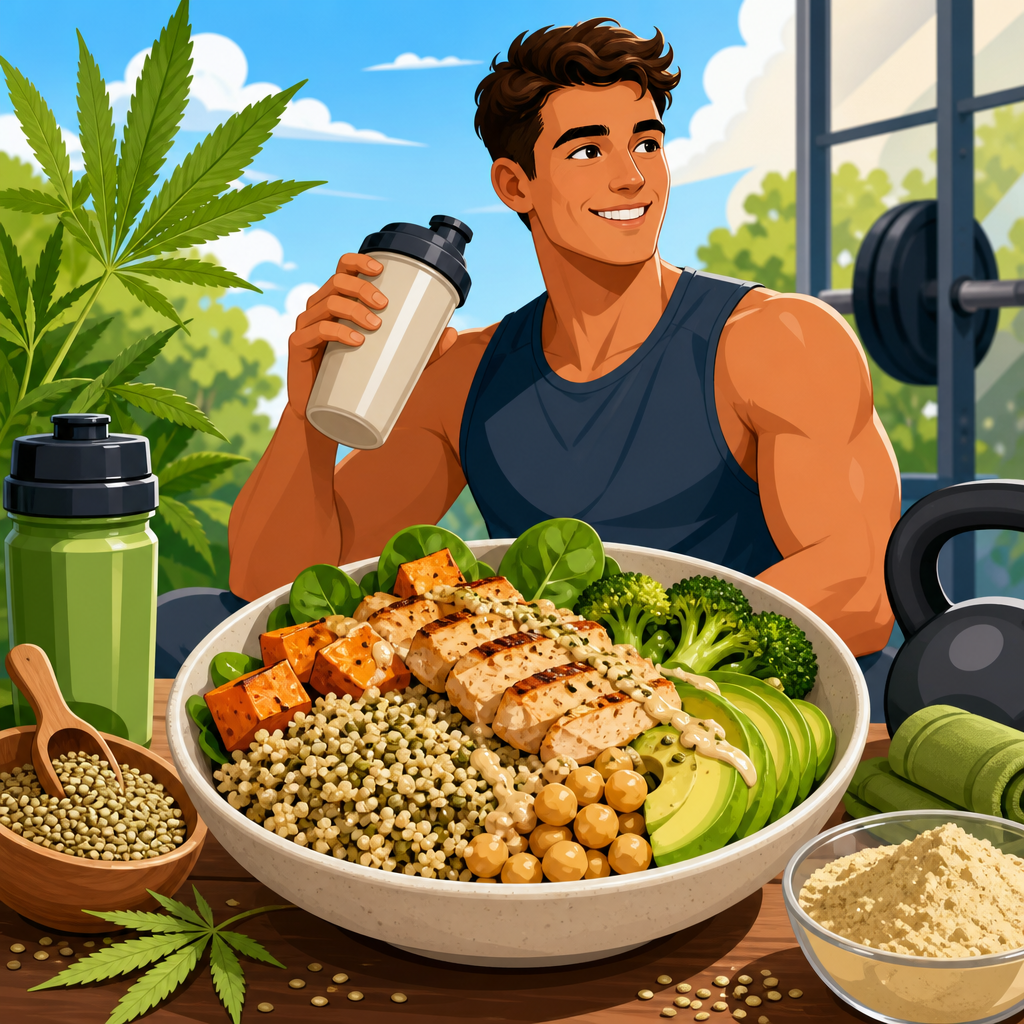
For lunches and dinners, grain bowls and pasta salads are especially effective because they scale easily. A classic athlete-approved hemp bowl starts with rice, quinoa, or potatoes, then adds a protein such as chicken, tofu, tempeh, beans, or salmon, plus vegetables and a hemp-based sauce. One of my most-used versions for team meal prep combines brown rice, roasted sweet potatoes, black beans, shredded chicken, spinach, salsa, and a lime-hemp yogurt drizzle. It holds up in the refrigerator, tastes good cold, and covers carbohydrate, protein, and micronutrient needs in one container.
For snacks, hemp energy bites are useful when schedules are chaotic. A balanced recipe uses dates or honey for binding, oats for carbohydrate, hemp hearts for fats and protein, and cocoa or cinnamon for flavor. These are not ideal immediately before hard training because the fat content can slow digestion, but they are excellent between meals, during travel, or after lighter sessions. Athletes with very high calorie needs can make a more substantial version with nut butter and dried fruit. Athletes cutting calories can build a leaner snack by using Greek yogurt or cottage cheese topped with hemp hearts and fruit instead.
Recipe building principles for endurance athletes, strength athletes, and active beginners
Endurance athletes usually benefit most from hemp recipes that preserve carbohydrate availability. The mistake I see most often is overemphasizing protein and fat in meals surrounding long runs or rides, which can leave total carbohydrate intake too low. Hemp should support, not replace, the carb base. In practical terms, that means adding hemp hearts to oatmeal, rice bowls, smoothies, and recovery snacks rather than swapping those foods out. A cyclist doing back-to-back training days may need pasta with tomato sauce, lean protein, vegetables, and a tablespoon or two of hemp hearts, not a giant low-carb salad.
Strength athletes can use hemp to boost daily protein variety and calorie density, especially if appetite is inconsistent. Hemp works well in bulking shakes because fats increase calories without requiring a large food volume. A useful formula is milk or soy milk, frozen banana, oats, hemp protein powder, peanut butter, and cocoa. This will not replace all other protein sources, but it can make total intake easier to achieve. In solid meals, adding hemp hearts to egg scrambles, turkey chili, cottage cheese bowls, or tofu stir-fries is a straightforward way to increase protein and micronutrients without changing the meal structure much.
Active beginners often need simplicity more than precision. They are less likely to follow a sports nutrition plan if every meal requires weighing ingredients or mastering niche recipes. For this group, hemp succeeds when it is attached to familiar foods. Add it to smoothies, yogurt, oatmeal, avocado toast, salads, or soups. Start with one or two daily touchpoints rather than trying to use hemp in every meal. Consistency builds habit, and habit matters more than novelty. Once the athlete learns which combinations feel good before and after exercise, portions can be adjusted based on hunger, training duration, and body composition goals.
Common mistakes, safety considerations, and how to choose quality hemp ingredients
The most common mistake with athlete-approved hemp recipes is misjudging portions around training. Hemp hearts are nutritious, but they are energy dense. That is helpful during heavy training and less helpful when someone adds large servings to every meal without accounting for total calories. Another frequent issue is relying on hemp protein powder as if it were identical to whey isolate. Hemp is valuable, especially for plant-forward eating, but it often has more fiber, a grainier texture, and lower protein concentration per scoop. Recipe design should account for that. Blending with banana, yogurt, cocoa, frozen berries, or cinnamon improves texture significantly.
Quality matters. Choose brands that list simple ingredients, provide third-party testing when possible, and use opaque packaging to protect fats from light exposure. Hemp seed oil should smell fresh and nutty, not bitter or paint-like, which can indicate oxidation. Store hemp hearts and hemp flour in a cool, dry place, and refrigerate after opening if recommended by the manufacturer. For competitive athletes, the safest approach is buying products from reputable companies that understand contaminant control and publish quality standards. Hemp foods from seeds generally do not create the same concerns as cannabinoid products, but athletes subject to strict testing should still avoid vague labeling and impulse purchases.
There are also digestive considerations. People new to seeds, fiber, or concentrated protein powders may tolerate smaller servings better at first. Start with one tablespoon of hemp hearts or a half serving of hemp protein powder and increase gradually. If a recipe is intended for the hour before training, keep fat and fiber moderate. If the goal is recovery or a rest-day meal, a larger portion is usually fine. The best results come from using hemp strategically, choosing high-quality ingredients, and matching recipes to the real demands of training rather than to marketing claims.
How this hub helps you build a complete hemp nutrition strategy
Athlete-approved hemp recipes are effective because they solve everyday performance nutrition problems with ingredients that are versatile, nutrient dense, and easy to repeat. Hemp hearts add complete protein, essential fats, and minerals to breakfasts, bowls, snacks, and recovery meals. Hemp protein powder expands options for smoothies, pancakes, and higher-protein baking. Hemp seed oil adds calories and flavor where cold applications make sense. For athletes, the value is not that hemp does everything. The value is that it improves meal quality across many contexts: pre-workout fueling, post-workout recovery, travel snacks, meal prep, and plant-forward eating.
The key takeaway is to choose the right hemp recipe for the right moment. Keep pre-workout meals lighter and more carbohydrate focused. Build post-workout meals around protein plus carbohydrates. Use grain bowls, overnight oats, smoothies, and yogurt-based snacks as dependable foundations, then adjust portions based on whether the goal is endurance, strength, weight maintenance, fat loss, or muscle gain. Pay attention to ingredient quality, storage, and digestion, and do not assume more hemp is always better. Balanced use produces better results than maximal use.
Use this page as your starting point for hemp for athletes and fitness enthusiasts, then build out your routine with targeted recipes that fit your schedule and training style. Try one breakfast, one recovery snack, and one meal-prep bowl this week. That simple experiment is enough to show where hemp fits naturally in your performance diet.
Frequently Asked Questions
What makes hemp ingredients a good fit for athlete-approved recipes?
Hemp ingredients work especially well in athlete-focused meals because they are practical, versatile, and naturally rich in nutrients that support an active lifestyle. Hemp hearts, hemp protein powder, and hemp seed oil can help boost the nutrition profile of smoothies, breakfast bowls, snacks, and recovery meals without requiring complicated prep. Hemp hearts provide complete plant protein, meaning they contain all nine essential amino acids, along with healthy fats and minerals such as magnesium, iron, and zinc. That combination can be useful for athletes who want foods that support muscle repair, steady energy, and overall wellness.
Another reason hemp is so useful in sports nutrition is its flexibility. Hemp hearts have a mild, nutty taste and soft texture, so they blend easily into oatmeal, yogurt, homemade energy bites, grain bowls, and salads. Hemp protein powder can be added to shakes, pancakes, muffins, or post-workout snacks to increase protein intake in a simple way. Hemp seed oil is best used in cold applications like dressings, dips, or finishing drizzles, where it contributes healthy fats and a pleasant flavor. For many active people, hemp ingredients offer an easy way to add nutrient density to meals they already enjoy.
Are hemp seeds and hemp hearts the same thing, and how should athletes use them?
Hemp seeds and hemp hearts come from the same plant, but they are not exactly the same product. Whole hemp seeds include the outer shell, while hemp hearts are the soft inner part of the seed after the shell has been removed. Hemp hearts are more tender and easier to sprinkle into everyday foods, which is why they are especially popular in athlete-approved recipes. They have a mild flavor that does not overpower other ingredients, making them one of the simplest hemp foods to use consistently.
For athletes, hemp hearts are often the most convenient option because they can be added directly to meals with no cooking required. They work well in pre-workout breakfasts such as oats, toast with fruit, or smoothie bowls because they contribute protein and healthy fats without making a dish too heavy. They are also useful after training in meals like yogurt parfaits, grain bowls, or recovery smoothies. Whole hemp seeds can be used too, but their tougher shell gives them a different texture, so they are often less seamless in recipes. If the goal is easy digestion, quick preparation, and broad culinary use, hemp hearts are usually the better choice.
Can hemp recipes help with workout recovery and muscle support?
Yes, hemp-based recipes can be a smart part of a recovery-focused eating plan. Recovery nutrition typically centers on replenishing energy, supporting muscle repair, and providing key nutrients after physical activity. Hemp foods can contribute to that process because they offer complete plant protein, beneficial fats, and important minerals. Protein helps provide the building blocks for muscle maintenance and repair, while magnesium and other nutrients found in hemp may support normal muscle function and overall recovery needs.
That said, hemp recipes work best when they are part of a balanced recovery meal rather than treated as a stand-alone solution. After a workout, many athletes do well with a combination of protein and carbohydrates. For example, a smoothie made with hemp protein powder, banana, berries, and oats can provide both protein and carbs. A recovery bowl with rice or quinoa, roasted vegetables, and a hemp heart topping can do the same. Hemp can absolutely strengthen the nutritional value of a recovery meal, but athletes should still think in terms of overall balance, total daily protein intake, hydration, and meal timing based on their training demands.
What is the best way to use hemp protein powder, hemp hearts, and hemp seed oil in recipes?
Each hemp ingredient has its own strengths, so the best approach is to use them according to texture, flavor, and preparation method. Hemp hearts are ideal when you want a soft texture and a mild, nutty taste. They can be stirred into overnight oats, blended into smoothies, sprinkled over avocado toast, mixed into homemade granola, or folded into no-bake energy bites. Because they do not need to be cooked, they are a very easy add-in for busy athletes who want more nutrient-dense meals with minimal effort.
Hemp protein powder is best used when the goal is to increase protein in a more concentrated way. It works well in shakes, smoothie recipes, protein pancakes, snack bars, and baked goods, though it often has a more earthy flavor than hemp hearts. Many people like to combine it with ingredients such as cocoa, cinnamon, banana, dates, or berries to create a more balanced taste. Hemp seed oil should usually be kept away from high heat and used in cold or lightly finished dishes instead. It shines in salad dressings, pesto-style sauces, yogurt drizzles, and grain bowl toppings. Using each form of hemp where it performs best helps athletes create recipes that are both nutritious and enjoyable to eat.
Do athlete-approved hemp recipes contain THC or have intoxicating effects?
No, typical hemp foods used in athlete-approved recipes are not intended to produce intoxicating effects. In the nutrition and recipe context, hemp generally refers to hemp seeds, hemp hearts, hemp protein powder, and hemp seed oil. These foods are valued for their protein, healthy fats, fiber, and minerals, not for psychoactive properties. They are completely different from products designed for intoxication, and they are commonly sold as mainstream food ingredients.
Even so, athletes should always buy hemp products from reputable brands that clearly label ingredients and quality standards. If someone competes under strict sport governing bodies or drug-testing rules, checking sourcing, certifications, and third-party testing can add peace of mind. From a culinary and wellness perspective, though, hemp foods are used in recipes because they are nutrient-rich pantry staples with a mild flavor and broad usefulness. For most people, they are simply an easy, athlete-friendly way to build more nourishing meals and snacks.