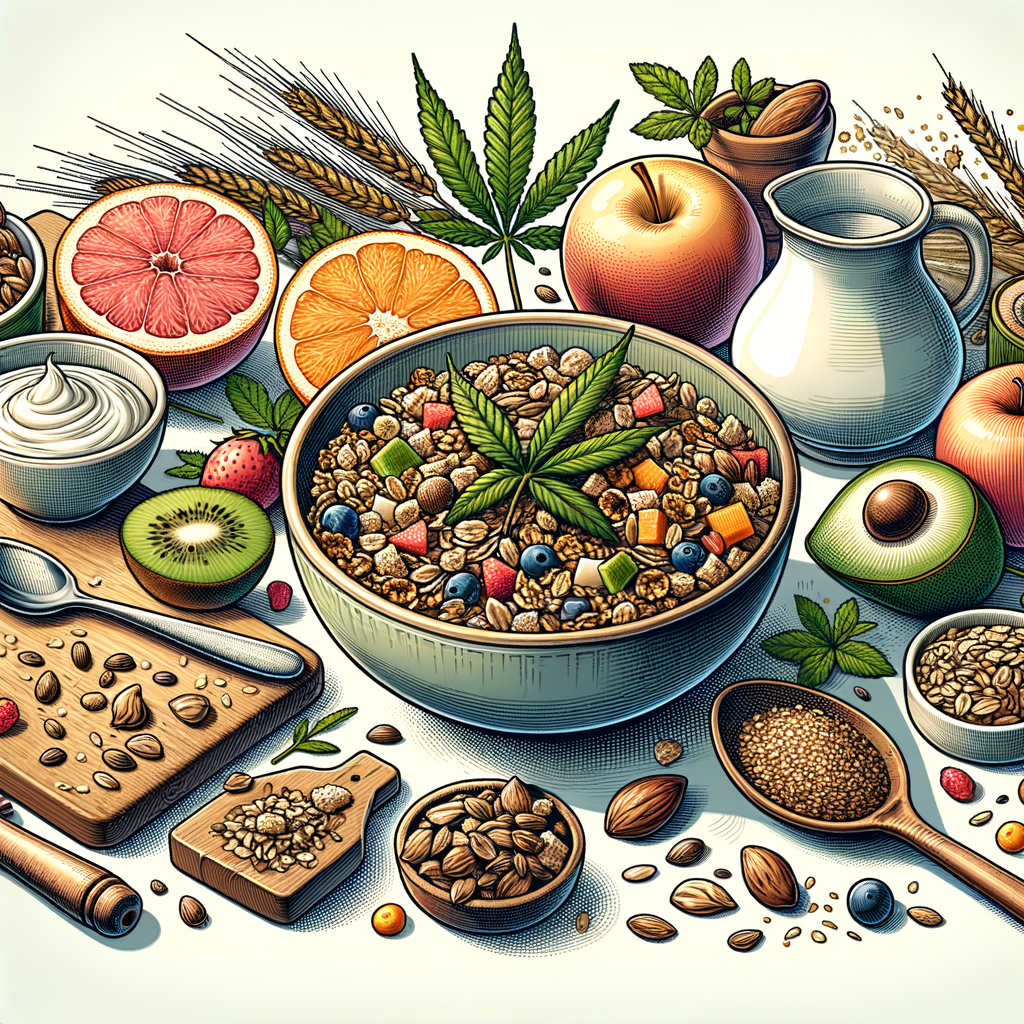

Baking cakes with hemp flour opens a practical way to add nutty flavor, extra protein, fiber, and healthy fats to homemade desserts without abandoning the structure and tenderness people expect from cake. Hemp flour is made from ground hemp seeds, often partially defatted after oil extraction, which gives it a soft texture, earthy aroma, and darker color than all-purpose flour. In baking, it behaves differently from wheat because it contains less starch and no gluten-forming proteins, so it cannot fully replace conventional flour in most cake formulas. That distinction matters. A baker who understands what hemp flour contributes, and what it cannot do alone, can produce cakes that are moist, flavorful, and nutritionally richer instead of dense or crumbly.
I have tested hemp flour in snack cakes, muffins, cupcakes, layer cakes, and loaf-style bakes, and the same lesson appears every time: success comes from controlled substitution, not one-to-one replacement. Most reliable cake recipes use hemp flour at 10 to 30 percent of the total flour weight, combined with all-purpose, pastry, or sometimes almond flour. This range preserves lift while adding a pleasant toasted seed flavor. The ingredient also absorbs moisture differently than wheat, so batters often need slight increases in liquid, eggs, or fat. For readers searching recipes and cooking tips, this hub covers the fundamentals of baking with hemp flour, answers the common questions directly, and provides a framework you can apply across nearly any cake style.
What hemp flour is and why bakers use it
Hemp flour is a high-fiber, protein-rich flour milled from hemp seeds. Depending on the brand, it may be labeled hemp seed flour, hemp meal, or defatted hemp flour. The most common baking version is darker and more absorbent than wheat flour because much of the oil has been pressed out before grinding. Nutritionally, hemp flour usually contains meaningful amounts of plant protein, insoluble fiber, magnesium, iron, and omega fatty acid residues, although values vary by manufacturer. The flavor is best described as nutty, grassy, and mildly earthy. In cakes, that profile works especially well with chocolate, banana, carrot, spice, coffee, citrus, and brown sugar.
Bakers use hemp flour for three main reasons. First, it improves nutritional density without turning cake into a health-project texture experiment. Second, it adds complexity of flavor, much like whole wheat pastry flour or toasted nut meal. Third, it broadens options for people who want to reduce refined flour use. It is important, however, to separate hemp flour from cannabis misconceptions. Culinary hemp ingredients are made from varieties bred for food use and contain only trace amounts of THC, far below intoxicating levels and within legal limits where sold. For recipe development, the more relevant concern is function: hemp flour weakens gluten structure and darkens crumb color, so formula balance matters more than marketing claims.
How hemp flour behaves in cake batter
If you want the short answer to “Can you bake a cake with hemp flour?” the answer is yes, but usually not as the only flour. Cake structure depends on a balance of starch gelatinization, protein setting, fat distribution, sugar dissolution, leavening gas retention, and moisture management. Wheat flour provides starch and gluten potential; hemp flour contributes protein and fiber but very little of the gluten-forming capability needed to trap expanding gases. In practical terms, that means a batter with too much hemp flour tends to rise less, bake up heavier, and crumble more easily when sliced.
From repeated test bakes, I have found hemp flour works best when treated as a flavoring and enrichment flour rather than the primary structural base. In creamed cakes, replacing 15 to 20 percent of the wheat flour usually keeps a fine crumb. In oil-based snack cakes or banana cakes, 25 percent is often safe because those batters are already forgiving and moist. Beyond 30 percent, you typically need supporting adjustments such as extra egg, a touch more baking powder, or another flour with better structure. Because hemp flour is darker, the cake may look more whole grain even when the texture is soft. That is normal and should be expected, especially in vanilla or lemon cakes.
Best substitution ratios and formula adjustments
The best hemp flour substitution ratio for cake is generally 10 to 25 percent of the total flour by weight. For example, in a recipe calling for 200 grams of all-purpose flour, start with 30 to 40 grams hemp flour and reduce the wheat flour accordingly. Weight-based measurement matters here because hemp flour can pack inconsistently in cups. If you are adapting a favorite family recipe, begin at the low end, bake once, evaluate the crumb, then move upward if you want more hemp flavor. This stepwise approach is how professionals protect a recipe’s structure during reformulation.
You will usually need one or more balancing changes. Increase liquid slightly if the batter looks tight; even 15 to 30 grams of milk, yogurt, or buttermilk can help. Consider adding an extra yolk in richer cakes because emulsifiers in yolk improve tenderness and reduce crumbling. If the cake tastes a little bitter, swap some white sugar for brown sugar, honey, or maple syrup, or pair the flour with cocoa, cinnamon, espresso, or ripe banana. Do not overmix. Since hemp flour does not develop gluten, bakers sometimes assume mixing no longer matters, but overworking the wheat portion and deflating aeration still harms volume.
| Cake type | Recommended hemp flour share | Typical adjustment | Best flavor pairings |
|---|---|---|---|
| Vanilla butter cake | 10% to 15% | Add 1 to 2 tablespoons milk | Vanilla, citrus zest, almond extract |
| Chocolate cake | 15% to 25% | Use coffee or buttermilk for moisture | Cocoa, espresso, dark chocolate |
| Banana or loaf cake | 20% to 30% | Usually none beyond careful mixing | Banana, cinnamon, walnuts |
| Carrot or spice cake | 20% to 25% | Increase leavening slightly if dense | Carrot, ginger, nutmeg, raisins |
Choosing the right cake styles for hemp flour
Not every cake showcases hemp flour equally well. The most successful recipes are those with built-in moisture, strong companion flavors, and a tender crumb that does not rely entirely on delicate aeration. Chocolate cake is an ideal starting point because cocoa masks color changes and complements hemp’s earthy notes. Banana cake and zucchini bread-style cakes are similarly forgiving; their fruit or vegetable moisture protects against dryness, and their denser profile feels intentional rather than compromised. Carrot cake, spice cake, and gingerbread also benefit because warm spices bridge the nutty flavor naturally.
More delicate cakes require restraint. Classic angel food cake, genoise, and very light white layer cakes depend on precise protein and starch behavior. In these styles, even a small amount of hemp flour can produce a coarser crumb and muted rise. If you want to use hemp flour in a celebration cake, choose a butter-based yellow cake, sour cream pound cake, or chocolate layer cake instead of a high-foam sponge. For cupcakes, keep the substitution closer to 15 percent if appearance matters. If your site also covers ingredient swaps, this is a good internal bridge to articles on gluten-free baking, whole grain cake methods, and moisture management in quick breads.
Flavor pairing strategies that make hemp flour taste better
One reason some first-time bakers dislike hemp flour is not the flour itself but poor pairing. Hemp flour has a distinctly savory edge, so recipes built around subtle sweetness can taste flat or grassy. The fix is straightforward: pair it with ingredients that give contrast, warmth, or depth. Chocolate is the easiest win. A standard cocoa cake made with part hemp flour often tastes more complex, almost like adding a tiny amount of toasted hazelnut meal. Coffee intensifies that effect. Brown sugar adds caramel notes that soften bitterness, while molasses works especially well in spice cakes.
Fruit pairings should be chosen carefully. Banana, pear, apple, and orange are strong choices because they contribute aroma and moisture. Berry cakes can work, but very delicate berries such as raspberries may be overwhelmed unless the hemp percentage is low. Citrus zest is one of my most reliable tools in test kitchens because it brightens the finish without changing batter structure. Vanilla alone is rarely enough at higher substitution levels; adding cinnamon, cardamom, nutmeg, or almond extract creates a rounder profile. Frostings matter too. Cream cheese frosting, chocolate ganache, and maple buttercream all complement hemp flour better than plain powdered sugar glaze.
Common problems and how to fix them
The most common issue when baking with hemp flour is a cake that turns out too dense. Usually the cause is excessive substitution or a batter that was not loosened with enough liquid. Reduce the hemp flour percentage and verify your leaveners are fresh. Because hemp flour is heavier than cake flour, a recipe designed for a very fine crumb may also need sifted dry ingredients and gentler folding. A second issue is crumbliness. This often improves with one extra egg yolk, a little yogurt, or a small decrease in baking time. Overbaking exaggerates every weakness in a hemp flour cake.
Another frequent complaint is bitterness or a strong earthy aftertaste. First, check freshness. Hemp flour contains residual fats and can go rancid faster than refined wheat flour, especially if stored warm. Always smell the bag before baking; it should smell nutty, not painty or stale. Store opened hemp flour in an airtight container in the refrigerator or freezer. If freshness is not the issue, adjust flavor architecture rather than simply adding more sugar. Salt, citrus zest, cocoa, spices, and brown sugar all improve balance. Finally, do not expect pale color. A darker crumb is a normal visual result and not a sign of failure.
Buying, storing, and testing hemp flour for reliable results
Quality varies widely between brands, so buying hemp flour thoughtfully saves frustration. Look for products labeled with ingredient simplicity, milling date or best-by date, and nutritional details. Finely milled flour produces better cake texture than coarse meal. Some brands are partially defatted and very absorbent, while others retain more oil and feel slightly richer. That difference affects hydration, so when switching brands, mix the batter by sight as well as by formula. A batter that resembles thick mousse for layer cake or a looser spoonable batter for snack cake is generally in the right range. If it looks paste-like, add a small amount of liquid before baking.
Storage is not optional with this ingredient. Because of its natural fat content, hemp flour degrades faster than white flour. I recommend buying smaller packages, dating them when opened, and refrigerating immediately. In freezer storage, many bakers get several months of quality retention, but room-temperature pantry storage can shorten freshness dramatically. Before committing to a large batch recipe, run a small test bake such as six cupcakes. This is standard development practice and the fastest way to learn how a specific brand behaves. Once you establish a preferred substitution rate, document it in your recipe notes so future bakes stay consistent.
Baking cakes with hemp flour works best when you respect its strengths: nutrition, moisture affinity, and a nutty, complex flavor that shines in chocolate, banana, carrot, and spice-forward recipes. It is not a direct replacement for wheat flour in every cake, and pretending otherwise leads to dense layers and disappointing texture. Use 10 to 25 percent of the total flour for most cakes, measure by weight, store it cold, and adjust liquid or eggs when the batter seems too tight. Those simple rules turn hemp flour from a risky pantry experiment into a dependable ingredient.
For home bakers building skill in recipes and cooking tips, this hub should serve as the starting point for every related variation, from cupcakes and loaf cakes to frosting pairings and ingredient substitutions. Start with a forgiving chocolate or banana cake, keep notes, and refine from there. Once you learn how hemp flour behaves, you can create cakes that taste intentional, balanced, and distinctive rather than merely “healthier.” Choose one trusted recipe this week, replace a small portion of the flour with hemp flour, and test the difference yourself.
Frequently Asked Questions
Can I replace all-purpose flour with hemp flour in a cake recipe?
In most cases, no—hemp flour should not be used as a full one-to-one replacement for all-purpose flour in standard cake recipes. Hemp flour behaves very differently from wheat flour because it contains no gluten-forming proteins and much less starch, both of which are important for creating the light, structured crumb people expect in cakes. If you swap all of the wheat flour for hemp flour, the result is usually dense, crumbly, heavy, and sometimes slightly dry. The cake may also rise less and have a more compact texture than intended.
A more reliable approach is to use hemp flour as a partial substitution. For many cake recipes, replacing about 10% to 25% of the all-purpose flour with hemp flour gives you the added nutty flavor, extra fiber, and protein without sacrificing too much tenderness or volume. At lower percentages, hemp flour can enrich the batter while the wheat flour still provides enough structure to support a good rise. If you want to push the percentage higher, you may need to make supporting adjustments such as increasing moisture slightly, adding an extra egg, or combining hemp flour with other flours that contribute starch and softness.
It is also important to remember that hemp flour has a darker color and more pronounced earthy taste than white flour. Even when used successfully, it will change the appearance and flavor of the cake. That can be a great thing in recipes built around chocolate, spice, banana, carrot, zucchini, coffee, or nut flavors, where hemp flour’s nuttiness fits naturally. In delicate vanilla or angel food-style cakes, however, it can be too strong. For best results, think of hemp flour as a nutritious supporting ingredient rather than the sole flour in a classic cake recipe.
What does hemp flour taste like in cakes, and which cake flavors work best with it?
Hemp flour has a mild but noticeable earthy, nutty flavor that many bakers describe as somewhere between sunflower seeds, walnuts, and whole-grain flour. In cakes, that flavor tends to come through more clearly than it would in highly savory recipes because the sweetness of the batter can make the hemp notes stand out. It also contributes a darker, more natural-looking crumb, so cakes made with hemp flour often look more rustic and wholesome than cakes made exclusively with refined flour.
The best flavor pairings are usually recipes that already welcome warm, rich, or complex notes. Chocolate cake is one of the easiest and most successful matches because cocoa easily complements the earthiness of hemp flour. Spice cakes, carrot cake, banana cake, pumpkin cake, zucchini cake, coffee cake, and cakes with brown sugar, molasses, maple, nuts, or seeds also work very well. In these types of recipes, hemp flour often adds depth rather than distraction. Frostings such as cream cheese, chocolate ganache, cinnamon buttercream, or nut-based toppings can also balance its flavor beautifully.
By contrast, very light and delicate cakes may not be the best place to start. A simple white cake, chiffon cake, or subtle lemon sponge can lose some of its airy character and clean flavor when too much hemp flour is added. If you want to experiment in those recipes, keep the substitution low so the hemp flour plays a background role instead of dominating the finished cake. Overall, hemp flour works best when you intentionally pair it with bold, cozy, or naturally nutty ingredients rather than expecting it to disappear completely.
Why does hemp flour make cakes denser or drier, and how can I fix that?
Hemp flour can make cakes denser or drier because it lacks the key properties that help traditional cake flour perform so well. Wheat flour provides starch for tenderness and gluten for structure, both of which help trap air and support the rise of a cake. Hemp flour does neither in the same way. It is also higher in protein, fiber, and healthy fats than standard refined flour, which changes how the batter absorbs liquid and how the crumb sets during baking. The result can be a cake that feels heavier, more fragile, or less moist if the recipe is not adjusted properly.
One of the simplest fixes is to use less hemp flour. Keeping it to a moderate percentage preserves the strengths of the original recipe. If you still want more hemp flour in the batter, increasing moisture can help. That might mean adding a little more milk, buttermilk, yogurt, sour cream, mashed banana, applesauce, or another moist ingredient suited to the recipe. Extra eggs can also improve structure and richness, especially in cakes that need help holding together. Slightly increasing the sugar or fat can support tenderness as well, since both contribute to a softer crumb.
Technique matters too. Avoid overmixing once the wet and dry ingredients are combined, because even though hemp flour itself does not build gluten, the wheat flour in the recipe still can. Overbaking is another common cause of dryness, especially with nutrient-dense flours. Start checking for doneness early and remove the cake as soon as a tester comes out with a few moist crumbs rather than waiting until it looks very firm. In general, the best strategy is balance: pair hemp flour with enough conventional flour or other structure-building ingredients, keep the batter adequately hydrated, and choose recipes where a slightly heartier crumb is actually an advantage rather than a flaw.
Is hemp flour gluten-free, and can I use it to make a completely gluten-free cake?
Hemp flour itself is naturally gluten-free because it is made from hemp seeds, not wheat, barley, or rye. However, whether a particular bag is safe for someone with celiac disease or severe gluten sensitivity depends on processing and labeling. Cross-contact can happen during manufacturing, so if strict gluten avoidance is necessary, it is important to buy hemp flour specifically labeled gluten-free. That gives you much more confidence that it has been handled in a controlled environment and tested according to appropriate standards.
Even though hemp flour is gluten-free, it is not a complete stand-alone solution for gluten-free cakes. The same qualities that limit it in wheat-based baking also limit it in gluten-free baking: it does not provide enough starch or binding power on its own to mimic a traditional cake texture. A good gluten-free cake usually depends on a thoughtful blend of ingredients, such as rice flour, oat flour, sorghum flour, tapioca starch, potato starch, almond flour, or other specialty flours, plus a binder like xanthan gum, psyllium husk, or extra eggs depending on the recipe. In that kind of blend, hemp flour can be extremely useful as a complementary ingredient that adds nutrition, color, and nutty flavor.
If you want to make a gluten-free cake with hemp flour, the best approach is to use it as part of a broader flour mix rather than the only dry base. It can contribute character and substance, but it usually needs starchier flours around it to keep the crumb from becoming too dense. Recipes designed specifically for gluten-free baking will give much better results than adapting a conventional cake recipe on the fly. In short, hemp flour is naturally gluten-free and very useful in gluten-free cakes, but it works best as one component in a balanced formula instead of the sole flour.
How should I store hemp flour, and does freshness matter when baking cakes?
Freshness matters a great deal with hemp flour because it contains natural oils that can go rancid faster than refined flours. Even partially defatted hemp flour still has enough residual fat to be more sensitive to heat, light, and air exposure. When fresh, it smells pleasantly nutty and earthy. When old or improperly stored, it can develop a bitter, stale, paint-like, or off aroma that will absolutely show up in your cake. Because cakes often have subtle sweet flavors, any decline in flour quality can become surprisingly noticeable.
For best storage, keep hemp flour in an airtight container away from heat and sunlight. Many bakers prefer to refrigerate it, especially after opening, to slow oxidation and preserve flavor. If you buy it in bulk or only bake occasionally, freezing is an even better option. Hemp flour generally freezes well, and you can portion it into smaller containers or bags so you only thaw what you need. Always let refrigerated or frozen flour come closer to room temperature if your recipe depends on precise mixing behavior, and give it a quick stir before using since denser particles can settle over time.
Before baking, take a moment to inspect the flour. Check the expiration date, smell it carefully, and look for any clumping caused by moisture exposure. Using fresh hemp flour helps ensure the cake tastes pleasantly nutty instead of harsh or bitter. It also gives you more predictable baking performance. If you are experimenting with hemp flour for the first time, starting with a freshly opened package is a smart move because it lets you judge the ingredient accurately and make recipe adjustments based on its real flavor and texture, not on a stale product that is already past its best.