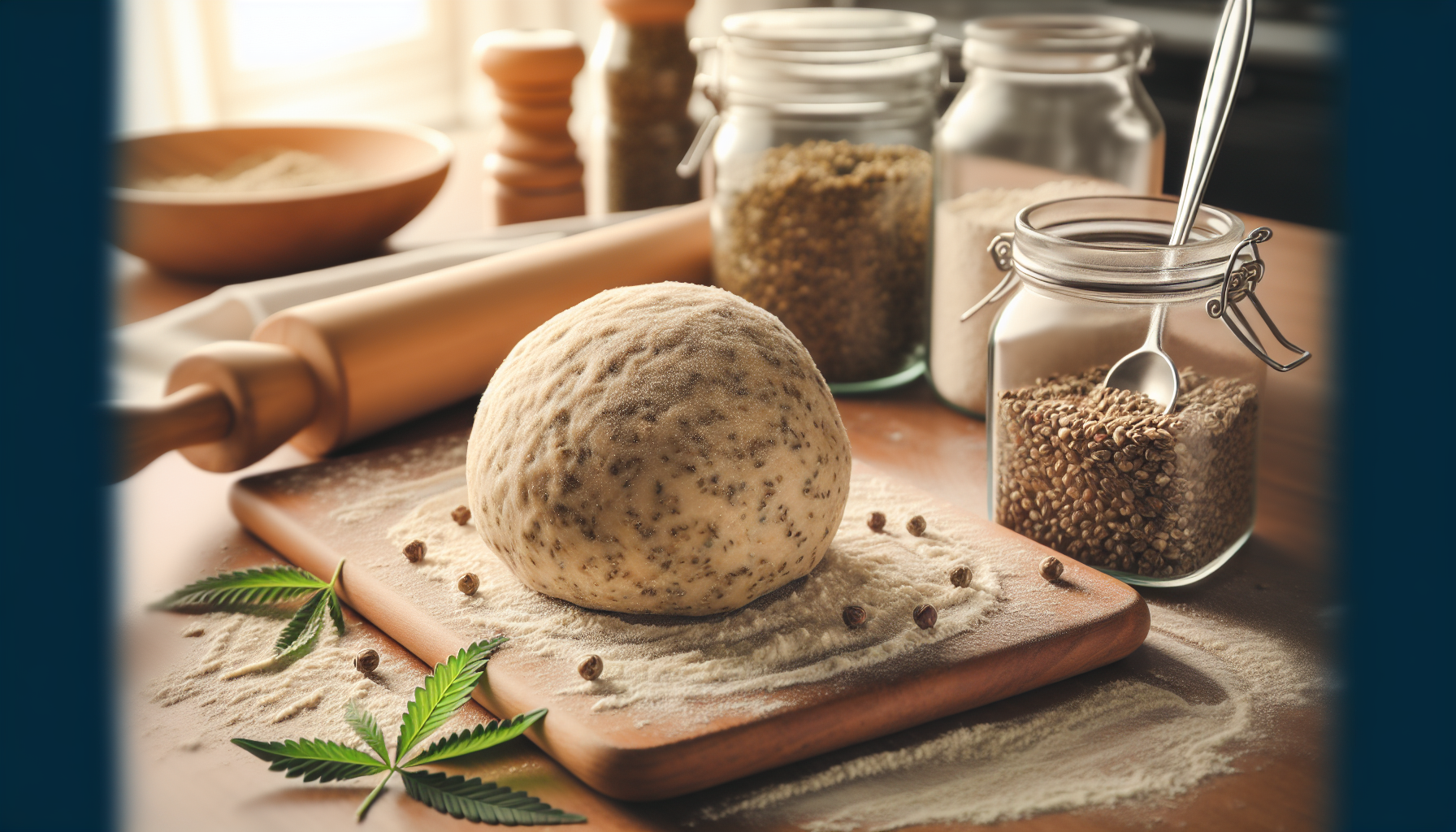
Hemp flour pizza dough recipes solve a common problem in gluten-free and high-fiber baking: how to make a crust that is flavorful, workable, and nutritionally stronger than standard white flour dough. Hemp flour is made by milling defatted hemp seeds, so it delivers protein, fiber, minerals, and a mild nutty taste, but it behaves very differently from wheat flour because it contains no gluten. That difference matters. In my own test kitchen work, I have found that the best hemp flour pizza dough never relies on hemp flour alone; it works when hemp flour is blended with structure-building flours such as bread flour, all-purpose flour, oat flour, brown rice flour, or tapioca starch. For home cooks searching for baking with hemp flour advice, pizza dough is one of the most useful starting points because it teaches hydration, elasticity, and balance. This article is the hub for that entire subtopic, covering what hemp flour does in dough, how to choose formulas, and which methods give reliable results. If you want one clear answer up front, it is this: use hemp flour for flavor, nutrition, and tenderness, but pair it with another flour or binder for lift and stretch.
Baking with hemp flour matters for more than novelty. Hemp flour typically contains more fiber and protein than refined wheat flour, and many bakers use it to increase satiety, deepen flavor, and create more nutrient-dense breads, crackers, pancakes, and pizza crusts. It is also naturally gluten-free, though anyone with celiac disease still needs certified gluten-free products and a controlled kitchen environment to avoid cross-contact. In pizza dough, hemp flour can darken the crumb, absorb water differently, and reduce elasticity if overused. Those are not flaws; they are formulation signals. A strong hemp flour pizza dough recipe accounts for them with the right percentage, mixing method, and resting time. Once you understand those mechanics, you can adapt the same principles across flatbreads, focaccia-style bases, yeast doughs, and quick crusts. That is why this hub article focuses not only on recipes but on repeatable technique, so readers can move from one-off success to consistent results in everyday cooking.
What hemp flour does in pizza dough
Hemp flour contributes three main things to pizza dough: nutrition, flavor, and water absorption. Because the flour comes from pressed hemp seed meal, it is richer in protein and fiber than refined flour, but lower in starch. Starch is what helps traditional pizza crust puff, crisp, and hold a light interior, so replacing too much wheat flour with hemp flour can produce a denser crust. In practical terms, most successful yeast doughs use hemp flour at about 10 to 25 percent of the total flour weight. In my testing, 15 percent is the sweet spot for a first recipe: enough to add a nutty, earthy profile and visible color change without sacrificing extensibility. Push toward 25 percent and the dough often needs higher hydration, a little more oil, and gentler handling. Beyond that point, many bakers get better results by switching from a classic Neapolitan-style goal to a thin, crisp, artisan flatbread approach.
Texture is where many recipes go wrong. Hemp flour does not form gluten, so it cannot trap fermentation gases by itself. If you are using wheat flour, the remaining wheat portion must be mixed enough to develop structure, but not so much that the bran-like hemp particles cut that network down. If you are baking gluten-free, you need other binders entirely, usually psyllium husk, xanthan gum, ground flax, eggs, or a starch blend built around tapioca and potato starch. The other key variable is heat. Hemp flour browns quickly because of its protein and residual fat content, so a crust with hemp flour can color faster than a plain white dough. That is useful in a home oven that struggles to reach pizzeria temperatures, but it also means you should watch the bake closely after the first few minutes.
Best hemp flour pizza dough recipes by style
The best recipe depends on your goal. For a chewy, familiar crust, blend hemp flour with bread flour. A dependable baseline is 425 grams bread flour, 75 grams hemp flour, 350 grams water, 10 grams salt, 3 grams instant yeast, and 15 grams olive oil. Mix until no dry spots remain, rest for 20 minutes, then knead or fold until smooth. After a one- to two-hour rise, cold fermenting overnight improves flavor and handling. This formula keeps hemp flour at 15 percent, which preserves oven spring. For a softer weeknight crust, use all-purpose flour instead of bread flour and add 10 to 15 extra grams of water. For a cracker-thin crust, reduce hydration slightly and roll the dough rather than stretching it by hand.
If you need a gluten-free option, treat hemp flour as part of a system, not the whole system. One reliable ratio is 120 grams brown rice flour, 80 grams tapioca starch, 50 grams hemp flour, 8 grams psyllium husk powder, 7 grams salt, 5 grams instant yeast, 18 grams olive oil, and 260 to 280 grams warm water. Mix into a thick, sticky dough, let it hydrate for 10 minutes, then spread or press it onto parchment with oiled hands. This style behaves more like a high-hydration pan pizza than a free-stretched round. It will not mimic a strong wheat dough exactly, but it can produce a crisp edge and a tender interior if pre-baked before topping. For quick no-yeast hemp flour pizza dough recipes, I have had the best results with Greek yogurt, baking powder, all-purpose flour, and 10 percent hemp flour, especially for skillet pizzas or sheet-pan lunches.
| Pizza dough style | Typical hemp flour percentage | Best supporting flours or binders | Expected result |
|---|---|---|---|
| Classic yeast wheat dough | 10% to 20% | Bread flour, olive oil, long fermentation | Chewy crust with mild nutty flavor |
| Weeknight all-purpose dough | 10% to 15% | All-purpose flour, slightly higher hydration | Softer crust, easy shaping |
| Thin and crisp flatbread | 15% to 25% | All-purpose flour or spelt, lower hydration | Crisp bite, darker bake |
| Gluten-free pan crust | 15% to 20% | Brown rice flour, tapioca starch, psyllium | Tender interior, crisp base if pre-baked |
How to mix, proof, and bake for consistent results
For baking with hemp flour, hydration control matters more than almost any other variable. Hemp flour can make dough feel dry at first and sticky later, especially after a short rest. That is why I recommend an autolyse or hydration rest even for simple pizza doughs. Mix flour and water first, wait 15 to 20 minutes, then add salt, yeast, and oil if your formula allows. This gives the flour time to absorb water evenly and makes final handling more predictable. In wheat-based doughs, use stretch-and-folds during the first rise instead of aggressive kneading if the dough feels fragile. In gluten-free doughs, mixing thoroughly is more important than kneading because the goal is full hydration and binder activation, not gluten development.
Proofing times depend on temperature, flour choice, and yeast level, but hemp flour tends to produce doughs that feel slightly heavier, so under-proofing is a common mistake. Let the dough rise until visibly aerated, not just slightly enlarged. If you cold ferment, bring the dough out early enough to relax before shaping; a tight, cold dough with hemp flour can tear more easily than plain dough. Baking surface also matters. A preheated pizza steel gives the strongest bottom heat and helps moisture evaporate quickly, which is useful for hemp-containing crusts. A stone works well too, though it recovers heat more slowly between pies. In a standard home oven, preheat at the highest setting for at least 30 to 45 minutes. Many bakers also get excellent results by par-baking hemp flour crusts for four to six minutes before adding sauce and cheese, especially with gluten-free formulas or vegetable-heavy toppings.
Common mistakes when baking with hemp flour
The biggest mistake is substitution without reformulation. Replacing half or all of the wheat flour in a favorite pizza recipe with hemp flour almost always disappoints because the dough loses its gluten framework and starch balance. The second mistake is ignoring hydration. Dough that seems dry after the initial mix may become looser after resting, so adding too much flour too early can create a tough crust. The third mistake is using too much topping on a dough that is already denser than standard crust. Hemp flour pizza dough recipes benefit from balance: moderate sauce, controlled moisture, and enough oven heat to set the base before the top overloads it.
Storage and freshness are also overlooked. Because hemp flour contains more natural oils than refined flours, it can become rancid faster if stored warm or exposed to air. Buy from a reputable brand, check the best-by date, and keep opened flour in an airtight container in the refrigerator or freezer for long-term quality. Flavor can vary by brand as well. Some hemp flours taste pleasantly nutty; others are grassy or assertive. If a first bake tastes stronger than you want, lower the percentage and pair it with bolder toppings such as roasted tomatoes, mozzarella, aged provolone, mushrooms, caramelized onions, or herb oil. Mild toppings can get lost, while sharp, savory ingredients complement hemp flour well.
How this hub connects to the wider baking with hemp flour topic
As a sub-pillar under Recipes and Cooking Tips, this page should guide readers beyond pizza to the broader practice of baking with hemp flour. The core principles stay the same across recipes. In muffins and quick breads, hemp flour adds tenderness and color but usually works best at 10 to 30 percent of the flour blend. In cookies, it deepens flavor and can create a sandy, short texture when paired with butter and brown sugar. In pancakes and waffles, it contributes nuttiness and extra protein, though too much can reduce fluffiness. In crackers, hemp flour is especially effective because crisp formats do not depend on strong gluten structure. That is why pizza dough is a useful hub topic: it sits at the intersection of yeast handling, hydration science, flour blending, and flavor pairing.
From an SEO and reader-intent perspective, this page should naturally support related content such as hemp flour bread recipes, gluten-free hemp flour baking, hemp flour substitution charts, hemp flour pancakes, and storage tips for alternative flours. Searchers usually begin with one question, such as whether hemp flour can replace regular flour, but they quickly need adjacent answers about ratios, binders, texture, and recipe types. A strong hub article anticipates that path. It explains that hemp flour is best used as a partial substitute, gives working percentages, and shows how method changes by application. That makes the content useful not only for traditional search but also for answer engines and AI summaries, which tend to favor pages that define the ingredient, explain the mechanism, and give direct practical guidance in one place.
Hemp flour pizza dough recipes are most successful when they treat hemp flour as a strategic ingredient, not a one-to-one replacement for standard flour. The core takeaway is simple: keep the percentage moderate, match it with a flour or binder that provides structure, and adjust hydration and baking method to suit the dough style. For most home bakers, 10 to 20 percent hemp flour in a wheat-based pizza dough is the easiest entry point. For gluten-free baking, combine hemp flour with starches and a proven binder such as psyllium husk, then use a pressed or pan-style method instead of expecting a stretchable artisan dough. Those choices produce better crust, better handling, and better flavor.
As a hub for baking with hemp flour, this guide should give you a workable foundation for far more than pizza night. Once you understand how hemp flour changes absorption, browning, and structure, you can apply the same logic to breads, pancakes, crackers, cookies, and savory bakes. Start with one of the balanced formulas here, take notes on dough feel and bake time, and adjust in small increments rather than making large substitutions. That practical approach is how reliable recipes are built. If you are expanding your alternative flour repertoire, use this page as your starting point, then explore the connected hemp flour recipes and cooking tips that build on these fundamentals.
Frequently Asked Questions
1. Can hemp flour replace regular flour completely in pizza dough?
Usually, no. Hemp flour is best used as part of a blend rather than as a full one-to-one replacement for wheat flour or even many gluten-free baking mixes. The reason is simple: hemp flour contains no gluten, and gluten is what gives traditional pizza dough its stretch, chew, and structure. Hemp flour is also relatively high in fiber and protein, which makes it nutritionally impressive, but those same qualities can make dough dense, fragile, and harder to shape if you use too much of it.
In practical recipe testing, hemp flour often works best when it makes up a modest portion of the total flour blend. That allows you to capture its nutty flavor, darker color, and nutritional benefits without sacrificing texture. In gluten-free pizza dough, it is commonly paired with starches such as tapioca, potato starch, or arrowroot, along with rice flour, oat flour, or sorghum flour to improve balance. In wheat-based dough, a smaller amount of hemp flour can be added to bread flour or all-purpose flour to boost fiber and protein while preserving elasticity.
If you try to make a crust from hemp flour alone, expect a dough that behaves more like a thick batter or a pressed crust than a classic hand-stretched pizza dough. That does not mean it cannot work, but it will require different expectations and usually more binders, such as psyllium husk, xanthan gum, chia gel, or eggs depending on the recipe style. For most home bakers, the best results come from treating hemp flour as a strengthening ingredient nutritionally, not as the sole structural flour.
2. What does hemp flour do to the taste and texture of pizza crust?
Hemp flour gives pizza dough a mild, earthy, nutty flavor that can be very appealing when balanced well. It is not overpowering in most recipes, but it is noticeable, especially when used at higher percentages. Many people find that it pairs especially well with savory toppings such as mushrooms, roasted vegetables, caramelized onions, goat cheese, pesto, or robust tomato sauces. If you are expecting a neutral white-flour crust, though, hemp flour will create a more rustic and hearty flavor profile.
In terms of texture, hemp flour tends to make crust less stretchy and more tender, sometimes even slightly crumbly if the dough is under-hydrated or lacks a good binder. Because it absorbs moisture differently than wheat flour and contains a significant amount of fiber, it can dry out a dough faster than expected. That is why many hemp flour pizza dough recipes benefit from a little extra water, oil, or resting time to let the flour hydrate fully before shaping.
Color is another difference worth noting. Hemp flour usually darkens the dough, producing a crust that looks more whole-grain than white-flour pizza. That darker appearance is normal and often signals the richer nutrient profile. If the recipe is balanced correctly, the finished crust can be pleasantly crisp on the outside and tender inside, but it will rarely mimic the airy chew of high-gluten pizza dough exactly. The goal with hemp flour is not to force it to behave like white flour, but to work with its natural characteristics to create a flavorful, satisfying crust.
3. How do you keep hemp flour pizza dough from falling apart?
The key is structure. Since hemp flour has no gluten, you need other ingredients and techniques to hold the dough together. The most reliable approach is to combine hemp flour with complementary flours and starches, then include a binding agent. Psyllium husk is one of the most effective choices because it creates elasticity and improves handling, especially in gluten-free dough. Xanthan gum can also help, though it tends to create a different kind of chew. Chia seeds or flaxseed meal mixed with water can contribute binding power as well, particularly in egg-free recipes.
Hydration matters just as much. Many crumbling issues come from dough that is too dry. Hemp flour and other high-fiber ingredients continue absorbing water after mixing, so a dough that feels fine initially may become stiff later. Letting the dough rest for 10 to 20 minutes before shaping can make a major difference because it gives the flour time to hydrate fully. If the dough still cracks at the edges, it often needs a small addition of water or oil rather than more dry flour.
Technique also plays a role. Hemp flour pizza dough usually responds better to pressing than aggressive stretching. Instead of trying to toss it like a traditional pizza, press it onto parchment paper or into a pan with lightly oiled hands. Pre-baking the crust before adding sauce and toppings can further improve stability and prevent a gummy center. In short, if your hemp flour dough keeps breaking, the solution is typically a better flour blend, stronger binders, more thoughtful hydration, and gentler handling.
4. Is hemp flour pizza dough actually healthy?
It can be a very nutritious option, especially compared with standard refined white-flour pizza crust. Hemp flour is made from defatted hemp seeds, so it retains a meaningful amount of plant protein, dietary fiber, and minerals such as iron, magnesium, and phosphorus. That makes it particularly appealing for people who want a more nutrient-dense crust or who are trying to increase the protein and fiber content of homemade baked goods.
That said, “healthy” still depends on the full recipe. A pizza crust made with hemp flour can support better blood sugar balance and satiety than a highly refined crust, especially when it is paired with other whole-food ingredients. But nutrition is affected by everything in the formula, including the starches used in the blend, the amount of oil, the toppings, and the portion size. Some gluten-free crust recipes rely heavily on refined starches to improve texture, which can offset some of the advantages if the rest of the formulation is not balanced.
For many bakers, the real strength of hemp flour is that it improves the nutritional profile of pizza dough without requiring unusual preparation. It is especially useful for those seeking gluten-free, higher-fiber, or more plant-forward baking options. It is not a miracle ingredient, and it does not automatically make every pizza low-carb or medically appropriate for all diets, but it is a smart ingredient for building a more substantial, satisfying crust. When used thoughtfully, hemp flour can absolutely be part of a healthy pizza recipe.
5. What are the best tips for getting the best results with hemp flour pizza dough recipes?
Start by choosing the right recipe style. Hemp flour performs best in doughs designed specifically for gluten-free or alternative flour baking, not in standard pizza dough recipes where ingredients are swapped casually. Look for formulas that already account for moisture, binding, and flour balance. If you are creating your own recipe, keep the hemp flour at a moderate percentage at first, then adjust gradually as you learn how it affects texture and flavor.
Next, pay close attention to hydration and resting time. Hemp flour can make dough feel heavier and drier than expected, so it often benefits from more liquid than beginner bakers assume. A short rest after mixing helps the dough become easier to handle and reduces cracking. Oil is also useful in hemp flour pizza dough because it contributes tenderness and helps prevent the finished crust from tasting dry or overly coarse.
Shaping and baking method are equally important. Many hemp flour doughs are easier to spread or press than to knead and stretch. Using parchment paper, lightly oiled hands, and a preheated baking surface can improve both convenience and texture. Pre-baking the crust before topping is one of the most dependable ways to avoid a soft middle. Finally, be realistic about the result: a good hemp flour crust is flavorful, hearty, and satisfying, but it will not be identical to a classic Neapolitan dough. The best outcomes come from embracing its nutty taste, its rustic character, and its nutritional advantages while using tested techniques that support structure and browning.