Hemp seeds fit naturally into low-carb eating because they deliver fat, protein, fiber, and minerals with very little digestible carbohydrate. For people following keto, paleo, or generally carb-conscious meal plans, they solve a common problem: how to add nutrition, texture, and satisfaction without pushing meals out of range. I have used hemp hearts in meal planning for clients and in my own kitchen for years, and they consistently work because they are versatile, neutral in flavor, and easy to portion.
When most people say hemp seeds, they usually mean hulled hemp seeds, also called hemp hearts. These are the soft inner seeds with the shell removed. They are different from hemp protein powder, hemp oil, and whole hemp seed. Hemp hearts are especially useful in low-carb diets because they contain a favorable balance of macronutrients. A typical three-tablespoon serving provides roughly 10 grams of protein, 14 to 15 grams of fat, and only a small amount of net carbs, though exact numbers vary slightly by brand. That profile makes them attractive for keto, where carbohydrate intake is tightly restricted, and for paleo, where whole, minimally processed foods are preferred.
Why does this matter? Low-carb diets often succeed or fail on food quality and sustainability, not just on carb counts. Many people start strong, then run into meal fatigue, inadequate fiber, low mineral intake, or difficulty replacing higher-carb staples like oats, breadcrumbs, and snack foods. Hemp seeds help close those gaps. They contain alpha-linolenic acid and linoleic acid, magnesium, iron, zinc, and phosphorus. They also blend into smoothies, yogurt alternatives, salads, sauces, and grain-free baking without requiring complicated preparation. Used well, they support satiety, improve nutrient density, and make keto and paleo eating easier to maintain over time.
Why hemp seeds work so well in keto and paleo diets
Keto and paleo are not the same diet, but hemp seeds serve both for clear reasons. In keto, the goal is usually to keep net carbohydrate intake low enough to support nutritional ketosis, often somewhere around 20 to 50 grams per day depending on the individual. Foods that combine protein and fat with minimal net carbs are valuable, and hemp hearts do exactly that. They can enrich breakfast, replace part of the protein in snacks, and add body to sauces without flour or starch. Because they are calorie-dense, they also help people who unintentionally under-eat after cutting bread, rice, and sugar.
In paleo, the logic is different. Paleo generally emphasizes foods that are minimally processed and excludes grains, legumes, and many industrial ingredients. Hemp hearts are seeds, not grains, and they fit comfortably into many paleo approaches. They can mimic the role of grains in bowls or breakfast mixes while keeping meals grain-free. They also work in dairy-free applications, which matters because many paleo eaters avoid milk products. I have seen hemp seeds used successfully in paleo porridge, seed crackers, crusts for fish, and creamy dressings made without yogurt or cheese.
Another reason hemp seeds stand out is digestibility. Compared with some nuts and seeds, hulled hemp seeds are tender and easy to chew. That makes them practical for daily use. Their mild, slightly nutty flavor also means they pair with both savory and sweet low-carb foods. Chia and flax are useful, but they can dominate texture. Hemp hearts are gentler, so they are easier to add repeatedly without making every meal feel like a health-food compromise.
Nutrition profile: macros, micronutrients, and what they mean in practice
The best way to understand hemp seeds in low-carb diets is to look at what they provide per serving. A standard serving of hemp hearts is about 30 grams, or three tablespoons. Most labels show around 166 to 180 calories, 9 to 10 grams of protein, 14 to 15 grams of fat, 1 to 3 grams of total carbohydrate, and about 1 gram of fiber. Because nutrition labels differ by region and manufacturer, it is smart to verify the exact numbers on the package, especially if you track carbs strictly for keto.
The fat profile matters. Hemp seeds contain a mix of polyunsaturated fats, including omega-6 linoleic acid and omega-3 alpha-linolenic acid. They are not a major source of long-chain omega-3 fats like EPA and DHA, which are found in fatty fish, but they do contribute useful essential fats. They also contain gamma-linolenic acid in small amounts, a compound that has drawn interest in research related to inflammation and skin health. From a practical nutrition standpoint, hemp seeds can diversify fat sources in a low-carb diet that might otherwise lean too heavily on butter, cream, bacon, or coconut products.
Micronutrients are another advantage. Hemp hearts provide magnesium, which supports muscle function, blood pressure regulation, and energy metabolism. This is especially relevant in keto, where shifts in fluid and electrolyte balance can cause fatigue or headaches during adaptation. They also supply iron, zinc, manganese, and phosphorus. No single food solves all nutrient needs, but hemp seeds make low-carb meals more complete. When I review food logs, one pattern is consistent: people who use seeds strategically tend to have more balanced mineral intake than those who rely mainly on meat, cheese, and low-carb packaged snacks.
| Food | Typical Serving | Protein | Fat | Net Carbs | Best Use in Low-Carb Diets |
|---|---|---|---|---|---|
| Hemp hearts | 3 tbsp | ~10 g | ~15 g | ~1-2 g | Bowls, smoothies, sauces, toppings |
| Chia seeds | 2 tbsp | ~5 g | ~9 g | ~2 g | Puddings, thickening, baking |
| Ground flaxseed | 2 tbsp | ~3 g | ~6 g | ~0-1 g | Low-carb baking, coatings, porridge |
| Almond flour | 1/4 cup | ~6 g | ~14 g | ~3 g | Breads, muffins, crusts |
How to use hemp seeds in keto meals without raising carbs
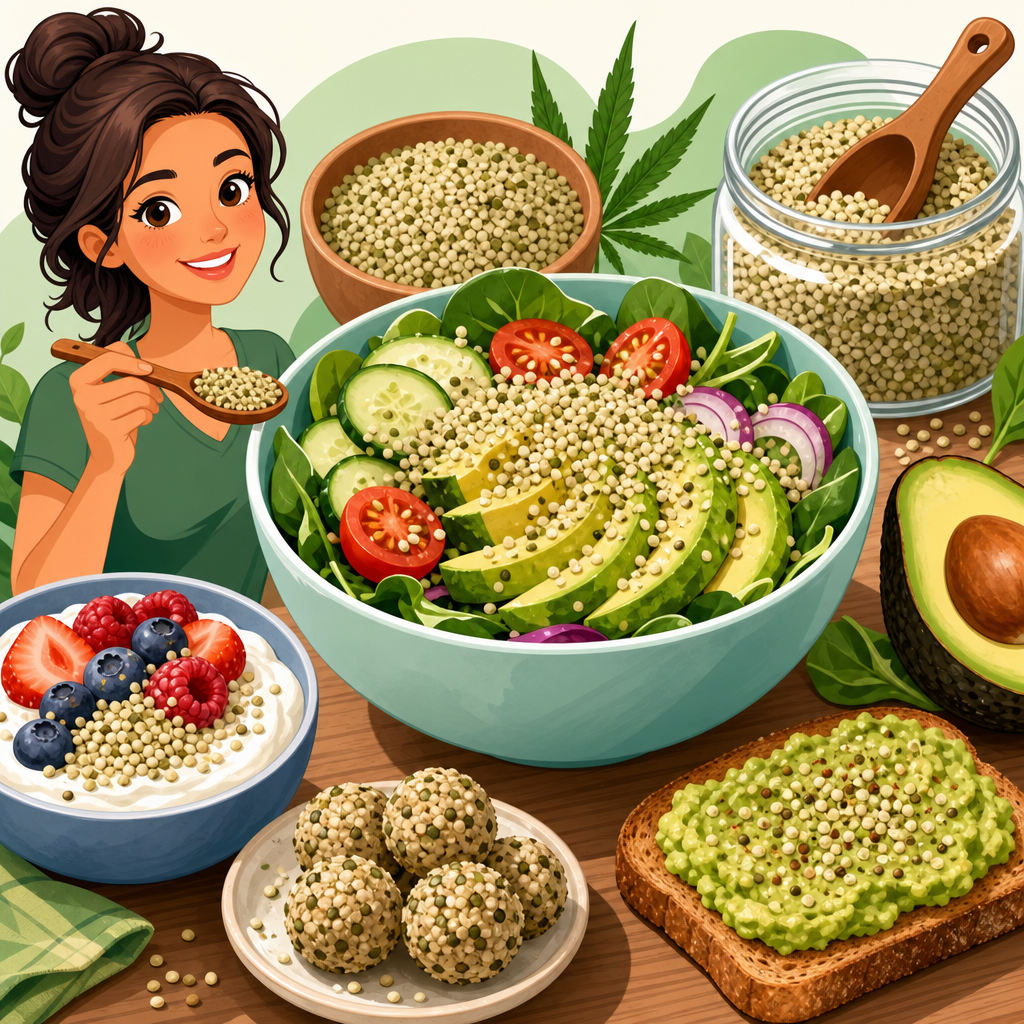
The simplest way to use hemp seeds in keto is as a topping. Sprinkle them over eggs, avocado, roasted vegetables, salads, or cauliflower rice bowls. This adds protein and fat without changing the meal structure. In a breakfast scramble with spinach and mushrooms, for example, three tablespoons of hemp hearts create a more filling plate and slightly nutty finish. On a salad with salmon, olive oil, and cucumber, they act almost like a cross between a garnish and a protein booster.
Hemp hearts also work in keto breakfasts where oats are off the table. One reliable method is a no-oat bowl made from hemp hearts, chia seeds, unsweetened coconut milk, cinnamon, and a few crushed pecans. Let it sit for ten minutes and it thickens into a spoonable breakfast with very low net carbs. If you prefer warm food, simmer hemp hearts briefly with almond milk, ground flax, and vanilla for a porridge-style base. Add nut butter or a few raspberries if your carb budget allows.
In sauces and spreads, hemp seeds are underrated. Blend them with lemon juice, olive oil, garlic, herbs, and water to make a creamy dressing without dairy or cashews. This is useful for keto eaters who want a lower-carb alternative to dressings thickened with sugar or starch. You can also pulse hemp hearts with Parmesan, basil, and olive oil for a pesto variation, or blend them into soups to increase creaminess. Because they emulsify well, they improve mouthfeel while keeping ingredient lists short.
For snacks, combine hemp hearts with pumpkin seeds, unsweetened coconut flakes, and cinnamon for a grain-free topper or trail-style mix. Some people make keto fat bombs with coconut oil and cocoa, but hemp hearts can create a more balanced snack with texture and protein. The practical rule is simple: use hemp seeds where you would otherwise add croutons, oats, breadcrumbs, or sweetened granola. That single shift lowers carbs fast.
How to use hemp seeds in paleo meals and grain-free cooking
Paleo eating often removes common convenience foods, so texture and versatility matter. Hemp seeds can stand in for grains in breakfast bowls, coatings, and baked recipes. One easy paleo breakfast is a seed bowl made with hemp hearts, shredded coconut, chopped nuts, cinnamon, and unsweetened coconut yogurt. It gives the feel of a cereal bowl without oats or granola. For a warmer option, cook hemp hearts with coconut milk and grated apple or zucchini, depending on how strict your carbohydrate target is.
In savory paleo cooking, hemp seeds make useful coatings and binders. Mix them with almond flour and seasonings to coat chicken tenders or salmon before baking. The result is crisp and nutty without breadcrumbs. They can also be folded into meatballs or burger patties in place of bread-based binders, though they absorb less moisture than breadcrumbs, so recipes may need an egg or a little coconut flour for structure. I have used hemp hearts in turkey burgers where they improved tenderness and added a subtle richness.
They also help in dairy-free paleo sauces. Blend hemp hearts with roasted red pepper, garlic, olive oil, and apple cider vinegar for a creamy dip, or use them with herbs and bone broth to make a sauce for roasted chicken. Because paleo recipes often avoid legumes, hemp can even replace part of the body normally provided by beans in dips and soups. This does not replicate every texture perfectly, but it creates satisfying, whole-food alternatives that align with the diet.
For baking, hemp hearts are best used as an addition rather than a total flour replacement. They bring moisture and richness to paleo muffins, crackers, and bars, especially when paired with almond flour or coconut flour. The lesson from recipe testing is that hemp seeds improve nutrition and tenderness, but they do not provide the same lift or absorbency as conventional flour. Used thoughtfully, they strengthen grain-free recipes instead of fighting them.
Best practices, common mistakes, and buying tips
Portion control is the first best practice. Hemp seeds are low in carbs, but they are not low in calories. That is usually helpful on keto, where satiety matters, yet it can be a problem for people who assume any seed can be added without limit. Measure servings at first. Three tablespoons is enough to change a meal meaningfully. Dumping half a bag into smoothies can distort calorie intake fast.
Another common mistake is ignoring label differences. Some brands list total carbohydrate and fiber in ways that vary by market regulations, and flavored hemp products may include sugar or starch. Buy plain hulled hemp seeds for the most flexibility. If you are following paleo, read ingredient lists closely on hemp granolas, protein blends, or clusters, because they often contain syrups, grains, or non-paleo additives. Simpler is better.
Storage matters more than many people realize. Because hemp seeds contain delicate unsaturated fats, they can go rancid if exposed to heat, light, and air for too long. I recommend buying from brands with good turnover, checking the best-by date, and storing opened packages in the refrigerator or freezer. Fresh hemp hearts smell mild and nutty. If they smell bitter, paint-like, or stale, discard them. This is one of the easiest ways to protect flavor and nutrient quality.
It is also important to keep expectations realistic. Hemp seeds are useful, but they are not a miracle food. They do not automatically make a processed low-carb bar healthy, and they do not replace the need for vegetables, quality protein, and overall meal structure. The strongest results come when hemp seeds are integrated into a disciplined low-carb pattern built around whole foods. That is where they consistently earn their place.
Hemp seeds deserve a central place in the keto and paleo toolkit because they solve several low-carb challenges at once. They are naturally low in digestible carbs, rich in protein and healthy fats, and easy to use in both sweet and savory meals. They can replace higher-carb toppings, strengthen breakfast options, enrich sauces, and improve the nutrient density of grain-free cooking. Few ingredients are this practical across so many meal types.
For keto eaters, the main benefit is simple: hemp hearts add satiety and nutrition without threatening carb limits. For paleo eaters, they offer a minimally processed seed that supports grain-free, dairy-free cooking with very little effort. In both cases, they reduce dependence on ultra-processed specialty products and make everyday meals more sustainable. That matters more than novelty. The best low-carb foods are the ones you will actually keep using week after week.
If you want to get started, begin with one bag of plain hemp hearts and use them in three places this week: on eggs or salad, in a breakfast bowl, and in a blended dressing. That small test will show you how adaptable they are. From there, build them into your regular meal rotation and explore more recipes across the broader hemp in different diets hub.
Frequently Asked Questions
Are hemp seeds good for a low-carb or keto diet?
Yes, hemp seeds are an excellent fit for low-carb and keto-style eating. One of the main reasons is their macronutrient profile: they provide a satisfying mix of healthy fats, protein, and fiber while contributing very little digestible carbohydrate. That combination helps support fullness, makes meals feel more balanced, and gives you a practical ingredient that adds nutrition without making carb counts climb too quickly. For people trying to stay within strict daily carbohydrate targets, that matters a great deal.
Hemp hearts in particular are useful because they are easy to work into everyday meals. They have a mild, slightly nutty flavor that does not overpower other ingredients, so they can be added to both sweet and savory dishes. In real-world low-carb meal planning, that versatility is important. Many low-carb eaters struggle to find foods that improve texture and nutrition without requiring major recipe changes. Hemp seeds solve that problem well, whether you sprinkle them over eggs, stir them into yogurt, blend them into smoothies, or use them to finish salads and vegetables.
They are also valuable beyond just carb control. Hemp seeds naturally contain minerals and plant-based nutrients that can help round out a low-carb eating pattern, especially when someone is reducing grains, legumes, or other higher-carb foods. In short, if your goal is to keep carbohydrates in check while improving satiety and nutrient density, hemp seeds are one of the most practical pantry staples you can use.
How can I use hemp seeds in low-carb meals and snacks?
Hemp seeds are one of the easiest low-carb ingredients to use because they require almost no preparation. You can simply open the bag and add them where you need more protein, healthy fat, or texture. For breakfast, they work well stirred into unsweetened Greek yogurt, cottage cheese, or chia pudding. They can also be blended into low-carb smoothies for extra richness without relying on fruit-heavy ingredients. If you make keto porridge or grain-free hot cereal, hemp hearts are a natural addition because they create a softer, more satisfying texture.
For savory meals, hemp seeds can be sprinkled over scrambled eggs, omelets, roasted vegetables, cauliflower rice bowls, salads, soups, and lettuce wraps. They can also be mixed into low-carb meatballs, burger patties, or grain-free baking recipes to boost nutrition and improve moisture. In snack applications, hemp hearts pair well with nut butter, seed mixes, and no-bake low-carb bites. Some people also use them as a topping for avocado, cucumber slices, or deviled eggs when they want a quick snack that feels more substantial.
The key is to think of hemp seeds as a flexible finishing ingredient and nutrition booster rather than something that has to stand alone. Because the flavor is neutral, they layer into many meals without changing the overall profile of the dish. That makes them especially useful for busy people who want to stay low carb without overcomplicating their cooking.
Do hemp seeds have net carbs, and how do they compare to other seeds on a carb-conscious diet?
Hemp seeds do contain some total carbohydrate, but the digestible or net carb amount is typically very low, which is why they are widely used in low-carb meal plans. Exact numbers can vary slightly by brand and serving size, so it is always smart to read the nutrition label on the package you buy. In most cases, hemp hearts are considered a low-net-carb food because much of their nutritional value comes from fat and protein rather than starch or sugar.
Compared with some other seeds commonly used in carb-conscious diets, hemp seeds hold up very well. Like chia, flax, and pumpkin seeds, they are valued for delivering nutrition with minimal impact on carb intake. What makes hemp hearts especially convenient is their soft texture and ready-to-eat nature. Unlike flax, they do not need to be ground for better usability in most meals, and unlike chia, they do not gel unless combined in specific ways. That means they are often easier to sprinkle directly onto foods or blend into recipes without changing texture too dramatically.
From a practical standpoint, hemp seeds are often chosen not just because they are low in net carbs, but because they are easy to portion and simple to incorporate consistently. If you are comparing options, hemp hearts are one of the most user-friendly choices for adding nutrition while keeping meals aligned with keto, paleo, or general carb-conscious goals.
Can hemp seeds help with fullness and energy on a low-carb diet?
Yes, hemp seeds can be very helpful for satiety, which is one of the biggest factors in making a low-carb diet sustainable. When meals are too light or lack a balance of fat, protein, and fiber, people often find themselves hungry again soon after eating. Hemp seeds help address that by contributing all three in a compact form. Adding even a small serving to a meal or snack can make it feel more complete and satisfying, which may reduce the urge to reach for higher-carb convenience foods later.
They are especially useful during transitions into a lower-carb way of eating. Many people are accustomed to getting meal volume and satisfaction from breads, grains, crackers, or other carb-heavy foods. When those foods are reduced, there can be a gap in texture and staying power. Hemp seeds help fill that gap naturally. They add richness to meals without requiring processed low-carb substitutes, and they can make simple foods like yogurt, eggs, salads, or vegetables feel more substantial.
As for energy, hemp seeds provide calorie-dense nourishment from fats and protein, which can support steadier meal satisfaction compared with foods that digest quickly. They are not a magic ingredient, but they are a very effective tool for building balanced low-carb meals that keep you comfortable for longer. In practice, that is one reason they show up so often in successful carb-conscious meal plans.
What is the best way to store hemp seeds and how much should I eat on a low-carb diet?
The best serving size depends on your overall calorie needs, macro targets, and how you are using hemp seeds in your meals. For most people, a small measured portion is a practical place to start, especially if you are tracking carbohydrates, protein, or calories closely. Hemp hearts are nutrient-dense, so a modest amount can go a long way. They are often used as a topping, mix-in, or ingredient enhancer rather than the entire base of a meal. Starting with a spoonful or two and adjusting based on your hunger and goals is usually the most sensible approach.
Storage matters because the healthy fats in hemp seeds can become less fresh over time if they are exposed to heat, air, or light. Keep them in a sealed container and follow the package instructions for storage. Many people prefer to refrigerate or freeze hemp hearts after opening to preserve freshness longer, especially if they buy in bulk. If you use them regularly, storing them in an airtight container in a cool environment helps maintain flavor and quality.
It is also a good habit to check the aroma and taste before using older hemp seeds. Fresh hemp hearts should taste mild and pleasant. If they smell off or taste bitter, it is better to replace them. When stored properly and used consistently in measured portions, hemp seeds can be one of the easiest and most reliable ingredients to keep on hand for low-carb meal planning.