
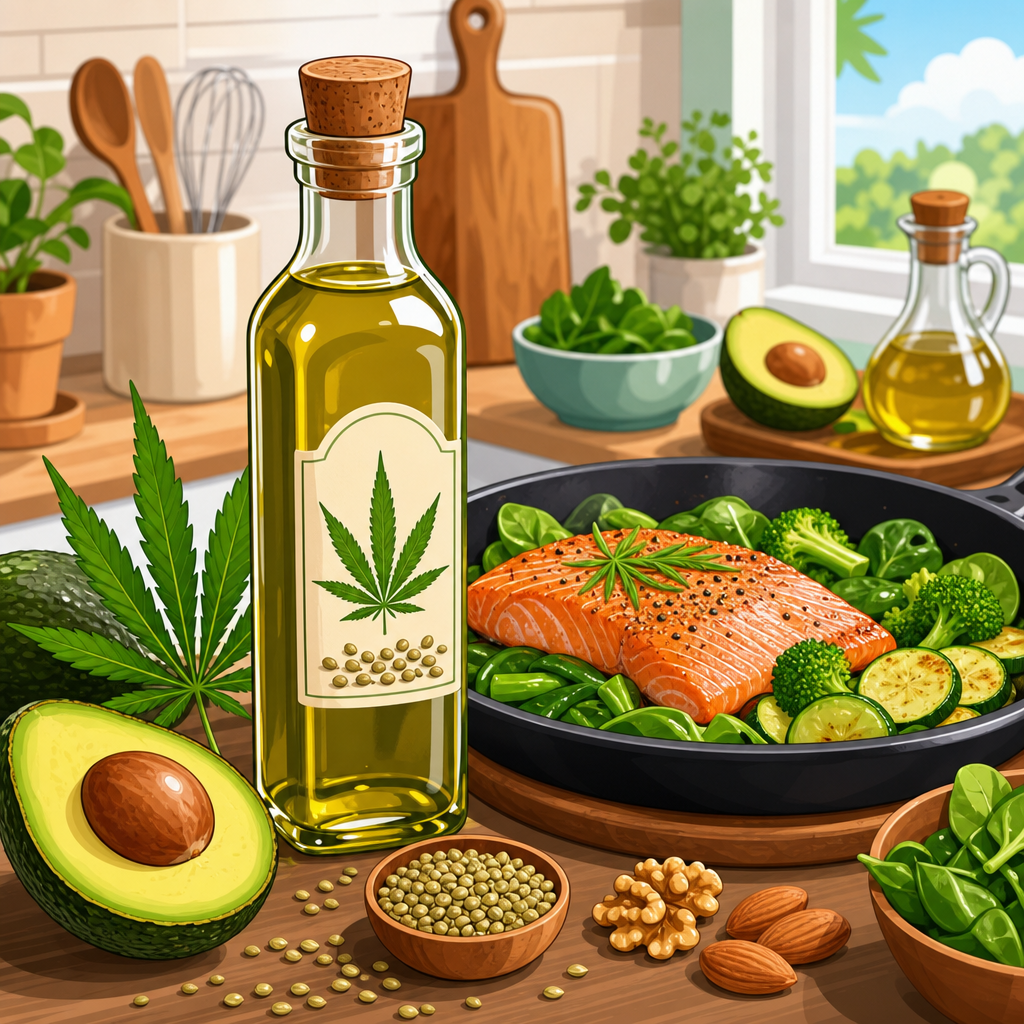
Hemp oil has become one of the most useful fats in keto cooking because it delivers a favorable fatty acid profile, a mild nutty flavor, and practical versatility for low-carbohydrate meals. In this guide, I’ll explain how hemp oil fits keto and paleo eating, where it works best in the kitchen, and how to use it without damaging quality or flavor. The topic matters because many people moving into ketogenic or paleo diets focus narrowly on carbs and overlook fat quality, oxidation risk, micronutrient density, and ingredient sourcing. Those details affect satiety, consistency, and long-term adherence far more than most beginners expect.
Before getting into techniques, it helps to define the terms clearly. Hemp oil in cooking usually means cold-pressed hemp seed oil, not cannabidiol extracts or essential oil products. Hemp seed oil contains virtually no meaningful cannabinoids, and it is valued as a food ingredient rather than a supplement. Keto cooking centers on very low carbohydrate intake, moderate protein, and sufficient fat to support ketosis. Paleo eating emphasizes minimally processed foods, ingredient simplicity, and foods that could plausibly fit a pre-agricultural template, though real-world paleo practice varies. Hemp in keto and paleo diets sits at the intersection of these ideas: a seed-derived fat with culinary value, a recognizable whole-food origin, and a nutrient profile that supports high-fat meal planning.
From my own work with low-carb recipe development, the biggest mistake I see is treating all oils as interchangeable. They are not. Smoke point, processing method, fatty acid composition, and flavor intensity determine whether an oil belongs in a skillet, a dressing, or a finishing drizzle. Hemp oil is especially important because it is often misused. People buy it for its nutrition, then overheat it in a frying pan and wonder why the taste turns bitter or grassy. Used correctly, it can elevate keto bowls, herb sauces, seed-based dips, mayonnaise variations, and cold vegetable preparations. Used carelessly, it becomes an expensive oil that adds little benefit.
As a hub for hemp in keto and paleo diets, this article covers the core decisions readers need to make: whether hemp oil is keto-friendly, whether it fits paleo principles, how it compares with olive oil, avocado oil, coconut oil, ghee, and MCT oil, how to store it, and what meals benefit most from it. The goal is straightforward: help you cook with hemp oil in ways that protect quality, support dietary goals, and produce meals you actually want to eat repeatedly.
What makes hemp oil suitable for keto and paleo diets
Hemp seed oil is well suited to keto because it is almost entirely fat, with negligible carbohydrate and protein in typical serving sizes. A tablespoon generally provides around 14 grams of fat and zero net carbs, which makes it easy to integrate into macro targets. Unlike refined industrial seed oils that are selected mainly for cheap mass production, quality cold-pressed hemp oil is usually purchased for its culinary and nutritional properties. It contains substantial polyunsaturated fats, including omega-6 linoleic acid and omega-3 alpha-linolenic acid, often in a ratio near 3:1, which is frequently cited as nutritionally favorable. It also naturally contains tocopherols and plant compounds that contribute to stability and nutritional value, though that stability is still limited compared with more heat-tolerant fats.
For paleo eaters, hemp oil generally fits the common emphasis on minimally processed, whole-food-derived ingredients. It is pressed from seeds rather than produced through the heavy refining steps used in many commodity oils. That said, paleo standards are not universal. Some stricter interpretations avoid seed oils broadly, while more practical paleo cooks distinguish between highly refined oils and cold-pressed culinary oils with clear sourcing. In real kitchens, the deciding factors are usually processing quality, ingredient transparency, and whether the oil supports a diet based on meat, seafood, eggs, vegetables, nuts, seeds, and unprocessed fats.
Another reason hemp oil matters in both diets is menu fatigue. Keto and paleo meals can become repetitive when every dish leans on butter, olive oil, bacon fat, or coconut oil. Hemp oil broadens the flavor range. Its taste is earthy, slightly grassy, and mildly nutty, which pairs especially well with lemon, parsley, dill, basil, tahini, cider vinegar, roasted zucchini, cucumber, avocado, salmon, and pasture-raised chicken. That flavor diversity helps people maintain dietary consistency, and consistency is what drives results in any structured eating pattern.
How to use hemp oil in the kitchen without ruining it
The most important rule is simple: hemp oil is best used cold or with very gentle heat. Because it is rich in polyunsaturated fats, it oxidizes more easily than saturated fats such as coconut oil or animal fats. Oxidation degrades flavor and nutritional quality. In practice, that means hemp oil is ideal for salad dressings, pesto-style sauces, marinades added after cooking, spooning over grilled proteins, and enriching blended soups once they are off the heat. It is not the best choice for searing steaks, frying eggs at high temperature, or roasting vegetables aggressively at 425 degrees Fahrenheit.
When I build keto recipes around hemp oil, I usually treat it as a finishing fat rather than a primary cooking fat. For example, I might roast cauliflower in avocado oil for heat stability, then toss it with hemp oil, lemon zest, parsley, and sea salt after it comes out of the oven. The same logic works for grilled salmon, where a spoonful of hemp oil whisked with Dijon mustard and chopped herbs adds freshness without exposing the oil to prolonged heat. In paleo meal prep, hemp oil also works well in slaws made from cabbage, fennel, or shaved Brussels sprouts because it softens the vegetables and carries acid cleanly.
Storage matters almost as much as cooking method. Buy hemp oil in dark glass, keep it tightly sealed, and refrigerate it after opening unless the label clearly states otherwise. Fresh hemp oil should smell nutty and clean. If it smells paint-like, sharply bitter, or stale, it is oxidized and should be discarded. Small bottles are often smarter than large ones because repeated exposure to air and light shortens usable life. A premium oil that goes rancid in the back of the refrigerator is not economical, no matter how impressive the label looks.
Best uses, poor uses, and practical substitutions
Choosing the right fat for the right job is one of the clearest ways to improve keto cooking. Hemp oil shines in applications where flavor and nutrient preservation matter more than high-heat performance. It is excellent in vinaigrettes, green sauces, keto seed crackers, chilled avocado soups, cauliflower mash finished after blending, and homemade mayonnaise when combined thoughtfully with another neutral oil. It can also be stirred into unsweetened yogurt alternatives for paleo-style bowls topped with hemp hearts, walnuts, and cinnamon.
By contrast, hemp oil is a poor choice for pan-frying, deep-frying, broiling under intense radiant heat, or batch roasting where the oil sits on a sheet pan for thirty minutes at high temperature. If you want crispness, use avocado oil, beef tallow, duck fat, ghee, or coconut oil depending on the recipe and dietary preference. If you want fast ketone support in a strict ketogenic plan, MCT oil has a different role entirely: it is metabolized rapidly and is often added to shakes or coffee, but it lacks hemp oil’s culinary flavor and broad fatty acid profile. Extra-virgin olive oil overlaps most closely with hemp oil in cold applications, though olive oil is typically more robust, more widely studied, and slightly more forgiving in warm preparations.
| Fat | Best use | Heat tolerance | Flavor profile | Keto and paleo fit |
|---|---|---|---|---|
| Hemp seed oil | Dressings, finishing, sauces | Low | Nutty, grassy, earthy | Strong fit when minimally processed |
| Avocado oil | Searing, roasting, grilling | High | Mild, neutral | Excellent fit |
| Extra-virgin olive oil | Dressings, sautéing, finishing | Moderate | Fruity, peppery | Excellent fit |
| Coconut oil | Baking, sautéing, fat bombs | High | Sweet, coconut-forward | Excellent fit |
| Ghee | Sautéing, roasting | High | Rich, buttery | Keto fit; paleo fit varies by interpretation |
For substitutions, think in terms of function. Replacing olive oil with hemp oil in a dressing usually works well if you want a softer, greener flavor. Replacing avocado oil with hemp oil in roasted chicken usually does not, because the recipe depends on heat stability. In other words, hemp oil is not a universal swap; it is a specialized fat with clear strengths.
Hemp oil meal ideas for keto and paleo eating
A practical hemp oil keto breakfast could be a soft scramble of eggs and spinach cooked in ghee, finished with a teaspoon of hemp oil and fresh chives after plating. That keeps the delicate oil intact while adding richness and aroma. For a dairy-free paleo breakfast, blend avocado, cucumber, lime juice, sea salt, and cilantro into a chilled soup, then finish each bowl with hemp oil and toasted pumpkin seeds. The oil adds body without requiring cream.
At lunch, hemp oil works especially well in protein-forward bowls. One reliable combination is grilled chicken thighs over arugula, cucumber, olives, avocado, and hemp hearts with a dressing of hemp oil, lemon juice, garlic, and Dijon. Another is canned wild salmon mixed with celery, capers, and herbs, bound with a mayonnaise made from avocado oil and enriched with a smaller amount of hemp oil for flavor. For readers trying to keep carbs low without relying on processed substitutes, these meals are satisfying and ingredient-focused.
Dinner is where hemp oil often performs best as a finishing element. Drizzle it over zucchini noodles with basil, walnuts, and grilled shrimp. Add it to cauliflower purée after blending with roasted garlic. Spoon it over sliced steak with chimichurri-style herbs, provided the oil goes in after the meat is cooked. It also complements roasted mushrooms, braised greens, and baked trout. One pattern I recommend often is using a stable fat to cook and hemp oil to finish. That single habit solves most quality problems while preserving the oil’s strongest qualities.
Snacks and condiments are another strong category. Hemp oil can anchor a keto herb dressing, a dairy-free green goddess sauce, or a simple dip with tahini, lemon, and water. Mixed with ground hemp seeds, flax meal, and spices, it can support homemade low-carb crackers or seed crisps. These uses matter because successful keto and paleo diets are usually built on repeatable staples, not only on elaborate dinners.
Buying quality hemp oil and avoiding common mistakes
Quality starts with extraction and packaging. Look for cold-pressed hemp seed oil from a producer that lists harvest or bottling details, uses dark glass, and provides storage guidance. Third-party testing is a positive signal, especially for freshness and contaminant screening. Organic certification may matter to some buyers, though sourcing transparency and handling practices are often just as important. A product marketed vaguely as hemp oil without clarifying that it is culinary hemp seed oil can create confusion, particularly for shoppers who mistakenly associate all hemp products with cannabinoids.
The most common mistake is using hemp oil like a frying oil. The second is assuming more is better. Because the flavor is distinctive, a little often goes far. Start with a teaspoon or two in a serving rather than saturating a dish. Another mistake is failing to balance it with acid and salt. Hemp oil becomes much more appealing when paired with lemon juice, red wine vinegar, mustard, garlic, or fresh herbs. Without that balance, some people perceive it as too earthy.
Price can also mislead. Expensive does not guarantee freshness, and bargain pricing can indicate old stock. Check expiration dates and buy from stores with good turnover. If you are comparing bottles, prioritize recent production, refrigeration practices at the retailer when recommended, and a clear ingredient statement. These are small purchasing habits, but they make a noticeable difference in taste and trust.
How this hub fits the broader hemp in different diets topic
Hemp in keto and paleo diets is broader than one bottle of oil. It includes hemp hearts for low-carb texture, hemp protein in selective applications, seed-based baking strategies, and the role of hemp ingredients in dairy-free sauces, snack formulations, and meal prep. Hemp oil is the most technique-sensitive of these ingredients, which is why it deserves special attention in a hub article. Once you understand how to use it properly, the rest of the subtopic becomes easier: you can build meals with hemp ingredients that feel intentional rather than trendy.
This page should serve as the starting point for related articles on hemp hearts in ketogenic meal planning, paleo baking with hemp ingredients, low-carb hemp sauces, and ingredient comparisons between hemp, flax, chia, and sesame. The central takeaway across all of them is consistent. Hemp ingredients are most valuable when you match their nutritional strengths and culinary limits to the right use case. That principle prevents waste, improves flavor, and supports adherence.
If you want better results from keto or paleo cooking, start with one simple change this week: use hemp oil as a finishing fat in a dressing, sauce, or plated meal instead of forcing it into high-heat cooking. You will taste the difference immediately, and you will use the ingredient the way it was meant to be used. From there, explore the wider hemp in different diets topic and build a kitchen routine that is low in carbs, high in quality, and easier to sustain.
Frequently Asked Questions
Is hemp oil keto-friendly, and does it fit into a low-carb diet?
Yes, hemp oil is keto-friendly because it is almost entirely fat and contains virtually no carbohydrates, which makes it easy to include in a low-carbohydrate eating plan. From a macronutrient standpoint, it aligns well with ketogenic goals because keto emphasizes reducing carbohydrate intake while using fat as a primary energy source. Hemp oil can help support that structure without adding hidden sugars or starches to meals. That said, keto is not just about increasing fat intake at any cost. The quality of the fats you choose matters, especially for people trying to build a sustainable and nutrient-conscious approach rather than simply hitting high-fat numbers.
One reason hemp oil stands out in keto cooking is its favorable fatty acid profile. It contains a balance of polyunsaturated fats, including omega-3 and omega-6 fatty acids, along with a modest amount of monounsaturated fat. This makes it different from heavier saturated-fat sources often associated with keto, such as butter, ghee, or coconut oil. Hemp oil can add variety to the fat sources in a ketogenic diet, which is useful for people who want a broader nutritional base and a lighter flavor profile in meals.
It also works well for those following a cleaner or more whole-food-oriented version of keto. If someone is trying to avoid ultra-processed ingredients and focus on oils, proteins, vegetables, nuts, and seeds, hemp oil fits naturally into that pattern. It can be drizzled over roasted vegetables, mixed into dressings, blended into keto sauces, or used to finish proteins after cooking. In practical terms, it helps people stay low carb while also improving meal texture and flavor without relying on carb-containing condiments.
Can hemp oil be used for cooking on keto, or should it only be used cold?
Hemp oil is best used in low-heat or no-heat applications rather than for high-temperature cooking. This is one of the most important things to understand before using it in a keto kitchen. Because hemp oil is rich in delicate polyunsaturated fats, it is more vulnerable to oxidation when exposed to high heat, prolonged cooking, or repeated heating. When an oil oxidizes, both flavor and quality can degrade, and that defeats many of the reasons people choose hemp oil in the first place.
For that reason, hemp oil is ideal as a finishing oil. It performs especially well drizzled over cooked eggs, grilled chicken, salmon, steamed or roasted low-carb vegetables, cauliflower mash, zucchini noodles, or keto grain-free bowls. It is also excellent in salad dressings, marinades used without intense direct heat, dips, pestos, and creamy sauces. If you want the mild nutty flavor and nutritional benefits of hemp oil, adding it after cooking is usually the smartest approach.
If you do want to include hemp oil in warm dishes, think gentle heat rather than frying or searing. You might stir it into a warm soup just before serving or blend it into a cooked vegetable puree after taking the pan off the heat. For higher-heat keto cooking methods like sautéing, roasting at elevated temperatures, pan-frying, or grilling, more heat-stable fats such as avocado oil, ghee, tallow, or coconut oil are generally better choices. A practical strategy is to cook with a stable fat and then finish the dish with hemp oil for flavor and nutritional variety.
What does hemp oil taste like, and what keto foods does it pair best with?
Hemp oil has a mild, earthy, slightly nutty flavor that is generally easy to work with. It is not as assertive as some seed oils, and it usually does not overwhelm the other ingredients in a dish. That makes it especially useful for keto cooking, where flavor can become repetitive if meals rely too heavily on butter, cream, cheese, and the same cooking fats over and over again. Hemp oil adds a fresher, more plant-forward quality that can brighten a meal without adding carbs.
It pairs especially well with low-carb vegetables and simple proteins. For vegetables, hemp oil works nicely with leafy greens, arugula, spinach, kale, cucumbers, avocado, roasted Brussels sprouts, cauliflower, broccoli, asparagus, and zucchini. For proteins, it complements eggs, chicken, turkey, salmon, sardines, tuna, and grass-fed beef when used as a finishing touch rather than a cooking medium. It also blends well with keto-friendly flavor builders such as lemon juice, apple cider vinegar, Dijon mustard, garlic, herbs, tahini, and unsweetened yogurt or avocado-based dressings.
In practical recipe terms, you can use hemp oil in a keto salad vinaigrette, drizzle it over a poached egg bowl with avocado, stir it into cauliflower soup, or blend it into a green herb sauce for grilled meat. It also works in paleo-style bowls built with greens, roasted vegetables, and protein. Because the flavor is subtle, it can support both savory and slightly creamy dishes without dominating them. If you are new to it, start with small amounts and build upward until you find the balance you like.
Is hemp oil also suitable for paleo eating, or is it mainly a keto ingredient?
Hemp oil can fit both keto and paleo eating, although the reasons for using it may differ slightly between the two approaches. In keto, the primary appeal is that it provides fat with negligible carbs, making it a natural fit for maintaining ketosis. In paleo, the focus is more often on choosing minimally processed foods and fats that feel compatible with a whole-food dietary pattern. A high-quality, cold-pressed hemp oil can fit that framework well, especially for people looking to diversify fat sources beyond olive oil, coconut oil, and animal fats.
Its versatility is one of the biggest reasons it crosses over so easily. A paleo eater might use hemp oil in dressings, vegetable-based sauces, or as a finishing oil on roasted meats and vegetables. A keto eater might use it in almost the same way but with closer attention to the overall macronutrient profile of the meal. In both cases, hemp oil is valued less as a frying oil and more as a specialty fat that contributes flavor and a useful nutrient profile.
The main consideration is ingredient quality and handling. If you are following paleo principles, look for cold-pressed hemp oil with minimal processing and no unnecessary additives. If you are following keto, consider how it complements the rest of your fat intake rather than treating it as the only fat you need. Hemp oil is best viewed as part of a broader fat strategy that includes stable cooking fats, whole-food ingredients, and appropriate storage practices. It is not just a trendy oil for one diet camp; it is a practical option that works across both styles when used thoughtfully.
How should hemp oil be stored and handled to protect quality, flavor, and nutrition?
Proper storage is essential with hemp oil because it is more delicate than many common cooking fats. Its fatty acid composition makes it more susceptible to oxidation from heat, light, and air exposure. If handled poorly, hemp oil can lose its pleasant nutty taste and begin to smell stale, bitter, or paint-like. That kind of flavor change is a strong sign the oil has degraded and should no longer be used. In other words, buying a good hemp oil is only half the job; storing it correctly is what preserves its quality.
The best practice is to choose a cold-pressed hemp oil sold in a dark bottle and keep it tightly sealed in the refrigerator after opening. Some brands even recommend refrigeration before opening, depending on processing and packaging, so it is worth checking the label. Keeping the oil cool and protected from light helps slow oxidation and maintain flavor. You should also avoid leaving the bottle near the stove, in direct sunlight, or uncapped on the counter for long periods. Those small habits make a real difference over time.
It is also wise to buy hemp oil in a size you will use relatively quickly rather than purchasing a very large bottle that lingers for months. Use clean utensils when pouring or measuring so you do not introduce moisture or food particles into the bottle. Before each use, give it a quick smell and taste if you are unsure of freshness. Fresh hemp oil should taste mild and nutty, not harsh or rancid. If you treat it more like a fresh finishing ingredient than an all-purpose pantry oil, you will get much better results in keto and paleo meals alike.