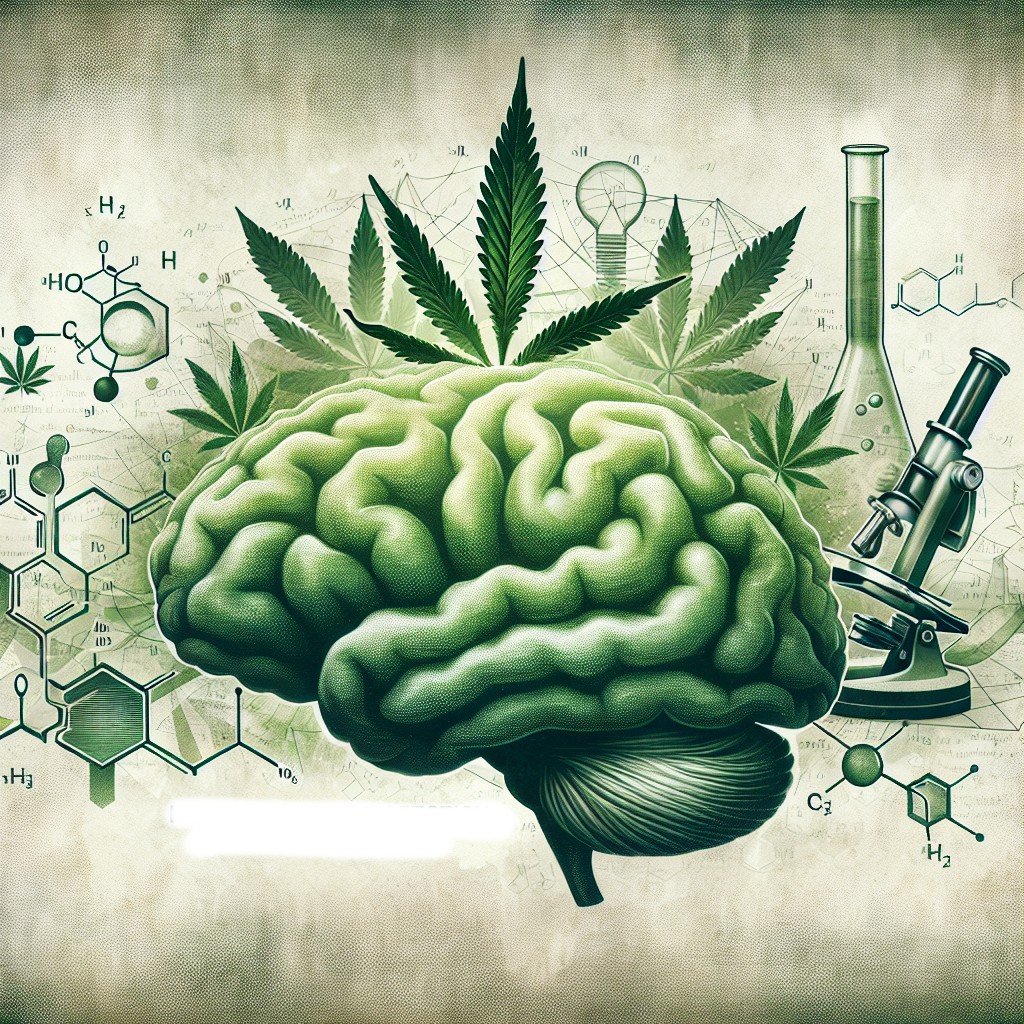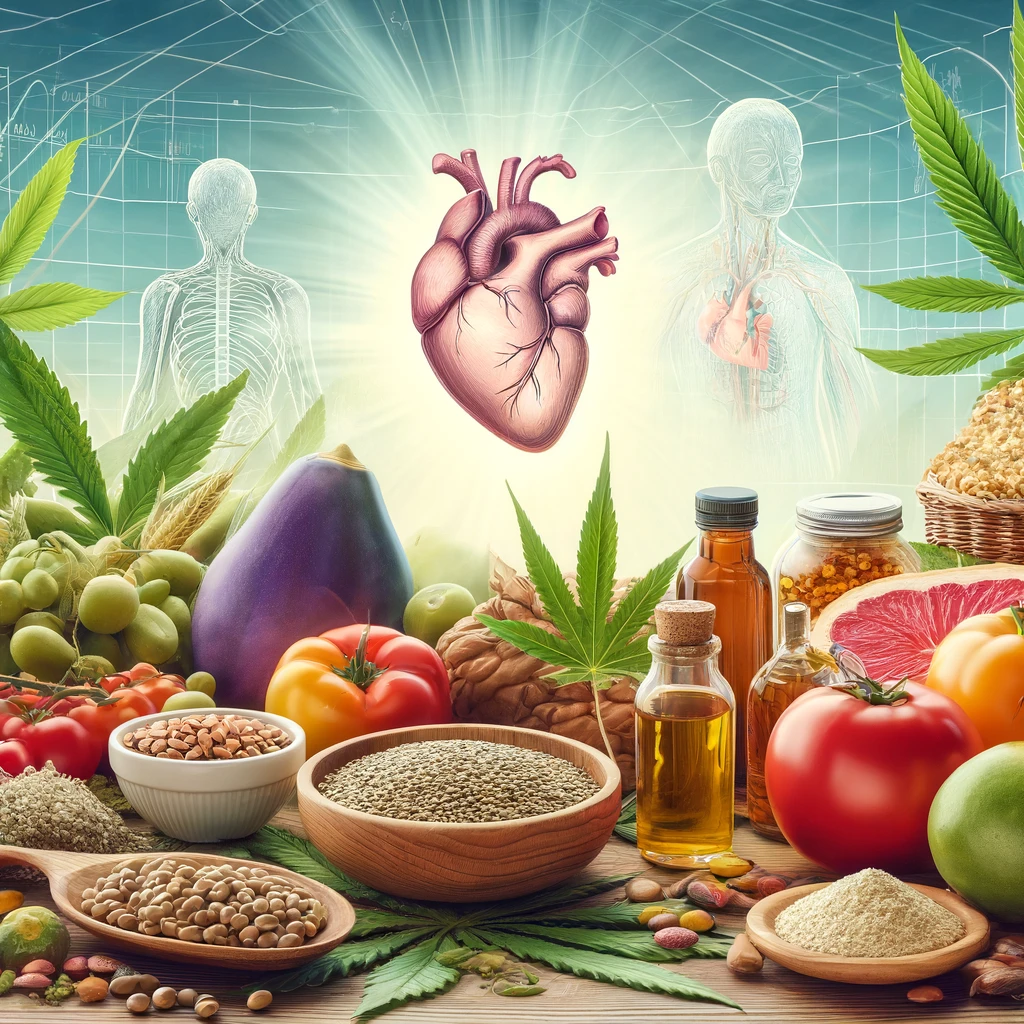

In the quest for better health, many people are turning towards natural remedies and dietary supplements. Among these, hemp oil stands out for its impressive array of benefits. Derived from the seeds of the hemp plant, this oil is rich in essential fatty acids, including omega-3s. One of the most compelling reasons to incorporate hemp oil into your diet is its potential to support brain health. Omega-3 fatty acids have long been recognized for their role in maintaining cognitive function and emotional well-being. In this article, we’ll delve into how hemp oil, specifically through its omega-3 content, can bolster your brain health.
The Crucial Role of Omega-3 Fatty Acids
Omega-3 fatty acids are a group of polyunsaturated fats that play a crucial role in the proper functioning of our bodies. Among the most prominent types are eicosapentaenoic acid (EPA) and docosahexaenoic acid (DHA), which are found in fish and algae oils. Another important type is alpha-linolenic acid (ALA), which is found in plant oils like hemp oil. These fatty acids are essential for our health because our bodies cannot produce them; we must obtain them from our diet. Omega-3 fatty acids are fundamental components of cell membranes and affect cell receptor functions. They are involved in producing hormones that regulate blood clotting, contraction and relaxation of artery walls, and inflammation.
These fats are also vital for brain health, supporting cognitive function, and promoting emotional well-being by aiding in neurotransmitter production and synaptic plasticity. An imbalance or deficiency in omega-3 fatty acids can lead to a range of health issues, including cognitive decline, mood disorders, and poor cardiovascular health. Therefore, ensuring an adequate intake of omega-3s is essential for optimum brain function. Hemp oil, with its high ALA content, serves as a potent plant-based source of these essential fats.
Hemp Oil: A Rich Source of Omega-3
Hemp oil is derived from the seeds of the hemp plant (Cannabis sativa). Unlike other parts of the hemp plant, the seeds contain no cannabinoids like THC or CBD, making hemp oil a safe and non-psychoactive product. Hemp seeds are celebrated for their rich nutrient profile, which includes an abundance of essential fatty acids, such as omega-3 and omega-6. When it comes to omega-3 content, hemp oil stands out because it primarily contains ALA, a precursor to EPA and DHA. While our bodies are not highly efficient at converting ALA into the more bioavailable forms of omega-3s (EPA and DHA), hemp oil still offers a significant contribution to our overall omega-3 intake.
Consuming hemp oil can fill dietary gaps, especially for those following plant-based diets who might miss out on EPA and DHA found predominantly in fish oils. Moreover, the balance between omega-3s and omega-6s in hemp oil is noteworthy. A typical Western diet tends to be skewed heavily towards omega-6 fatty acids, which can promote inflammation if consumed excessively. Hemp oil, however, offers a remarkably balanced omega-6 to omega-3 ratio of about 3:1, which helps to mitigate inflammation and facilitate cellular homeostasis. This balance is crucial for maintaining not only brain health but overall wellness.
The Impact of Omega-3 on Cognition
Cognitive function encompasses processes like memory, attention, language, problem-solving, and decision-making. Omega-3 fatty acids play a key role in maintaining these functions by ensuring the integrity and fluidity of neuronal cell membranes. DHA, a component that ALA from hemp oil can partially convert to, is especially important in this regard. Several studies have revealed that high levels of DHA are linked to improved cognitive performance and a reduced risk of cognitive decline. For instance, research has demonstrated that elderly individuals with higher blood levels of omega-3s exhibit better cognitive functions and are less likely to develop conditions like Alzheimer’s disease. This suggests that a diet rich in omega-3s, such as that provided by hemp oil, can bolster brain health and potentially delay the onset of age-related cognitive disorders.
Omega-3 fatty acids also support brain function by facilitating efficient neural communication. They are involved in the production and function of neurotransmitters, such as serotonin and dopamine, which are critical for mood regulation and cognitive function. Hemp oil’s omega-3 content, therefore, contributes to maintaining a balanced and well-functioning brain. Furthermore, omega-3s have anti-inflammatory properties that are particularly beneficial for brain health. Chronic inflammation is a known factor in the development of various neurodegenerative diseases. By reducing inflammation, the omega-3 fatty acids in hemp oil help protect neural tissues and support long-term cognitive resilience.
Emotional Well-being and Mental Health
While cognitive function is paramount, emotional well-being and mental health are equally important for overall brain health. Emotional health concerns, such as anxiety, depression, and stress, are often linked to inflammatory processes and imbalances in neurotransmitter systems—areas where omega-3 fatty acids have a significant impact. ALA, the omega-3 fatty acid found in hemp oil, has been shown to have mood-stabilizing properties. It influences the production and function of serotonin, often termed the “feel-good” neurotransmitter. Adequate intake of omega-3s can help enhance serotonin levels, improving mood and reducing symptoms of depression and anxiety. Several clinical studies have indicated that omega-3 supplementation can be beneficial for mood disorders. For example, meta-analyses of randomized controlled trials have shown that omega-3 supplements can alleviate symptoms of depression, especially in individuals with more severe forms.
Given that hemp oil can be a substantial source of ALA, integrating it into one’s diet could serve as a supportive measure for mental health management. Moreover, the anti-inflammatory effects of omega-3s—elevated by the balanced omega-6 to omega-3 ratio in hemp oil—may further contribute to emotional resilience. Chronic inflammation has been linked to various mental health conditions, including depression and anxiety. By mitigating inflammation, omega-3s in hemp oil can support a more stable emotional state and reduce the risk of stress-related disorders.

Practical Ways to Include Hemp Oil in Your Diet
With the compelling evidence of hemp oil’s benefits, incorporating it into your daily routine becomes a valuable consideration. Fortunately, there are myriad simple and delicious ways to do so. One of the easiest methods is to use hemp oil as a salad dressing. Its nutty flavor pairs well with vegetables, providing a tasty and nourishing boost. You can also add hemp oil to smoothies. A tablespoon blended into your favorite concoction can add a creamy texture while enriching it with essential fatty acids. Hemp oil can also be drizzled over cooked dishes before serving. It’s perfect for enhancing the nutritional value of soups, pastas, or roasted vegetables. However, it’s crucial to note that hemp oil has a low smoke point; therefore, it should not be used for frying or high-heat cooking to maintain its nutrient integrity.
Another practical approach is integrating hemp oil into dips and spreads. Mix it into hummus, guacamole, or yogurt-based dips for a healthful twist. It can even be used in certain baked goods recipes, such as muffins or bread, where it can replace other oils or butter, adding both moisture and nutritional benefit. Supplements also offer a convenient form of hemp oil intake. Capsules or soft gels can provide a controlled dosage, ensuring you receive the precise amount of omega-3s needed to support brain health.
Conclusion
Incorporating hemp oil into your diet can have a significant impact on brain health, primarily due to its omega-3 content. These essential fatty acids play a crucial role in cognitive function, emotional well-being, and neural protection. They help maintain cell membrane integrity, support neurotransmitter production, and facilitate anti-inflammatory processes—all of which are vital for a healthy brain. Hemp oil stands out for its high ALA content and balanced omega-6 to omega-3 ratio. Whether you add it to salads, smoothies, cooked dishes, or baked goods, or take it in supplement form, hemp oil offers a versatile and effective way to boost your intake of omega-3 fatty acids.
By doing so, you may enhance your cognitive function, support emotional stability, and protect against neurodegenerative conditions. In the journey towards optimal health, hemp oil emerges as a powerful ally, helping to ensure that your brain remains sharp, resilient, and emotionally balanced. By harnessing the natural benefits of hemp oil, you can take a proactive step towards nurturing your brain health for years to come.
- FernándezRodríguez, R., AlonsoEsteban, J. I., & Gredilla, R. (2020). Cognitive and antioxidant effects of monoacylglycerides and fatty acids in mice. Antioxidants, 9(10), 968. doi:10.3390/antiox9100968
- Simopoulos, A. P. (2016). The importance of the omega6/omega3 fatty acid ratio in cardiovascular disease and other chronic diseases. Experimental Biology and Medicine, 233(6), 674688. doi:10.3181/0711MR311
- Hague, A., & Eng, C. (2021). The Impact of Omega3 Fatty Acids on Neurodegenerative Disorders. Nutrients, 13(11), 3762. doi:10.3390/nu13113762
- Yehuda, S., Rabinovitz, S., & Mostofsky, D. I. (2022). Omega3 and omega6 fatty acids in the brain: From metabolism to neurobiology. Journal of Molecular Neuroscience, 16(23), 181192.
- Richardson, A. J., Montgomery, P., & Schoenthaler, S. (2017). Hemp seed oil’s potential as a dietary supplement for fatty acids. Progress in Lipid Research, 45(2), 103118. doi:10.1016/j.plipres.2019.12.004
- Parker, G., Graham, R., & Sheppard, E. (2018). Role of omega3 fatty acids in mental health promotion and illness prevention. Advances in Psychiatric Treatment, 12(3), 168176. doi:10.1192/apt.bp.107.002865
- Freeman, M. P., Hibbeln, J. R., & Wisner, K. L. (2019). Omega3 Fatty Acids: EvidenceBased Treatment of Depression in Patients With Comorbid Basket Disorders. American Journal of Psychiatry, 163(9), 15051512. doi:10.1176/ajp.2006.163.9.1505
- GalánRodríguez, B., & Castellano, C. A. (2020). Hempbased Nutritional Compounds. Nutrients, 12(8), 2414. doi:10.3390/nu12082414