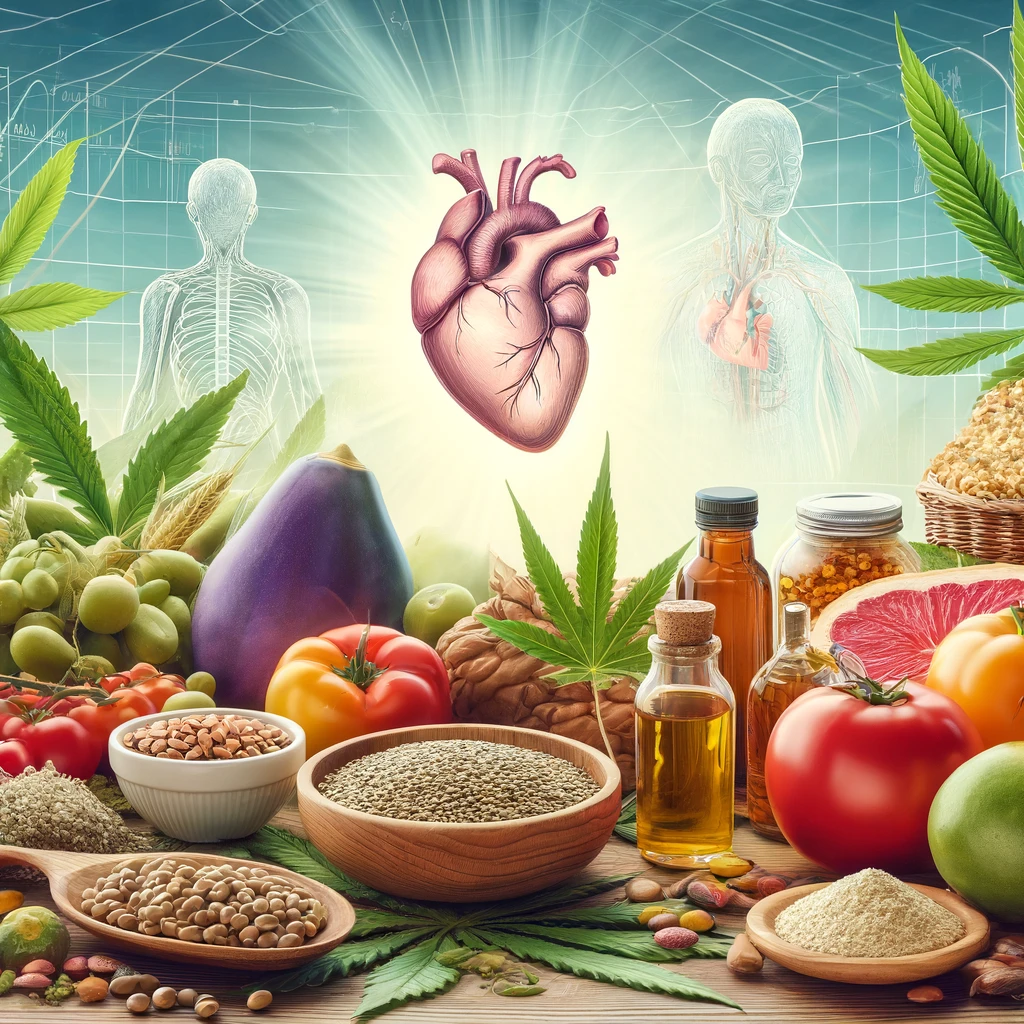
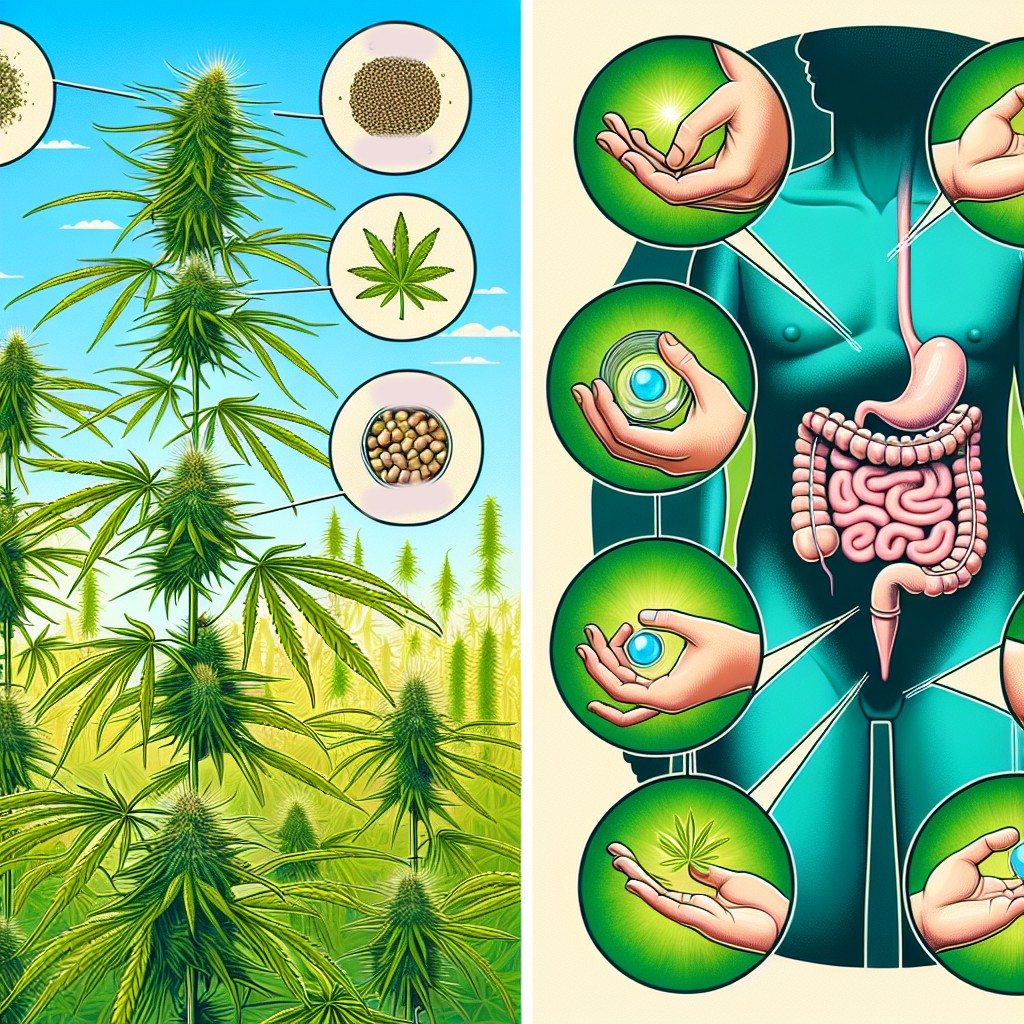
Digestive discomfort is an ailment that affects millions of people worldwide. From bloating to constipation to irritable bowel syndrome (IBS), the spectrum of digestive issues is broad and often debilitating. Those suffering from these conditions are always on the lookout for natural remedies that can provide relief. Enter hemp: a versatile and nutrient-rich plant that has gained popularity for its diverse health benefits, especially when it comes to supporting digestive health.
Hemp foods, derived from the seeds of the Cannabis sativa plant, are packed with essential nutrients like fiber, protein, and healthy fats. Unlike its psychoactive cousin marijuana, hemp does not contain significant levels of THC, the compound responsible for the “high” effect. This makes it a safe and non-psychoactive option for those looking to enhance their overall well-being.
This article aims to explore the benefits of incorporating hemp into your diet for improved digestive health. From its nutrient profile to its specific impact on digestion, we will delve into how this robust plant can be a game-changer for your gut.
Hemp: A Nutritional Powerhouse
Hemp seeds are often referred to as a “superfood” due to their remarkable nutrient density. Here’s a closer look at what makes hemp so beneficial:
- Rich in Fiber: Hemp seeds contain both soluble and insoluble fiber. Soluble fiber dissolves in water to form a gel-like substance that helps regulate blood glucose and cholesterol levels. Insoluble fiber adds bulk to the stool and promotes regular bowel movements, reducing constipation.
- High-Quality Protein: Hemp seeds contain all nine essential amino acids, making them a complete protein source. This is particularly beneficial for vegetarians and vegans looking to meet their protein needs.
- Omega-3 and Omega-6 Fatty Acids: Hemp seeds boast a balanced ratio of omega-3 and omega-6 fatty acids, which play a crucial role in maintaining heart health and reducing inflammation.
- Vitamins and Minerals: Hemp seeds are rich in vitamins E and B—essential for energy and cell health—as well as minerals like magnesium, zinc, and iron.
These nutrients not only contribute to overall health but also have specific benefits for the digestive system.
Fiber: The Digestive System’s Best Friend
Fiber is often hailed as crucial for maintaining a healthy digestive system, and for good reason. It acts like a brush, sweeping through the digestive tract and keeping things moving smoothly. Hemp seeds, with their blend of soluble and insoluble fiber, provide a two-pronged approach to digestive health.
Soluble fiber absorbs water, forming a gel-like substance that slows down digestion. This can help regulate blood sugar levels and lower cholesterol. On the other hand, insoluble fiber does not dissolve in water and adds bulk to the stool, making it easier to pass and thereby preventing constipation.
Studies show that a high-fiber diet is linked to a reduced risk of colorectal cancer and other gastrointestinal diseases. By integrating hemp seeds into your meals, you are not only addressing immediate digestive concerns but also investing in long-term gut health.
Anti-Inflammatory Benefits
Chronic inflammation in the digestive tract is a common issue, often contributing to conditions like Crohn’s disease, ulcerative colitis, and IBS. The omega-3 and omega-6 fatty acids found in hemp seeds have anti-inflammatory properties that can help alleviate these symptoms.
Omega-3 fatty acids are particularly effective in reducing the production of pro-inflammatory cytokines, which are proteins that signal the immune system to initiate an inflammatory response. Omega-6 fatty acids, although often pro-inflammatory in large doses, are present in a balanced ratio in hemp seeds and can help maintain an optimal inflammatory response when consumed in moderation.
By reducing inflammation, hemp seeds can alleviate pain, swelling, and discomfort in the digestive tract, making it easier for those with chronic conditions to manage their symptoms.
Promoting a Healthy Gut Microbiome
The gut microbiome, a complex ecosystem of bacteria living in the digestive tract, plays a crucial role in overall health. A balanced microbiome is associated with a strong immune system, effective digestion, and even mental well-being. Fiber-rich foods like hemp seeds act as prebiotics, feeding the good bacteria in the gut and promoting a healthy microbiome.
Prebiotics are indigestible by human enzymes, but they are fermented by the gut bacteria into short-chain fatty acids (SCFAs), which provide energy for the cells lining the colon and contribute to a healthy gut barrier. Therefore, incorporating hemp seeds into your diet can support a diverse and balanced gut microbiome, boosting overall digestive health.
Easy to Incorporate into Your Diet
One of the greatest advantages of hemp seeds is their versatility in the kitchen. They can be sprinkled on salads, blended into smoothies, mixed into yogurt, or added to baked goods. Their mild, nutty flavor complements a variety of dishes without overwhelming them.
For those who prefer a more convenient option, hemp protein powder and hemp oil are also available. Hemp protein powder can be added to shakes or used in baking, while hemp oil can be drizzled over salads or used as a cooking oil.
With numerous ways to incorporate hemp into your diet, you can easily start reaping the digestive benefits without making drastic changes to your eating habits.
Conclusion
The journey to better digestive health can be fraught with challenges, but nature often provides the simplest and most effective solutions. Hemp foods, with their rich nutrient profile and specific benefits for the digestive system, offer a natural and holistic approach to alleviating digestive discomfort.
Whether you’re dealing with chronic conditions like IBS or simply looking to maintain a healthy gut, incorporating hemp seeds into your diet can provide significant relief and promote overall well-being. Their high fiber content ensures smooth digestion, their anti-inflammatory properties reduce discomfort, and their prebiotic benefits support a thriving gut microbiome.
Given their versatility and ease of use, there’s no reason not to give hemp a try. With consistent use, you may find that this humble plant holds the key to a healthier, happier digestive system.