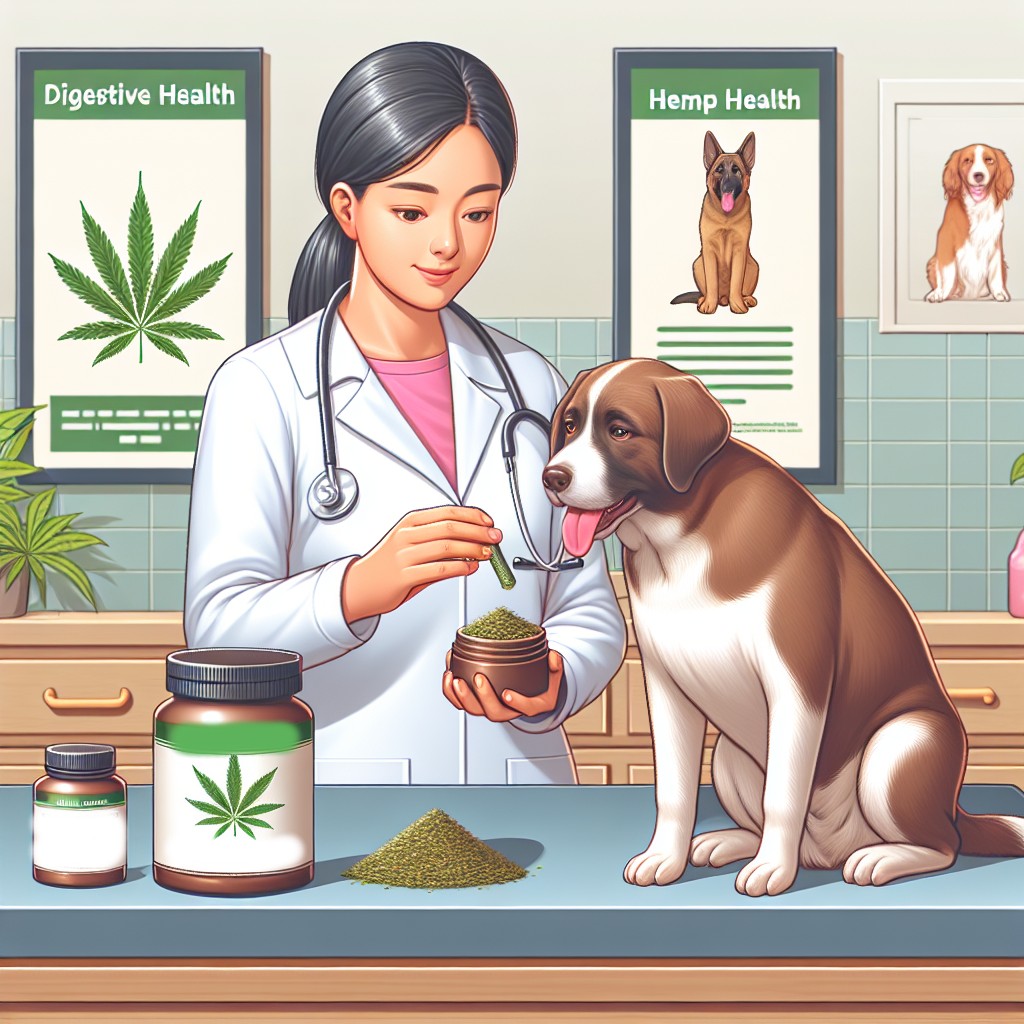

Pet weight control is one of the most persistent health challenges I see when reviewing companion animal nutrition plans, and hemp has become a useful ingredient in that conversation when it is applied correctly. In practical terms, weight control means helping a dog or cat reach and maintain a healthy body condition score through calories, nutrient density, activity, appetite management, and veterinary oversight. Hemp, in pet food, usually refers to hemp seed, hemp seed oil, hemp hearts, or hemp meal from varieties of Cannabis sativa bred to contain only trace tetrahydrocannabinol. It matters because excess body fat increases the risk of diabetes, osteoarthritis, reduced mobility, skin problems, and shorter lifespan, while crash dieting can cause muscle loss, nutrient gaps, and poor compliance from owners and pets.
As a hub topic within hemp food for pets, hemp for specific pet needs deserves a precise explanation. Hemp is not a miracle slimming agent, and it does not override overfeeding. What it can do is contribute fiber, quality fat, plant protein, and palatability in formulas designed for weight management, senior support, digestive balance, and satiety. I have worked with pet product teams evaluating labels and ingredient panels, and the best hemp-inclusive weight control foods succeed for ordinary reasons: measured calories, high moisture or fiber where appropriate, controlled treats, and a complete, balanced formula. The role of hemp is supportive, not magical, but supportive can still be valuable when owners need sustainable tools.
Understanding the key terms helps owners make better decisions. Body condition score is a visual and hands-on assessment, typically on a nine-point scale, used by veterinarians to judge whether ribs are easily felt, whether there is an abdominal tuck, and how much fat covers the waist and spine. Satiety is the feeling of fullness after eating. Nutrient density describes how much useful nutrition a food delivers relative to its calories. Complete and balanced means the product is formulated to meet recognized nutrient profiles, often those established by AAFCO for dogs or cats in a given life stage. If a hemp product is only a topper, chew, or treat, it should not be mistaken for a complete weight management diet.
Owners also need the broader context. Obesity affects a substantial share of household pets, and veterinary groups have warned for years that many owners underestimate their animal’s body fat. A pet can be active and still overweight, especially when portions creep upward and treats become routine. Hemp enters the picture because many shoppers now want functional ingredients that address several needs at once, such as skin health, digestive support, calm behavior, and better appetite control. That makes this topic a hub: weight control intersects with joint comfort, aging, food sensitivities, and treat reformulation. A good hemp food strategy can support those linked needs without adding unnecessary calories.
How Hemp Supports Pet Weight Control
The most useful reason hemp appears in weight control formulas is its nutritional profile. Hemp seed contains polyunsaturated fats, including omega-6 linoleic acid and omega-3 alpha-linolenic acid, plus protein and varying amounts of fiber depending on whether the hull remains. Hemp hearts are softer and lower in fiber than whole hemp seed, while hemp meal or hemp cake, the material left after oil pressing, usually provides more fiber and protein. In a pet food context, that matters because satiety and stool quality often improve when a formula uses the right fiber sources alongside controlled calories. I have seen hemp meal perform best in dry formulations where the manufacturer needs structure, moderate protein support, and a plant ingredient that helps fullness without relying only on cheap fillers.
Hemp seed oil plays a different role. It is energy dense, so it does not reduce calories by itself, but it can improve fatty acid balance, skin condition, and flavor acceptance in a lower-calorie diet. That can matter when pets reject reduced-fat foods or when dermatologic issues complicate compliance. A dog scratching constantly is harder to keep on a structured plan because owners often compensate with treats or food changes. In that sense, hemp can indirectly support weight control by making a carefully portioned food easier to feed consistently. The same logic applies to senior pets with mild inflammation or picky appetites, although any medical claim should remain grounded in veterinary assessment rather than marketing language.
Protein contribution is another reason hemp deserves attention. Weight loss plans should preserve lean body mass while reducing fat mass. If calories drop too far or protein quality is poor, pets can lose muscle along with fat, making long-term maintenance harder. Hemp is not usually the sole protein source in complete pet food, nor should it be in most formulations, but it can complement animal proteins in recipes that aim for moderate calories and adequate amino acid intake. For dogs, this blend can work well in kibble, baked treats, or fresh food toppers. For cats, the calculation is stricter because they are obligate carnivores and should not rely on hemp as a primary protein source, though small amounts may still fit into complete diets.
There is also a mechanical feeding advantage. Owners tend to think in cups and scoops, not kilocalories. Foods that create better fullness with reasonable portion sizes are easier to use correctly. Fiber from ingredients such as hemp hulls, beet pulp, pumpkin, or cellulose can help, especially when matched to the pet’s digestive tolerance. Too little fiber may leave a pet begging. Too much can reduce digestibility or create loose stools and gas. Hemp works best as part of a balanced formulation, not as an isolated add-on sprinkled generously over already excessive meals.
Which Hemp Ingredients Work Best for Dogs and Cats
Different hemp ingredients solve different problems, so owners should read labels carefully instead of treating every hemp product as interchangeable. Whole hemp seed provides fat, some fiber, and a modest amount of protein. Hemp hearts provide similar fats and protein but less fiber because the outer shell is removed. Hemp meal is generally leaner and richer in fiber and protein after oil extraction. Hemp seed oil contains the fats but almost none of the fiber or protein. When weight control is the goal, hemp meal usually contributes more functional value than oil alone because fullness and stool consistency matter more than simply adding another fat source.
Dogs generally have more flexibility with fiber inclusion than cats. In canine weight management foods, hemp meal can fit into dry kibble or soft chew treats where the manufacturer wants a nutrient-dense plant ingredient with a sustainability story. I have seen successful formulas pair hemp with chicken, salmon, or turkey, then add pumpkin or pea fiber to improve satiety. Cats need tighter formulation discipline. They often respond better to high-protein, moisture-rich diets for weight loss, so hemp is more useful as a minor supporting ingredient in a wet or complete dry recipe rather than the centerpiece. If a cat food advertises hemp heavily but provides mediocre animal protein levels, that is a red flag.
Processing matters too. Extrusion, baking, cold pressing, and oil oxidation all influence the final value of hemp ingredients. Polyunsaturated fats are vulnerable to rancidity, so reputable manufacturers protect hemp oils with appropriate packaging, antioxidants such as mixed tocopherols, and realistic shelf-life controls. This is one reason I prefer brands that provide lot tracking, feeding trials or formulation expertise, and transparent guaranteed analysis. Weight control products need precision. If fat oxidation degrades palatability or nutrient quality, owners may compensate with table scraps, undermining the plan.
| Hemp ingredient | Main nutrition traits | Best weight-control use | Key caution |
|---|---|---|---|
| Whole hemp seed | Moderate protein, beneficial fats, some fiber | Limited inclusion in complete foods or measured toppers | Calorie dense if portions are loose |
| Hemp hearts | Higher fat, softer texture, lower fiber | Palatability support in small amounts | Less helpful for satiety than hull-containing forms |
| Hemp meal | Higher fiber and protein, lower fat than seeds | Dry food and treat formulas aimed at fullness | Should complement, not replace, quality animal protein |
| Hemp seed oil | Rich in polyunsaturated fats, no fiber | Skin support and flavor in controlled-calorie diets | Adds calories quickly if overused |
How to Use Hemp Safely in a Weight Management Plan
The safest approach is to treat hemp as one component of a structured plan rather than a shortcut. Start with veterinary input, especially if the pet is obese, arthritic, diabetic, or taking medications. A veterinarian can estimate target weight, daily caloric needs, and a realistic rate of loss. In dogs, many clinicians aim for gradual loss measured over weeks to months. In cats, caution is essential because overly rapid restriction can increase the risk of hepatic lipidosis. Once the calorie target is set, owners can decide whether a hemp-inclusive complete food, a measured topper, or lower-calorie hemp treat fits the plan without breaking the energy budget.
Label reading is where many mistakes happen. Look first for calorie content expressed as kilocalories per cup, can, or treat. Then confirm that the product is complete and balanced if it will make up most of the diet. Review crude fat, crude fiber, protein sources, and feeding guidelines, but do not rely on front-of-pack promises alone. A hemp biscuit can still be calorie heavy. A hemp topper can still unbalance a cat’s diet if used generously. In my experience, the best results come from weighing food in grams, counting treats within the daily allotment, and reassessing body condition every two to four weeks rather than changing products constantly.
Owners should also distinguish hemp seed products from cannabinoid products. For routine weight control nutrition, hemp seed, hemp meal, and hemp seed oil are the relevant ingredients. Products containing cannabinoids raise separate regulatory, safety, and evidence questions and should not be assumed appropriate simply because the word hemp appears on the label. Reputable pet food companies make that distinction clearly. They also publish sourcing information, contaminant testing, and customer service contacts that can answer specific formulation questions. Those trust signals matter because pet owners are often navigating a crowded market filled with vague wellness claims.
Finally, measure outcomes that matter. Better weight control means improved body condition score, easier movement, and stable stool quality, not just temporary appetite suppression. If a hemp food causes digestive upset, refuses to satisfy the pet, or adds hidden calories through oils and extras, it is not the right fit. Weight management succeeds when the pet can stay on the plan long enough to make it habitual.
Related Specific Pet Needs Hemp Can Support
Weight control rarely exists in isolation, which is why this page functions as a hub for hemp for specific pet needs. Overweight pets often also have stiff joints, lower stamina, skin problems, digestive irregularity, or age-related changes that affect feeding behavior. Hemp can be relevant across those concerns when used in complete, purpose-built foods. For joint support, lower body weight is itself one of the most effective interventions because it reduces load on hips, elbows, and knees. A hemp-inclusive weight management diet paired with omega-focused nutrition may help owners address mobility and body condition together.
Digestive support is another connected area. Fiber selection affects satiety, stool quality, and microbiome tolerance. Hemp meal can contribute part of the fiber matrix in formulas that also use pumpkin, chicory root, flax, or beet pulp. For pets with sensitive stomachs, that matrix must be tested in the real world. I have seen some dogs thrive on moderate-fiber hemp recipes and others do better with simpler, lower-residue diets. Skin and coat support also intersects with weight control because pets with chronic itch often receive excess treats during stressful flareups or cycle through foods impulsively. A stable, well-formulated hemp food may reduce that disruption if its fatty acid profile and ingredient simplicity suit the animal.
Senior pets deserve special mention. Older dogs and cats may lose muscle while gaining fat, making the scale alone misleading. Here, the goal is not aggressive restriction but body recomposition: maintaining lean tissue, supporting comfortable movement, and avoiding excessive calorie intake. Hemp can complement this approach through palatability, moderate protein support, and inclusion in softer treats that fit a calorie budget. The principle remains the same across all these needs: hemp is most useful when it solves a formulation problem clearly and measurably.
What to Look for in Hemp Pet Foods and What to Avoid
The strongest hemp pet foods for weight control share a common profile. They state calories clearly, use named protein sources, provide a complete and balanced claim when intended as a main diet, and specify the hemp ingredient rather than hiding behind generic language. They also fit the pet’s species and life stage. For dogs, look for a food that controls calories without letting protein fall too low. For cats, prioritize animal protein and moisture, then consider hemp as a supporting ingredient. Brands that explain sourcing, testing, and recommended feeding transitions tend to perform better in practice because they anticipate owner questions before problems begin.
Avoid products that imply hemp alone causes weight loss, rely on oversized treat portions, or blur the line between nutritional hemp ingredients and broader cannabis claims. Be cautious with homemade additions unless a veterinary nutrition professional has balanced the recipe. Tossing hemp hearts or oil onto food can erase a calorie deficit quickly. Also avoid rotating through multiple functional products at once. If a pet is using a hemp food, a joint chew, a calming chew, and several treats, the combined calorie load can become substantial even when each item looks small on its own.
The main benefit of hemp for pet weight control is practical support: better satiety options, useful fatty acids, flexible formulation, and compatibility with other specific pet needs such as joint comfort, digestive balance, and healthy aging. The limits are just as important. Hemp does not replace calorie control, exercise suited to the pet, or veterinary diagnosis of endocrine disease, pain, or medication effects that may drive weight gain. Owners get the best results by choosing a complete product with a clear calorie target, measuring portions precisely, and tracking body condition over time. If you are building a broader hemp food for pets plan, start with weight control as the foundation, then explore connected needs one by one with your veterinarian and a trustworthy label in hand.
Frequently Asked Questions
Can hemp help dogs and cats lose weight?
Hemp can support a pet weight-control plan, but it is not a stand-alone weight-loss ingredient and it does not replace calorie control. In most pet nutrition discussions, hemp refers to hemp seed, hemp seed oil, hemp hearts, or hemp meal rather than a magic solution for excess body fat. What makes hemp useful is its nutrient profile. Depending on the form used, it may contribute protein, fiber, and beneficial fatty acids that can help improve overall diet quality while a dog or cat is eating an appropriate number of calories.
For weight loss to happen, a pet still needs a properly structured nutrition plan based on body condition score, current weight, target weight, activity level, age, and medical history. Hemp may fit into that plan by making a food more nutrient-dense or by contributing ingredients that support satiety and skin, coat, and metabolic health during calorie restriction. That matters because overweight pets often need reduced-calorie diets that still deliver enough essential nutrients. The key point is that hemp can be a helpful tool inside a complete, balanced feeding strategy, especially when paired with portion control, exercise, treat management, and veterinary follow-up.
Which type of hemp ingredient is best for pet weight control?
The best hemp ingredient depends on the goal of the diet and the rest of the formula. Hemp seed and hemp hearts provide fat, protein, and some fiber, while hemp meal generally contains more protein and fiber and less fat after oil extraction. Hemp seed oil is the most concentrated fat source of the group, so it may be useful in small amounts for fatty acid balance, but it is not usually the first choice if the main objective is reducing calorie density. In a weight-control context, ingredients with more protein and fiber tend to be more practical because they may help support lean body mass and fullness while keeping overall calories more manageable.
That said, there is no universal “best” form for every pet. A dog on a commercial weight-management food may benefit from a formula that uses hemp meal or a blended hemp ingredient profile, while a cat with a very selective appetite may respond better to a different formulation entirely. Ingredient quality, formulation skill, and portion accuracy matter more than the presence of hemp alone. Pet owners should look at the full guaranteed analysis, calorie content, feeding directions, and whether the food is complete and balanced for the pet’s life stage. If a pet has pancreatitis, gastrointestinal sensitivity, food allergies, or another medical concern, the veterinarian’s guidance should come before any trend-based ingredient choice.
Does hemp reduce appetite or help pets feel full longer?
Hemp is not an appetite suppressant in the pharmaceutical sense, but certain hemp ingredients may contribute to satiety as part of a well-designed diet. Fullness in pets is influenced by several factors, including total calorie intake, protein content, fiber level, meal frequency, moisture content, and how quickly the stomach empties. Hemp meal and whole-seed-derived ingredients can add some fiber and protein, which may help a pet feel more satisfied compared with a low-fiber, lower-protein option. This can be especially useful for pets that beg between meals or struggle during calorie reduction.
Still, satiety is never about one ingredient alone. Wet food, measured portions, higher-protein formulations, strategic treat reduction, puzzle feeders, and regular exercise often have a bigger impact on hunger-related behaviors than hemp by itself. In cats, maintaining adequate protein is especially important during weight loss because preserving lean mass is a major goal. In dogs, fiber can be helpful for fullness, but too much can reduce palatability or stool quality in some individuals. Hemp may play a supporting role, but the strongest appetite-management plans are customized, measured carefully, and monitored over time to make sure the pet is losing fat without becoming nutritionally compromised or excessively hungry.
Is hemp safe for overweight pets?
In general, hemp seed-based ingredients used in reputable pet foods are considered safe for many dogs and cats when included appropriately in a complete and balanced diet. Safety depends on the form of hemp, the amount fed, the quality of the product, and the pet’s medical condition. For overweight pets, the biggest practical concern is often not toxicity but calorie contribution. Some hemp ingredients, especially oils and fattier seed forms, can add energy quickly, which may work against a weight-loss plan if portions are not adjusted. That is why reading the calorie statement and treating oils carefully is so important.
Owners should also be cautious about unregulated supplements, unclear labeling, or products marketed with exaggerated claims. Pets with pancreatitis, fat intolerance, chronic gastrointestinal disease, endocrine disorders, or highly specific prescription-diet needs may require a narrower nutrition approach. Introduce any new food gradually, watch for digestive changes, and keep the veterinarian informed if the pet is on medications or has ongoing health issues. The safest approach is to use hemp as part of a professionally evaluated nutrition plan rather than adding random hemp products on top of an already calorie-dense routine.
How should pet owners use hemp as part of a realistic weight-control plan?
The most effective way to use hemp is to think of it as one component of a structured, measurable program rather than the centerpiece. Start by confirming that the pet is truly overweight using body condition score and veterinary assessment, because many owners underestimate excess body fat. From there, choose a complete and balanced food that matches the species, life stage, and medical needs of the pet. If hemp is included, it should make sense within the larger formula, whether that means contributing protein, fiber, fatty acids, or palatability. Just as important, calculate daily calories, weigh food with a gram scale if possible, limit treats, and avoid “bonus calories” from table scraps and frequent snacks.
Exercise and behavior management also matter. Dogs usually benefit from regular walks, play, and consistent activity targets, while cats often need environmental enrichment, food puzzles, climbing space, and short play sessions to increase movement. Progress should be monitored every few weeks with body weight, body condition score, and, ideally, muscle condition scoring. If weight loss stalls, the answer is usually to reassess calorie intake, compliance, activity level, or underlying disease rather than to add more hemp. When used thoughtfully, hemp can fit into a balanced plan that supports healthier body composition, but long-term success always comes from consistency, accurate feeding, and veterinary oversight.