Hemp food has moved from niche health stores to mainstream grocery aisles, yet confusion still shapes how many shoppers view it. People ask whether hemp seeds can make you feel high, whether hemp protein is complete, whether hemp oil is the same as CBD oil, and whether hemp foods are legally safe to buy. As someone who has worked on consumer education content for plant-based products, I have seen the same myths repeat for years, usually because hemp is discussed alongside cannabis without enough distinction. Understanding hemp food starts with clear definitions, practical examples, and evidence-based answers.
Hemp food refers to edible products made from the seeds of industrial hemp, a variety of Cannabis sativa grown for fiber, seed, and other non-intoxicating uses. Common hemp foods include hulled hemp seeds, hemp hearts, hemp protein powder, hemp seed oil, hemp milk, granola, bars, and baked goods that use hemp ingredients. These foods are valued for their nutritional profile, particularly protein, unsaturated fats, and minerals. They are not the same as marijuana products, and they are not designed to deliver psychoactive effects. The key difference matters because hemp foods come from seed and food-grade processing, while intoxicating cannabis products depend on significant levels of tetrahydrocannabinol, or THC.
This topic matters because shoppers increasingly want plant-based nutrition, allergen-friendly protein, and minimally processed ingredients, but misinformation can stop them from trying hemp foods or using them correctly. It also matters because labels are not always intuitive. A bottle of hemp seed oil serves a very different purpose from a tincture containing cannabinoids. A bag of hemp hearts provides fiber, minerals, and healthy fats, but it should be stored differently than shelf-stable grains. If consumers misunderstand these basics, they may miss a useful food option or buy the wrong product. A solid foundation helps people compare products, read labels, store items safely, and fit hemp food into everyday meals with confidence.
What Hemp Food Is and What It Is Not
The most important fact about hemp food is simple: it is food made primarily from hemp seeds. Hemp seeds contain only trace amounts of cannabinoids compared with the flowers used for cannabinoid extraction. In regulated food products, THC levels are kept extremely low and are not intended to cause intoxication. This is why hemp hearts on yogurt, hemp protein in a smoothie, or hemp seed oil in salad dressing are treated as foods, not as recreational cannabis products. In practical terms, eating a serving of hemp seeds will not produce a high.
Another common misconception is that all hemp products are interchangeable. They are not. Hemp hearts are the soft inner seed after the hull is removed. Whole hemp seeds keep the outer shell, adding more texture and some extra fiber. Hemp protein powder is usually made after pressing seeds for oil and milling the remaining seed cake. Hemp seed oil is the fat pressed from the seed and is prized for flavor and fatty acid composition, not for cannabinoids. CBD oil, by contrast, is typically an extract formulated from flowers, leaves, or aerial plant parts and then blended into a carrier oil. Consumers should not assume one can replace the other in nutrition or cooking.
Legal status also causes confusion. In many markets, hemp foods are lawful when produced under established agricultural and food regulations, and compliant products are tested to ensure they meet limits for contaminants and THC. Reputable brands typically provide batch information, sourcing details, and manufacturing standards such as Good Manufacturing Practices or third-party testing. From a consumer standpoint, the reliable question is not “Is hemp food secretly marijuana?” but “Was this product made by a credible company that follows food safety rules?”
Nutritional Facts Consumers Should Know
Hemp food earns attention because its nutritional profile is strong, especially for people seeking plant-based options. Hemp seeds provide protein, fat, and micronutrients in a relatively compact serving. They are particularly known for polyunsaturated fats, including omega-6 linoleic acid and omega-3 alpha-linolenic acid. They also contain minerals such as magnesium, phosphorus, iron, and zinc. In my experience reviewing product labels, hemp hearts are one of the easier functional ingredients to explain because their benefits are visible in standard nutrition panels without inflated claims.
Protein quality is one area where myths spread quickly. Hemp protein is a complete protein in the sense that it contains all nine essential amino acids, but that does not mean it matches every animal protein source for amino acid density or digestibility score. Consumers deserve the nuance. Hemp can absolutely support daily protein intake, especially when eaten within a varied diet that includes legumes, grains, nuts, seeds, soy foods, or dairy if used. Athletes, older adults, and highly active people may still need to compare total protein grams per serving and leucine content if muscle recovery is a key goal. Hemp is valuable, but it is not a magical shortcut.
Fiber is another point of difference across formats. Whole hemp seeds retain more fiber than hulled hemp hearts. Hemp protein powders often contain meaningful fiber because of how they are processed. Hemp seed oil contains essentially no fiber or protein because it is pure fat. This is why reading the exact product type matters. Two packages with “hemp” on the front can serve very different nutritional purposes. One may be ideal for adding crunch and protein to oatmeal, while the other may be better used as a finishing oil over roasted vegetables.
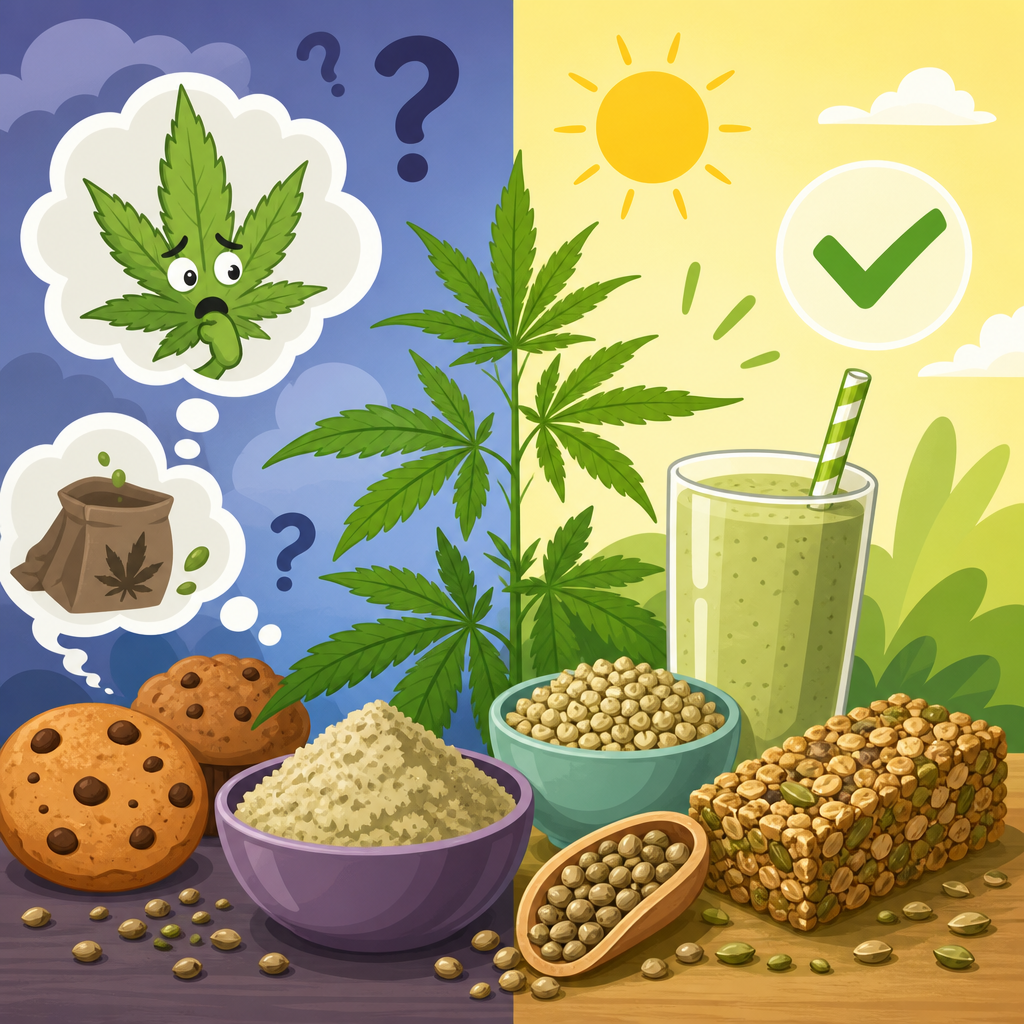
Common Myths vs. Facts About Hemp Food
Below is a straightforward comparison that addresses the questions consumers ask most often when first exploring hemp food.
| Myth | Fact | What It Means for Shoppers |
|---|---|---|
| Hemp food can get you high. | Food-grade hemp products are made from seeds and contain only trace THC within legal limits. | Hemp hearts, hemp protein, and hemp seed oil are used for nutrition, not intoxication. |
| Hemp seed oil is the same as CBD oil. | Hemp seed oil is pressed from seeds; CBD oil is typically an extract from other plant parts. | Check the ingredient panel and intended use before buying. |
| Hemp protein is inferior and incomplete. | Hemp contains all essential amino acids, though protein concentration varies by product. | Compare grams per serving and use it as part of a balanced protein strategy. |
| All hemp foods taste like grass. | Flavor ranges from mild and nutty to earthy, depending on processing and freshness. | Try hemp hearts first if you want the most approachable taste. |
| Hemp food is unsafe because it comes from cannabis. | Regulated hemp foods are subject to normal food safety, labeling, and contaminant standards. | Buy from transparent brands that provide sourcing and testing information. |
These distinctions matter because poor comparisons lead to poor purchase decisions. I often recommend that first-time buyers ignore marketing buzzwords and focus on three label elements: the specific hemp ingredient, the nutrition facts panel, and storage instructions. That approach clears up most confusion in less than a minute.
How Hemp Food Fits Into Everyday Eating
One reason hemp food is gaining traction is that it is easy to use without changing how people already eat. Hemp hearts can be sprinkled on oatmeal, yogurt, smoothie bowls, salads, soups, avocado toast, or cooked vegetables. Because they have a soft texture and mild nutty taste, they work well as a topping for people who dislike harder seeds like flax or sesame. I have found that consumers adopt hemp most successfully when they start with one low-effort use, such as adding a tablespoon to breakfast, instead of attempting a complete pantry overhaul.
Hemp protein powder is most useful when expectations are realistic. It tends to have a more earthy flavor and grittier texture than whey isolate or some pea protein blends, so it may not disappear into recipes the same way. It performs best in smoothies with banana, cocoa, berries, cinnamon, or nut butter, where flavor balance is easier. It can also be mixed into overnight oats, pancakes, muffins, or energy bites. If someone expects a milkshake-like result with plain water, they may be disappointed. If they treat it as a whole-food ingredient, it usually works well.
Hemp seed oil is best used cold or with minimal heat. Its nutty flavor is excellent in vinaigrettes, dips, grain bowls, pesto, and drizzled over finished dishes. Because polyunsaturated oils are more sensitive to heat and oxidation, hemp seed oil is generally not the first choice for high-temperature frying. This is a practical point consumers often miss. Buying a premium oil and then using it for aggressive searing wastes both flavor and nutritional value. Refrigeration after opening is often recommended to preserve freshness.
How to Choose Quality Hemp Food Products
Quality starts with sourcing and processing. Good hemp food brands state whether seeds are hulled, raw, roasted, organic, or mechanically cold-pressed. They list the country of origin or at least where the product was packed and tested. For protein powders, a reputable manufacturer explains whether the powder is defatted seed meal, partially defatted powder, or part of a blended formula. These details matter because they influence texture, fat content, protein percentage, and shelf life.
Packaging is another signal. Hemp foods rich in unsaturated fats can oxidize if exposed to light, heat, or air. Opaque or well-sealed packaging is a plus, and “best by” dates should be clear. Once opened, seeds and oils should be stored according to label directions, often in a cool, dark place or the refrigerator. If hemp seed oil smells paint-like, bitter, or sharply rancid, it should be discarded. Fresh oil should smell mild, nutty, or slightly grassy, not harsh.
Third-party testing and food safety certifications can further separate serious brands from careless ones. While testing language varies, consumers should look for evidence that the company monitors contaminants such as heavy metals, pesticides, microbial hazards, and THC compliance. This is especially important in a category where some buyers still associate hemp with a loosely regulated supplement market. Food products should meet food standards first. Transparent labeling and responsive customer service are often the clearest signs that a company understands that responsibility.
Who Benefits Most and What Limits to Consider
Hemp food can be a strong fit for plant-based eaters, busy professionals, older adults who need convenient nutrient density, and families looking to rotate protein and fat sources. It is also useful for consumers who want variety beyond soy, almond, or dairy-based staples. In client-facing educational work, I have seen hemp hearts become particularly popular with people who want a fast add-on ingredient that requires no cooking and little measuring. That convenience is one of hemp food’s most practical strengths.
Still, there are limits. Hemp food is nutritious, but it does not replace the need for dietary variety. It is not a cure-all, and it should not be marketed as one. People with medical conditions, special diet prescriptions, or concerns about drug testing should review product specifics and, when needed, consult a clinician or employer policy. Those with sensitive digestion may prefer to introduce high-fiber hemp products gradually. Budget is another factor. Hemp foods can cost more than conventional seeds or proteins, so value should be judged by intended use, serving size, and how consistently the product will actually be eaten.
For most consumers, the best way to think about hemp food is as a useful category of nutrient-dense staples rather than a trend. The myths fade quickly once the facts are clear: hemp food does not exist to intoxicate, it is not identical to CBD products, and it can play a credible role in daily nutrition when chosen and used correctly. Start with a simple product such as hemp hearts, read the label carefully, and build from there. That practical approach turns confusion into confidence and helps shoppers make informed choices across the wider hemp food category.
Frequently Asked Questions
Can hemp food make you feel high?
No. Hemp foods such as hemp seeds, hemp hearts, hemp protein powder, and culinary hemp oil do not produce a psychoactive “high.” That concern usually comes from the fact that hemp and marijuana both belong to the cannabis family, but they are not used in the same way and they are not grown for the same purpose. Food-grade hemp products are made from industrial hemp varieties that contain only trace amounts of THC, the compound associated with intoxication. In addition, many hemp foods are made from cleaned seeds, which naturally contain little to no THC in the first place.
For the average shopper, the key fact is simple: hemp foods are sold as nutrition products, not intoxicating products. They are valued for protein, fiber, healthy fats, vitamins, and minerals. Eating hemp seeds on oatmeal or blending hemp protein into a smoothie will not create the effects people associate with recreational cannabis. This is one of the most persistent myths around hemp food, but from a practical nutrition standpoint, hemp foods belong in the same conversation as chia seeds, flaxseed, nuts, and other plant-based staples.
Is hemp protein a complete protein?
Yes, hemp protein is generally considered a complete protein because it contains all nine essential amino acids the body must get from food. That is one reason hemp has become popular with plant-based eaters, athletes, and anyone looking to diversify protein sources beyond soy or dairy. The exact amino acid amounts can vary by product and processing method, but hemp protein does provide the full spectrum of essential amino acids in meaningful amounts.
That said, “complete” does not always mean “identical to animal protein” in amino acid concentration. Some plant proteins may be somewhat lower in certain amino acids compared with eggs or whey, but that does not make them poor-quality foods. Hemp protein can still play an excellent role in a balanced diet, especially when it is part of a varied eating pattern that includes legumes, grains, nuts, and seeds. In addition to protein, hemp often brings extra nutritional value through fiber, iron, magnesium, and healthy fats, making it more than just a protein source. For many people, the better question is not whether hemp protein is complete, but whether it is useful, digestible, and nutritious enough to include regularly. In that respect, the answer is clearly yes.
Is hemp oil the same thing as CBD oil?
No, hemp oil and CBD oil are not the same product, even though they are often confused. In food and grocery settings, “hemp oil” usually means hemp seed oil, which is pressed from hemp seeds and used as a culinary oil or nutrition ingredient. Hemp seed oil is prized for its fatty acid profile, including omega-3 and omega-6 fats, but it does not contain significant amounts of CBD. It is a food product, much like flaxseed oil or walnut oil.
CBD oil, by contrast, is typically extracted from the flowers, leaves, and aerial parts of the hemp plant, not just the seeds. It is marketed for entirely different reasons and belongs to a separate product category with its own labeling, regulatory, and consumer questions. This distinction matters because shoppers may assume that buying hemp seed oil gives them CBD benefits, or they may avoid hemp foods because they think all hemp products contain cannabinoids in meaningful amounts. In reality, hemp seed oil is primarily about nutrition and culinary use. Reading the label is the easiest way to tell the difference: if the product emphasizes fatty acids, cooking, salads, or nutrition, it is likely hemp seed oil; if it lists cannabidiol or CBD content, it is a different product altogether.
Are hemp foods legal and safe to buy?
In many markets, yes, hemp foods are legal and widely available, which is why they have moved from specialty retailers into mainstream grocery stores. Products such as hulled hemp seeds, hemp granola, hemp protein powder, and hemp seed oil are typically sold under food regulations and are intended for ordinary dietary use. Their presence on standard store shelves reflects the fact that they are broadly treated as food products, not illicit substances.
Safety, however, still depends on buying from reputable brands that provide clear labeling, ingredient transparency, and quality controls. As with any packaged food, it is smart to check for freshness, allergen information, and third-party testing or manufacturing standards when available. Consumers who are subject to highly sensitive drug testing sometimes want extra reassurance, and in those cases it makes sense to choose established brands with documented quality practices. But for the general public, hemp foods are considered normal consumer products. The myth that they exist in some legal gray area usually comes from outdated assumptions and confusion between hemp foods and other cannabis-derived products.
What are the real nutritional benefits of hemp foods, and are they actually worth adding to your diet?
Hemp foods offer genuine nutritional value, and that is the fact most often lost in the myths. Hemp seeds are rich in unsaturated fats, including omega fatty acids, and they also provide protein, minerals such as magnesium and iron, and useful amounts of fiber depending on the form. Hulled hemp hearts tend to be softer and milder in flavor, making them easy to sprinkle onto yogurt, cereal, salads, soups, or roasted vegetables. Hemp protein powders can support smoothies and baking, while hemp seed oil can add a nutty flavor to dressings and finished dishes.
What makes hemp especially appealing is its versatility. It can fit into vegan, vegetarian, flexitarian, and omnivorous diets without much effort. It is not a miracle food, and it does not need exaggerated health claims to earn a place in the pantry. Its real strength is that it provides a convenient combination of plant protein, beneficial fats, and micronutrients in foods people can actually use every day. For shoppers trying to separate hype from reality, that is the grounded takeaway: hemp food is not controversial because of what it does in the body, but because of what people assume from the plant’s name. Once that confusion is cleared up, hemp becomes much easier to evaluate on its actual merits as a nutritious, practical food.