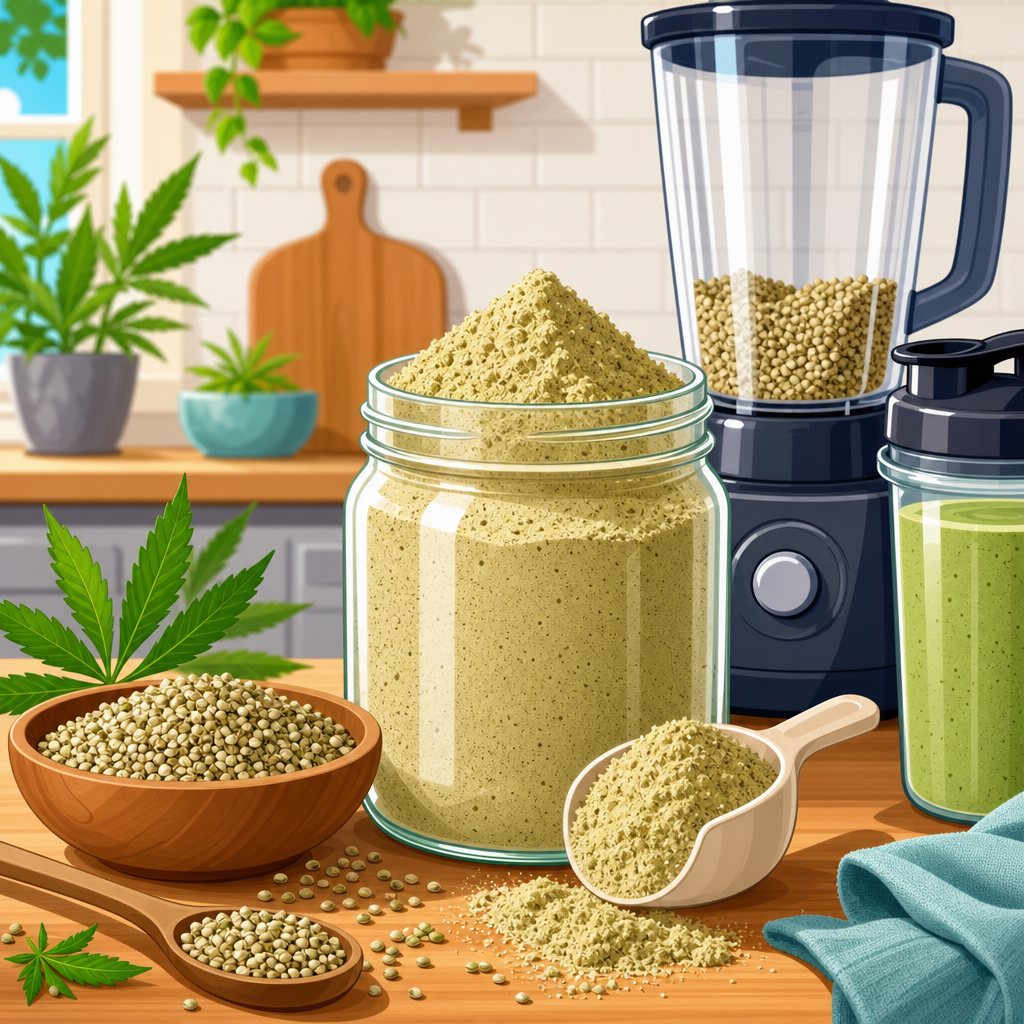

Hemp supplements for pets have moved from niche wellness products to a fast-growing category because many owners want practical ways to support mobility, calm behavior, skin health, and overall quality of life. In this context, hemp usually refers to products made from industrial hemp containing naturally occurring cannabinoids, terpenes, flavonoids, and fatty acids, while remaining below the legal THC threshold established for hemp in the United States. Pet hemp supplements appear as oils, chews, capsules, powders, topicals, and treats, and they are marketed for dogs, cats, and sometimes horses. As someone who has reviewed product labels, certificates of analysis, and manufacturer claims across this category, I can say the difference between a useful supplement and a poor one often comes down to formulation quality, testing, dosing clarity, and whether the product was actually designed for animals rather than repackaged from the human market.
The reason this topic matters is simple: pets are living longer, chronic conditions are more common, and owners are more proactive about preventive care. Arthritis, age-related stiffness, situational anxiety, itching, digestive upset, and recovery after exercise are common reasons owners explore hemp products for pets. At the same time, confusion is widespread. People ask whether hemp is the same as marijuana, whether it can make a pet intoxicated, whether all pet products contain cannabidiol, and whether veterinarians support its use. Those are fair questions. Hemp supplements are not magic, and they are not substitutes for diagnosis or prescribed treatment, but in the right situation they can be a helpful addition to a broader care plan. A well-built hub article should answer the basics clearly, explain how different product types work, identify safety standards, and help readers evaluate options with confidence.
For pet owners researching hemp products for pets, the biggest benefit of understanding the category is better decision-making. Instead of buying the first calming chew with a cute label, owners can look for third-party lab testing, species-appropriate ingredients, transparent milligram strength, and sensible claims. They can also match the product format to the goal: an oil for flexible dosing, a chew for convenience, or a balm for localized skin support. This guide covers the major benefits, common use cases, product types, selection criteria, and practical limitations so readers have a reliable starting point for every related article in this subtopic.
What Hemp Supplements for Pets Are and How They Work
Hemp supplements for pets are wellness products derived from hemp plant compounds or hemp seed ingredients and formulated specifically for animal use. The most discussed compounds are cannabinoids such as CBD, but not all hemp pet products contain cannabinoids. Hemp seed oil, for example, is rich in omega-3 and omega-6 fatty acids yet contains negligible cannabinoids. A full-spectrum hemp extract contains multiple plant compounds, including trace cannabinoids and terpenes, while broad-spectrum extract is processed to remove THC. CBD isolate contains only cannabidiol. These distinctions matter because each product profile influences intended use, flavor, cost, and the information that should appear on the label.
The biological rationale often centers on the endocannabinoid system, a signaling network found in mammals that helps regulate balance across functions including mood, pain signaling, inflammation, appetite, and sleep. Research in companion animals is still developing, but current interest is driven by both early studies and a large volume of owner-reported experience. In practice, I have seen the clearest improvements reported in three areas: older dogs that move more comfortably, pets with predictable stress triggers such as storms or car rides, and animals with dry or irritated skin where hemp seed oil or topical formulas support the skin barrier. That does not mean every pet responds the same way. Size, age, metabolism, diagnosis, and the exact formula all shape outcomes.
One important point is that “natural” does not automatically mean safe. Pet-specific formulations matter because some ingredients common in human supplements are inappropriate for animals. Xylitol is toxic to dogs, certain essential oils can irritate cats, and strong flavoring agents may upset sensitive stomachs. Reputable hemp brands for pets formulate around these realities and provide clear administration instructions. They also state whether the supplement is intended for daily use, situational use, or external application only.
Key Benefits: Mobility, Calm, Skin Support, and Daily Wellness
The main benefits of hemp supplements for pets fall into a few repeatable categories. First is mobility support. Senior dogs with osteoarthritis, large breeds under joint strain, and active dogs recovering from hard exercise are common candidates. Owners often report easier rising, smoother stair use, and more willingness to walk after consistent use. These benefits are often strongest when hemp extracts are paired with established joint ingredients such as glucosamine, chondroitin, MSM, or green-lipped mussel. In other words, the best products are usually designed as part of a mobility formula, not as isolated trend items.
Second is support for calm behavior. Situational stress is one of the most common reasons people buy hemp calming chews for dogs and cats. Thunderstorms, fireworks, separation, grooming visits, guests in the home, and travel can all trigger visible distress. A good calming formula often combines hemp extract with ingredients like L-theanine, chamomile, lemon balm, melatonin, or thiamine. The value here is not sedation. The goal is to reduce reactivity while keeping the pet functional and engaged. For many animals, this works best when combined with behavior training and environmental management rather than used alone.
Third is skin and coat support. Hemp seed oil is especially useful in this area because of its fatty acid profile, including linoleic acid and alpha-linolenic acid. These fats help maintain the skin barrier and may reduce dryness, dull coat texture, and minor flaking. Topical hemp balms are also marketed for paw pads, noses, and dry patches, though they should be free of ingredients pets should not lick. Finally, many owners use hemp as part of general daily wellness. That broad category can include appetite consistency, restfulness, recovery support, and quality of life in aging pets. The strongest products make modest, measurable claims and avoid promising to cure disease.
| Benefit Area | Common Pet Need | Typical Product Format | Ingredients Often Paired With Hemp |
|---|---|---|---|
| Mobility | Stiffness, slower rising, post-exercise recovery | Oil, soft chew, capsule | Glucosamine, MSM, chondroitin, turmeric, green-lipped mussel |
| Calm behavior | Storm fear, travel stress, separation distress | Chew, oil, fast-acting tincture | L-theanine, chamomile, melatonin, thiamine |
| Skin and coat | Dry skin, dull coat, rough paw pads | Hemp seed oil, balm, chew | Omega fatty acids, biotin, vitamin E |
| Daily wellness | Aging support, routine balance, appetite support | Oil, chew, powder | Probiotics, antioxidants, adaptogenic botanicals |
Product Types in the Hemp Products for Pets Category
As a hub topic, hemp products for pets includes more than one kind of supplement, and choosing the right format affects both compliance and results. Oils and tinctures remain the most versatile option because dosing can be adjusted by the drop or milliliter. That flexibility is useful for small dogs, cats, and pets whose needs change over time. High-quality oils usually list the total milligrams of hemp extract and the amount per serving, use a carrier oil such as MCT or hemp seed oil, and come with an oral syringe or marked dropper. The downside is taste; some pets resist unflavored oils.
Soft chews are the most convenient format for dogs. They simplify dosing, travel well, and often include complementary ingredients targeted to one outcome such as calm or hip and joint support. The tradeoff is less precise dose adjustment and the possibility of extra fillers or flavoring agents. Capsules can work for medium and large dogs, especially when owners already hide pills in food, but they are less popular for picky eaters and most cats. Powders are a smaller segment, usually intended to mix into meals.
Topical products occupy a different role. Hemp balms, salves, and skin sprays do not replace oral supplements but can be useful for paw care, dry noses, and localized skin support. For cats, owners need to be especially cautious with topicals because grooming increases ingestion risk. Treats, meanwhile, overlap with chews but are not always equivalent. Some “hemp treats” contain hemp seed ingredients only, which may still be valuable for nutrition but will not provide the same profile as a cannabinoid extract. That is why label reading is essential. A product called hemp may be a seed oil treat, a cannabinoid chew, or a blend of both, and those are different categories with different expectations.
How to Choose Safe, Effective Hemp Supplements for Dogs and Cats
The best hemp supplements for pets are transparent, species-appropriate, and independently tested. Start with the certificate of analysis, often called a COA. A credible brand provides batch-specific lab results from an accredited third-party laboratory showing cannabinoid content and screening for contaminants such as pesticides, heavy metals, residual solvents, and microbial impurities. If a company does not publish or provide a recent COA, that is a major red flag. Next, confirm the label states milligrams clearly. “Extra strength” is meaningless without exact amounts per chew, capsule, or milliliter.
Ingredient quality is the next filter. Look for simple formulas with a defined purpose and avoid products loaded with artificial colors, excess sweeteners, or vague proprietary blends. For dogs, xylitol must be completely absent. For cats, many experts prefer cleaner formulas with fewer botanicals because cats metabolize some compounds differently than dogs. The National Animal Supplement Council quality seal can be a positive sign, though it is not a substitute for lab testing. Good manufacturing practices, responsive customer service, and veterinary formulation input also separate reliable brands from opportunistic sellers.
Dosing guidance should reflect body weight and intended use. A strong product page or package explains when to give the supplement, how long it may take to notice effects, and how to increase gradually if needed. In my experience, owners get better results when they track response for two to four weeks instead of changing products every few days. Finally, evaluate claims critically. No legitimate hemp pet supplement should promise to cure cancer, eliminate seizures, or replace veterinary care. The right language focuses on support, maintenance, and observable quality-of-life outcomes.
Common Questions, Safety Considerations, and When to Talk to a Veterinarian
Pet owners usually ask four practical questions. Is hemp safe for pets? Can it get them high? How quickly does it work? And are there side effects? Hemp products that meet legal THC limits and are properly formulated for pets are generally intended to avoid intoxication, but safety still depends on dose, product quality, and the individual animal. The most commonly reported side effects with cannabinoid-containing products are lethargy, loose stool, appetite changes, and temporary wobbliness when the dose is too high. Starting low and increasing gradually reduces this risk.
Timing varies by format and goal. Oils and tinctures may be used for more flexible or occasionally faster support, while chews fit daily routines. Situational calming products are often given before a known stress event, whereas mobility or skin support usually requires consistent administration over time. Owners should also watch for drug interactions. Hemp extracts may affect how the body processes certain medications, so pets taking anticonvulsants, pain medication, anti-anxiety prescriptions, or liver-metabolized drugs should be evaluated by a veterinarian before starting a supplement.
Veterinary input matters most when a pet is elderly, has liver disease, is pregnant, has complex medical issues, or shows sudden behavior changes that need diagnosis. The same is true if pain, itching, or anxiety is severe enough to disrupt eating, sleep, or normal activity. Hemp supplements can be part of a care plan, but they work best when the underlying problem is identified. As this hemp products for pets hub expands, readers should explore deeper guides on CBD oils, calming chews, hemp seed oil, dosage practices, and lab testing standards. Start with products that show real transparency, track your pet’s response carefully, and involve your veterinarian when the situation is more than routine wellness.
Hemp supplements for pets offer real value when owners understand what they are buying and why they are using it. The biggest advantages are targeted support for mobility, calm behavior, skin and coat health, and daily quality of life, especially in senior pets and animals with predictable stress triggers. The category includes oils, chews, capsules, powders, and topicals, and each format serves a different purpose. The strongest products use clear milligram labeling, clean ingredients, pet-specific formulation, and third-party lab testing that confirms both potency and safety.
The core lesson is that hemp products for pets are not interchangeable. Hemp seed oil is not the same as a full-spectrum extract, a calming chew is not the same as a joint formula, and a trustworthy brand is not defined by marketing alone. Results depend on matching the product to the problem, using a sensible dose, and giving it enough time to work. Owners who approach this category carefully are far more likely to see measurable benefits and far less likely to waste money on weak or mislabeled supplements.
If you are building a wellness plan for your dog or cat, use this page as your starting point. Compare product types, review lab reports, and move next to detailed guides on specific hemp supplements for pets so you can choose with confidence and support your pet safely.
Frequently Asked Questions
What are hemp supplements for pets, and how are they different from marijuana products?
Hemp supplements for pets are wellness products made from industrial hemp, a variety of the cannabis plant that is legally defined in the United States by its very low THC content. In practical terms, that means these products are formulated to deliver beneficial plant compounds such as naturally occurring cannabinoids, terpenes, flavonoids, and essential fatty acids without the high associated with marijuana. Quality pet hemp supplements are specifically designed to stay below the legal THC threshold for hemp and are intended to support everyday wellness rather than intoxication.
This distinction matters because pet owners often hear the word “cannabis” and assume all products have the same effects. They do not. Marijuana products typically contain much higher levels of THC, which can be unsafe for pets and should never be substituted for a hemp supplement. Reputable hemp products made for animals are manufactured with pet-appropriate formulations, careful dosing guidance, and testing standards that help verify cannabinoid content and THC compliance. In other words, a properly made hemp supplement is not about getting a pet “high”; it is about using a legal, controlled hemp-derived product to support comfort, calm behavior, skin condition, and general quality of life.
What benefits do hemp supplements potentially offer for pets?
Many pet owners turn to hemp supplements because they want a practical, easy-to-administer option for supporting several aspects of everyday wellness. One of the most common reasons is mobility support, especially for older dogs and cats or highly active pets that may show signs of stiffness after exercise. Hemp supplements are also frequently used to help promote a calmer demeanor during stressful situations such as thunderstorms, fireworks, travel, grooming appointments, or separation from family members. In addition, some formulations include fatty acids and other complementary ingredients that can support skin health, coat quality, and overall comfort.
Another important reason for their popularity is their broad wellness appeal. Rather than targeting only one issue, hemp supplements are often chosen as part of a larger routine that may include a balanced diet, regular exercise, veterinary care, and joint or skin support supplements. Owners appreciate that hemp comes in convenient forms such as oils, chews, and treats, making it easier to match a product to a pet’s preferences and needs. While no supplement should be viewed as a cure-all, many people value hemp as a flexible tool that may help maintain day-to-day comfort, emotional balance, and overall quality of life when used thoughtfully and consistently.
How do I choose a safe, high-quality hemp supplement for my dog or cat?
Start by looking for products made specifically for pets, not for humans. Pet-formulated hemp supplements are more likely to use appropriate ingredient profiles, flavoring, and serving sizes for animals. A trustworthy brand should clearly label the amount of hemp extract or cannabinoids per serving, identify whether the product is an oil, chew, or treat, and explain how it is intended to be used. It is also wise to choose companies that provide third-party laboratory testing, often called a certificate of analysis, to confirm cannabinoid content, verify that THC remains within legal hemp limits, and screen for contaminants such as heavy metals, pesticides, residual solvents, and microbial impurities.
You should also review the ingredient list carefully. The best products typically avoid unnecessary fillers, artificial additives, and ingredients that may be problematic for pets. For example, cat owners may prefer simple oil-based formulas, while dog owners might choose chews that include added joint-supporting ingredients. Transparency is a major sign of quality: reputable manufacturers explain where their hemp is sourced, how it is extracted, and how dosing works based on weight or intended use. Finally, involve your veterinarian, especially if your pet has chronic health concerns, is elderly, is very young, or takes prescription medications. A veterinarian can help you evaluate whether a particular hemp supplement makes sense for your pet’s situation and can guide safer use.
What forms do pet hemp supplements come in, and which one is best?
Pet hemp supplements are commonly sold as oils, chews, soft treats, capsules, and topical products, and each format has practical advantages. Oils are often the most flexible because they allow for more precise serving adjustments and can be given directly by mouth or mixed into food. This makes them a popular option for owners who want closer control over the amount being used, particularly for pets of unusual sizes or those just beginning a hemp routine. Chews and treats, on the other hand, are convenient and easy to serve, which can improve consistency for pets that resist droppers or medications. They are especially appealing for busy households that want a simple daily wellness product.
The best form depends on your pet’s temperament, health goals, and eating habits. If your main priority is convenience and your dog happily accepts chews, a treat-style supplement may be ideal. If you need more customization or have a smaller pet where serving size matters more precisely, an oil may be the better choice. Some owners also choose topicals for localized skin or coat support, although oral products are generally preferred for whole-body wellness support. Regardless of format, what matters most is product quality, accurate labeling, consistency of use, and choosing a method your pet will reliably accept. The “best” product is usually the one that fits your pet’s needs and your ability to use it correctly over time.
Are hemp supplements safe for pets, and should I talk to my veterinarian first?
When sourced carefully and used appropriately, hemp supplements are widely considered a practical wellness option for many pets, but safety still depends on product quality, correct serving size, and the individual animal. Not every supplement on the market is created to the same standard, which is why choosing a tested, pet-specific product is so important. It is also essential to remember that hemp supplements are not the same as high-THC cannabis products, which can be harmful to animals. Owners should avoid improvising with marijuana products or using unverified items that do not clearly disclose THC levels and ingredient content.
Speaking with your veterinarian first is the smartest approach, especially if your pet has a medical condition, uses other supplements, or is taking medications. A veterinarian can help assess whether hemp is appropriate, identify possible interactions, and offer guidance on monitoring your pet’s response over time. This is particularly valuable for senior pets, pets with liver concerns, or animals with complex health histories. Hemp supplements can be a helpful part of a broader wellness plan, but they work best when used responsibly and with professional input. Think of them as one supportive tool among many, not a replacement for diagnosis, treatment, or routine veterinary care.