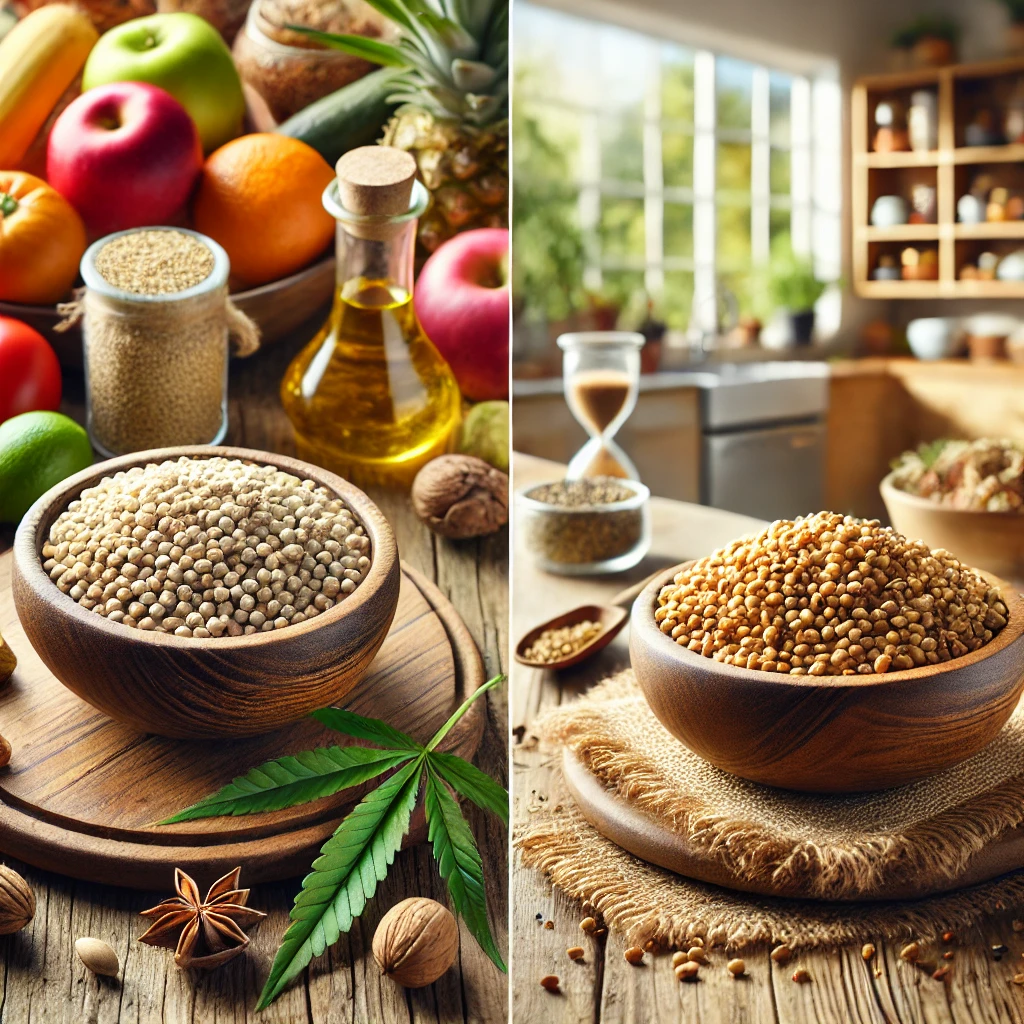
Hemp seeds have garnered significant attention in the health food industry due to their rich nutritional profile and versatile applications in various diets. As a nutrient-dense food, these tiny seeds pack a powerful punch, often compared to other popular seeds such as chia and flax. However, a common question arises among hemp seed enthusiasts: Should they be consumed raw or roasted? This article delves into the nutritional benefits of both raw and roasted hemp seeds, exploring how each preparation method can impact your health.
The increasing interest in plant-based diets and natural food sources has propelled hemp seeds into the spotlight. These seeds are derived from the Cannabis sativa plant but contain only trace amounts of THC, the psychoactive compound found in marijuana. Consequently, hemp seeds offer various health benefits without any psychoactive effects. From protein content and essential fatty acids to vitamins and minerals, hemp seeds are a valuable addition to a balanced diet.
As we navigate the nutritional landscape of raw versus roasted hemp seeds, it’s essential to understand how different preparation methods can affect their nutritional value and overall health benefits. Whether you prefer their nutty flavor when roasted or enjoy the subtle earthiness of raw seeds, incorporating hemp seeds into your diet can be a game-changer for your health and well-being.
Nutritional Composition of Hemp Seeds
Hemp seeds are a nutritional powerhouse, offering a unique combination of macro and micronutrients that support overall health. These seeds are composed of approximately 25-30% protein, making them an excellent source of plant-based protein for vegetarians and vegans. The protein content in hemp seeds is complete, containing all nine essential amino acids that the body cannot produce on its own.
In addition to protein, hemp seeds are rich in healthy fats, particularly omega-3 and omega-6 fatty acids. These polyunsaturated fats are essential for maintaining heart health, reducing inflammation, and supporting brain function. Hemp seeds boast a near-perfect 3:1 ratio of omega-6 to omega-3, which is considered ideal for promoting optimal health.
Hemp seeds are also a valuable source of vitamins and minerals. They contain significant amounts of vitamin E, an antioxidant that protects cells from damage, and B vitamins, which are crucial for energy production and brain function. Mineral-wise, hemp seeds provide adequate levels of magnesium, zinc, iron, and phosphorus, contributing to various bodily functions, including bone health and immune support.
Benefits of Raw Hemp Seeds
Raw hemp seeds are often praised for preserving their natural nutritional profile. Consuming hemp seeds in their raw form ensures that all their essential nutrients remain intact, offering maximum health benefits. One of the most significant advantages of raw hemp seeds is their high enzymatic activity, which aids in digestion and nutrient absorption.
When consumed raw, hemp seeds retain their full spectrum of vitamins, minerals, and antioxidants. This means that you can fully benefit from their protective properties, such as reducing oxidative stress and boosting immune function. Additionally, raw hemp seeds are a convenient snack option, providing a quick and nutritious energy boost throughout the day.
Raw hemp seeds are also extremely versatile in the kitchen. They can be sprinkled over salads, blended into smoothies, mixed into yogurt, or added to baking recipes. Their mild, nutty flavor complements various dishes without overpowering other ingredients, making them an ideal addition to any meal.
Benefits of Roasted Hemp Seeds
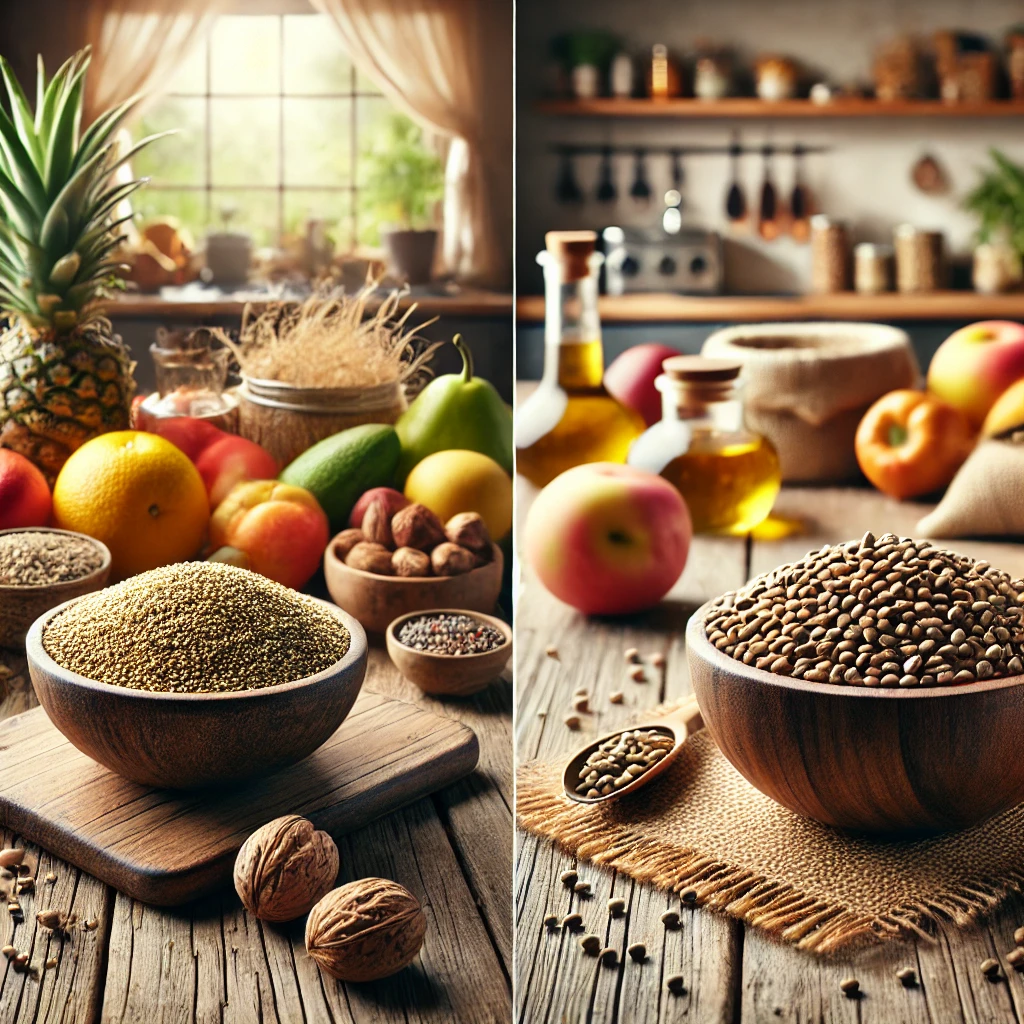
Roasting hemp seeds adds another layer of flavor and can enhance their culinary appeal. The roasting process involves toasting the seeds at a low temperature, which can bring out a richer, nuttier taste. This makes roasted hemp seeds a tasty snack on their own or a delightful topping for various dishes.
While roasting may slightly alter the nutritional profile of hemp seeds, the changes are generally minimal. The seeds still retain their high protein content, healthy fats, and a good portion of their vitamins and minerals. However, it’s worth noting that there’s a slight reduction in some heat-sensitive nutrients, such as certain antioxidants and amino acids.
The roasted version of hemp seeds can provide additional health benefits, such as improved digestibility. The heat from roasting can help break down certain compounds, making the seeds easier for the body to digest and absorb. Furthermore, roasted hemp seeds tend to have a longer shelf life than their raw counterparts, making them a convenient, long-lasting pantry staple.
How to Incorporate Hemp Seeds into Your Diet
Whether you prefer raw or roasted hemp seeds, incorporating them into your daily diet is incredibly easy. Here are some practical ways to enjoy the nutritional benefits of hemp seeds:
- Add a tablespoon of raw hemp seeds to your morning smoothie for an extra protein and omega-3 boost.
- Sprinkle roasted hemp seeds over salads for added crunch and flavor.
- Mix hemp seeds into your yogurt or oatmeal to enhance texture and nutritional value.
- Include hemp seeds in your baking recipes, such as muffins, bread, and energy bars.
- Create a homemade hemp seed butter to spread on toast or use in sauces.
- Blend hemp seeds into a creamy, nutritious hemp milk as a dairy alternative.
Experimenting with both raw and roasted hemp seeds can expand your culinary repertoire and provide diverse health benefits. Their versatile nature makes them an excellent addition to various recipes, allowing you to enjoy their nutritional benefits in multiple forms.
Potential Drawbacks and Considerations
While hemp seeds offer numerous health benefits, it’s essential to consider certain factors before incorporating them into your diet. Firstly, although hemp seeds are generally well-tolerated, some individuals may experience allergic reactions. Symptoms can range from mild, such as itching and gastrointestinal discomfort, to more severe reactions in rare cases. If you’re trying hemp seeds for the first time, it’s wise to start with a small amount and monitor your body’s response.
Another consideration is the potential for contamination. Hemp plants can absorb heavy metals and pesticides from the soil, which can impact the safety of the seeds. To minimize this risk, it’s advisable to purchase hemp seeds from reputable brands that adhere to strict quality control measures and testing protocols.
Additionally, while the nutritional benefits of hemp seeds are substantial, it’s crucial to consume them in moderation. Overconsumption of any food, including hemp seeds, can lead to an imbalance in nutrient intake. Incorporating a variety of nutrient-dense foods into your diet is the best approach to achieve optimal health.
Conclusion
Hemp seeds, whether raw or roasted, offer a myriad of nutritional benefits that support overall health and well-being. Their impressive protein content, healthy fats, and array of vitamins and minerals make them a valuable addition to any diet. Raw hemp seeds preserve the full spectrum of nutrients and offer versatility in culinary applications, while roasted hemp seeds provide a flavorful, crunchy alternative with minimal nutrient loss.
Ultimately, the choice between raw and roasted hemp seeds comes down to personal preference and dietary goals. Both forms can contribute positively to your health, making it easy to incorporate hemp seeds into various recipes and enjoy their benefits. Whether you’re looking to boost your protein intake, support heart health, or enhance your immune system, hemp seeds can be a delicious and nutritious option.
As with any dietary change, it’s essential to consider potential allergies and the quality of the product you choose. By sourcing high-quality hemp seeds and consuming them in moderation, you can fully enjoy their nutritional advantages without any adverse effects. Embrace the power of hemp seeds and explore their potential to elevate your health and culinary experiences.