
In the ever-evolving realm of health and wellness, few natural foods have captured the public’s attention quite like hemp seeds. Derived from the Cannabis sativa plant, these tiny powerhouses boast a nutritional profile that is nothing short of impressive. Particularly, hemp seeds are rich sources of essential fatty acids, such as Omega-3 and Omega-6, which are crucial for maintaining optimal health.
Our modern diets often leave us deficient in essential fatty acids due to the overconsumption of processed foods and underconsumption of nutrient-dense whole foods. This is where hemp seeds come to the rescue. Unlike some other sources of essential fatty acids which may carry environmental or dietary restrictions (like fish or certain nuts), hemp seeds offer a plant-based, environmentally friendly, and versatile option.
As we delve deeper into this article, we’ll explore the myriad health benefits of hemp seeds, focusing specifically on their role as a source of Omega-3 and Omega-6 fatty acids. Whether you’re a health enthusiast, a fitness buff, or simply someone looking to improve your diet, understanding the value of these tiny seeds can be a game-changer for your overall well-being. Let’s embark on this journey to uncover the nutritional treasure that hemp seeds represent!
Nutritional Profile of Hemp Seeds
Before we dive into the specific benefits of Omega-3 and Omega-6 fatty acids, it’s important to highlight the broader nutritional profile of hemp seeds. These seeds are remarkably nutrient-dense, containing a wide array of vitamins, minerals, and other beneficial compounds. Hemp seeds are an excellent source of high-quality protein, containing all nine essential amino acids that our bodies cannot produce on their own.
Additionally, they are rich in vitamins such as Vitamin E, which acts as a powerful antioxidant, and minerals like magnesium, zinc, and iron, each playing crucial roles in maintaining various bodily functions. The fiber content in hemp seeds also deserves mention, as it promotes digestive health and helps maintain a feeling of fullness, which can be beneficial for weight management.
However, the real stars of hemp seeds are their healthy fats, particularly the essential fatty acids. When we refer to “essential” fatty acids, we mean those that our bodies cannot synthesize and must obtain from our diet. Hemp seeds stand out because they offer an ideal ratio of Omega-3 to Omega-6 fatty acids, which is something that many other sources of fatty acids struggle to provide. This balance is crucial for numerous bodily functions, ranging from inflammation regulation to brain health.
As we move forward, we’ll take a closer look at these essential fatty acids, breaking down their specific benefits and how they contribute to overall health.
Understanding Omega-3 Fatty Acids
Omega-3 fatty acids are a type of polyunsaturated fat that plays a critical role in the body’s function. They are pivotal for brain health, cardiovascular function, and even in regulating inflammation. The three main types of Omega-3 fatty acids are ALA (alpha-linolenic acid), DHA (docosahexaenoic acid), and EPA (eicosapentaenoic acid). While DHA and EPA are commonly found in marine sources such as fish, ALA is predominantly found in plant-based sources like hemp seeds.
ALA is essential because our bodies can convert it into DHA and EPA, albeit at a limited rate. Nonetheless, consuming adequate amounts of ALA is vital. Foods like hemp seeds provide a convenient and effective way to meet these nutritional needs, especially for those who follow a vegetarian or vegan diet. Omega-3 fatty acids have been linked to numerous health benefits, including reduced risk of heart disease, improved mental health, and better prenatal development.
One of the most significant contributions of Omega-3 fatty acids is their anti-inflammatory properties. Chronic inflammation is a root cause of many illnesses, including heart disease, arthritis, and even cancer. By including Omega-3 rich foods like hemp seeds in your diet, you can help mitigate these risks and promote better health outcomes.
In the next section, we’ll delve into Omega-6 fatty acids, and then discuss the importance of maintaining the right balance between Omega-3 and Omega-6.
Understanding Omega-6 Fatty Acids
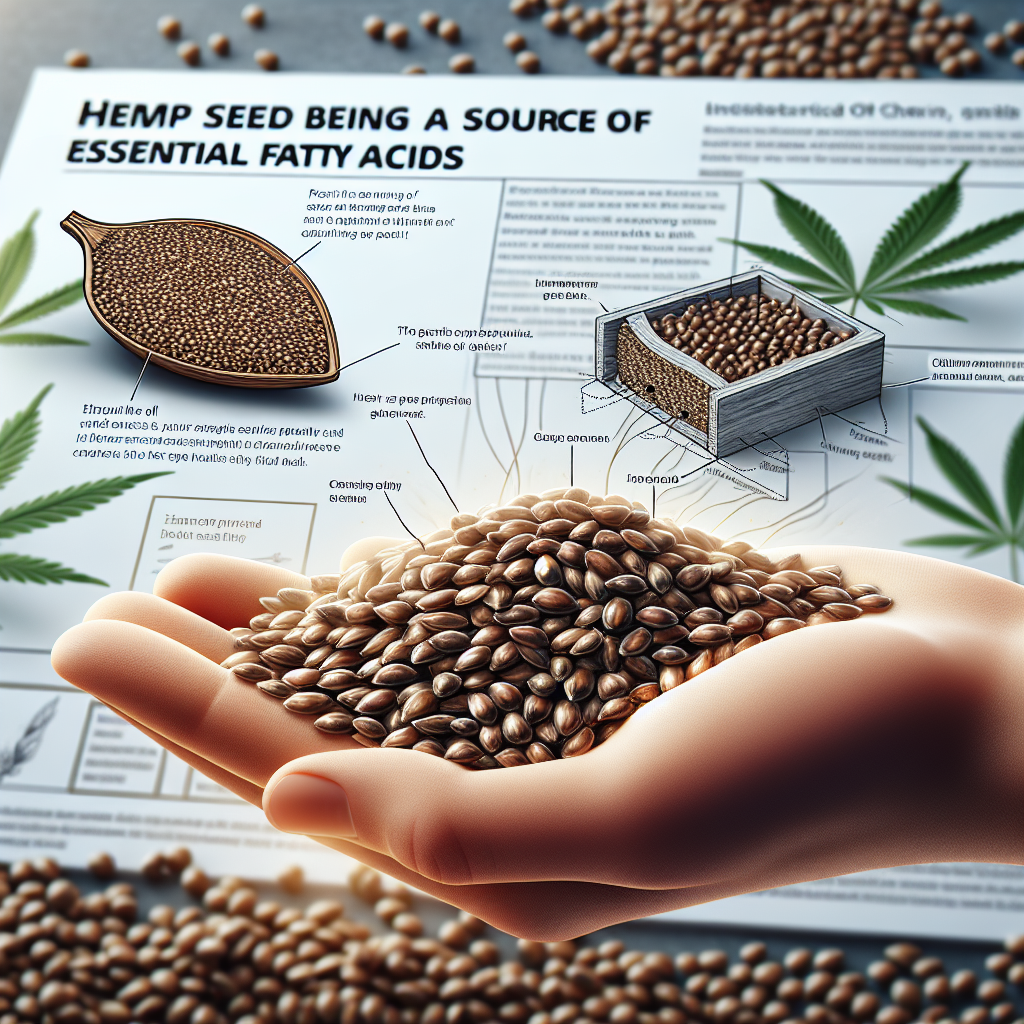
Omega-6 fatty acids are another type of polyunsaturated fat essential for various bodily functions. These fatty acids are involved in skin health, hair growth, bone health, and reproductive health, thus underscoring their importance in daily nutrition. The most common Omega-6 fatty acid found in the diet is linoleic acid, which can be converted into other Omega-6 fatty acids in the body.
However, Omega-6 fatty acids can be somewhat of a double-edged sword. While essential for health, consuming them in excessive amounts without a corresponding intake of Omega-3 fatty acids can contribute to chronic inflammation and other health issues. This brings us to the critical concept of the Omega-3 to Omega-6 ratio.
The typical modern diet often contains an imbalance, leaning heavily on Omega-6 fatty acids due to the prevalence of processed foods, vegetable oils, and fast food. This imbalance can exacerbate inflammatory processes within the body, leading to various chronic diseases.
Hemp seeds come to the rescue here, offering a well-balanced ratio of Omega-3 to Omega-6 fatty acids. This balance is naturally aligned with what our bodies require, making it easier to support optimal health without needing extensive dietary modifications. We’ll explore this balance in greater detail in the next section.
The Importance of Omega-3 to Omega-6 Ratio
Understanding the significance of the Omega-3 to Omega-6 ratio is crucial for anyone invested in their health. While both types of fatty acids are essential, the balance between them determines their impact on our well-being. Historically, human diets had a balanced Omega-3 to Omega-6 ratio of approximately 1:1. However, the modern Western diet averages a ratio closer to 1:15 or even higher in favor of Omega-6.
This imbalance can lead to chronic inflammation, which is a contributing factor to many diseases such as cardiovascular disease, type 2 diabetes, and autoimmune disorders. By incorporating hemp seeds into your diet, you can help restore this balance. Hemp seeds contain a ratio of Omega-3 to Omega-6 that ranges from 1:2 to 1:3, much closer to the ideal balance that supports health.
Maintaining a proper ratio helps ensure that the fatty acids can perform their roles efficiently, from cellular function to hormone production and inflammation regulation. A balanced intake supports cardiovascular health by promoting healthy cholesterol levels and blood pressure, while also providing anti-inflammatory benefits that can alleviate joint pain and improve cognitive function.
Incorporating hemp seeds into your meals is a straightforward way to support this balance. Whether added to salads, smoothies, or baked goods, these seeds offer a versatile and nutritious addition to various dishes. Next, we’ll discuss practical ways to incorporate hemp seeds into your diet.
Conclusion
As we’ve explored, hemp seeds are a powerhouse of nutrition, specifically as sources of essential fatty acids Omega-3 and Omega-6. The balanced ratio of these fatty acids in hemp seeds makes them a particularly beneficial addition to any diet, helping to counter the Omega-6 heavy nature of the modern diet.
The benefits of including hemp seeds in your diet are manifold. From improving heart health and reducing inflammation to supporting cognitive function and promoting healthy skin, these tiny seeds pack a significant punch. Hemp seeds provide a versatile, plant-based source of these essential fatty acids, making them accessible for people with varied dietary preferences, including vegetarians and vegans.
Practical ways to incorporate hemp seeds into your diet include adding them to smoothies, sprinkling them on top of salads, mixing them into yogurt, or using them in baking. Their mild, nutty flavor makes them a welcome addition to both sweet and savory dishes.
In conclusion, understanding the nutritional benefits of hemp seeds, especially their essential fatty acid content, empowers you to make informed dietary choices that promote long-term health. By incorporating hemp seeds into your daily routine, you are taking a proactive step towards a balanced diet rich in these crucial nutrients. Embrace the power of hemp seeds and witness the positive impact they can have on your health and well-being.