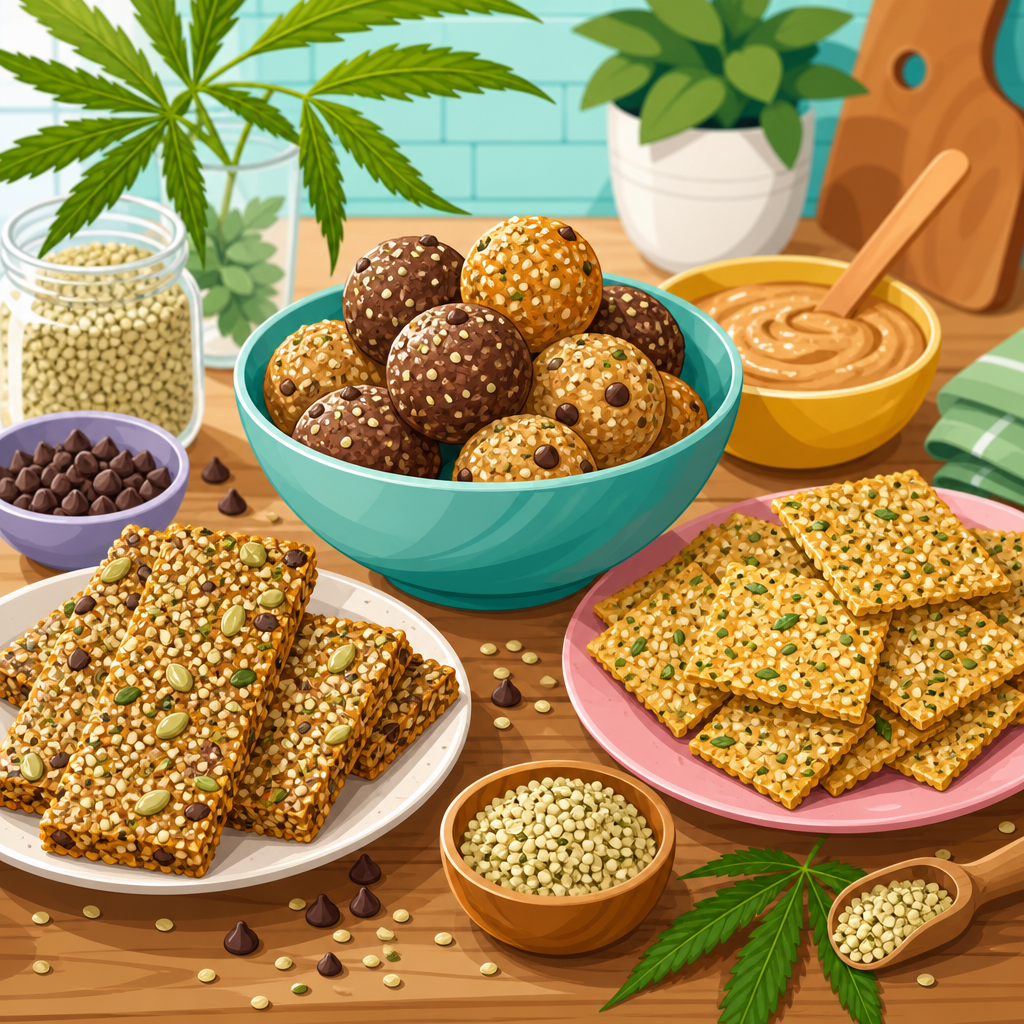

Choosing the best hemp-based protein bars starts with understanding what hemp actually contributes: complete plant protein, fiber, beneficial fats, and a nutrient profile that differs meaningfully from whey-heavy or soy-based bars. In this guide, I’ll walk through how I evaluate hemp protein bars for ingredient quality, protein density, sugar content, texture, sourcing, certifications, and value so you can buy with confidence. Because this page serves as a hub for guides to buying hemp products, it also frames the broader questions shoppers should ask across hemp foods, supplements, topicals, and wellness items. The goal is simple: help you separate genuinely useful hemp products from clever packaging and vague claims.
Hemp-based protein bars are snack bars formulated with hemp protein, hemp hearts, hemp seed flour, or related hemp seed ingredients. These products do not produce intoxication because hemp foods are made from seeds and food-grade plant material, not high-THC marijuana flower. In most markets, hemp food products must comply with strict THC limits, and reputable brands verify compliance through third-party testing. From a nutrition standpoint, hemp is valued because it contains all nine essential amino acids, although leucine content is generally lower than in whey. That matters if your priority is muscle protein synthesis after training. Still, for people seeking a plant-forward bar with fiber and unsaturated fats, hemp can be an excellent base.
The reason buying carefully matters is that the category is uneven. I’ve reviewed bars that advertised hemp prominently even though hemp was a minor ingredient behind brown rice syrup and soy crisp, and I’ve seen bars with solid macros but poor shelf stability because oils turned rancid. Others used premium ingredients yet delivered only 8 grams of protein for nearly 300 calories. The best hemp-based protein bars balance nutrition, ingredient integrity, taste, digestibility, and testing transparency. Once you know how to read the front and back of the package, the right choice becomes much easier.
What Makes a Hemp-Based Protein Bar Worth Buying
A good hemp-based protein bar should first succeed as a protein bar. That means enough protein to justify the calories, a sugar level appropriate to the use case, and an ingredient list that reflects whole-food intent rather than marketing theater. For most adults, I consider 10 to 20 grams of protein per bar a useful range. Under 10 grams can still work for a general snack, but it is weak if the bar is positioned for recovery or meal support. I also look at protein per 100 calories. A bar with 12 grams of protein at 180 calories is usually more efficient than one with 14 grams at 320 calories.
Ingredient order matters because labels list components by weight. If tapioca syrup, cane syrup, dates, or brown rice syrup appear before hemp protein, the product is probably more of an energy bar than a protein-forward option. That is not automatically bad. Endurance athletes may benefit from a higher-carbohydrate bar before long sessions. But if you want satiety, blood sugar steadiness, or everyday protein support, prioritize bars where hemp protein, pea protein, pumpkin seed protein, nuts, or seeds appear early in the list.
Texture and digestibility deserve more attention than most buyers give them. Hemp protein has an earthy flavor and slightly gritty character. Skilled brands balance that with cocoa, nut butter, dates, chicory root fiber, or crisped grains. Poorly formulated bars become dry, sandy, or bitter. Digestibility also varies. Some bars rely heavily on sugar alcohols such as maltitol or erythritol, or fibers like soluble corn fiber and inulin, which can cause bloating in sensitive users. If you know you react to these ingredients, the cleanest formula on paper may not be the best choice for your body.
How to Read the Label Like an Experienced Buyer
Start with the nutrition facts panel, then move to the ingredient list, and finish with the testing and certification claims. On the panel, compare protein, calories, total sugar, added sugar, fiber, saturated fat, and sodium. The bar’s intended use changes the ideal numbers. A post-workout bar can justify more carbohydrate. A desk-drawer snack generally benefits from lower sugar and moderate fiber. Sodium around 100 to 250 milligrams is common, but bars marketed for endurance or hot-weather activity may run higher.
On the ingredient side, identify the actual protein sources. “Plant protein blend” is less informative than a label naming hemp seed protein, pea protein isolate, brown rice protein, or pumpkin seed protein. Blends are not a red flag by themselves. In fact, many of the best hemp bars combine hemp with pea or rice to improve amino acid balance, protein concentration, and texture. Hemp alone rarely creates the highest-protein bar because whole-food hemp ingredients also bring fat and fiber. A blend can be the nutritionally smarter formula.
Then look for signs of manufacturing rigor. Organic certification can reduce pesticide concerns for agricultural ingredients, while Non-GMO Project verification matters to some shoppers. More important for hemp products is third-party testing. Reliable brands provide certificates of analysis for cannabinoids, heavy metals, pesticides, and microbial contaminants, especially if the product includes hemp extract rather than only hemp seeds. Heavy metal screening matters because hemp is a bioaccumulator, meaning the plant can absorb contaminants from soil. Seed-based ingredients from well-managed supply chains are typically safe, but transparency should still be expected.
| What to Check | Better Choice | Why It Matters |
|---|---|---|
| Protein per bar | 10–20 g | Supports satiety, recovery, and value per calorie |
| Added sugar | Usually under 8 g for daily snacking | Keeps sweetness reasonable and limits empty calories |
| Main ingredients | Hemp protein, seeds, nuts, pea protein, oats | Signals nutrient density over syrup-heavy formulation |
| Fiber | 3–8 g | Helps fullness, but too much can reduce tolerance |
| Testing | Third-party COA available | Confirms safety and regulatory compliance |
| Certifications | Organic or allergen-aware where relevant | Useful quality signals for certain buyers |
Nutrition Priorities: Protein, Sugar, Fiber, and Fats
If your main goal is muscle support, hemp-based bars should be judged realistically. Hemp protein is complete, but its amino acid profile is not identical to whey. In practical terms, that means many hemp bars are better as convenient daily protein snacks than as the single best post-lifting recovery option. I often recommend checking leucine-rich complements such as pea protein in the blend. Bars combining hemp and pea usually hit a better performance sweet spot while keeping the plant-based identity many shoppers want.
Sugar content should match context. A bar with 14 grams of sugar from dates may still be a reasonable pre-hike snack, but it is less ideal for sedentary office use. Total sugar also needs interpretation. Some bars have no added sugar yet remain sweet because of dates, raisins, or fruit concentrates. Others claim “low sugar” but use syrups plus sugar alcohols to maintain taste. The most useful question is not whether sugar is present, but whether the carbohydrate profile aligns with your needs and digestion.
Fats in hemp-based bars are usually a strength. Hemp seeds naturally provide polyunsaturated fats, including omega-6 linoleic acid and omega-3 alpha-linolenic acid. You are not buying a bar as your primary omega-3 strategy, but these fats contribute to satiety and a softer nutritional profile than bars built around palm kernel oil. Still, fat raises calories. A bar with nut butter, coconut, chocolate coating, and hemp hearts can become calorie dense fast. If you want a meal replacement, that may be fine. If you want a light snack, it is easy to overshoot.
Ingredient Quality, Sourcing, and Safety Standards
When I assess hemp products, sourcing is never a side issue. Hemp quality begins in the field. Soil conditions, farming inputs, harvest timing, and processing methods all influence the final ingredient. Brands that name origin countries, partner farms, or extraction and milling standards usually inspire more confidence than brands that say only “premium hemp.” Canada, parts of the United States, and several European producers have strong reputations for hemp food quality because agricultural controls and testing systems are established.
Processing method affects both taste and nutrition. Hemp protein can be produced through mechanical methods or more intensive fractionation. Less processed hemp ingredients often retain more of the seed’s character, including fiber and fats, but can taste earthier and provide less concentrated protein. Isolates and refined blends can deliver stronger macros and a smoother bite. Neither is inherently superior. The right choice depends on whether you prioritize whole-food simplicity or higher protein efficiency.
For safety, I look for batch-level testing, accessible certificates of analysis, and clear THC statements. This is especially important across the broader hemp products market. A hemp protein bar made only with hemp seeds differs from a bar infused with CBD or other cannabinoids. If cannabinoids are present, the label should identify content per serving, not hide it in a proprietary blend. The company should also test potency, residual solvents when extraction is used, and contaminants. If this information is missing, move on.
Allergen control is another practical buying factor. Many bars are manufactured in facilities that handle peanuts, tree nuts, milk, soy, wheat, or sesame. For some consumers, cross-contact language is a decisive issue. Gluten-free certification, dairy-free labeling, and vegan status are also relevant for many hemp shoppers, but these claims should support a clear ingredient list, not replace it.
How Hemp Protein Bars Compare With Other Hemp Products
As a hub for guides to buying hemp products, this article should place bars in context. Hemp foods generally fall into several categories: hemp seeds and hearts, hemp protein powders, snack bars and bites, hemp oil, and products containing hemp-derived cannabinoids such as CBD. Each serves a different purpose. Protein bars emphasize convenience and portability. Powders offer better protein-per-dollar and more flexible dosing. Hemp hearts are excellent for adding minerals, fats, and texture to meals but are less concentrated as protein supplements.
This comparison matters because shoppers often buy the wrong format for the job. If you want the cheapest way to raise daily protein intake, bars are rarely the winner. If you need a shelf-stable option for commuting, travel, or post-gym use, bars make more sense. If you are exploring the hemp category broadly, use the same buying framework across products: check active ingredients, serving size, testing, certifications, sourcing, and fit for purpose. That framework applies whether you are reviewing hemp gummies, hemp seed oil, CBD tinctures, or a simple snack bar.
There is also a legal and practical distinction between hemp foods and cannabinoid products. Hemp seeds naturally contain nutritional compounds but negligible cannabinoids. CBD products, by contrast, raise separate questions about dosage, state or national rules, drug testing sensitivity, and intended effects. Consumers frequently conflate these categories because brands use similar imagery and language. A responsible buying guide keeps them separate so expectations remain accurate.
Best Use Cases and Common Buying Mistakes
The best hemp-based protein bar depends on when and why you plan to use it. For meal support, choose a bar with at least 15 grams of protein, moderate fiber, and enough total calories to hold you over. For pre-workout fuel, a bar with simpler ingredients and more carbohydrate may digest better than a very high-fiber option. For hiking or travel, durability and heat stability matter almost as much as macros. Chocolate-coated bars can become messy quickly, while date-and-seed bars usually travel better.
The most common mistake is buying on front-of-pack buzzwords alone. “Natural,” “superfood,” and “plant-powered” tell you almost nothing. Another frequent error is ignoring serving size. Some bars appear low in sugar or calories because they are unusually small. Others market a two-serving package as one bar. I also see shoppers overvalue isolated claims like “20 grams of protein” without noticing the 18 grams of added sugar or long list of fillers. A good bar is a whole package decision, not a single-number decision.
Price should be considered in cost-per-serving and cost-per-10-grams-of-protein terms. Premium ingredients and rigorous testing justify some premium, but not every expensive bar is better. In testing, I’ve found several mid-priced bars outperform flashy boutique products on both taste and nutrition. Use subscriptions carefully as well. They can reduce price, but only after you confirm you tolerate and enjoy the product.
Choose one or two hemp-based protein bars using the criteria above, compare labels side by side, and buy a small quantity first. That simple process will help you find a bar that fits your nutrition goals, your budget, and the broader standards you should use for all hemp products.
Frequently Asked Questions
What should I look for first when choosing a hemp-based protein bar?
The first thing I look at is the ingredient list, because it tells you more about overall quality than front-of-package marketing claims. A strong hemp-based protein bar should clearly identify hemp ingredients such as hemp protein, hemp hearts, or hemp seeds near the top of the list, rather than using only a small amount of hemp for branding purposes. From there, check the protein content per bar and compare it to the bar’s total calories. In general, you want a meaningful amount of protein for the size of the bar, not a product that is mostly sweeteners, syrups, or fillers with only a small protein contribution.
It also helps to evaluate the balance of protein, fiber, fat, and sugar together instead of focusing on just one number. Hemp brings complete plant protein, fiber, and beneficial fats to the table, so the best bars usually feel nutritionally balanced rather than artificially engineered. I also recommend reviewing the sugar source. Dates, fruit purees, honey, tapioca syrup, cane sugar, and sugar alcohols all affect taste, texture, and digestion differently. If a bar claims to be healthy but relies heavily on added sweeteners, that is worth a closer look.
Finally, consider practical factors such as texture, certifications, and how the bar fits your goals. Some hemp bars are better as meal-support snacks, while others are more appropriate for post-workout use or quick energy on the go. If sourcing matters to you, look for organic, non-GMO, or third-party tested products. A good hemp protein bar should not just sound healthy in theory; it should deliver clear ingredient quality, useful protein density, and a nutrition profile that matches what you actually need.
Are hemp-based protein bars a complete protein, and how do they compare with whey or soy bars?
Yes, hemp is considered a complete protein because it contains all nine essential amino acids. That is one of the main reasons hemp-based protein bars appeal to people who want a plant-based alternative without sacrificing amino acid variety. That said, “complete” does not automatically mean identical to whey in amino acid concentration. Whey is especially rich in leucine and is often favored in sports nutrition for muscle protein synthesis. Hemp still offers a solid protein contribution, but the overall amino acid profile and concentration per serving can differ, so it is important to judge each bar by its actual protein grams and intended use.
Compared with soy, hemp often appeals to shoppers who want a less processed-feeling ingredient profile or simply prefer to avoid soy. Hemp also naturally contributes fiber and beneficial fats, which can make the nutrition profile feel more rounded. In many whey bars, protein may be high, but texture can become dense or candy-like once sweeteners and coatings are added. In many soy bars, the protein is effective but sometimes paired with long ingredient lists and highly processed isolates. Hemp bars can offer a more whole-food-oriented option, especially when the formula includes seeds, nuts, and minimal additives.
The best comparison is not “which protein source is universally best,” but “which bar best fits your priorities.” If your goal is maximum protein in the smallest possible bar, whey may sometimes come out ahead. If your goal is a plant-based bar with complete protein, fiber, healthy fats, and a more natural ingredient identity, hemp can be an excellent choice. For many buyers, the advantage of hemp is not just that it provides protein, but that it contributes to a broader nutritional package that supports satiety and ingredient quality at the same time.
How much protein and sugar should a good hemp-based protein bar have?
There is no single perfect number, but there are useful ranges that can help you compare options. For protein, I usually look for a bar that offers enough to justify being called a protein bar rather than simply a snack bar with a little added hemp. Many quality hemp-based bars fall into a moderate protein range, and that can be perfectly fine if the ingredients are strong and the bar is designed for everyday snacking, meal support, or light recovery. The key is protein density: how much protein are you getting relative to calories, serving size, and total sugar?
When it comes to sugar, context matters. A bar sweetened mostly with dates or fruit may show a higher sugar number than a bar sweetened with sugar alcohols, but that does not automatically make it worse. Whole-food sweeteners often bring a different taste and digestive experience than highly processed alternatives. What I watch for is whether sugar seems to dominate the formula. If the bar is positioned as a health-focused protein product but the first few ingredients are syrups and sweeteners, that is a sign to be cautious. You want sugar to support flavor and texture, not define the product.
I also recommend looking at fiber alongside sugar. Hemp naturally contributes fiber, and a bar with decent fiber can feel more satisfying and support steadier energy. In practical terms, the best choice depends on your goal. For post-workout use, you may accept a little more sugar if the bar also delivers useful protein. For daily snacking, many people prefer lower sugar and a cleaner ingredient profile. Instead of chasing the lowest sugar bar on the shelf, choose one with an honest balance of protein, fiber, fat, and sweetness that aligns with how you plan to use it.
Why do texture, sourcing, and certifications matter when buying hemp protein bars?
Texture matters because it affects whether you will actually eat the bar consistently. Hemp protein can create a more earthy, dense, or slightly gritty texture than whey-based bars, especially in minimally processed formulas. That is not necessarily a flaw; in fact, it can be a sign that the bar uses less refined ingredients. Still, there is a big difference between a pleasantly hearty bar and one that feels dry, chalky, or difficult to chew. Reading reviews and understanding the bar’s format can help. Some bars are soft and date-based, while others are crunchy, seed-forward, or coated for a smoother bite.
Sourcing matters because hemp is a crop where quality control and agricultural standards can meaningfully affect the final product. Knowing where the hemp is grown and how it is processed can give you more confidence in purity and consistency. Reputable brands are often transparent about origin, farming practices, and whether they use organic ingredients. Since this page serves as a hub for buying hemp products, I strongly recommend prioritizing brands that clearly explain what kind of hemp ingredients they use and how those ingredients are handled from farm to finished bar.
Certifications add another layer of trust. Organic certification may matter if you want stricter standards around agricultural inputs. Non-GMO, gluten-free, vegan, or allergen-conscious certifications can also be important depending on your diet. Third-party testing is especially valuable because it can help verify quality and screen for contaminants. Certifications should not replace reading the ingredient list, but they can support a brand’s credibility. In a crowded market, texture tells you about the eating experience, sourcing tells you about the ingredient story, and certifications help confirm that the product meets the standards it claims to follow.
How do I know if a hemp-based protein bar is actually a good value?
Good value is about more than price per bar. A cheaper bar is not a better buy if it gives you very little protein, low-quality fats, excessive sugar, or a formula padded with fillers. I compare value by looking at cost relative to protein content, ingredient quality, serving size, and how satisfying the bar is in real use. For example, a slightly more expensive hemp bar with better protein density, cleaner ingredients, and stronger fiber content may be a better investment than a bargain bar that leaves you hungry an hour later.
It is also useful to compare bars within the same category. Hemp-based bars are not always formulated to compete directly with ultra-high-protein whey bars, so compare them against other plant-based or whole-food-oriented options. Look at whether the bar uses premium ingredients such as organic hemp, nuts, seeds, or minimally processed sweeteners. Those can raise the price, but they may also improve nutrition and overall product integrity. If a brand is transparent about sourcing and testing, that added accountability can also justify a higher cost.
One of the simplest ways to judge value is to ask what role the bar plays in your routine. If it is an occasional convenience snack, you may prioritize taste and affordability. If it is a regular part of your wellness, travel, or post-workout routine, it makes sense to pay more for a bar you trust and enjoy. I usually recommend calculating cost per serving, cost per 10 grams of protein, and overall ingredient quality before making a decision. The best hemp-based protein bar is not just the cheapest or the most expensive; it is the one that consistently delivers the nutrition, quality, and satisfaction you are paying for.