Healthy hemp flour pancakes are one of the easiest, most practical ways to start baking with hemp flour because they showcase its nutrition, texture, and flavor in a familiar breakfast recipe. Hemp flour is a soft, protein-rich flour made from milled hemp seed cake after the oil has been pressed out, and it brings a mild nutty taste, more fiber than many refined flours, and useful minerals including iron, magnesium, and potassium. I have tested hemp flour in quick breads, muffins, waffles, and pancakes, and pancakes remain the best entry point because the batter is forgiving and the technique is simple. For home cooks exploring alternative flours, this matters for two reasons: nutrition and performance. Hemp flour can boost protein and fiber without relying on complicated specialty ingredients, but it also behaves differently from all-purpose flour because it contains little gluten. Understanding that balance is the key to successful baking with hemp flour.
When people search for healthy hemp flour pancakes, they usually want direct answers to three questions: what hemp flour is, whether it can replace regular flour, and how to make pancakes that are light instead of dense. The short answer is that hemp flour is best used as part of a blend rather than a full substitute in most pancake recipes. In my kitchen tests, replacing about 20 to 30 percent of the wheat flour with hemp flour creates pancakes that are tender, pleasantly earthy, and still easy to flip. Push that percentage much higher without other adjustments and the batter often loses structure, the interior turns heavy, and the pancakes can taste overly grassy. That is not a flaw in hemp flour; it is simply how a low-gluten, high-fiber ingredient behaves. Once you treat it as a performance ingredient instead of a one-to-one swap, it becomes extremely useful.
This article is the hub for baking with hemp flour under Recipes and Cooking Tips, so it covers the core principles that connect to muffins, cookies, breads, waffles, and other recipes you may explore next. Pancakes make an ideal foundation because they teach the central rules: blend hemp flour with another flour, hydrate the batter well, avoid overmixing, and balance its earthy flavor with ingredients like cinnamon, vanilla, banana, maple syrup, yogurt, or berries. Those same rules apply across the category. If you have worked with almond flour, oat flour, or buckwheat flour, hemp flour sits in a similar conversation but has its own behavior. It is not as fatty as almond flour, not as starchy as oat flour, and not as strongly flavored as buckwheat. That distinctive profile is why it deserves a dedicated guide rather than a brief note in a general alternative flour roundup.
From an SEO and practical cooking perspective, hemp flour pancakes also answer a timely consumer need. More home bakers are looking for higher-protein breakfast recipes, better ways to use pantry staples, and realistic gluten-conscious options that do not depend on ultra-processed mixes. Hemp flour fits that trend well. It supports nutrient-dense cooking, works in everyday recipes, and can be paired with common ingredients already in most kitchens. The best pancake recipe is not just healthy on paper; it should brown evenly, smell inviting on the griddle, and taste good enough that you want to make it again. That is the standard I use when teaching baking with hemp flour, and it is the standard this hub article follows.
What hemp flour does in pancake batter
Hemp flour changes pancake batter in four main ways: it adds protein, increases fiber, deepens color, and reduces gluten strength. In practice, that means a batter with hemp flour absorbs more liquid than a plain white-flour batter and benefits from a short resting time before cooking. I usually let it rest for five to ten minutes. That rest gives the flour time to hydrate, thickens the batter slightly, and leads to a more even crumb. Hemp flour also produces a darker beige or light brown pancake, which is normal and often desirable because it signals whole-food ingredients rather than a pale processed mix.
Because hemp flour contains very little gluten-forming protein compared with wheat flour, it will not create the same elastic structure on its own. That is why a blend works best. In traditional pancake formulas, all-purpose flour contributes enough structure to trap bubbles from baking powder and help the cakes rise. Hemp flour contributes nutrition and flavor but needs support from wheat flour, oat flour, or, in gluten-free versions, a carefully balanced mix that may include starch. If you have ever made pancakes that spread too much and turned gummy in the center, the problem was often structural imbalance rather than the leavening itself.
The flavor profile matters too. Hemp flour tastes mildly nutty and earthy, closer to sunflower seed or wheat bran than to neutral white flour. Used well, that flavor is an advantage. It pairs naturally with banana, apple, cinnamon, cocoa, pumpkin, and maple. It can be less successful in very delicate vanilla-only bakes where you want a blank canvas. For pancakes, the flavor is ideal because breakfast recipes welcome warmth and depth. A small amount of brown sugar or maple syrup rounds the edges, while buttermilk or yogurt adds tang and tenderness.
Best flour ratios and ingredient choices for healthy hemp flour pancakes
The most reliable starting ratio for healthy hemp flour pancakes is 1 part hemp flour to 3 or 4 parts base flour. For example, if a recipe uses 1 cup total flour, use 1/4 cup hemp flour and 3/4 cup all-purpose flour for a balanced result. For a heartier version, 1/3 cup hemp flour and 2/3 cup oat flour works well, though oat flour usually benefits from an extra egg or a spoonful of yogurt for better binding. When I develop recipes for beginners, I rarely exceed 30 percent hemp flour unless the batter also includes mashed banana, ground flax, or another ingredient that improves moisture retention and structure.
Liquid selection makes a noticeable difference. Milk works, but buttermilk, kefir, or plain yogurt thinned with milk usually gives better texture because the acidity softens the crumb and complements baking soda if used. Eggs are especially helpful with hemp flour because they provide lift, emulsification, and protein structure during cooking. A little melted butter or neutral oil prevents dryness, while vanilla and cinnamon make the nutty flavor feel intentional rather than incidental. If you want sweetness, maple syrup or honey can be added directly to the batter, but modest amounts are best because too much liquid sweetener can inhibit browning and make the cakes fragile.
| Ingredient choice | What it contributes | Best use with hemp flour |
|---|---|---|
| All-purpose flour | Gluten structure and light texture | Best for fluffy classic pancakes |
| Oat flour | Tender crumb and whole-grain flavor | Good for hearty pancakes with yogurt or eggs |
| Buttermilk | Acidity, tenderness, better rise | Excellent in blended-flour batters |
| Eggs | Binding and lift | Important when hemp flour exceeds 25 percent |
| Banana or applesauce | Moisture and natural sweetness | Useful for denser, more filling pancake styles |
Leavening should be adjusted to the recipe style, not blindly increased. A standard pancake batter with hemp flour generally performs well with baking powder alone, but thicker batters with acidic dairy often benefit from a combination of baking powder and baking soda. More leavening does not automatically create lighter pancakes. If the batter is too heavy or undermixed, extra chemical leavener can produce coarse bubbles and uneven interiors. Correct flour ratio and hydration matter more.
How to make pancakes that are fluffy, tender, and easy to flip
The basic method is simple and repeatable. First, whisk dry ingredients thoroughly so the hemp flour disperses evenly and the leavening does not clump. Second, whisk wet ingredients separately. Third, combine wet and dry just until no large dry pockets remain. The batter should look slightly lumpy. Overmixing is one of the fastest ways to make hemp flour pancakes tough because the wheat portion develops gluten while the hemp portion keeps absorbing liquid, creating a batter that tightens as it sits. After mixing, rest the batter briefly, then check consistency. It should pour slowly, not run like crepe batter.
Heat control is just as important as batter formulation. Cook pancakes over medium or medium-low heat on a preheated skillet or griddle lightly greased with butter or oil. Hemp flour browns faster than plain white flour because of its color and composition, so very high heat can make the outside look done before the center sets. I look for small bubbles on the surface, slight drying around the edges, and easy release before flipping. The second side usually cooks faster. If your pancakes are pale and rubbery, the pan is likely too cool. If they are dark with raw centers, it is too hot.
Portion size affects success. Smaller pancakes are easier to flip and cook more evenly, especially when using alternative flours. About 1/4 cup of batter per pancake is ideal for most home skillets. Thick add-ins such as blueberries, chopped nuts, or chocolate chips should be added sparingly because they can weigh down the batter. If using fruit, I often scatter it onto each pancake after pouring the batter rather than mixing it into the bowl. That keeps distribution even and prevents overmixing.
Common mistakes when baking with hemp flour
The most common mistake is trying to use hemp flour as a direct one-to-one substitute for regular flour in every recipe. In pancakes, that almost always produces a dense result unless the rest of the formula is redesigned. The second mistake is skipping the rest period. Because hemp flour is thirsty, freshly mixed batter can seem thinner than it will be a few minutes later. Resting prevents the urge to add too much extra flour, which can quickly turn a balanced recipe dry.
Another frequent problem is stale flour. Hemp flour contains natural residual fats and should be stored carefully, ideally sealed in a cool pantry for short-term use or in the refrigerator or freezer for longer storage. If it smells bitter, paint-like, or overly sharp, it may be rancid. Fresh hemp flour smells mild and nutty. This storage point matters across all baking with hemp flour, not just pancakes. Muffins, cookies, and quick breads all suffer when the flour is old.
Finally, many cooks under-season alternative flour recipes. A small amount of salt is essential because it sharpens flavor and reduces the impression of heaviness. Spices and extracts are not cosmetic; they are structural to the eating experience. Cinnamon, nutmeg, vanilla, lemon zest, and almond extract can all improve the final result when used intentionally. Healthy pancakes should still taste complete.
Using pancakes as a hub for broader baking with hemp flour
If you can make successful hemp flour pancakes, you already understand the core framework for the entire subtopic of baking with hemp flour. Muffins follow the same blending rule, though they usually tolerate slightly more hemp flour because eggs and thicker batter provide support. Quick breads work best when hemp flour is paired with wheat flour or oat flour and balanced with enough moisture from yogurt, oil, pumpkin, or banana. Cookies can use hemp flour for tenderness and nutty depth, but too much can make them cakey or dry. Waffles often perform similarly to pancakes, though they benefit from a bit more fat for crispness.
That is why this article serves as a hub page. It gives you the decision-making principles that transfer across formats: start with partial substitution, match hydration to fiber content, support structure with eggs or compatible flours, and choose flavors that complement earthiness. These principles also connect naturally to related recipe guides within Recipes and Cooking Tips, including gluten-conscious breakfast ideas, high-protein baking strategies, and pantry-based whole-grain cooking. Search engines and answer engines reward content that solves the user’s broader task, not just a single recipe card, and this topic especially benefits from that wider context.
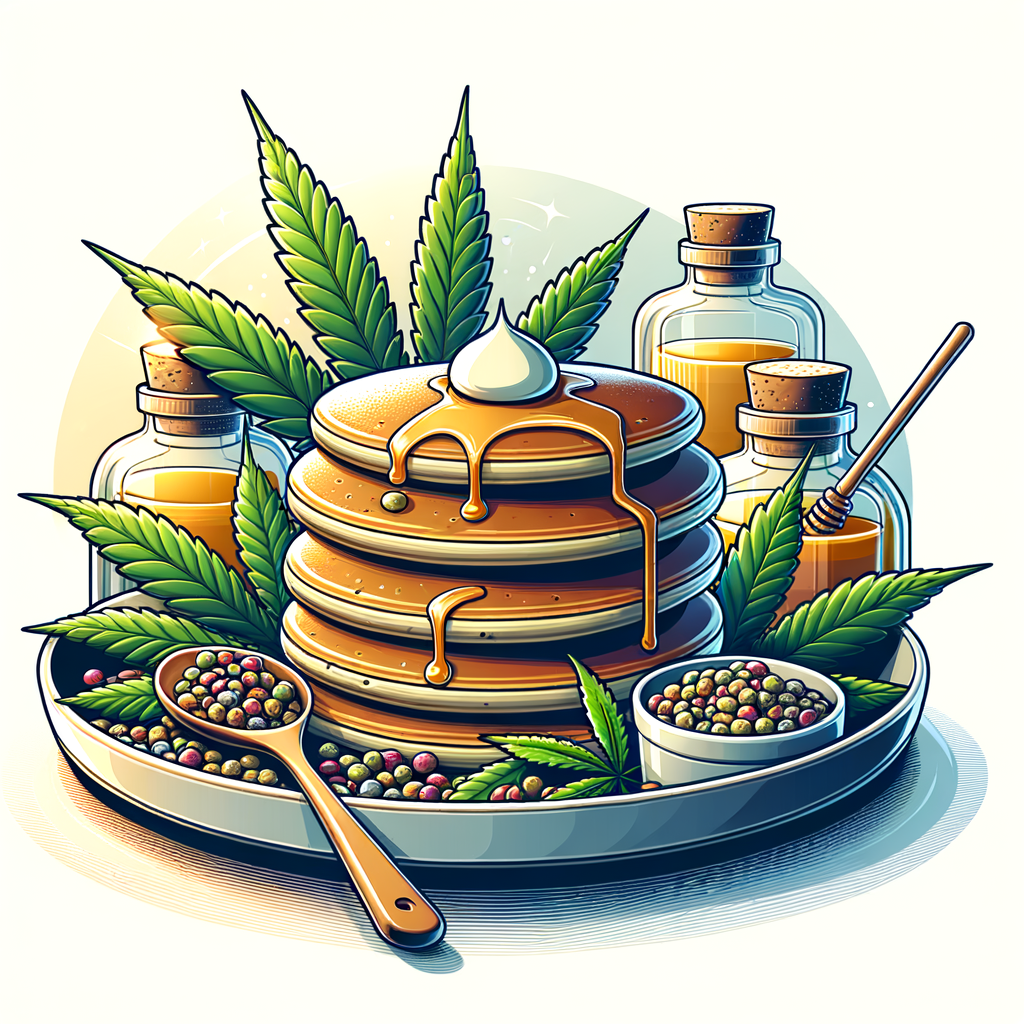
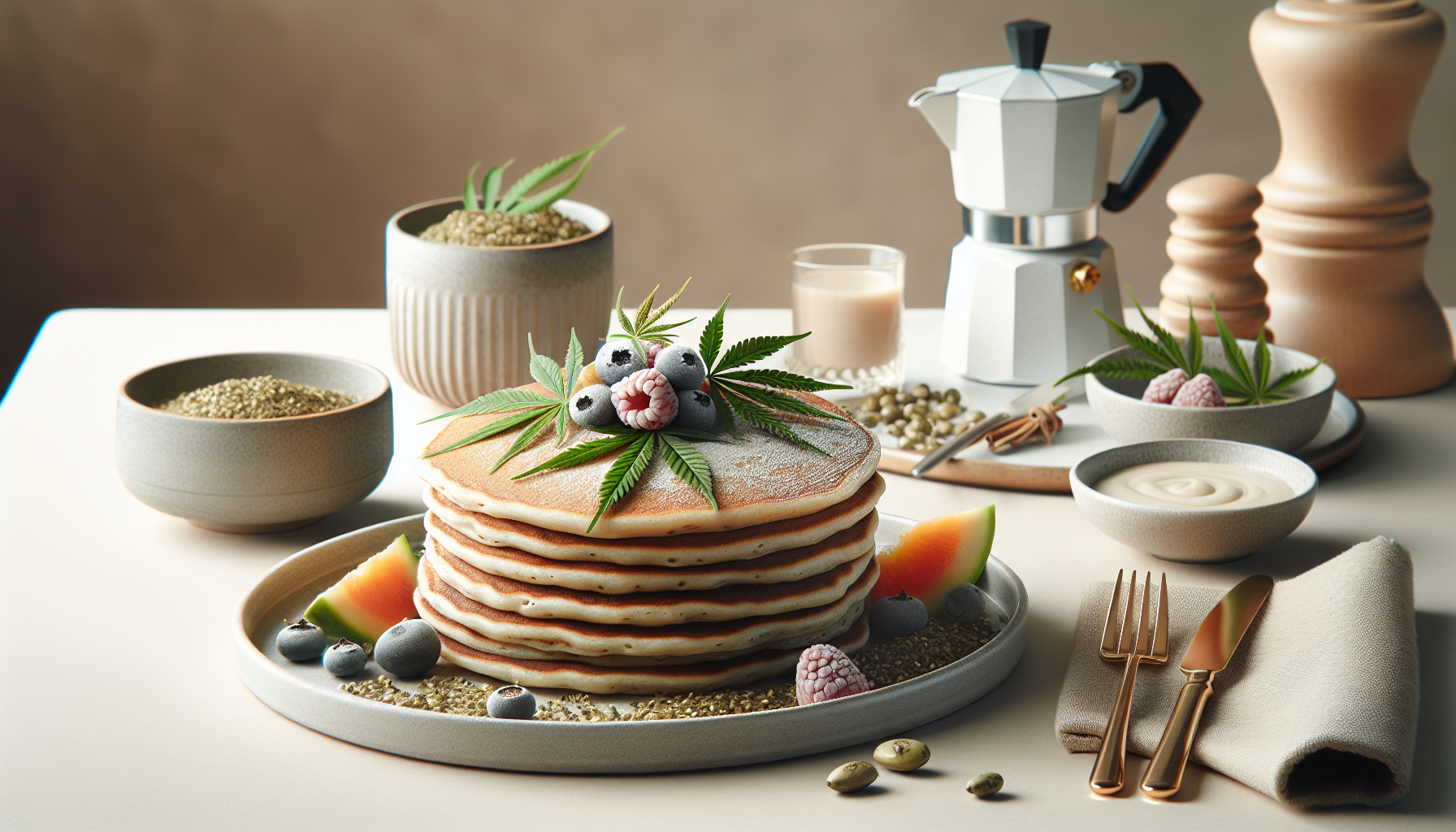
For most home bakers, the main benefit of hemp flour is not novelty. It is that hemp flour lets you build more nourishing baked goods with ingredients that still feel familiar. A stack of healthy hemp flour pancakes can deliver satisfying texture, balanced flavor, and better nutritional density than a standard refined-flour version, without demanding advanced technique. Start with the proven blend ratios, pay attention to hydration and heat, and treat pancakes as your test kitchen. Once you are comfortable, apply the same logic to muffins, waffles, quick breads, and cookies. That is the simplest path to getting real value from baking with hemp flour. Make one batch this week, take notes on texture and flavor, and use that experience to shape your next recipe.
Frequently Asked Questions
1. What does hemp flour do in pancakes, and how do healthy hemp flour pancakes taste?
Hemp flour adds several important qualities to pancakes: nutrition, texture, and a subtle flavor boost. Because it is made from milled hemp seed cake after the oil has been pressed out, it is naturally higher in protein and fiber than many refined flours, and it also contributes minerals such as iron, magnesium, and potassium. In a pancake batter, that means you are not just adding an alternative flour for novelty—you are creating a breakfast that feels a bit more substantial and satisfying.
In terms of taste, hemp flour has a mild, earthy, slightly nutty flavor. It is not overpowering, but it is noticeable enough to give pancakes more character than a standard white flour version. Many people find that it pairs especially well with ingredients like cinnamon, vanilla, maple syrup, banana, chopped nuts, berries, or even a spoonful of yogurt on top. The overall flavor is warm and wholesome rather than grassy or strong.
Texture-wise, hemp flour usually makes pancakes a little softer and more tender, but also slightly denser if you use too much of it on its own. That is why many recipes combine it with another flour to keep the pancakes light and fluffy while still benefiting from hemp flour’s nutrition and flavor. When balanced well, healthy hemp flour pancakes come out moist, hearty, and pleasantly fluffy with a delicate nutty finish.
2. Can I use only hemp flour in pancake batter, or should I mix it with another flour?
In most cases, it is best to mix hemp flour with another flour rather than using it as the only flour in the recipe. Hemp flour behaves differently from all-purpose flour because it contains no gluten and has a higher fiber content. Those qualities are excellent from a nutrition standpoint, but they can make pancakes heavier, more fragile, and less airy if you rely on hemp flour alone.
A practical approach is to replace about 20% to 40% of the flour in your pancake recipe with hemp flour. That range typically gives you the nutty flavor, darker color, and nutritional benefits of hemp flour while still preserving the light texture that people expect from pancakes. For example, if a recipe calls for 1 cup of flour total, using 1/4 to 1/3 cup hemp flour and the rest a flour such as all-purpose, whole wheat, oat flour, or a reliable gluten-free blend usually works very well.
If you do want to experiment with higher amounts, expect the batter to absorb liquid differently and the pancakes to become more delicate and dense. In that case, you may need a little extra milk, an additional egg, or a binder such as yogurt or mashed banana to improve structure. The key is to think of hemp flour as a highly beneficial supporting flour rather than a direct one-to-one replacement in most pancake recipes. That strategy gives the most dependable results, especially if you are making healthy hemp flour pancakes for the first time.
3. Are healthy hemp flour pancakes actually nutritious?
Yes, healthy hemp flour pancakes can be a very nutritious breakfast, especially when compared with pancakes made entirely from refined white flour. Hemp flour is valued for being protein-rich and fiber-rich, which can help make breakfast more filling and balanced. It also contributes useful minerals like iron, magnesium, and potassium, all of which support normal body functions ranging from energy metabolism to muscle and nerve function.
Another reason hemp flour pancakes are often considered a smart choice is that they let you improve a familiar comfort food without making it complicated. Pancakes are already a practical breakfast format, and adding hemp flour is one of the easiest ways to upgrade them nutritionally while keeping the recipe approachable. Instead of relying only on refined starch, you get a batter with more substance and a more wholesome nutritional profile.
That said, the overall healthfulness still depends on the full recipe and the toppings you choose. If you make the batter with balanced ingredients such as eggs, milk or a nutritious dairy-free alternative, modest sweetener, and perhaps fruit, the pancakes can fit very well into a healthy routine. Toppings matter too: fresh berries, nut butter, Greek yogurt, or a light drizzle of maple syrup will keep the meal more balanced than loading the stack with large amounts of syrup or sugary spreads. So yes, hemp flour can absolutely make pancakes healthier, but the biggest benefit comes from the complete recipe and how you serve them.
4. Why are my hemp flour pancakes dense, dry, or falling apart?
These are the most common issues when baking with hemp flour, and they usually come down to proportion, hydration, and mixing method. Because hemp flour is high in fiber and does not contain gluten, it absorbs liquid differently and does not create the same elastic structure that wheat flour does. If you use too much hemp flour, the pancakes can become dense and dry. If the batter is not balanced with enough eggs, milk, or another flour, the pancakes may fall apart when you try to flip them.
To fix density, start by reducing the percentage of hemp flour in the recipe and combining it with a lighter flour. Also make sure your leavening is fresh—baking powder that has lost potency can leave any pancake recipe flat, and hemp flour makes that problem more noticeable. To fix dryness, add a little more liquid and let the batter rest for a few minutes before cooking so the flour can fully hydrate. Often, a batter that seems thick at first will loosen slightly as it settles, or you may discover it needs just a splash more milk.
If the pancakes are breaking apart, check a few things: the pan may not be hot enough, you may be flipping too early, or the batter may need more structure. Eggs, yogurt, mashed banana, or even a small amount of another flour can help hold everything together. It also helps to keep the pancakes a bit smaller than usual when testing a new hemp flour ratio. Once the edges look set and bubbles appear across the surface, they are usually ready to flip. With a few small adjustments, healthy hemp flour pancakes become very reliable and easy to make.
5. What are the best mix-ins, toppings, and storage tips for healthy hemp flour pancakes?
Hemp flour’s mild nutty flavor makes it extremely versatile, so there are many excellent ways to customize these pancakes. For mix-ins, some of the best options are blueberries, chopped walnuts or pecans, mashed banana, cinnamon, vanilla extract, unsweetened coconut, or mini dark chocolate chips if you want a more indulgent version. Because hemp flour already has a warm, earthy flavor, it works especially well with ingredients that naturally complement that profile instead of overpowering it.
For toppings, fresh fruit is one of the easiest and healthiest choices. Sliced strawberries, blueberries, raspberries, banana, or stewed apples all work beautifully. Greek yogurt adds creaminess and extra protein, while nut butter makes the pancakes even more satisfying. A drizzle of maple syrup is classic, but you usually need less than you would on plain pancakes because hemp flour already gives the pancakes more flavor depth. Seeds, chopped nuts, or a sprinkle of cinnamon can also add texture without much extra effort.
As for storage, healthy hemp flour pancakes keep well, which makes them great for meal prep. Let them cool completely, then refrigerate them in an airtight container for several days. You can also freeze them in a single layer first, then transfer them to a freezer-safe bag or container with parchment between layers to prevent sticking. To reheat, use a toaster, skillet, or low oven if you want to preserve texture, or a microwave for speed. This make-ahead convenience is one more reason hemp flour pancakes are such a practical introduction to baking with hemp flour: they are nutritious, adaptable, and easy to fit into a busy routine.