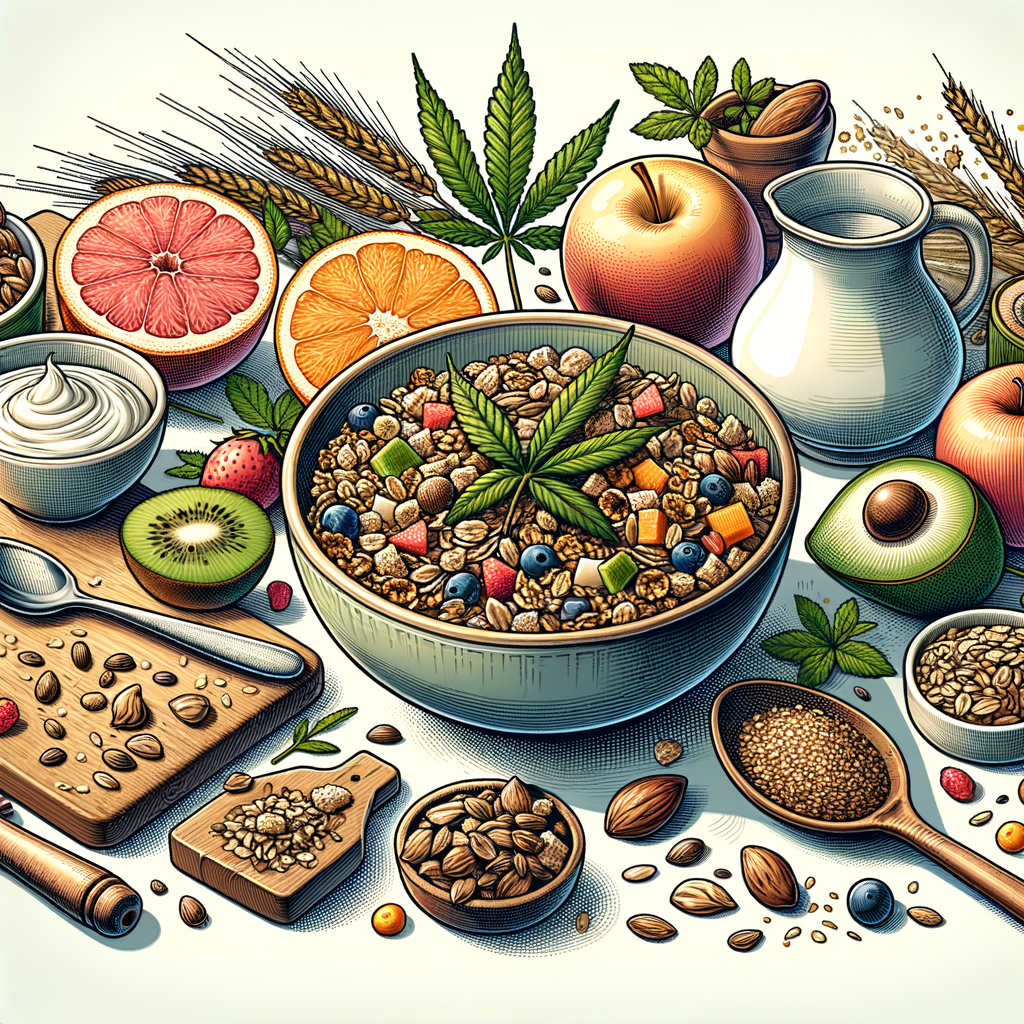

Hemp flour can transform everyday baking by adding protein, fiber, and a nutty flavor, but it behaves very differently from wheat flour, so success depends on understanding its limits and best uses. In practical terms, hemp flour is made by milling hemp seeds after much of their oil has been removed, which creates a soft, nutrient-dense flour with earthy notes and a darker color than all-purpose flour. Bakers often ask whether hemp flour is gluten-free, how much of it to use, and what recipes work best. The direct answer is that hemp flour contains no gluten-forming proteins, so it cannot replace wheat flour one-for-one in most baked goods. Instead, it works best as a partial substitute that improves nutrition and flavor when used strategically.
I have tested hemp flour in muffins, sandwich loaves, pancakes, cookies, and quick breads, and the same pattern shows up every time: the more you treat it like a specialty ingredient rather than a universal flour, the better your results. This matters because home bakers increasingly want ingredient options that offer more than structure alone. Hemp flour contributes plant-based protein, minerals, and fiber, which can support satiety and add substance to baked goods. It also supports recipe variety for people reducing refined flour intake or experimenting with alternative grains and seed flours.
As a hub within Recipes and Cooking Tips, this guide explains what hemp flour is, how it affects texture, moisture, and rise, and how to bake with it confidently. If you are wondering where to start, the short version is simple: blend hemp flour with other flours, increase hydration slightly, expect a denser crumb, and choose recipes where its flavor complements ingredients like banana, cocoa, oats, cinnamon, nuts, and honey. Once you understand those rules, baking with hemp flour becomes predictable instead of frustrating.
What Hemp Flour Is and How It Works in Baking
Hemp flour is usually produced from hemp seeds, often called hemp hearts before processing, after pressing removes a significant portion of the oil. That lower fat content makes the ingredient more shelf-stable than ground whole seeds, although it still contains enough residual oil that freshness matters. Nutritionally, hemp flour is notable for protein and fiber, and it also contributes minerals such as iron, magnesium, and zinc. Because it lacks gluten, it does not create the elastic network that traps gas in yeast bread or gives cakes a light, springy crumb. That single fact explains most of the adjustments bakers need to make.
In a bowl, hemp flour absorbs moisture differently from wheat flour and often feels slightly gritty before hydration evens out during mixing and baking. It darkens batter, adds a green-brown cast, and brings a toasted, earthy flavor that can be pleasant or dominant depending on quantity. In my experience, recipes with strong supporting flavors hide that earthiness best, while delicate vanilla cakes and airy sponge recipes tend to expose it. If you have ever baked with almond flour, oat flour, or buckwheat flour, the learning curve is similar in that structure, moisture balance, and flavor pairing all matter more than with standard white flour.
For searchers asking, “What is hemp flour best used for?” the clearest answer is quick breads, muffins, pancakes, waffles, crackers, brownies, cookies, and rustic loaves made with a blend of flours. It is less effective as the sole flour in recipes that depend on high rise or a very light crumb. That does not make it difficult; it simply means recipe selection is part of technique.
Best Substitution Ratios and When to Use Hemp Flour
The most reliable starting point is to replace 10 to 25 percent of the wheat flour in a recipe with hemp flour. At 10 percent, most batters and doughs keep their familiar texture while gaining color and nutrition. At 20 to 25 percent, the nutty flavor becomes more noticeable and the crumb grows more tender but also heavier. Once you move beyond about one-third of the flour blend, many baked goods become dense, fragile, or dry unless the recipe is built specifically for alternative flours.
For example, if a muffin recipe calls for 200 grams of all-purpose flour, replacing 20 to 40 grams with hemp flour is a safe test range. In pancakes, I often go slightly higher because a thinner batter and griddle cooking are forgiving. In sandwich bread, I stay lower, usually near 10 to 15 percent, because yeast dough needs enough gluten strength to trap fermentation gases. In brownies, where fudgy density is desirable, higher substitution levels can work well if eggs and sugar provide enough structure.
| Recipe Type | Recommended Hemp Flour Share | Why It Works | Key Adjustment |
|---|---|---|---|
| Muffins and quick breads | 15% to 25% | Dense, moist crumb suits hemp flour | Add a little extra liquid |
| Pancakes and waffles | 20% to 30% | Batter format tolerates lower gluten | Let batter rest before cooking |
| Cookies and brownies | 15% to 30% | Texture is already rich and compact | Monitor spread and bake time |
| Yeast breads | 10% to 15% | Preserves enough gluten structure | Use strong bread flour in the blend |
| Cakes | 10% to 15% | Keeps crumb from getting too heavy | Pair with bold flavors |
If you are baking gluten-free, hemp flour should usually be one part of a broader flour system rather than the entire base. I have had better results combining it with oat flour, brown rice flour, sorghum flour, or a reputable gluten-free all-purpose blend that includes starches and binders. Xanthan gum or psyllium husk can help, but they cannot fully compensate for using too much hemp flour in a recipe that needs lift.
How Hemp Flour Changes Texture, Moisture, and Flavor
Hemp flour affects three things immediately: texture becomes denser, moisture demand rises, and flavor gets earthier. That means successful formulas often include more liquid, an extra egg, fruit puree, yogurt, applesauce, or another moisture-retaining ingredient. In testing banana bread, I found that a batter using 20 percent hemp flour baked best with a few extra tablespoons of buttermilk. Without that adjustment, the loaf looked done outside but sliced slightly dry the next day. That is a common pattern because fiber-rich flours continue absorbing moisture after baking.
Texture also depends on mixing. With wheat flour, overmixing can overdevelop gluten and toughen the crumb. With hemp flour, the issue is different: undermixing can leave uneven hydration, while overmixing a blended batter can still make the wheat portion chewy. The best practice is moderate mixing followed by a short rest, usually five to ten minutes for batters. This rest gives the flour time to hydrate, smooths out grit, and often leads to more even baking.
Flavor pairing is where hemp flour really succeeds. It works naturally with cocoa, dark chocolate, espresso, maple syrup, molasses, ripe banana, carrot, pumpkin, oats, pecans, walnuts, sesame, and warm spices like cinnamon and ginger. It is less ideal in recipes built around delicate citrus, plain vanilla, or subtle butter notes unless you use only a small amount. Think of hemp flour the way you would think about rye, buckwheat, or whole wheat pastry flour: a character ingredient, not an invisible one.
Practical Baking Tips for Reliable Results
The simplest tip is to measure by weight. Alternative flours vary in density, and hemp flour can compact in the bag, so grams are more reliable than cups. Use a digital scale and keep notes on hydration, bake time, and crumb. That habit matters because hemp flour brands differ in fineness and fat content, which can subtly change performance. I have used one brand that behaved almost like a soft whole grain flour and another that absorbed liquid much more aggressively.
Second, sift if your flour looks clumpy. Hemp flour can form small lumps during storage, especially if it is very fresh or if ambient humidity is high. Sifting improves distribution and helps batters mix evenly. Third, reduce expectations for dramatic rise. In muffins and quick breads, fill pans appropriately and rely on chemical leaveners that are fresh. Baking powder loses power over time, and dense batters need all the lift they can get.
Fourth, watch color more than the clock. Because hemp flour darkens baked goods, visual cues can be misleading. Use internal temperature when precision matters: many quick breads finish around 200 to 205 degrees Fahrenheit, though formula and pan size affect that range. For cookies and brownies, look for set edges and a center that matches the desired texture rather than waiting for a golden color that may never appear. Fifth, store hemp flour cold. Residual oils make it more perishable than refined flour, so refrigeration or freezing helps prevent rancidity and preserves flavor.
One more tip from repeated testing: if a hemp flour recipe tastes slightly bitter, the issue is often oxidation or overbaking rather than the ingredient itself. Fresh flour should taste nutty and earthy, not harsh. Buy from brands with clear packaging dates when possible and smell the flour before baking.
Best Recipes to Start With and Common Mistakes to Avoid
If you are new to baking with hemp flour, start with banana bread, zucchini muffins, oatmeal pancakes, double-chocolate cookies, or fudgy brownies. These recipes have enough moisture and flavor support to showcase the flour without punishing small errors. A simple example is replacing 25 grams of the flour in your usual pancake recipe with hemp flour, then resting the batter for ten minutes before cooking. The pancakes come out slightly darker, pleasantly nutty, and more filling, with very little technique change.
The most common mistake is using too much hemp flour too quickly. People often assume any flour can be swapped cup for cup, then end up with heavy loaf cakes or dry muffins. The second mistake is ignoring liquid balance. If the batter seems thicker than usual, it probably is, and a splash of milk, kefir, or water can improve final texture. The third mistake is pairing hemp flour with flavors too mild to support it. Match intensity with intensity.
Another avoidable error is poor storage. Because hemp flour contains residual fats, it can stale faster than standard flour in a warm pantry. Keep it sealed, cold, and away from light. Also, check whether the product is labeled hemp flour, hemp seed flour, or finely milled hemp protein flour, because grind and composition vary. A protein-focused powder is not always interchangeable with a traditional baking flour. As this hub expands, link outward to detailed recipes and troubleshooting guides so readers can move from fundamentals to specific applications with confidence.
Conclusion
Hemp flour is best understood as a high-value supporting flour that adds nutrition, color, and a distinctive nutty taste when used with intention. The core rules are straightforward: substitute modestly, blend with other flours, increase moisture when needed, rest batters for hydration, and choose recipes that welcome a denser crumb and earthy flavor. From muffins and pancakes to cookies and quick breads, those principles consistently produce better results than treating hemp flour as a direct stand-in for all-purpose flour.
For home bakers, the main benefit is not just novelty. It is the ability to build more flavorful, more substantial baked goods while expanding your ingredient range. Start with a 15 to 20 percent substitution in a recipe you already know well, record the outcome, and adjust one variable at a time. That method removes guesswork and helps you learn how your preferred brand behaves.
Use this guide as your central reference for baking with hemp flour, then explore the related recipes and cooking tips in this subtopic to put the techniques into practice. Pick one dependable recipe this week, make a small hemp flour swap, and build from there.
Frequently Asked Questions
Is hemp flour gluten-free, and can it replace regular flour in gluten-free baking?
Hemp flour is naturally gluten-free because it is made from hemp seeds rather than wheat, barley, or rye. That makes it a useful ingredient for people avoiding gluten, but it is important to understand that “gluten-free” does not automatically mean it can be used as a direct one-to-one substitute for conventional flour. Hemp flour contains no gluten-forming proteins, so it does not create the same stretchy structure that gives breads, muffins, and cakes their familiar texture. Instead, it brings protein, fiber, moisture absorption, and a distinctive nutty flavor.
In gluten-free baking, hemp flour usually works best as part of a flour blend rather than as the only flour in a recipe. Combining it with ingredients such as oat flour, rice flour, almond flour, tapioca starch, or potato starch typically produces better texture and lift. Because hemp flour is relatively dense and earthy, using too much can make baked goods heavy or crumbly. For most recipes, it is best treated as a supporting flour that improves nutrition and flavor rather than the primary structural ingredient. Also, if you are baking for someone with celiac disease or severe gluten sensitivity, check the package for certified gluten-free labeling, since cross-contact can happen during processing.
How much hemp flour should I use when substituting it for all-purpose flour?
A good rule of thumb is to replace about 10% to 25% of the all-purpose flour in a recipe with hemp flour. That range gives you the nutritional benefits and nutty taste of hemp flour without dramatically changing the texture of the final product. Starting at the lower end is especially smart if you are trying a recipe for the first time, because hemp flour behaves differently from wheat flour and can make baked goods denser if overused.
For example, if a recipe calls for 2 cups of all-purpose flour, try substituting 1/4 to 1/2 cup of hemp flour and using regular flour or another baking flour for the remainder. Quick breads, pancakes, brownies, cookies, muffins, and snack bars generally tolerate hemp flour better than yeast breads or delicate cakes. If you push the substitution too high, the batter may become thicker, the crumb may turn more compact, and the flavor can become stronger and more earthy than intended. In many cases, slightly increasing the liquid, adding an extra egg, or including a binding ingredient such as yogurt, mashed banana, applesauce, or ground flax can help balance the texture.
What kinds of recipes work best with hemp flour?
Hemp flour performs best in recipes where a tender, slightly rustic texture is welcome and where its nutty, earthy flavor can complement the other ingredients. Some of the best uses include muffins, pancakes, waffles, cookies, brownies, banana bread, zucchini bread, crackers, granola bars, and energy bites. In these recipes, hemp flour adds depth of flavor and boosts protein and fiber without needing to carry the entire structure of the bake.
It is generally less successful as the main flour in airy cakes, flaky pastries, or classic yeast breads, because those recipes rely more heavily on gluten development or a very light crumb. That does not mean you cannot use hemp flour in bread at all, but it usually needs to be blended with bread flour or another strong base flour to avoid a dense loaf. Recipes that already include bold flavors such as cocoa, cinnamon, nuts, seeds, maple syrup, or ripe fruit tend to pair especially well with hemp flour. If you are experimenting, start with hearty baked goods and adjust from there. That approach gives you the best chance of success while helping you learn how hemp flour affects moisture, color, flavor, and texture.
Why do baked goods with hemp flour sometimes turn out dense or dry, and how can I fix that?
Dense or dry results usually happen because hemp flour is high in fiber and protein but does not contain gluten. That combination means it absorbs moisture well, yet does not provide the elastic structure that wheat flour does. When too much hemp flour is used, the batter or dough can become heavy, and the final baked good may not rise well. The darker color of hemp flour can also make doneness harder to judge, which sometimes leads to overbaking and extra dryness.
To improve results, first reduce the amount of hemp flour and use it as a partial substitute instead of the main flour. Next, pay attention to hydration. Many recipes benefit from a small increase in liquid, fat, or moisture-rich ingredients when hemp flour is added. Eggs, oil, butter, yogurt, sour cream, fruit puree, and nut butters can all help create a softer crumb. You should also avoid overmixing, especially in recipes that still contain wheat flour, since overmixing can make texture less pleasant. Finally, watch bake time closely and test early with a toothpick or by checking for set edges and a springy center. Small adjustments often make a big difference with hemp flour, so it pays to tweak gradually rather than make major substitutions all at once.
How should hemp flour be stored, and does it go bad faster than regular flour?
Yes, hemp flour can spoil faster than many standard flours because it is made from seeds and still contains delicate components that are more sensitive to heat, light, and air. Even though much of the oil is removed during processing, hemp flour is still more perishable than highly refined white flour. If stored improperly, it can develop off flavors, bitterness, or a stale smell. That is why proper storage matters if you want consistent baking results and good flavor.
For best quality, keep hemp flour in an airtight container in a cool, dark place, and consider refrigerating or freezing it if you do not use it often. The refrigerator is a very practical choice for regular home bakers, while the freezer is ideal for longer-term storage. Always check the package for manufacturer guidance and use-by dates, and give the flour a quick smell before baking. Fresh hemp flour should have a mild, nutty, earthy aroma. If it smells sour, paint-like, or unusually bitter, it is best not to use it. Storing it carefully not only extends shelf life, but also helps preserve the flavor and nutritional value that make hemp flour such a useful addition to everyday baking.