When it comes to nutrient-dense foods that can offer significant health benefits, hemp seeds are often overlooked. However, these tiny seeds pack a punch and can play a crucial role in enhancing digestive health. In this article, we will explore the various ways in which hemp seeds support and improve digestion. Whether you’re looking to boost your fiber intake, support healthy gut bacteria, or alleviate digestive discomfort, hemp seeds could be the answer.
Despite their small size, hemp seeds are rich in a variety of nutrients that can have a profound impact on your overall well-being. They are an excellent source of protein, healthy fats, and essential fatty acids like omega-3 and omega-6. Additionally, hemp seeds contain plenty of fiber, which is crucial for maintaining a healthy digestive system.
But how exactly do hemp seeds aid in digestion? To provide a comprehensive understanding, we will delve into the specifics of fiber content, gut health, and the seeds’ anti-inflammatory properties. By the end of this article, you will have a clear understanding of why you should consider integrating hemp seeds into your daily diet for improved digestive health.
The Fiber Factor
One of the most significant benefits of hemp seeds when it comes to digestion is their high fiber content. Just three tablespoons of hemp seeds provide you with approximately 1.2 grams of fiber. Dietary fiber is essential for maintaining regular bowel movements and preventing constipation.
There are two types of dietary fiber: soluble and insoluble. Hemp seeds contain a mix of both. Soluble fiber absorbs water, forming a gel-like substance in your digestive tract, which helps to slow down digestion. This can be particularly beneficial for regulating blood sugar levels and maintaining healthy cholesterol levels. On the other hand, insoluble fiber adds bulk to your stool, making it easier to pass and thereby preventing constipation.
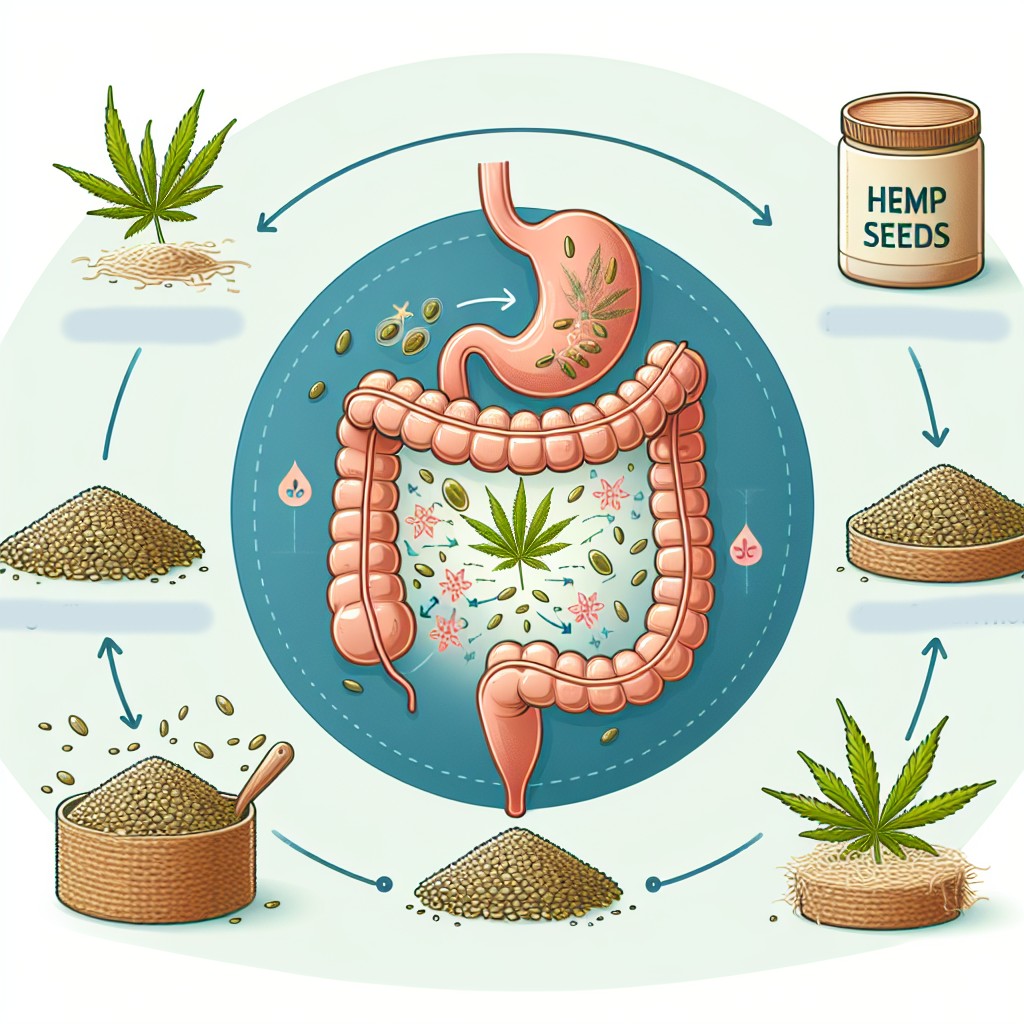
Furthermore, fiber acts as a prebiotic, which means it serves as food for the beneficial bacteria in your gut. These good bacteria are essential for breaking down food, absorbing nutrients, and protecting against harmful bacteria. By keeping your gut microbiota healthy, you can improve digestion and enhance your overall health.
Increasing your fiber intake by incorporating hemp seeds into your diet can lead to a healthier digestive system, more regular bowel movements, and reduced risk of digestive ailments such as diverticulitis and irritable bowel syndrome (IBS).
Promoting Healthy Gut Bacteria
As previously mentioned, the fiber in hemp seeds acts as a prebiotic, fostering a thriving population of healthy gut bacteria. But what exactly does this mean for your digestion? Healthy gut bacteria are fundamental for breaking down food and absorbing nutrients, influencing everything from your immunity to your mood. By promoting a balanced gut microbiome, you are setting a solid foundation for optimal digestive function.
Healthy gut bacteria also play an important role in preventing the overgrowth of harmful bacteria, yeast, and fungi. These pathogenic microorganisms can disrupt digestion and lead to issues such as bloating, gas, and infections. By ensuring that you have a healthy population of good bacteria, you can inhibit the growth of these undesirable organisms, thereby maintaining a balanced gut environment.
The omega-3 fatty acids in hemp seeds have been shown to promote the growth of beneficial bacteria while inhibiting the proliferation of harmful ones. These fatty acids have anti-inflammatory properties that can soothe the digestive tract, reducing symptoms of gut-related disorders such as Crohn’s disease and ulcerative colitis.
Adding hemp seeds to your diet can thus contribute to a balanced gut microbiome, enhancing nutrient absorption and reducing digestive discomfort. Whether you sprinkle them on your salad, blend them into your smoothie, or bake them into your snacks, hemp seeds are a fantastic addition to your dietary regimen.
Anti-inflammatory Properties
Inflammation can wreak havoc on your digestive system, leading to conditions such as inflammatory bowel disease (IBD), gastritis, and even irritable bowel syndrome (IBS). Fortunately, hemp seeds are packed with anti-inflammatory compounds that can help reduce inflammation and promote a healthy digestive system.
The primary anti-inflammatory agents in hemp seeds are omega-3 fatty acids, which have been shown to reduce inflammation in the gut. These fatty acids can diminish the production of inflammatory cytokines, molecules that play a significant role in chronic inflammation. By lowering the levels of these cytokines, omega-3 fatty acids can alleviate symptoms associated with digestive disorders such as bloating, cramping, and abdominal pain.
Additionally, hemp seeds contain gamma-linolenic acid (GLA), another powerful anti-inflammatory compound. GLA is a type of omega-6 fatty acid that can help reduce inflammation by converting into anti-inflammatory molecules known as prostaglandins. This makes hemp seeds particularly beneficial for individuals suffering from IBD, as GLA has been shown to reduce the severity of symptoms and promote tissue healing.
Incorporating hemp seeds into your diet could be a natural way to manage and reduce inflammation in your digestive system. Whether you are dealing with a chronic condition or simply want to enhance your digestive health, the anti-inflammatory properties of hemp seeds make them a valuable addition to any diet.
Optimal Nutrient Absorption
Hemp seeds contribute to optimal nutrient absorption through their rich content of essential vitamins and minerals. One of these key nutrients is zinc, a mineral that plays an essential role in maintaining gut health. Zinc is involved in various digestive processes, including enzyme production, stomach acid regulation, and cell repair, all of which are critical for efficient nutrient absorption. By providing a good source of zinc, hemp seeds support these digestive functions, ensuring that your body can absorb nutrients more effectively.
Furthermore, the presence of omega-3 and omega-6 fatty acids in hemp seeds can aid in the absorption of fat-soluble vitamins such as vitamins A, D, E, and K. These vitamins play crucial roles in various bodily functions, including immune support, bone health, and cell repair. Omega-3 fatty acids also help improve the integrity of the gut lining, ensuring that your digestive system can efficiently absorb all essential nutrients.
In addition to aiding lipid absorption, hemp seeds contain essential amino acids that are vital for protein synthesis. Proteins are essential for the maintenance and repair of body tissues, and efficient protein absorption is crucial for overall health. By providing all nine essential amino acids, hemp seeds help ensure that your body can properly synthesize proteins, supporting muscle growth, tissue repair, and enzymatic functions.
In summary, by incorporating hemp seeds into your diet, you can not only enhance digestion but also improve nutrient absorption, leading to better overall health. This makes hemp seeds a versatile and valuable addition to any balanced diet.
Conclusion
In conclusion, hemp seeds are a powerful superfood that offer numerous benefits for digestive health. Through their high fiber content, they help regulate bowel movements and promote a healthy gut microbiome. The prebiotic properties of fiber, in combination with the anti-inflammatory benefits of omega-3 fatty acids and gamma-linolenic acid, make hemp seeds a must-have for anyone looking to improve their digestive health.
Furthermore, the essential vitamins and minerals found in hemp seeds support optimal nutrient absorption, ensuring that you get the most out of the foods you eat. From improving bowel regularity to reducing inflammation and promoting the growth of healthy gut bacteria, hemp seeds are a versatile and beneficial addition to your diet.
If you are looking to enhance your digestive health naturally, integrating hemp seeds into your daily regimen is a wise choice. Whether sprinkled on top of your yogurt, blended into a smoothie, or mixed into your salads, these tiny seeds can have a big impact on your overall well-being.
So, the next time you are looking for a functional and nutritious food to elevate your digestive health, think of hemp seeds. They are not just a trend; they are a sustainable and potent addition to a healthy lifestyle. With their numerous digestive benefits, there is every reason to make hemp seeds a staple in your kitchen.