Hemp, a variety of the Cannabis sativa plant species, has been cherished for its versatile uses and impressive health benefits for centuries. While it’s often mistaken for its psychoactive cousin marijuana, hemp contains only trace amounts of THC, the compound responsible for the high associated with cannabis. Instead, hemp is rich in nutrients, fibers, and compounds known for their healing properties, particularly cannabidiol (CBD). Among its numerous benefits, hemp stands out for its powerful anti-inflammatory properties, which can play a crucial role in pain relief and overall wellness.
For those dealing with chronic pain, inflammation is a double-edged sword: it’s a natural response to injury or infection, but when it becomes chronic, it can lead to a host of health issues and significantly diminish quality of life. This is where hemp’s anti-inflammatory benefits shine. By incorporating hemp foods into one’s diet, individuals can harness these properties to mitigate pain, support recovery, and improve general well-being.
In this comprehensive guide, we will delve into how hemp foods contribute to pain relief through their natural anti-inflammatory benefits. We will explore the key compounds in hemp that facilitate these effects, understand the scientific evidence supporting these claims, and provide practical insights on integrating hemp foods into your daily routine for maximum benefit. Whether you’re a seasoned hemp enthusiast or just starting to explore this natural wonder, this article will offer valuable information to help you leverage hemp for pain relief.
The Science Behind Hemp’s Anti-Inflammatory Properties
Hemp’s reputation as a powerful anti-inflammatory agent primarily hinges on its rich content of cannabidiol (CBD) and other cannabinoids. These compounds interact with the body’s endocannabinoid system (ECS), which plays a pivotal role in regulating various physiological processes, including pain sensation and immune function. The ECS consists of receptors, endocannabinoids, and enzymes that work together to maintain balance within the body.
One of the key mechanisms through which CBD exhibits anti-inflammatory effects is by modulating the ECS. CBD binds to CB2 receptors, which are predominantly found in the immune system. This interaction helps regulate immune responses, thereby reducing inflammation. Additionally, CBD can inhibit the activity of enzymes like COX-2, known to promote inflammation, without causing the gastrointestinal issues commonly associated with traditional anti-inflammatory medications such as NSAIDs (Non-Steroidal Anti-Inflammatory Drugs).
Another important aspect of hemp’s anti-inflammatory properties is its rich profile of omega-3 and omega-6 fatty acids, particularly gamma-linolenic acid (GLA). These essential fatty acids are known to support the reduction of inflammation by influencing the production of anti-inflammatory molecules called prostaglandins. By maintaining a balanced ratio of omega-3 to omega-6, hemp foods help modulate inflammatory responses and support overall cardiovascular and joint health.
Scientific Evidence Supporting Hemp’s Anti-Inflammatory Benefits
The scientific community has increasingly turned its attention to hemp’s potential in recent years, resulting in a growing body of research that supports its anti-inflammatory benefits. Several studies have documented the effectiveness of CBD, one of hemp’s primary compounds, in reducing inflammation and managing pain.
For instance, a study published in the Journal of Experimental Medicine found that CBD significantly reduced chronic inflammatory and neuropathic pain in rodent models without causing tolerance. This is a key finding as it suggests that CBD can provide sustained relief without the diminishing effects typical of conventional pain medications.
In another study published in the European Journal of Pain, researchers discovered that topical CBD application could help alleviate pain and inflammation associated with arthritis. The study’s findings indicate that CBD not only reduces inflammatory markers but also improves mobility and comfort in affected joints.
These studies are further bolstered by anecdotal evidence from individuals who have experienced significant pain relief through hemp food consumption. Whether it’s through direct supplementation with CBD oil or incorporating hemp seeds and hemp protein into their diet, many people report improvements in pain levels, joint flexibility, and overall comfort.
Incorporating Hemp Foods into Your Diet
Integrating hemp foods into your daily routine can be a simple yet effective way to leverage their anti-inflammatory benefits. Hemp foods come in a variety of forms, each offering unique nutritional profiles and benefits.
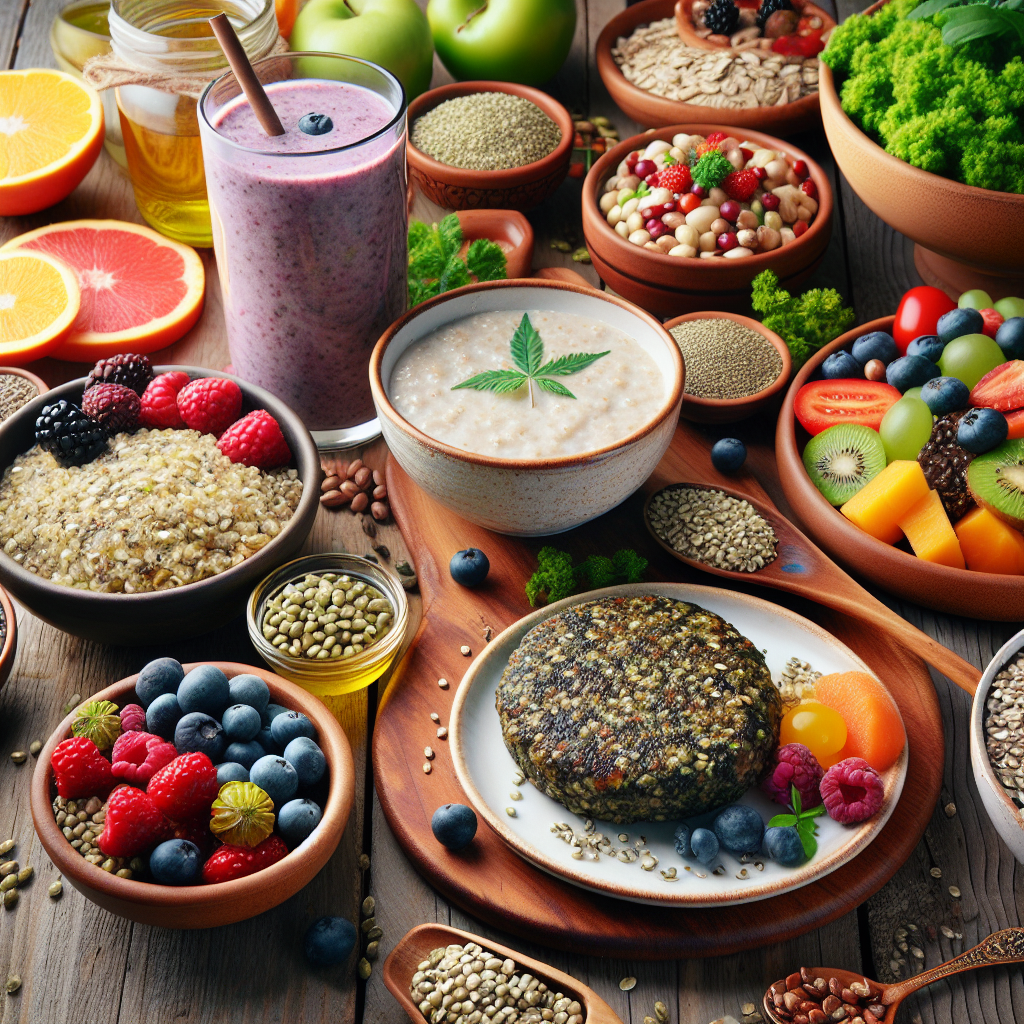
Hemp Seeds: These little powerhouses are packed with essential fatty acids, complete proteins, and minerals. They can be sprinkled over salads, blended into smoothies, or added to yogurt and oatmeal for a nutritional boost.
Hemp Protein Powder: For those looking to increase their protein intake, hemp protein powder is an excellent choice. It’s easily digestible and can be used in shakes, baked goods, or as an addition to other recipes that call for protein powder.
Hemp Oil: Rich in omega-3 and omega-6 fatty acids, hemp oil can be used as a dressing for salads, drizzled over cooked vegetables, or incorporated into dips and sauces. It’s worth noting that hemp oil should not be used for high-heat cooking to preserve its nutritional integrity.
CBD Oil: For targeted pain relief, CBD oil can be taken sublingually (under the tongue) or added to foods and beverages. It’s available in various concentrations, so it’s advisable to start with a lower dose and gradually increase as needed.
Potential Side Effects and Considerations
While hemp foods are generally considered safe and well-tolerated, it’s important to be aware of potential side effects and considerations, especially when incorporating hemp-based products into your diet for the first time.
Some individuals may experience mild side effects such as digestive discomfort, changes in appetite, or fatigue. These effects are typically temporary and can often be mitigated by adjusting the dosage or frequency of consumption. For those on medication or with existing health conditions, it’s prudent to consult with a healthcare provider before integrating hemp products to avoid potential interactions.
Quality and sourcing are critical when selecting hemp foods and CBD products. Ensure that products are sourced from organic, non-GMO hemp and undergo third-party testing for purity and potency. Transparent labeling and certifications from reputable organizations are indicators of high-quality products.
Finally, dosage can vary depending on individual needs and responses. Starting with a low dose and gradually increasing allows for personalized and effective pain management without overwhelming the body’s systems.
Personal Experiences and Testimonials
Many individuals suffering from chronic pain have turned to hemp foods and CBD products for relief, and their testimonials underscore the efficacy of these natural remedies.
Susan, a 45-year-old office worker, struggled with chronic back pain due to long hours of sedentary work. After incorporating hemp seeds into her breakfast and using CBD oil daily, she noticed a significant reduction in pain intensity and improved flexibility, allowing her to maintain productivity without discomfort.
Mark, a former athlete, dealt with joint pain from old sports injuries. He started using hemp protein powder post-workout and applied topical CBD cream to affected areas. Mark reports that his joint pain has diminished, and he now experiences less stiffness and more ease in movement.
These personal accounts are supported by countless others who have found relief through hemp foods, highlighting the plant’s potential as an effective and natural solution for pain management and inflammation control.
Conclusion: Embracing Hemp for a Healthier, Pain-Free Life
Hemp foods offer a natural and potent means of managing inflammation and pain, thanks to their rich content of CBD, essential fatty acids, and other beneficial compounds. By understanding the science behind hemp’s anti-inflammatory properties and integrating these foods into your diet, you can tap into their healing potential for a healthier, more comfortable life.
From reducing chronic pain to improving joint health and overall wellness, hemp foods present a promising alternative to conventional medications, often without the associated side effects. Embracing hemp is not just about finding relief from pain but also about promoting balance and well-being throughout the body.
Incorporate hemp foods into your daily routine, be mindful of dosage and quality, and consult with healthcare professionals as needed to fully benefit from this remarkable plant. As research continues to uncover the myriad benefits of hemp, there’s no better time to explore its potential and improve your quality of life naturally.