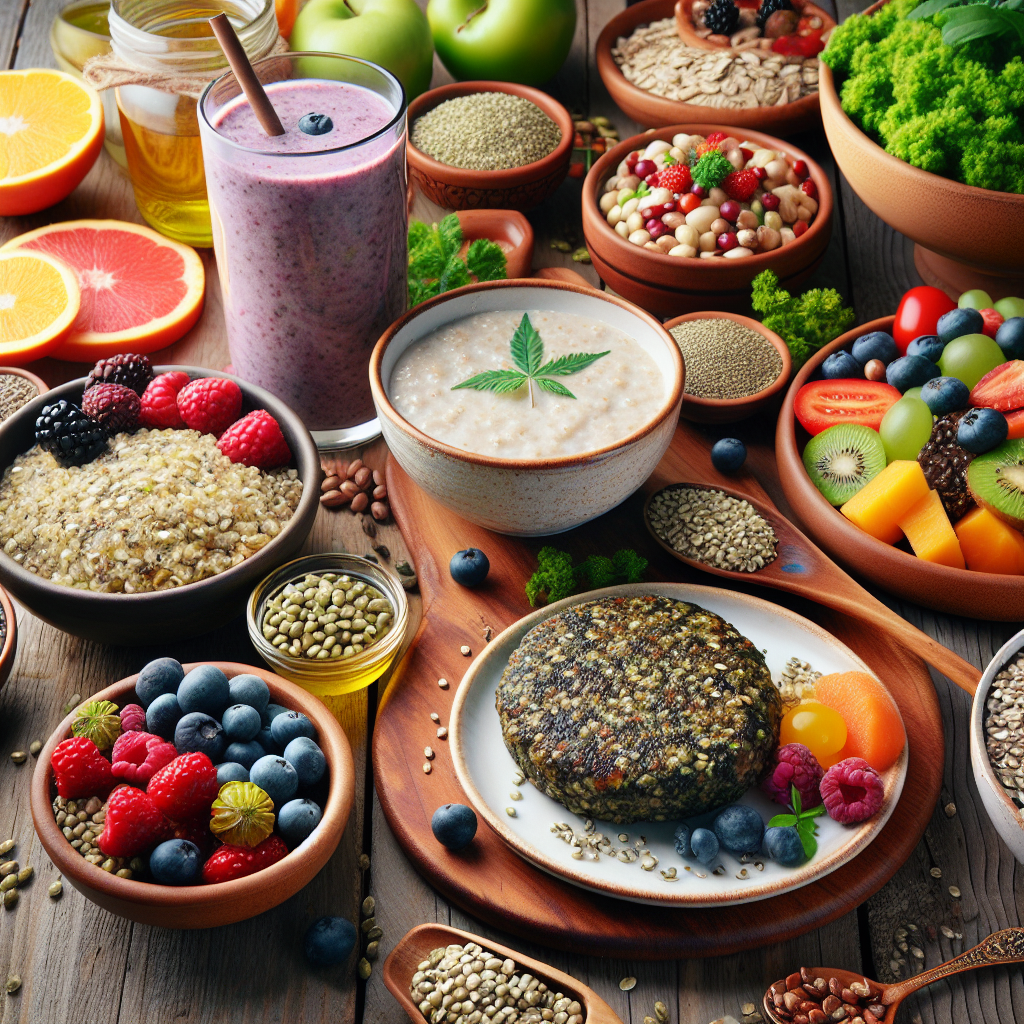
In the wellness community, hemp oil has increasingly gained recognition for its potential health benefits. Derived from the seeds of the hemp plant (Cannabis sativa), hemp oil is rich in a variety of essential nutrients, including omega-3 and omega-6 fatty acids. One of its standout benefits is its potential anti-inflammatory properties, which have piqued the interest of health enthusiasts and researchers alike. Unlike its relative CBD oil, hemp oil contains little to no cannabinoids like THC or CBD, making it primarily a dietary supplement with a variety of nutritional advantages.
Chronic inflammation is a pervading issue in today’s society, often linked to numerous health conditions such as arthritis, heart disease, diabetes, and even certain cancers. Inflammation is the body’s natural response to injury or infection; however, when it becomes chronic, it can cause significant harm to one’s health. Traditional anti-inflammatory medications often come with a host of side effects, leading individuals to seek natural alternatives. This is where hemp oil enters the scene.
Our discussion aims to delve into the science behind hemp oil and its role as an anti-inflammatory supplement. We’ll explore what inflammation entails, the nutritional composition of hemp oil, and how its components contribute to reducing inflammation. Additionally, we’ll examine scientific studies that support these claims, provide practical tips on how to incorporate hemp oil into your diet, and highlight any potential side effects and considerations.
So, whether you’re a seasoned wellness guru or just beginning to explore natural health remedies, this comprehensive guide will offer valuable insights into how hemp oil can support your journey towards better health and well-being.
Understanding Inflammation
Inflammation is a complex biological response to harmful stimuli such as pathogens, damaged cells, or irritants. It is the body’s attempt to remove the injurious stimuli and initiate the healing process. Essentially, inflammation is a protective mechanism involving immune cells, blood vessels, and molecular mediators.
There are two types of inflammation: acute and chronic. Acute inflammation is the immediate response to an injury or infection, characterized by redness, heat, swelling, pain, and loss of function. It generally subsides as the body heals. On the other hand, chronic inflammation is prolonged and can last for months or even years, often leading to various diseases and conditions such as rheumatoid arthritis, cardiovascular diseases, and even cancer.
The body produces specific molecules known as inflammatory mediators—cytokines, prostaglandins, and leukotrienes—to facilitate the inflammatory process. While these mediators play a crucial role in fighting off infections and promoting healing, excessive production, and accumulation of these molecules can lead to tissue damage and chronic diseases.
Maintaining a balance in the inflammatory response is crucial for overall health. This is where anti-inflammatory dietary supplements like hemp oil come in. By incorporating such natural supplements, individuals can support their body’s regulation of inflammation, potentially reducing the risk of chronic diseases and promoting overall health.
The Nutritional Composition of Hemp Oil
To understand hemp oil’s anti-inflammatory properties, it’s essential to delve into its nutritional composition. Hemp oil is derived from cold-pressed hemp seeds, and it boasts a rich profile of nutrients and bioactive compounds.
One of the most notable components of hemp oil is its high content of polyunsaturated fatty acids (PUFAs), particularly omega-3 and omega-6 fatty acids. These fatty acids are essential for health and must be obtained through diet. Hemp oil contains them in an optimal ratio of roughly 3:1, respectively, which is considered ideal for maintaining a balance in the body.
Additionally, hemp oil is a source of gamma-linolenic acid (GLA), a type of omega-6 fatty acid known for its anti-inflammatory properties. GLA has been shown to help mitigate the effects of chronic inflammation and support immune function.
Beyond fatty acids, hemp oil is rich in antioxidants such as vitamin E, which helps protect the body against oxidative stress and inflammation. Phytosterols, present in hemp oil, also contribute to its anti-inflammatory effects by modulating immune response and reducing the production of pro-inflammatory mediators.
Together, these nutritional components create a potent anti-inflammatory agent, making hemp oil a valuable addition to a health-conscious lifestyle.
Scientific Studies on Hemp Oil’s Anti-Inflammatory Effects
The health benefits of hemp oil have been the subject of numerous scientific studies. Research indicates hemp oil’s efficacy in reducing inflammation through various mechanisms.
A study published in the “Journal of Dietary Supplements” explored the effects of hemp oil supplementation on inflammation and chronic pain in humans. The findings suggested that participants experienced a significant reduction in inflammatory markers and pain levels, highlighting hemp oil’s potential as a natural anti-inflammatory agent.
In another study, published in the “European Journal of Pharmacology,” researchers examined the impact of hemp oil on inflammatory processes in rats. The results demonstrated that hemp oil significantly reduced inflammation by inhibiting the production of pro-inflammatory cytokines and enhancing anti-inflammatory pathways.
Furthermore, research documented in the “Journal of Experimental Medicine” analyzed the effects of hemp-derived fatty acids on inflammatory diseases. The study found that regular consumption of hemp oil could help modulate immune responses and reduce the severity of inflammatory diseases such as rheumatoid arthritis and inflammatory bowel disease.
These studies collectively signify hemp oil’s potential in managing inflammation and supporting overall health. However, it’s essential to acknowledge that while findings are promising, more clinical trials on larger populations are needed to fully understand the scope of hemp oil’s benefits and establish standardized dosages.
How to Incorporate Hemp Oil into Your Diet
Incorporating hemp oil into your daily diet is simple and straightforward. Its mild, nutty flavor makes it a versatile component in various culinary applications.
One of the easiest ways to incorporate hemp oil into your diet is by using it as a salad dressing. Combine it with vinegar or lemon juice, a pinch of salt, and your favorite herbs for a delicious and nutrient-rich dressing. Additionally, hemp oil can be drizzled over cooked vegetables, soups, or pasta dishes to enhance their nutritional value.
Hemp oil is also suitable for blending into smoothies and shakes. Simply add a tablespoon to your favorite fruit or vegetable smoothie to boost its omega fatty acid content. It can also be used as an ingredient in homemade hummus, pesto, or as a finishing touch on avocado toast.
However, it’s important to note that hemp oil should not be used for cooking at high temperatures, as excessive heat can degrade its beneficial fatty acids and reduce its nutritional value. Instead, use it in raw or lightly cooked dishes to maintain its integrity and maximize its health benefits.
Potential Side Effects and Considerations
While hemp oil is generally considered safe for most people, it’s important to be aware of potential side effects and considerations before adding it to your diet.
Hemp oil’s high polyunsaturated fat content means that consuming it in excessive amounts could potentially lead to an imbalance in fatty acid intake. Therefore, it’s advisable to consume it in moderation and as part of a balanced diet.
Some individuals might experience digestive issues such as stomach cramps, diarrhea, or bloating when they first start using hemp oil. It is recommended to start with a smaller dose and gradually increase it to allow your body to adapt.
Additionally, anyone with a known allergy to hemp or related plants should avoid using hemp oil. If you are pregnant, nursing, or taking medication for a preexisting condition, it’s always best to consult with a healthcare provider before incorporating new supplements into your routine.
Lastly, it’s crucial to source high-quality hemp oil from reputable suppliers to ensure purity and potency. Look for brands that provide third-party testing and offer transparency regarding their sourcing and extraction practices.
Conclusion
Chronic inflammation is a pervasive issue that can lead to numerous health complications. While traditional anti-inflammatory medications serve their purpose, the search for natural alternatives like hemp oil offers promising prospects for managing inflammation and promoting overall health.
Hemp oil, derived from the seeds of the hemp plant, is rich in essential fatty acids, antioxidants, and other bioactive compounds that contribute to its anti-inflammatory properties. Scientific studies support its potential efficacy in reducing inflammatory markers and modulating immune responses.
Incorporating hemp oil into your diet is straightforward and can be done in various delicious and creative ways. However, it’s vital to use it in moderation and be mindful of potential side effects. Always ensure you source high-quality hemp oil and consult with a healthcare provider if you have any preexisting conditions or concerns.
By leveraging the anti-inflammatory benefits of hemp oil, individuals can potentially enhance their well-being, alleviate chronic inflammation, and enjoy a healthier, more balanced life. As research continues to unfold, hemp oil may well establish itself as a staple in natural health and wellness regimens.