

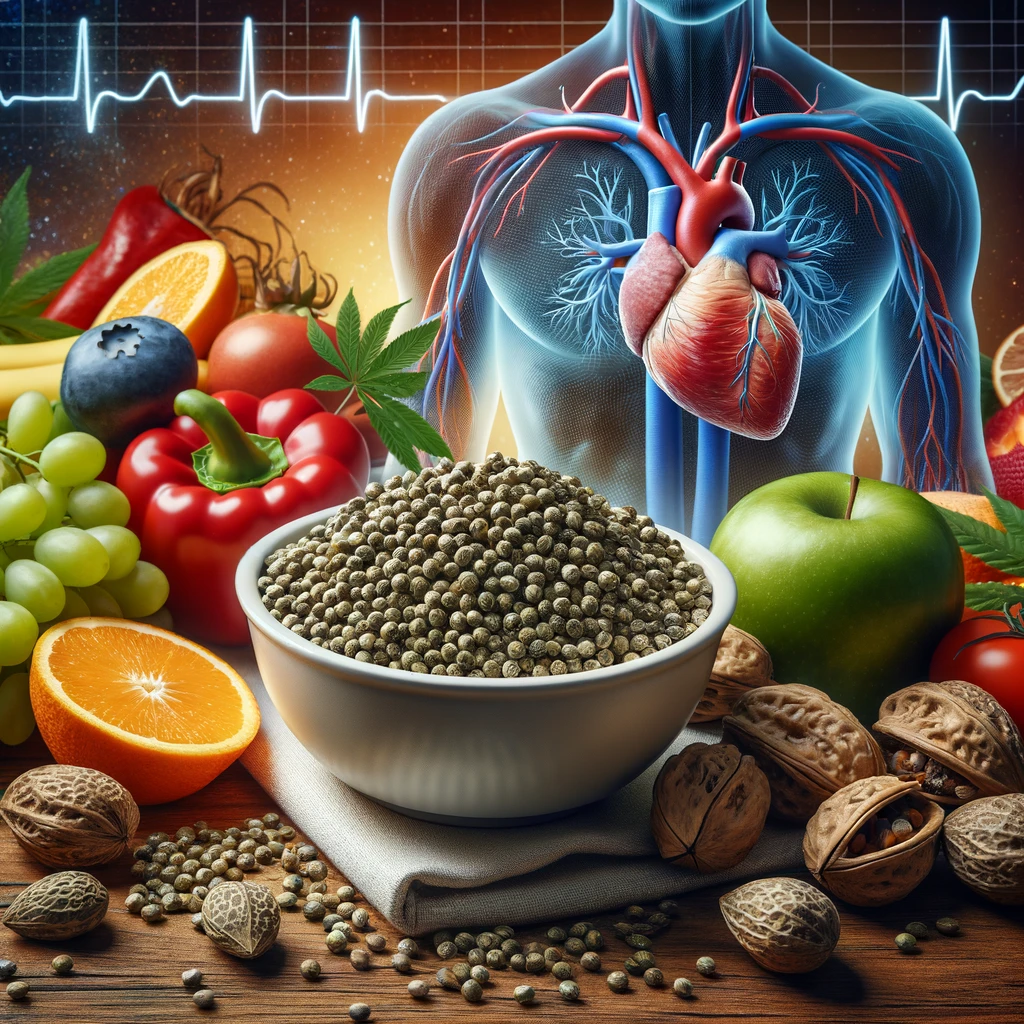
Heart disease remains one of the leading causes of death worldwide, prompting continual exploration for effective preventive measures and treatments. While modern medicine offers various solutions, individuals increasingly turn to natural remedies and dietary changes to bolster heart health. Among these natural options, hemp seeds have emerged as a noteworthy contender. These small yet nutritionally packed seeds offer an array of heart-healthy benefits, owing to their rich content of essential fatty acids, protein, fiber, and various vitamins and minerals. In this article, we will dive deep into how hemp seeds can support cardiovascular health, exploring their nutritional profile, scientific studies, and practical ways to integrate them into your diet.
Understanding Hemp Seeds: A Nutritional Powerhouse
Hemp seeds come from the hemp plant, a variety of Cannabis sativa, which has been cultivated for thousands of years for its fibers, oils, and seeds. Unlike marijuana, which is a different variety of the same plant species, hemp seeds contain only trace amounts of THC, the psychoactive compound. Nutritionally, hemp seeds are notable for their balanced and complete protein content. They provide all nine essential amino acids that the human body cannot produce on its own. Additionally, they are rich in omega-3 and omega-6 fatty acids, especially in a ratio that is considered optimal for human health.
Moreover, hemp seeds are packed with vitamins and minerals such as vitamin E, magnesium, phosphorus, and potassium. These nutrients play crucial roles in maintaining heart health by ensuring proper muscle function, including that of the heart, and by contributing to better immune system function. The presence of fiber in hemp seeds also assists in reducing bad cholesterol levels, which is vital for cardiovascular health.
The Role of Omega Fatty Acids in Heart Health
One of the standout features of hemp seeds is their rich content of omega-3 and omega-6 fatty acids. These essential fatty acids are known to offer multiple heart health benefits when consumed in the right proportions. The typical Western diet tends to be high in omega-6 fatty acids but low in omega-3s, which can lead to inflammation and various heart issues over time. Hemp seeds, however, provide a balanced ratio of these fatty acids, typically around 3:1, which is considered ideal for heart health.
Omega-3 fatty acids are particularly known for their anti-inflammatory properties, which can help reduce the risk of developing heart disease by managing chronic inflammation. They also play a significant role in reducing blood clotting and lowering blood pressure. On the other hand, omega-6 fatty acids, when consumed in moderation and balanced with omega-3s, contribute to lowering LDL (bad) cholesterol levels while maintaining HDL (good) cholesterol levels. Thus, the balanced fatty acid content in hemp seeds is crucial for preventing atherosclerosis and improving overall cardiovascular function.
Protein Power: Supporting Heart Health
Protein is often associated with muscle building and repair, but its benefits extend far beyond that, especially for heart health. Hemp seeds are a complete source of protein, providing all essential amino acids. This makes them an excellent dietary addition for those looking to maintain or improve their cardiovascular health. Amino acids are the building blocks of proteins, and some of these amino acids, such as arginine, play specific roles in heart health.
Arginine, found abundantly in hemp seeds, is a precursor to nitric oxide, a molecule that helps relax blood vessels, thereby improving blood flow and lowering blood pressure. This vasodilating effect reduces the risk of heart attacks and strokes. Additionally, the high protein content of hemp seeds helps maintain lean muscle mass, which is crucial for metabolic health and, consequently, cardiovascular health. Including hemp seeds in your diet can, therefore, contribute to improved heart function and reduced risk of cardiovascular diseases.
Vitamins and Minerals: The Unsung Heroes
While the fatty acids and proteins in hemp seeds often steal the spotlight, their vitamin and mineral content should not be overlooked when it comes to supporting heart health. Hemp seeds are a particularly good source of vitamin E, magnesium, phosphorus, and potassium, all of which play vital roles in maintaining cardiovascular health.
Vitamin E is a powerful antioxidant that helps protect the heart by neutralizing free radicals, which can cause oxidative stress and damage to the heart tissues. Magnesium is essential for maintaining a healthy heartbeat and helps regulate blood pressure by relaxing blood vessels. Phosphorus aids in energy production and utilization in heart cells, while potassium helps balance sodium levels in the body, thereby preventing hypertension. Together, these vitamins and minerals contribute to the overall well-being of the heart and vascular system, making hemp seeds a well-rounded addition to a heart-healthy diet.
Scientific Evidence Supporting Hemp Seeds for Heart Health
A growing body of scientific research supports the heart health benefits of hemp seeds. Studies have shown that the unique nutritional profile of hemp seeds can significantly impact cardiovascular risk factors. For example, a study published in the “Journal of Agricultural and Food Chemistry” found that the omega-3 and omega-6 fatty acids present in hemp seeds can lower blood pressure, reduce the risk of clot formation, and improve lipid profiles.
Another study in the “European Journal of Nutrition” highlighted the benefits of arginine-rich foods like hemp seeds in reducing the risk of heart diseases by improving blood vessel function and lowering inflammatory markers. Additionally, the fiber content in hemp seeds has been shown to contribute to lower LDL cholesterol levels, further reducing cardiovascular risk. These findings reinforce the notion that integrating hemp seeds into your diet can be a strategic move to enhance heart health.
Practical Ways to Incorporate Hemp Seeds into Your Diet
Incorporating hemp seeds into your daily diet can be both easy and delicious. These versatile seeds have a mild, nutty flavor that pairs well with a variety of foods. Here are some practical ways to include them in your meals:
- Breakfast Boost: Sprinkle hemp seeds on yogurt, oatmeal, or smoothie bowls for a nutritious start to your day.
- Salad Enhancer: Add hemp seeds to salads for a crunchy texture and a protein boost.
- Baking Ingredient: Incorporate hemp seeds into baked goods like bread, muffins, and cookies for added nutrition.
- Nutritious Snacks: Blend hemp seeds into energy balls or bars for a healthy on-the-go snack.
- Smoothie Addition: Blend hemp seeds into smoothies to enhance their nutritional value.
- Garnish: Use hemp seeds as a garnish on soups, stews, and stir-fries for extra flavor and crunch.
By incorporating hemp seeds into your diet in these simple ways, you can easily enhance your nutritional intake and support your cardiovascular health.
Conclusion
Heart health is a crucial aspect of overall well-being, and incorporating nutrient-dense foods like hemp seeds into your diet can be a proactive step towards maintaining and improving cardiovascular health. With their rich content of essential fatty acids, complete proteins, and important vitamins and minerals, hemp seeds offer a multifaceted approach to supporting heart health. Scientific evidence continues to highlight the benefits of these small yet powerful seeds, making them a valuable addition to any heart-healthy diet.
From improving lipid profiles and reducing blood pressure to enhancing blood vessel function and providing antioxidant protection, the benefits of hemp seeds for heart health are extensive and well-supported. By finding creative and delicious ways to integrate hemp seeds into your daily meals, you can take advantage of their heart-healthy properties and contribute to your overall well-being. Embrace the power of hemp seeds and take a step towards a healthier heart today.